 MomSkoop

Marriage is full of small, everyday moments that can either bring couples closer or quietly push them apart. Many husbands go about their routines at home without realizing that certain habits are frustrating their wives more than they let on.
These behaviors might seem totally harmless from one side of the couch, but from the other side, they can feel exhausting and unfair. Understanding these patterns is the first step toward building a more balanced and respectful home life.
1. Leaving Messes and Assuming Someone Else Will Clean Them Up
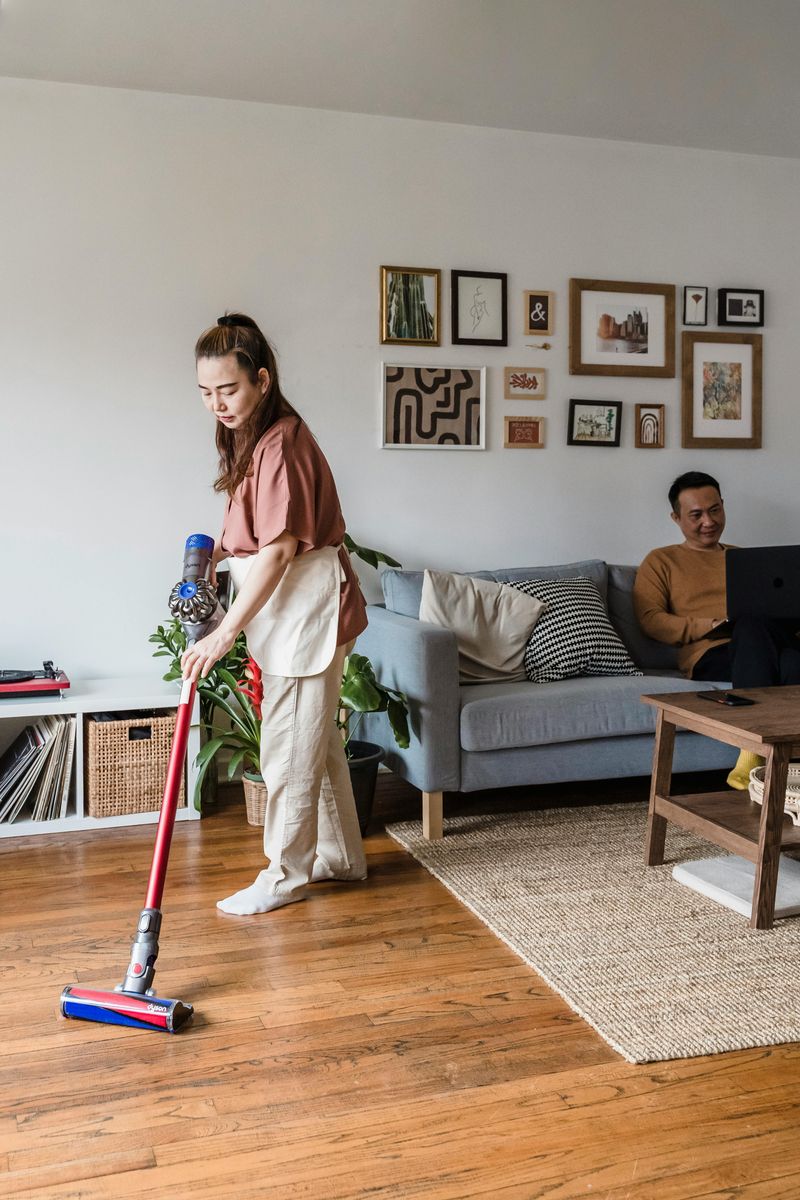
Picture this: socks on the floor, dishes in the sink, and a trail of clutter from the front door to the couch.
Many husbands genuinely don’t notice these messes—or assume they’ll get handled without a second thought.
That assumption, though innocent-feeling, lands heavily on their wives.
Over time, always being the one to clean up after someone else feels less like teamwork and more like being an unpaid housekeeper.
Resentment builds quietly, not from one dirty dish, but from a thousand of them.
Small habits create big feelings.
A simple fix?
Clean up after yourself as a default, not as a favor.
That one shift can dramatically change the emotional temperature of a home.
2. Spending Hours on a Phone or TV While Ignoring Household Responsibilities

There’s nothing wrong with unwinding after a long day—everyone deserves downtime.
But when one partner consistently disappears into a screen while the other handles dinner, laundry, and the kids, something feels very off.
The contrast is hard to ignore.
Wives often describe this as feeling invisible.
They’re running around managing the household while their husband is three episodes deep into a show.
The imbalance isn’t just about chores—it’s about who gets to rest and who doesn’t.
Checking in before zoning out can make a real difference.
Something as simple as asking, “Is there anything you need help with first?” shows awareness and care that goes a long way in a marriage.
3. Expecting Praise for Doing Basic Chores Once in a While
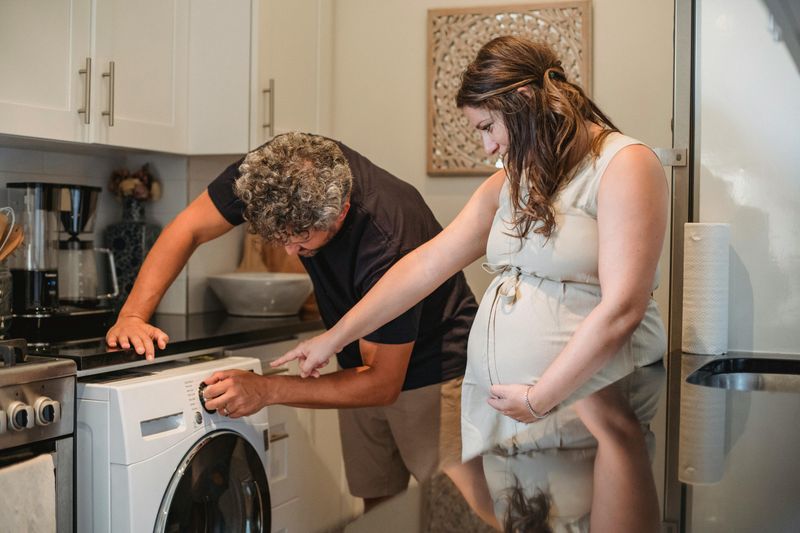
“I did the dishes today!” sounds like great news—until you realize it happens maybe twice a month.
Some husbands treat basic household tasks like extraordinary achievements, fully expecting a thank-you or even a compliment for pitching in occasionally.
For wives who handle these same tasks daily without recognition, watching their husband beam over one load of laundry can feel more frustrating than flattering.
It unintentionally highlights just how rarely he contributes.
The bar shouldn’t be set so low that mopping the floor earns a gold star.
Consistency matters far more than occasional effort.
When both partners treat household work as shared responsibility—not a favor—everyone feels more valued and less like they’re keeping score.
4. Interrupting or Not Fully Listening During Conversations at Home

Half-listening might be one of the most underrated sources of tension in a marriage.
A wife starts sharing something important—about her day, her feelings, a problem she’s dealing with—and her husband responds with “mm-hmm” while staring at a screen.
It stings more than most people realize.
Feeling unheard at home is lonely.
When conversations get brushed aside or interrupted repeatedly, wives start to feel like their thoughts don’t matter.
That emotional disconnect can grow into something much harder to repair over time.
Real listening means putting the phone down, making eye contact, and actually engaging.
It doesn’t take long, but the message it sends—”you matter to me”—echoes much louder than any grand romantic gesture ever could.
5. Leaving Most Parenting Duties to Their Wife After Work
Coming home from work is exhausting—no argument there.
But for many wives, the workday doesn’t end when the front door closes.
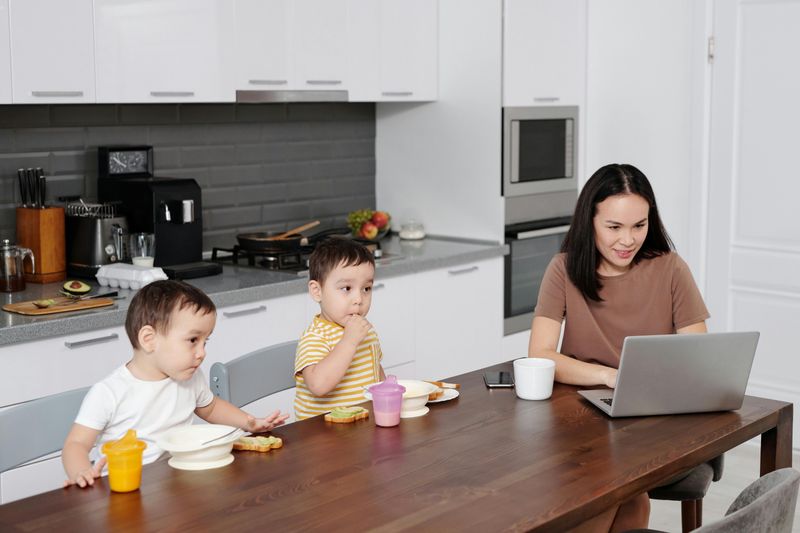
They shift straight from their job into full parenting mode, while their husband settles in for some quiet time.
That gap is deeply frustrating.
Kids need both parents present, not just physically in the house.
When dads regularly opt out of bedtime routines, homework help, or emotional check-ins with the kids, moms carry a weight that was never meant to be theirs alone.
It’s called the “second shift,” and it’s very real.
Jumping into parenting duties without being asked—reading bedtime stories, helping with homework, or just playing—shows up as love for both your wife and your children.
6. Turning Shared Spaces Into Personal Clutter Zones

Shared spaces are supposed to belong to everyone—but somehow, some husbands have a talent for quietly colonizing the living room, bedroom, or garage with their stuff.
Shoes by the door, tools on the kitchen table, sports gear in the hallway.
It adds up fast.
For wives, living in someone else’s overflow feels suffocating.
It’s not about being a neat freak—it’s about having a home that feels livable and shared, not like a storage unit with furniture.
Personal space matters, and so does respecting common areas.
Designating spots for personal items and actually using them is a small but powerful act of respect.
A clutter-free shared space signals that both people’s comfort and needs are equally valued in the home.
7. Assuming Their Wife Will Handle Schedules, Meals, and Planning Automatically

There’s a term for this—”mental load”—and it’s exhausting.
Many wives are the invisible managers of the entire household: tracking appointments, planning meals, remembering birthdays, coordinating school pickups, and making sure the fridge is stocked.
Their husbands often have no idea how much thinking goes into all of it.
The problem isn’t just the work itself—it’s that it’s assumed.
Nobody asked her to take it on; it just defaulted to her because she handled it once, then twice, and suddenly it became “her job.” That quiet assumption breeds real resentment.
Taking initiative—like planning dinner without being asked or checking the family calendar unprompted—removes some of that invisible weight.
Sharing the mental load is just as important as sharing physical household tasks.
8. Complaining About How Things Are Done Without Helping
Few things are more deflating than putting in effort and getting a critique instead of a thank-you.
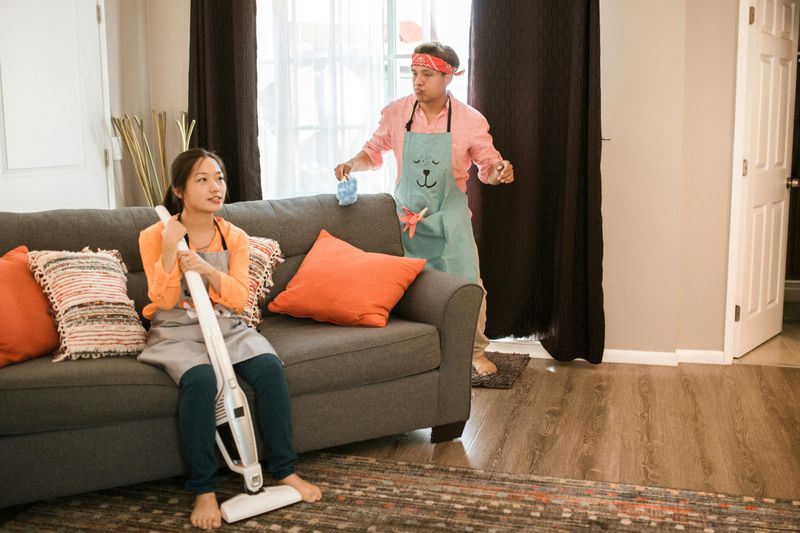
Some husbands have a habit of commenting on how their wife loads the dishwasher, folds towels, or seasons the food—without ever picking up a sponge themselves.
It’s a frustrating combination of unhelpfulness and unsolicited opinions.
This behavior sends a confusing message: “I don’t want to do it, but I also don’t like how you do it.” That’s a no-win situation for the person actually doing the work.
Over time, it chips away at motivation and goodwill.
A better approach?
Either help and accept that things might be done differently, or stay quiet and appreciate the effort.
Gratitude goes much further than criticism ever will.
9. Treating Relaxation at Home as Personal Free Time While Their Wife Keeps Working

Rest is necessary—for both partners.
But when one person’s downtime consistently overlaps with the other person’s busiest hours at home, the imbalance becomes impossible to ignore.
Husbands who clock out mentally the moment they sit down, while their wives are still in full-on “manage everything” mode, are sending a message they may not intend to send.
That message is: my rest matters more than your workload.
Even if it’s never said out loud, it’s felt deeply.
Wives don’t resent their husbands resting—they resent resting being one-sided.
Syncing up on downtime—deciding together when both partners get to relax—creates fairness that strengthens a relationship.
When rest is shared, so is the sense of being truly equal partners in the home.