 MomSkoop

Most people assume sibling relationships will always bounce back, no matter what.
But the truth is, some patterns from childhood can quietly chip away at those bonds over time.
Small moments — a parent’s favorite, unspoken grudges, or roles that never changed — can grow into walls that feel impossible to break down.
Understanding these patterns is the first step toward healing or even preventing the distance that pulls siblings apart.
1. Clear Favoritism That Was Never Addressed
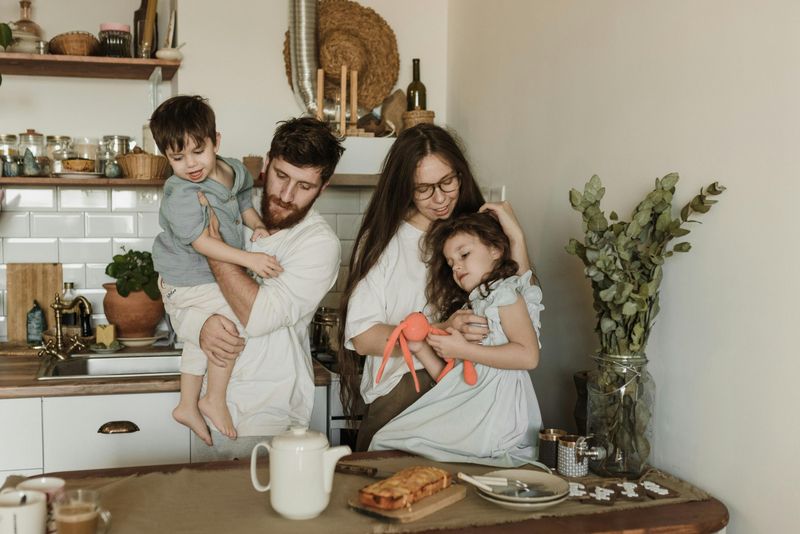
Picture a childhood dinner table where one sibling gets praised for every little thing while the other sits quietly, feeling invisible.
That kind of favoritism leaves a mark that doesn’t fade easily.
Even when no one says it out loud, kids notice who gets more hugs, more patience, and more second chances.
Those unspoken feelings don’t just disappear when everyone grows up.
They tend to simmer quietly until something cracks the surface.
Many adults who feel estranged from a sibling can trace it back to this exact imbalance — a wound that was never named, let alone healed.
2. Fixed Family Roles That Never Changed
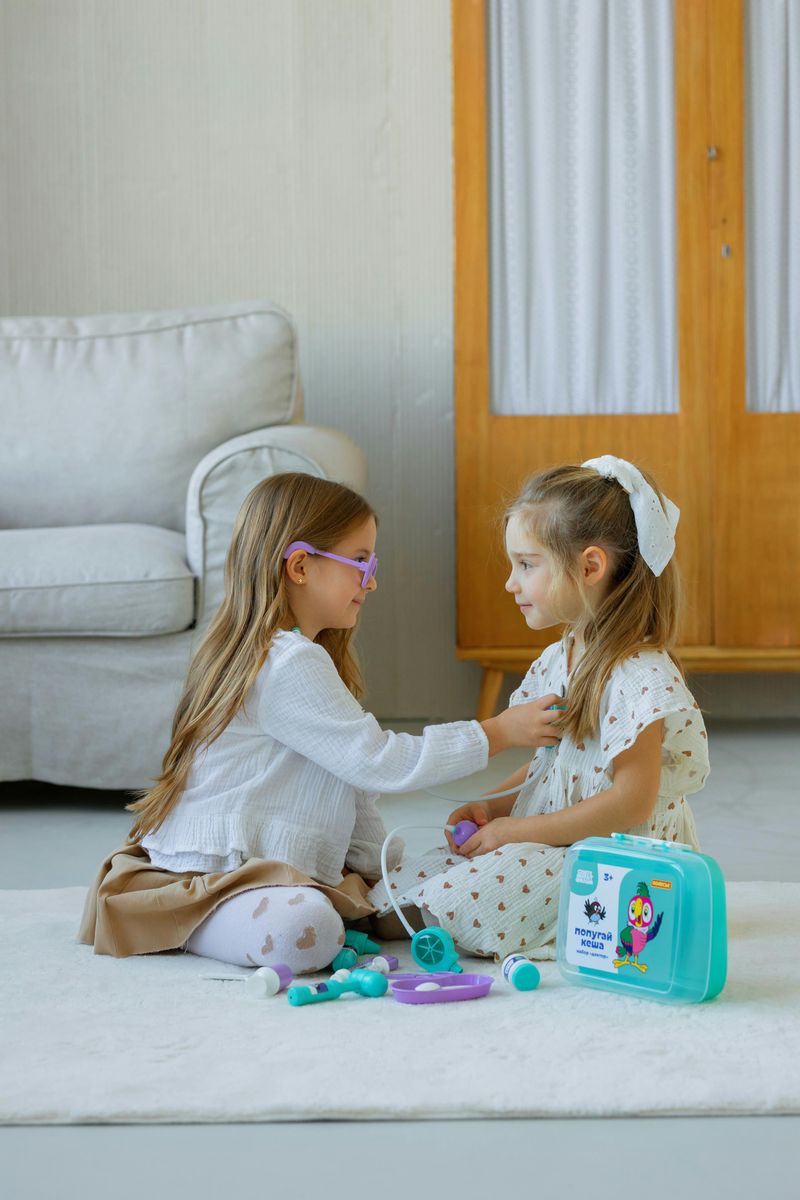
Every family has its unofficial cast of characters — the responsible one, the wild child, the quiet peacemaker.
These labels often get handed out early, sometimes before kids are old enough to define themselves.
The problem is, those roles can stick around long after childhood ends.
When a sibling grows into a thoughtful adult but is still treated like the family troublemaker, frustration builds fast.
Relationships stall because no one allows room for growth or change.
Authentic connection becomes hard when every interaction is filtered through a role that was written decades ago and never updated.
3. Constant Comparison Between Siblings
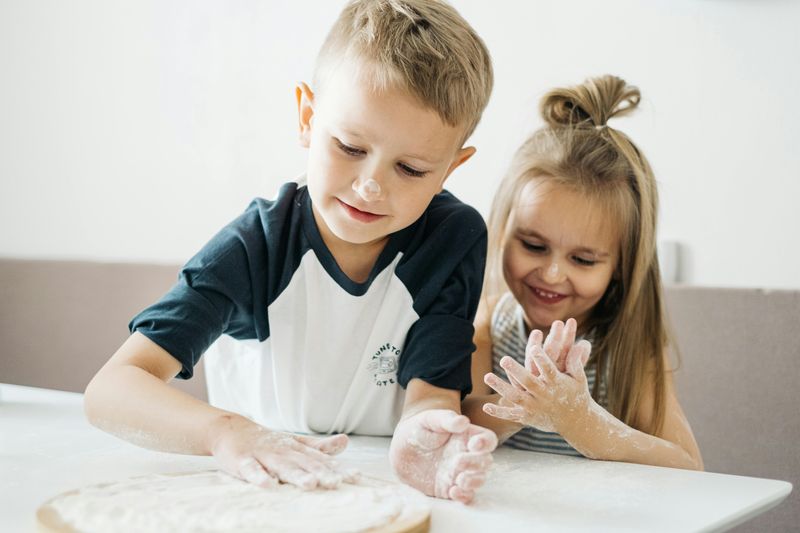
Few things sting more than hearing, “Why can’t you be more like your brother?” Repeated comparisons — whether about grades, behavior, looks, or personality — slowly teach siblings to see each other as competition rather than companions.
It’s a subtle shift, but a damaging one.
Over time, this rivalry can replace the natural closeness siblings might have shared.
Adults who grew up constantly measured against a sibling often carry a quiet bitterness that makes genuine connection feel awkward or even threatening.
Healing requires recognizing that those comparisons were never fair to either child in the first place.
4. Conflict That Was Always Avoided
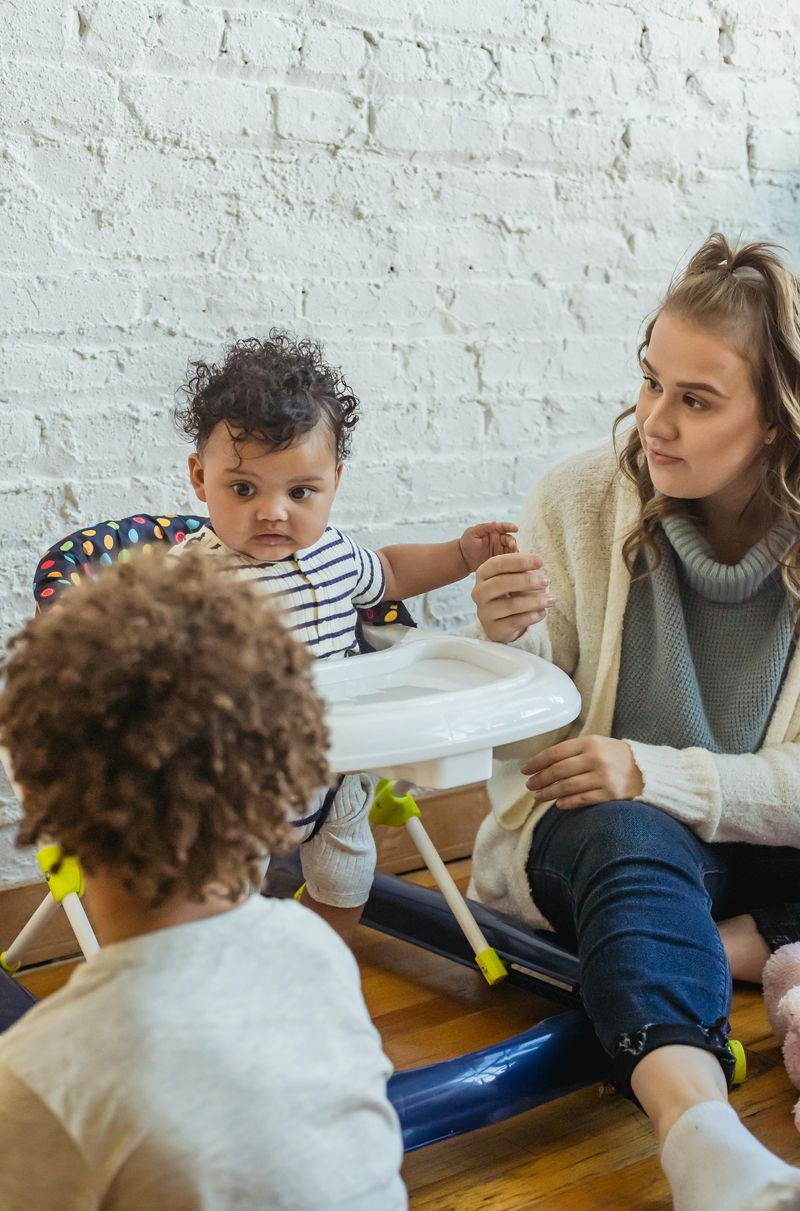
Some households run on a simple unspoken rule: keep the peace at all costs.
Arguments get swept under the rug, hurt feelings go unacknowledged, and difficult topics simply never come up.
It might feel calm on the surface, but underneath, things quietly pile up.
Siblings raised in conflict-avoidant homes often never learn how to work through disagreements respectfully.
So when real adult problems arise — inheritance, caregiving, old grudges — they have no tools to handle them.
Walking away or going silent feels safer than having a hard conversation they were never taught to have.
Distance becomes the only option they know.
5. One Child Expected to Keep the Peace
Some kids grow up as the unofficial emotional managers of their family.
They learn early to swallow their own feelings, smooth over tension, and keep everyone else comfortable.
At first glance, it might look like maturity — but it comes at a steep personal cost.
Carrying that kind of emotional weight year after year leads to exhaustion and quiet resentment.
When that sibling finally steps back as an adult, others may feel confused or even hurt by the sudden distance.
What they don’t realize is that the withdrawal isn’t random — it’s the natural result of years of giving without ever being allowed to receive.
6. Unequal Responsibility Within the Family
In many families, one child quietly becomes the one who does more — more chores, more caregiving, more emotional support for struggling parents.
It often starts small and feels temporary, but it rarely stays that way.
Over time, the weight becomes part of who that child is expected to be.
That sibling may grow into an adult who feels unseen and undervalued.
When others didn’t share the load and never acknowledged it, a quiet bitterness can take root.
Estrangement sometimes isn’t about one big fight — it’s about years of imbalance that finally became too heavy to carry alongside a relationship that felt one-sided.
7. Competition for Parental Approval
When love and praise feel like limited resources, siblings learn to compete for every drop.
If a parent’s approval only seemed to come when someone earned it — through good grades, good behavior, or achievements — kids naturally start measuring themselves against each other instead of cheering each other on.
That competitive mindset doesn’t always disappear with age.
Some adults still unconsciously compare careers, relationships, or parenting styles through the same lens they used as kids.
Real sibling closeness struggles to grow when the foundation was built on rivalry rather than mutual support.
Recognizing this pattern is often the first honest step toward change.
8. Unspoken Childhood Grievances

A betrayed secret.
A cruel nickname that stuck for years.
Being left out of something that mattered deeply.
These moments might seem small from the outside, but to the child who lived them, they can feel enormous.
When no adult stepped in to acknowledge the hurt, those wounds often stayed open.
Unresolved grievances have a way of quietly shaping how siblings treat each other well into adulthood.
A casual comment at a family gathering can suddenly feel loaded with years of history.
Without honest conversation — or even just acknowledgment — old pain keeps showing up uninvited, making closeness feel risky rather than comforting.
9. Emotional Distance Modeled by Parents
Kids learn how to love by watching the people who raise them.
When parents kept their feelings locked away, avoided vulnerability, or handled conflict by going cold, they were teaching a lesson — even if they never meant to.
Children absorb those habits the way they absorb everything else: quietly and completely.
Siblings who grew up in emotionally distant households often struggle to stay close as adults because no one ever showed them how.
Vulnerability feels uncomfortable.
Honest conversations feel foreign.
Without a real blueprint for emotional connection, drifting apart can feel completely normal — even when deep down, neither sibling actually wants it that way.