 MomSkoop
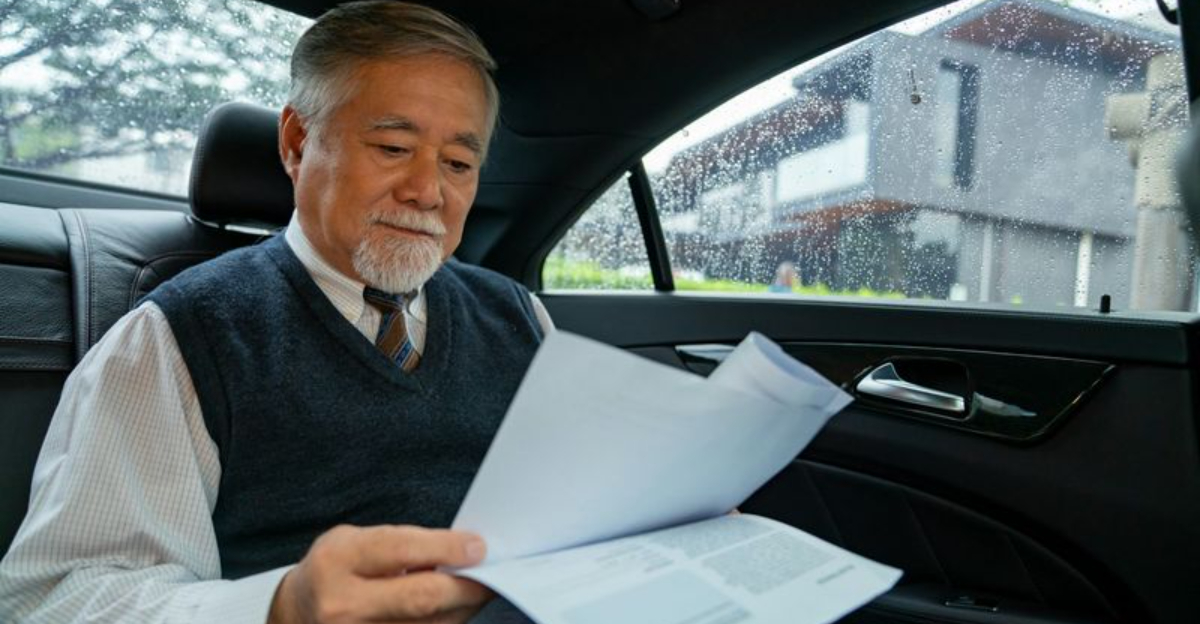
Uber drivers meet dozens of passengers every day, and after a while, certain patterns become hard to miss. Baby boomers, those born roughly between 1946 and 1964, often bring a set of habits shaped by decades of experience with older forms of transportation and communication.
These behaviors are not complaints — most drivers find them refreshing and even charming. From front-seat choices to friendly conversation starters, here are nine things Uber drivers almost always notice about boomer passengers.
1. Preferring Phone Calls Over App Messaging
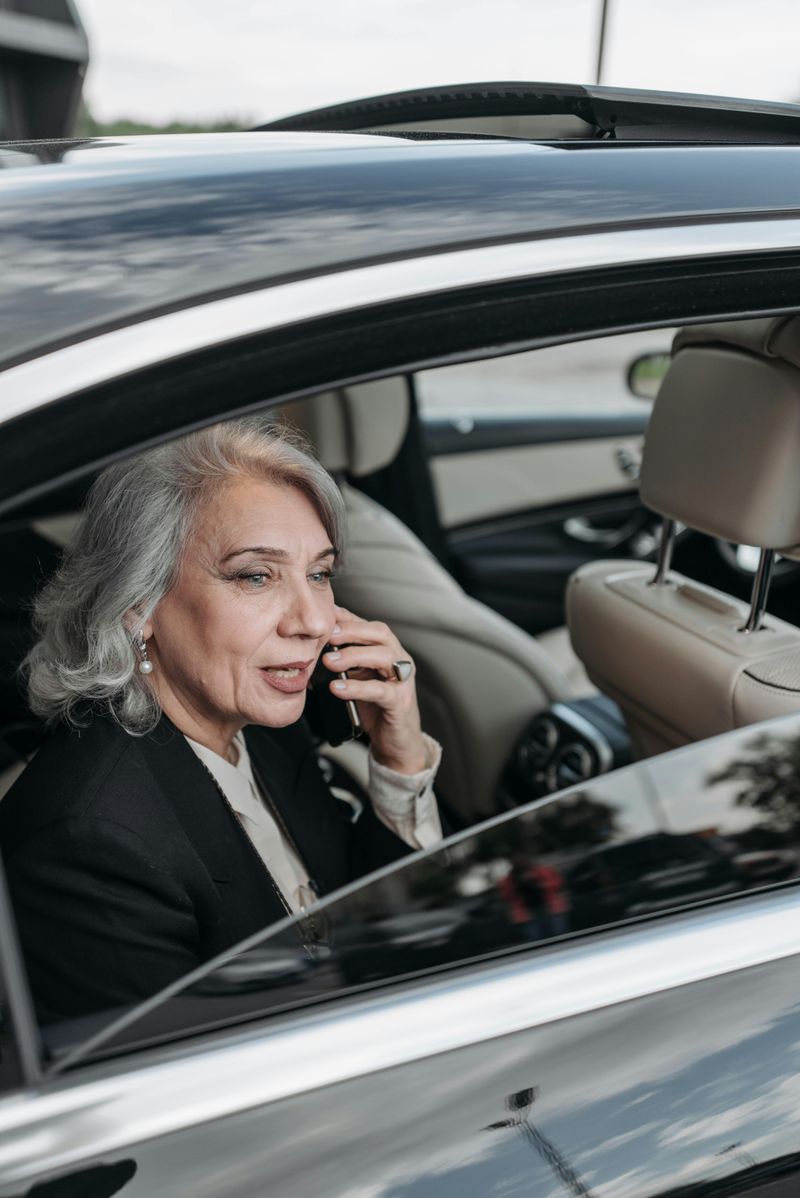
Some passengers skip the app chat entirely and just pick up the phone.
Boomer riders are known for calling their Uber driver directly the moment the match is confirmed, wanting to talk through pickup details in real time.
For them, a quick voice call feels faster and more reliable than typing back and forth in an app.
Drivers often hear something like, “Hi, I just wanted to make sure you can find me!” It comes from a generation raised on landlines, where hearing a voice meant the message actually got through.
Many drivers actually appreciate the heads-up, especially in confusing pickup zones.
2. Double-Checking the License Plate and Driver Identity
Before opening that car door, many boomer passengers run through a full checklist.
They squint at the license plate, glance at the driver, then peek at their phone screen to match everything up.
This careful routine is something Uber drivers spot almost immediately, usually while watching from the rearview mirror.
It actually reflects smart safety awareness — something Uber itself encourages.
But for boomers, this habit often goes a step further.
They might ask the driver to confirm their name out loud before settling in.
Growing up in an era without digital verification tools, they learned to double-check everything themselves, and old habits genuinely stick around.
3. Offering Verbal Directions
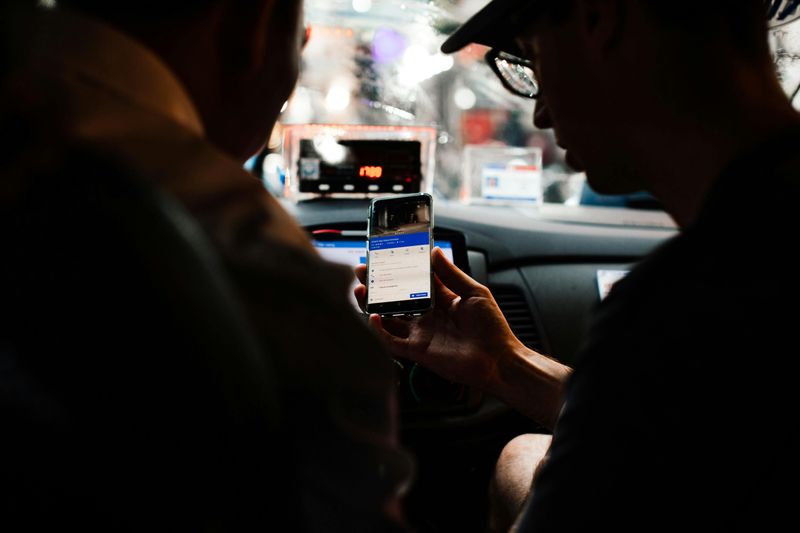
GPS says turn right, but the passenger in the back seat says, “Actually, take the next street — it is much faster at this time of day.” Sound familiar?
Boomer riders grew up navigating without satellite help, relying instead on mental maps built over decades of driving the same roads.
Uber drivers report that boomer passengers often jump in with local shortcuts or warnings about tricky intersections.
Sometimes they are right!
Other times, the GPS wins.
Either way, the exchange usually turns into a friendly conversation about the neighborhood.
Drivers who stay open to the suggestions often find the ride goes smoother — and the tip gets a little more generous.
4. Sitting in the Front Seat
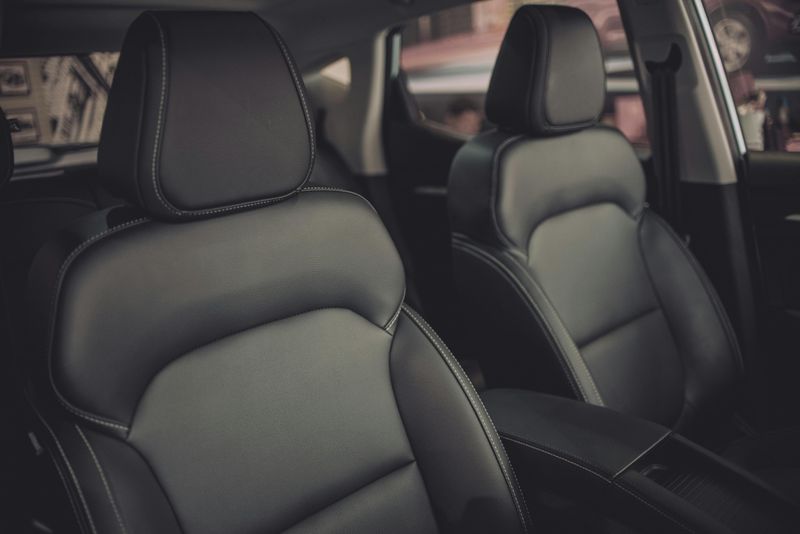
Younger riders almost always head straight for the back seat.
Boomer passengers, though, frequently hop right into the front without a second thought.
For many of them, riding shotgun just feels natural — it mirrors decades of carpooling, taxi rides where conversation happened upfront, and a general comfort with being close to the driver.
Uber drivers have mixed feelings about this one.
Some love the company and the chance for easy conversation.
Others prefer a little professional distance.
Either way, boomers who choose the front seat tend to be chatty and warm, treating the driver more like a friend giving them a lift than a service they ordered through an app.
5. Starting Conversation Quickly
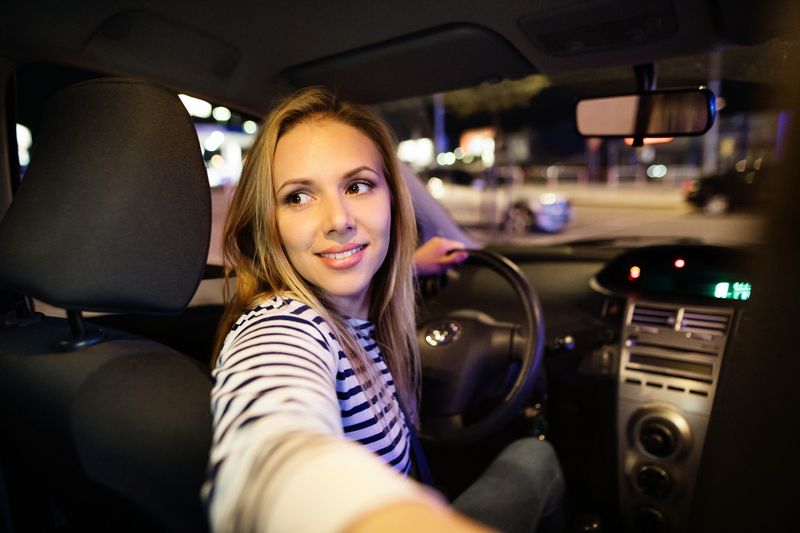
Barely five seconds after the door closes, many boomer passengers kick off a conversation.
Traffic, the weather, a new restaurant that just opened nearby — anything works as a starting point.
Drivers say these passengers rarely sit in silence, and they usually make eye contact in the rearview mirror while talking.
For boomers, small talk is a social skill they sharpened long before texting became the default form of communication.
Striking up a chat with a stranger was just normal back then.
Many drivers genuinely enjoy these exchanges, saying boomer passengers often share surprisingly interesting life stories during even a short ten-minute ride across town.
6. Asking About the Driver’s Background
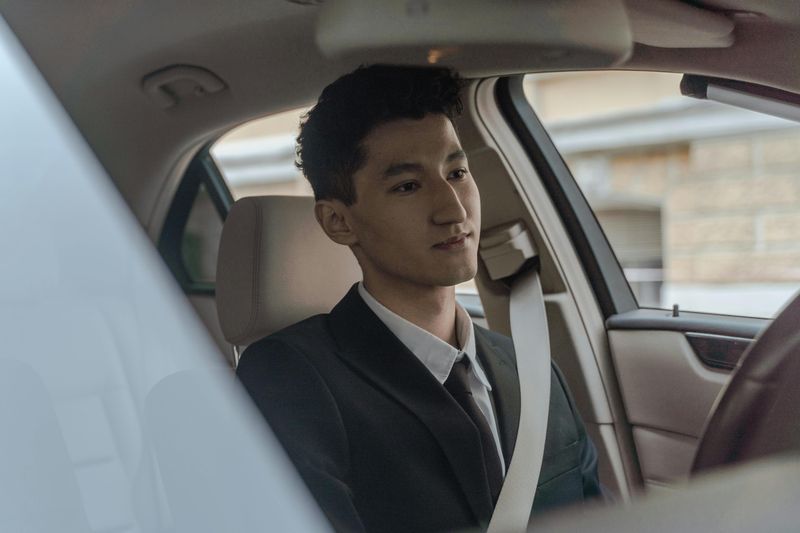
“So where are you originally from?” is practically a boomer passenger greeting.
Within the first few minutes, many will ask how long the driver has been doing this, whether they enjoy it, or what they did before.
It is not nosiness — it is genuine curiosity rooted in a generation that valued personal connection over transactional interactions.
Drivers from different countries often say boomer passengers are among the most interested in learning about their backgrounds.
These conversations can feel unexpectedly meaningful during a long shift.
Some drivers admit that boomer riders leave them feeling seen rather than invisible, which makes a real difference when you are behind the wheel for eight-plus hours a day.
7. Paying Close Attention to Surge Pricing
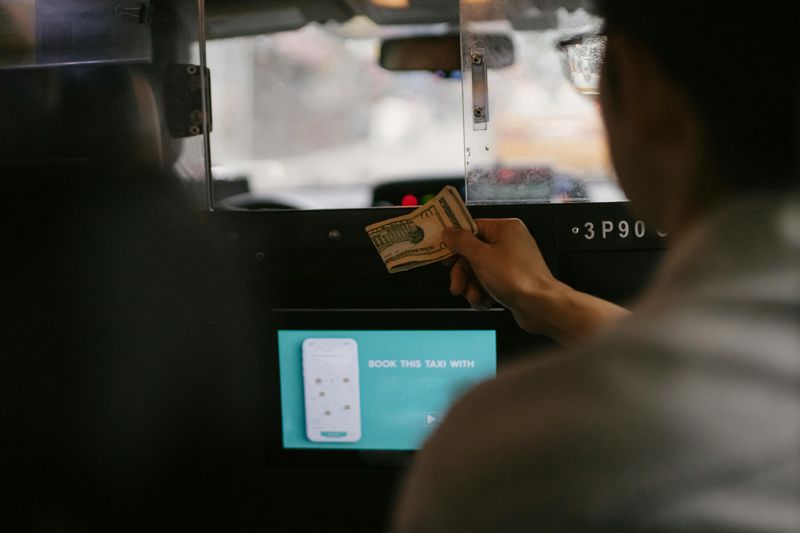
Surge pricing can catch anyone off guard, but boomer passengers tend to voice their surprise out loud.
Drivers regularly hear comments like, “This used to cost half as much!” or “Can you explain why the price went up so suddenly?” It is not always a complaint — sometimes it is genuine curiosity about how the algorithm works.
Boomers grew up with fixed taxi meters and printed price lists, so dynamic pricing still feels a little foreign.
Some will wait out the surge before requesting a ride.
Others will ask the driver directly whether the rate is fair.
Either way, their attention to cost reflects a value system built around knowing exactly what you are paying for.
8. Expressing Gratitude Verbally

A clear, warm “Thank you so much” at drop-off is practically a boomer passenger signature move.
Many will also compliment the driver on their smooth driving, their clean car, or how easy they were to find.
This verbal appreciation stands out in an era when most younger passengers simply tap a star rating and walk away without a word.
Drivers consistently rank boomer passengers among the most appreciative they encounter.
There is something refreshing about being thanked out loud rather than just digitally.
For a generation raised to acknowledge service with genuine politeness, expressing gratitude is second nature — and for many drivers, those few kind words can turn around an otherwise exhausting day on the road.
9. Mentioning Past Transportation Comparisons
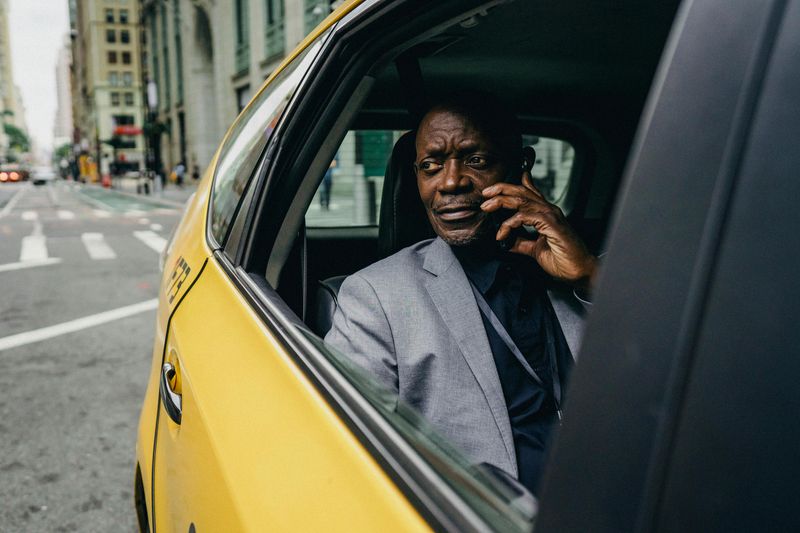
“You know, back when I took cabs everywhere, the driver actually knew the city by heart.” Boomer passengers love to compare modern rideshare experiences with the transportation landscape they grew up with.
Yellow taxis, bus routes, and even hitchhiking stories sometimes come up during the ride.
These comparisons are rarely mean-spirited — they are more like living history lessons from someone who watched transportation transform in real time.
Drivers who engage with these stories often find them fascinating.
Boomers witnessed the shift from rotary-dial phone dispatched cabs to GPS-guided app rides, and that perspective is genuinely worth hearing.
It gives the whole rideshare experience a surprisingly rich, human context that younger passengers rarely bring up.