 MomSkoop
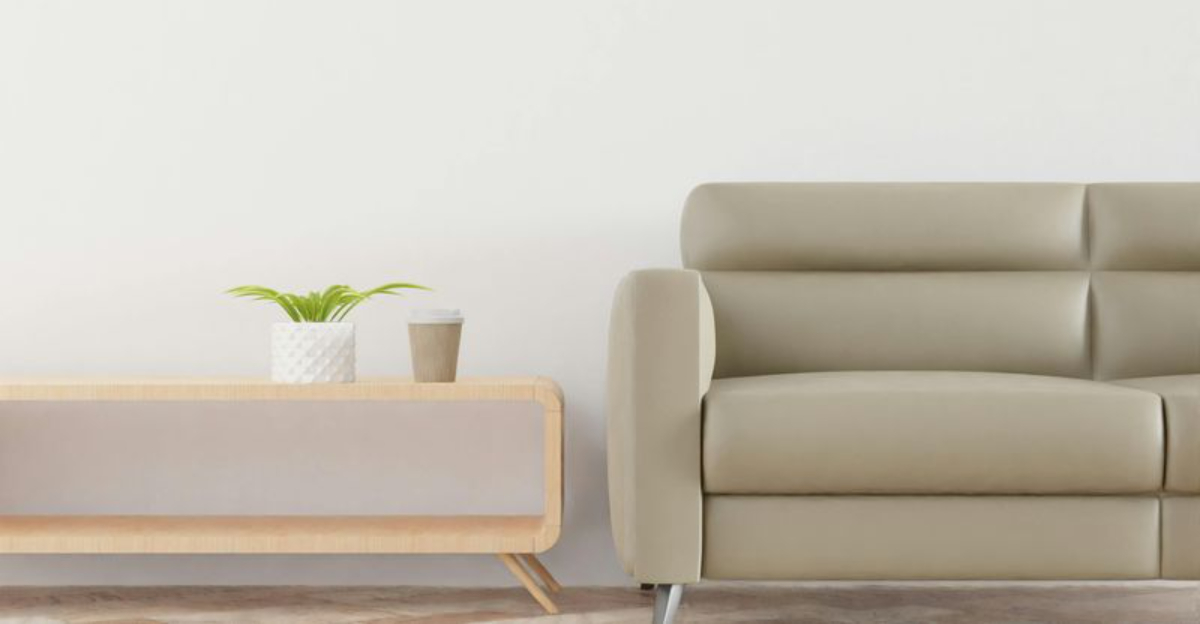
Your home should feel current without constantly needing expensive makeovers. Smart design choices create spaces that age gracefully instead of looking outdated in a few years.
The key is choosing elements that work with changing trends rather than fighting against them, saving you money and stress while keeping your space beautiful for decades to come.
1. Neutral, Warm Color Palettes
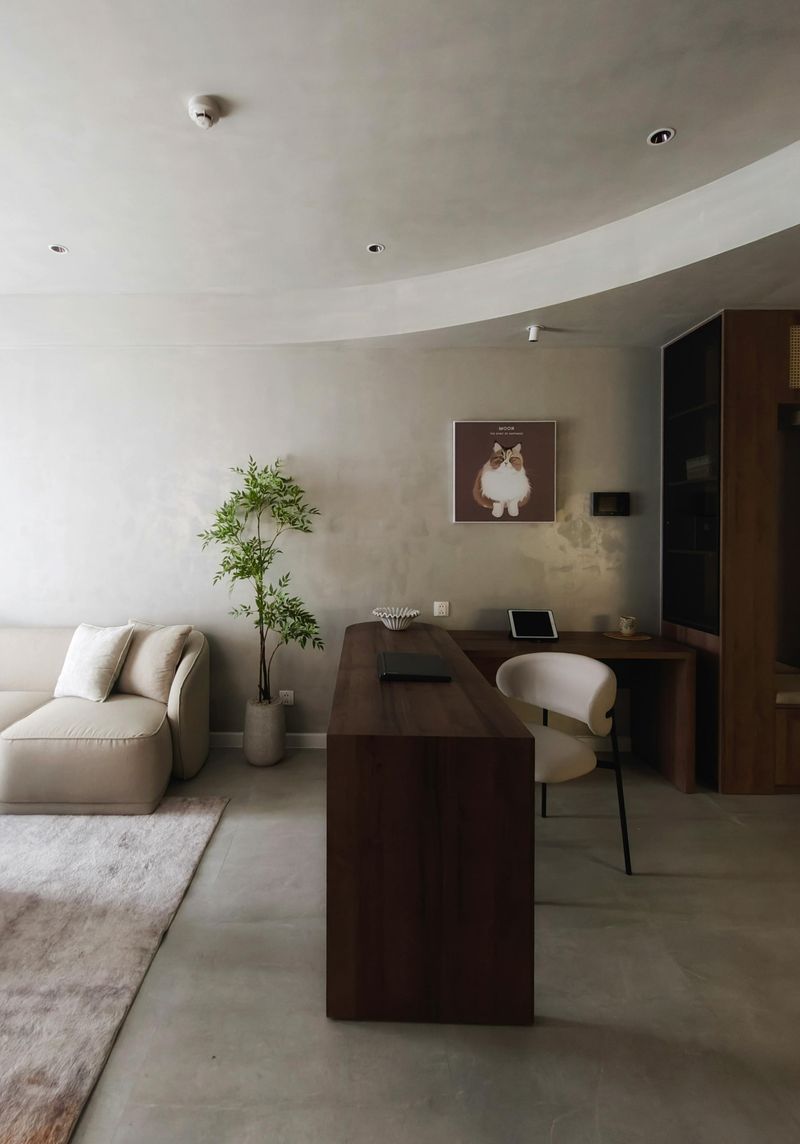
Paint chips change every season, but some colors never really go out of style.
Soft whites, warm grays, beiges, and muted earth tones create a foundation that works with almost anything you add later.
These shades make rooms feel larger and brighter without screaming any particular decade.
The real magic happens when you want to refresh your look.
Swap out throw pillows, artwork, or a single accent wall, and suddenly your whole space feels new again.
Your neutral base stays put while trends come and go around it.
Think of these colors as your design safety net.
They photograph beautifully, appeal to future buyers if you sell, and never make you cringe when you look back at old photos years later.
2. High-Quality Natural Materials
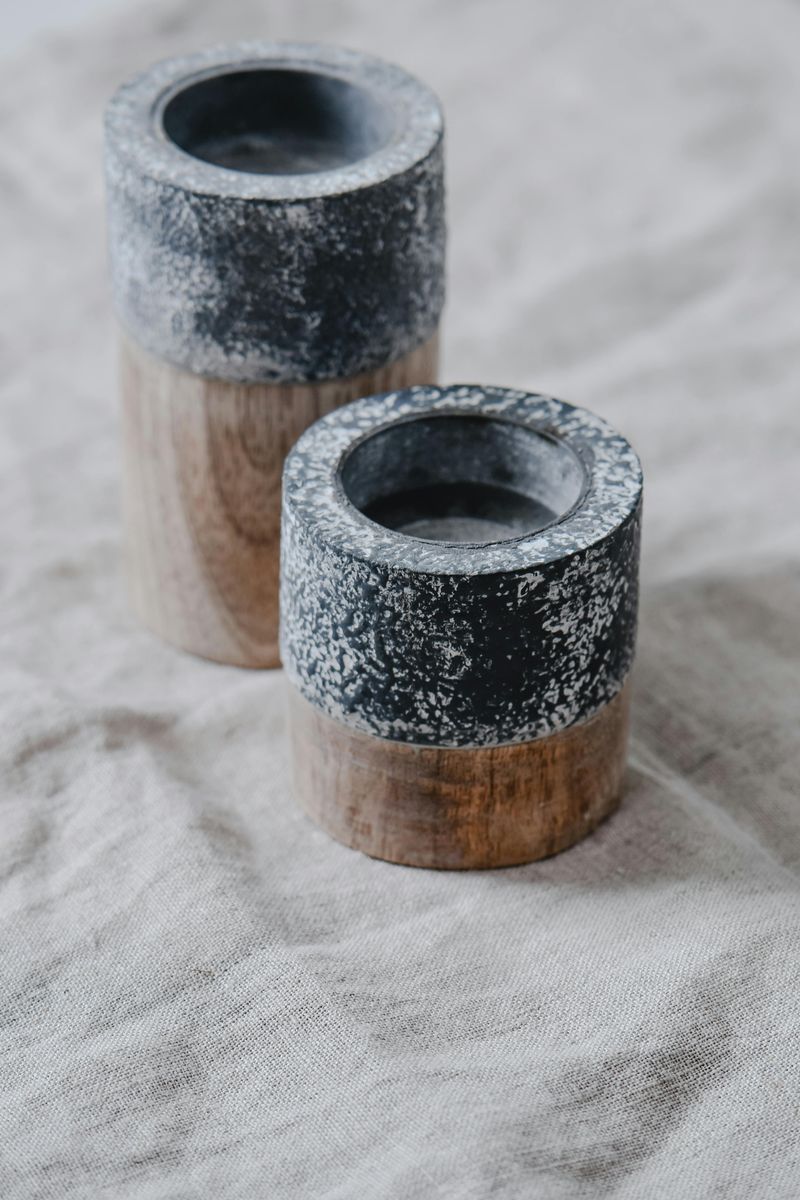
Cheap materials show their age fast, but natural ones actually get better over time.
Wood develops a rich patina, leather softens and molds to use, and stone gains character from every tiny mark.
These materials have been used in homes for thousands of years because they simply work.
Linen curtains, clay pottery, and wool rugs bring warmth without trying too hard.
They feel good to touch and look expensive even when they’re not.
Best of all, small scratches or wear marks add personality instead of making everything look damaged.
When you choose real materials over synthetic copies, you’re investing in pieces that last.
They repair easier, age gracefully, and never scream a specific trend year the way plastic or laminate finishes do.
3. Clean, Simple Lines
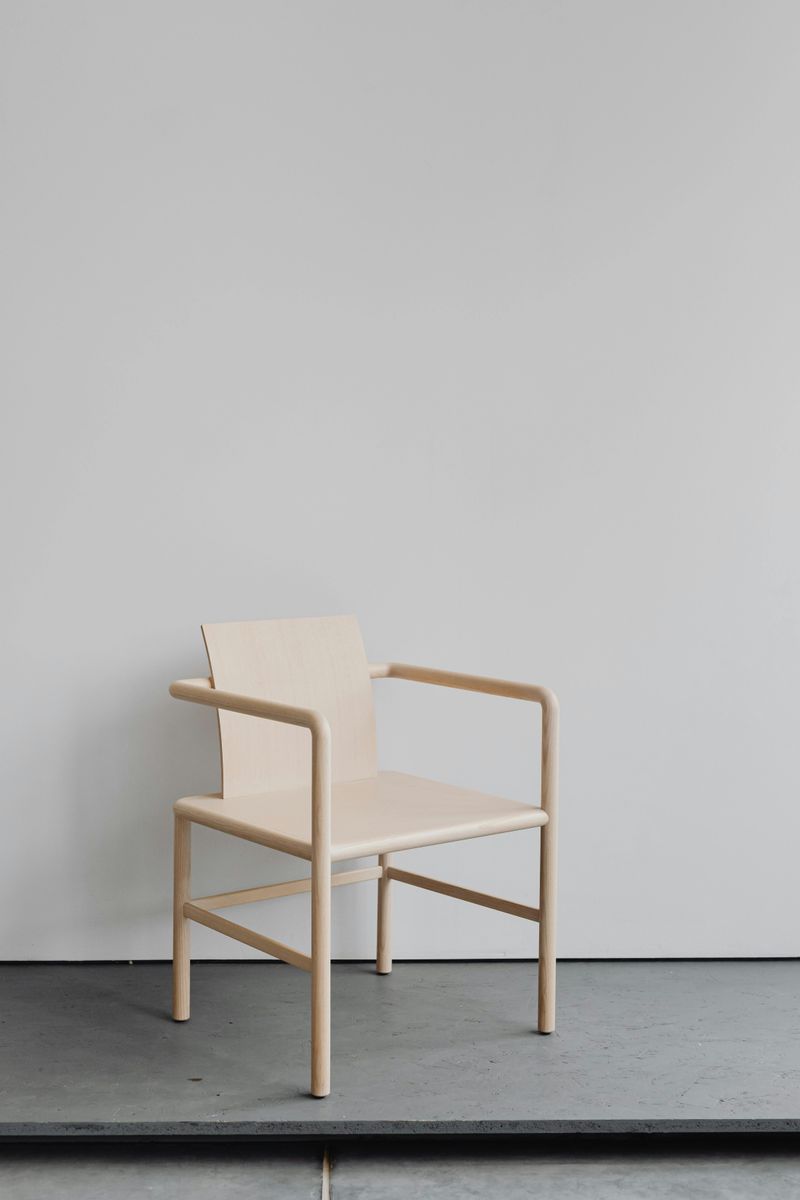
Remember when everything had curlicues and decorative trim?
Those styles date themselves faster than you can say “outdated.” Furniture and architecture with straight edges and minimal fuss stay current because they don’t try to be anything other than functional and beautiful.
A simple sofa works in a farmhouse or a modern loft.
Clean-lined cabinets fit traditional or contemporary kitchens.
This flexibility means you can change your style without replacing expensive furniture pieces.
Ornamentation tells everyone exactly when you decorated.
Simple shapes keep that secret.
Your grandmother’s ornate Victorian chair screams 1890s, but a well-made wooden bench could be from any century.
That’s the power of keeping things straightforward and letting quality speak for itself.
4. Thoughtful Lighting Layers
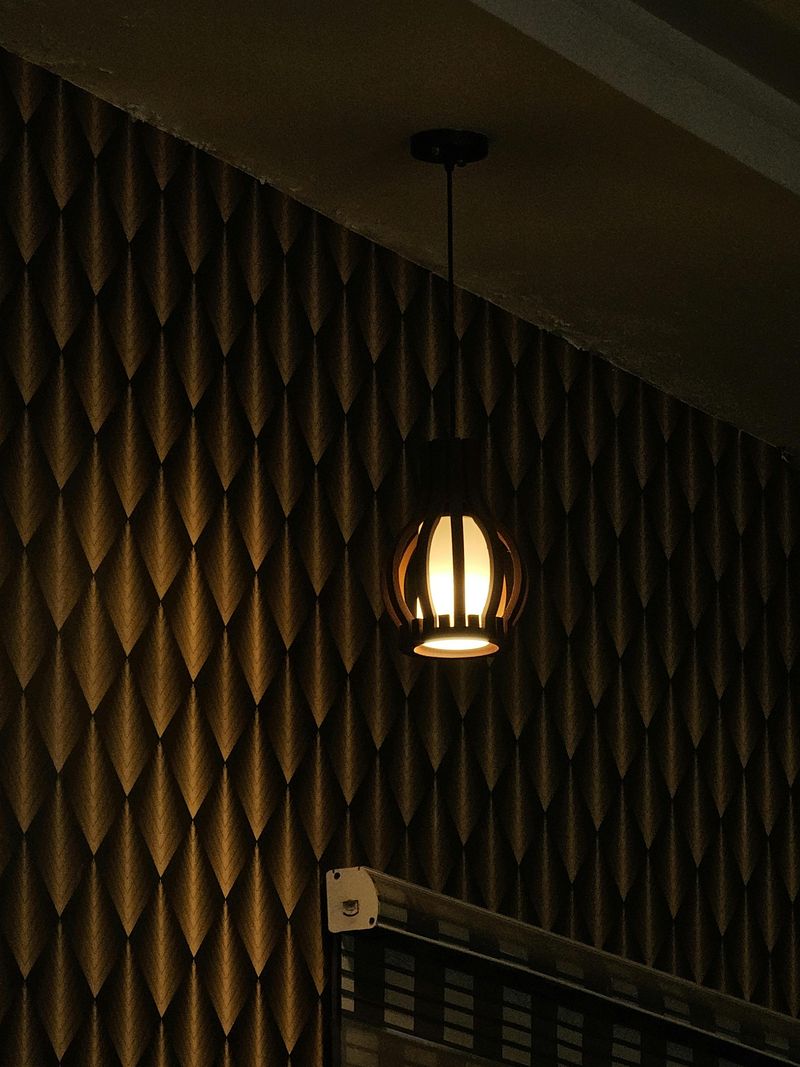
One ceiling light in the middle of a room is so 1990s.
Smart homes layer different types of lighting: overhead for general brightness, lamps for reading or cooking, and accent lights to highlight artwork or architecture.
Add dimmers to everything, and you’ve got a system that works morning, noon, and night.
This approach never goes out of style because it’s based on how humans actually use rooms.
You need bright light for homework but soft light for movie night.
Task lighting helps with detailed work while ambient lighting sets the mood.
The best part?
You can update individual fixtures over time without redoing your whole system.
Swap one trendy pendant for a classic one, and your lighting plan still works perfectly.
5. Built-In Storage
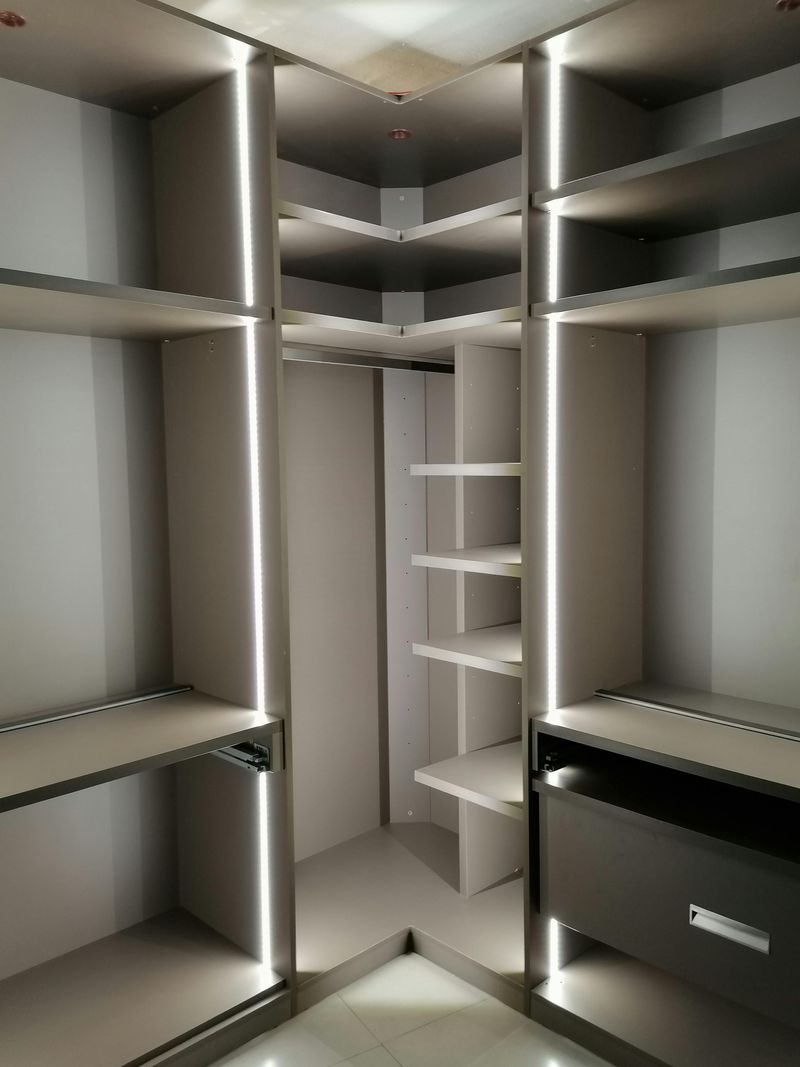
Clutter makes even beautiful rooms look messy and dated.
Custom shelving, organized closets, and smart cabinetry solve this problem permanently.
When everything has a designated spot, your space stays clean and functional no matter what design trends come and go.
Built-ins look intentional and finished in ways that freestanding furniture never quite achieves.
They use every inch of available space, including awkward corners and tall ceilings that would otherwise go to waste.
Plus, they add serious value to your home.
Unlike trendy storage bins or organizational systems that look dated quickly, built-in storage becomes part of your home’s bones.
It’s always relevant because being organized never goes out of style, and having enough space for your stuff is eternally useful.
6. Classic Hardware Shapes
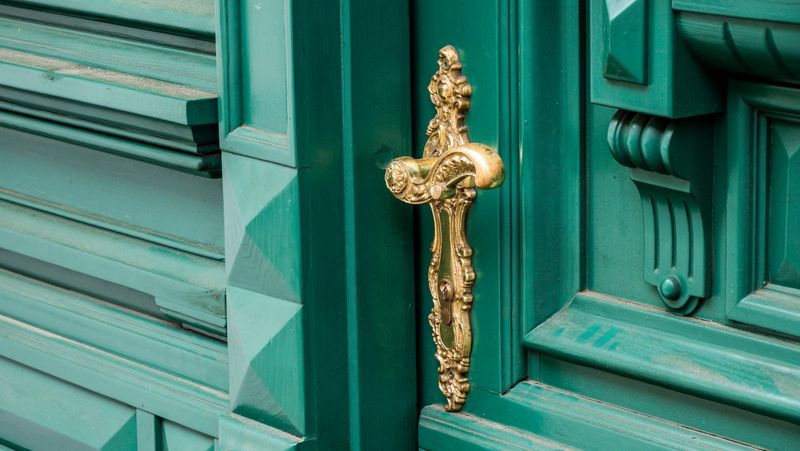
Cabinet pulls shaped like seahorses or novelty drawer knobs scream their era louder than almost anything else.
Simple shapes in quality finishes—brushed nickel, matte black, unlacquered brass—work with any style and age beautifully.
They’re the jewelry of your home, and classic pieces never go out of fashion.
Hardware is relatively inexpensive to replace, but why bother if you choose well from the start?
Understated designs complement rather than compete with your cabinets, doors, and furniture.
They do their job without demanding attention.
Think about old homes you’ve admired.
Chances are their hardware was simple and well-made.
Fancy shapes feel fun initially but look silly later.
Timeless hardware blends so seamlessly you barely notice it, which is exactly the point.
7. Balanced Proportions
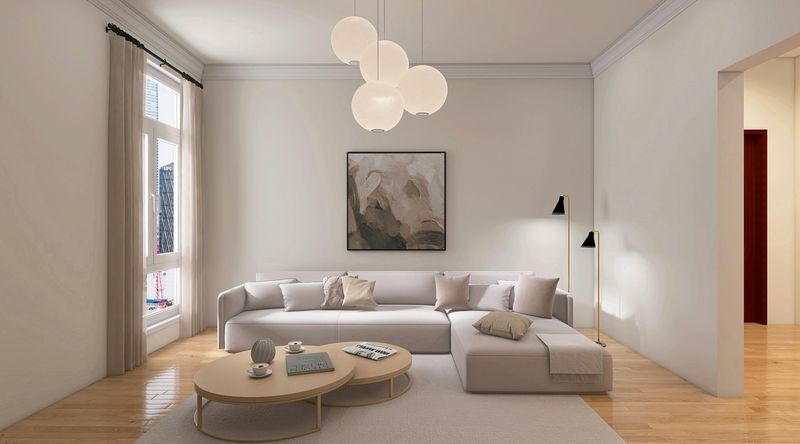
Ever walked into a room that just felt right?
That’s good proportion at work.
Furniture that fits the room size, appropriate spacing between pieces, and layouts that respect human scale create comfort that transcends trends.
Oversized everything or tiny furniture in big rooms both date themselves quickly.
Proportion is about relationships.
A sofa should relate properly to coffee table height.
Rugs should extend beyond furniture edges.
Artwork should fill wall space without overwhelming it.
These mathematical relationships feel good because they’re based on how humans perceive space.
Exaggerated proportions—super low sofas, giant pendant lights, or furniture pushed against walls—mark specific design moments.
Balanced rooms feel timeless because they prioritize comfort and function over making dramatic statements that quickly feel tired.
8. Subtle Texture Over Bold Patterns
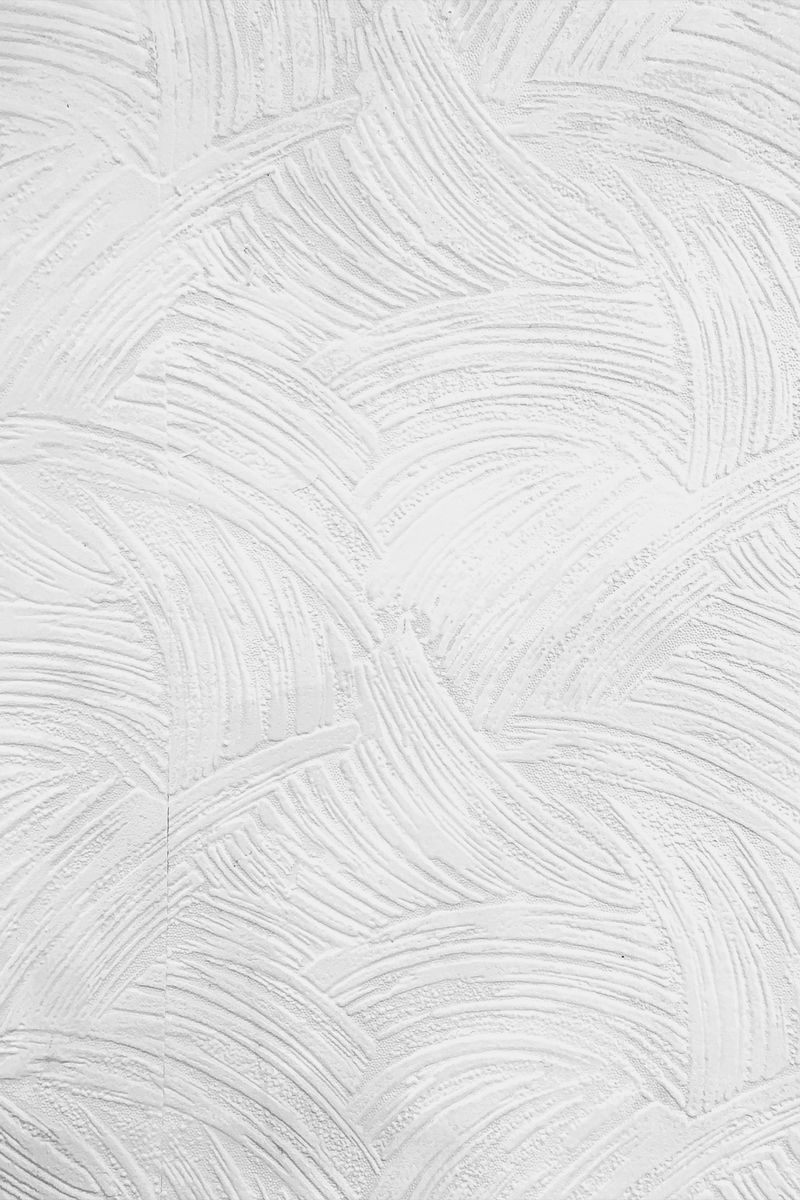
Bold geometric wallpaper or busy patterns lock your room into a specific time period.
Texture adds the same visual interest without the commitment.
Woven fabrics, wood grain, matte paint finishes, and varied materials create depth that photographs beautifully and never looks dated.
Your eye needs variety to stay interested, but patterns provide it in ways that can quickly feel overwhelming or outdated.
Texture gives you that variety through touch and light instead.
A linen sofa, grasscloth wallcovering, or rough-hewn wood beam adds character without shouting.
The beauty of texture is its subtlety.
It works in any style from rustic to modern.
You can layer multiple textures without creating visual chaos, something impossible with competing patterns.
Texture ages gracefully because it’s inherent to materials rather than applied decoration.
9. Flexible, Adaptable Layouts
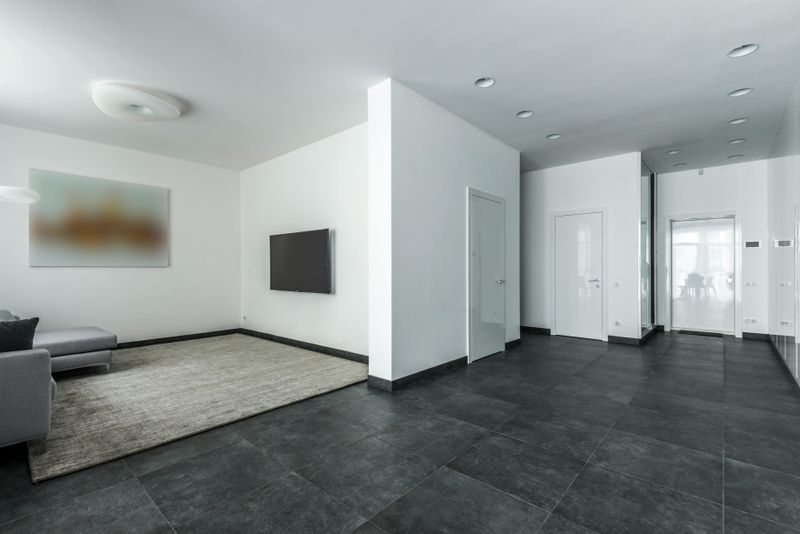
Homes need to change as life changes.
A nursery becomes a home office, then a guest room.
Dining rooms turn into homework stations.
Spaces designed for flexibility stay relevant because they adapt rather than resist.
Furniture that moves easily and rooms without single-purpose built-ins give you options.
Open floor plans work partly because they’re adaptable.
You can rearrange furniture for parties, push everything aside for yoga, or create temporary zones for different activities.
Rigid, single-purpose rooms feel dated because modern life demands versatility.
Think about how you might use your space differently in five or ten years.
Designing for change means avoiding permanent fixtures that limit function.
When your layout can evolve with your lifestyle, your home stays useful and current without expensive renovations.