 MomSkoop
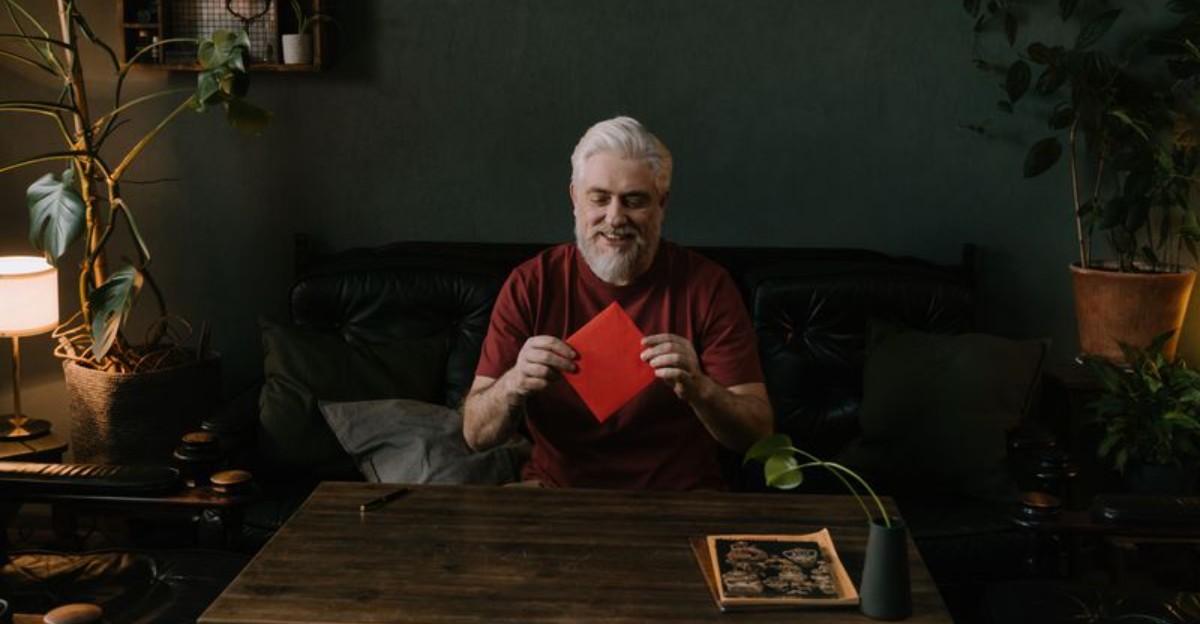
Every generation leaves behind its own set of habits, traditions, and everyday tools. Baby Boomers, born between 1946 and 1964, grew up in a world without smartphones, streaming services, or GPS navigation.
Many of the routines they built their lives around are slowly disappearing as technology changes the way we live. Some of these fading habits might surprise you, and others might make you feel a little nostalgic.
1. Paper Checks

Before online banking became second nature, writing a check was just part of adulting.
Baby Boomers grew up filling out paper checks for everything from rent to birthday gifts.
The ritual of tearing one out of the booklet and mailing it off felt perfectly normal.
Today, younger generations use apps like Venmo, Zelle, and PayPal to send money in seconds.
Many banks now charge fees just to keep a checkbook on file.
Some businesses have stopped accepting checks altogether, calling them outdated and slow.
For Boomers, though, a check still feels reliable and official.
It leaves a paper trail and requires no Wi-Fi.
As this generation ages, paper checks will likely become a rare sight.
2. Printed Newspapers
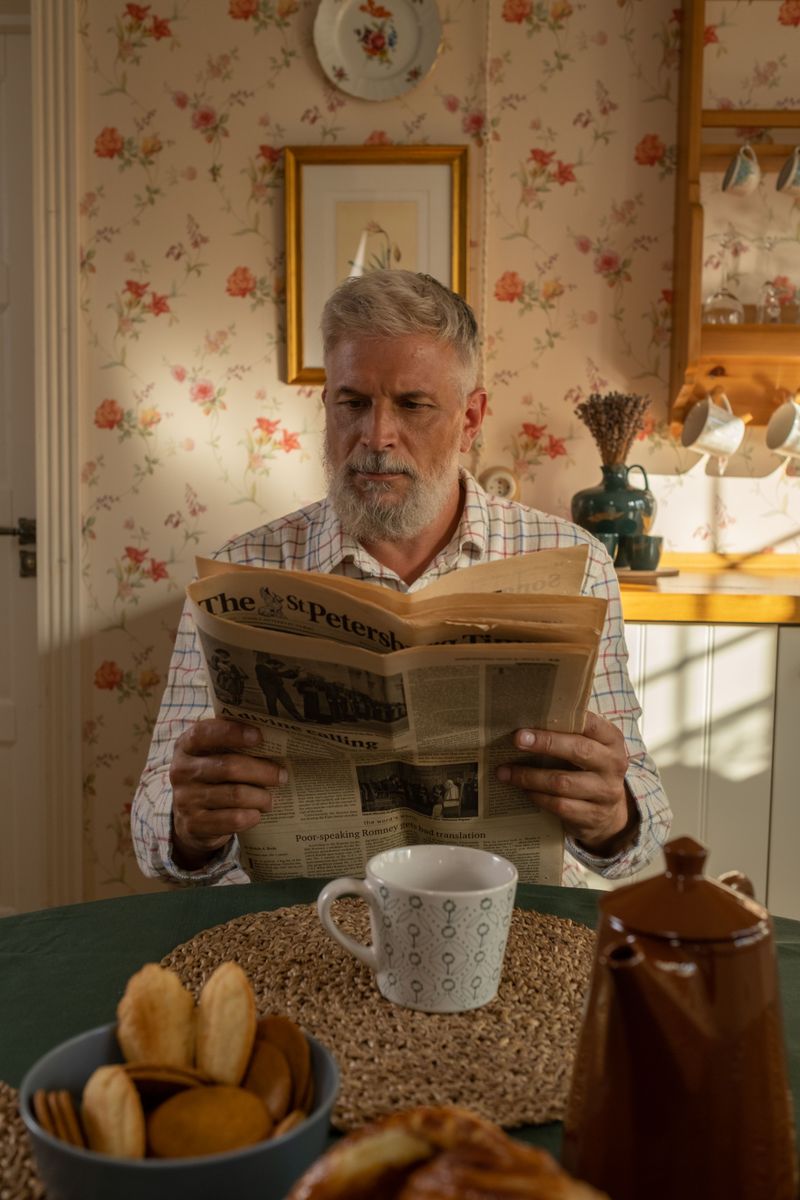
There was a time when the thud of a newspaper hitting the front porch meant the day had officially begun.
For Baby Boomers, the morning paper was more than news.
It was a daily ritual tied to breakfast, quiet mornings, and a sense of staying connected to the world.
Print circulation has dropped sharply over the past two decades, with most readers migrating to news websites and social media feeds.
Many major newspapers have cut their print editions entirely or moved to a digital-only format.
Older readers still prefer holding the physical paper, flipping through sections, and clipping coupons or articles.
Once this generation steps back from daily routines, printed newspapers may quietly disappear from doorsteps for good.
3. Landline Phones
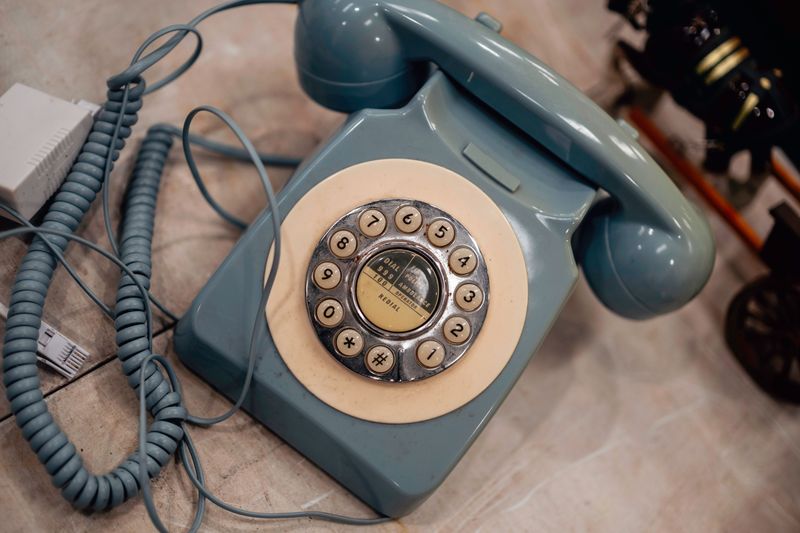
Ask any Baby Boomer about their childhood phone number and there is a good chance they still remember it by heart.
Landlines were the lifeline of the home for decades, anchoring families together through one shared number and one shared phone.
Today, fewer than 30 percent of American households still keep a landline, and that number keeps dropping.
Younger people rely entirely on cell phones, making the idea of a home telephone feel almost quaint.
Boomers often kept landlines for safety reasons, clearer call quality, or simply out of habit.
Some still feel uneasy relying on a cell signal during emergencies.
When this generation moves on, the familiar sound of a ringing home phone may fade into silence permanently.
4. Paper Maps and Road Atlases
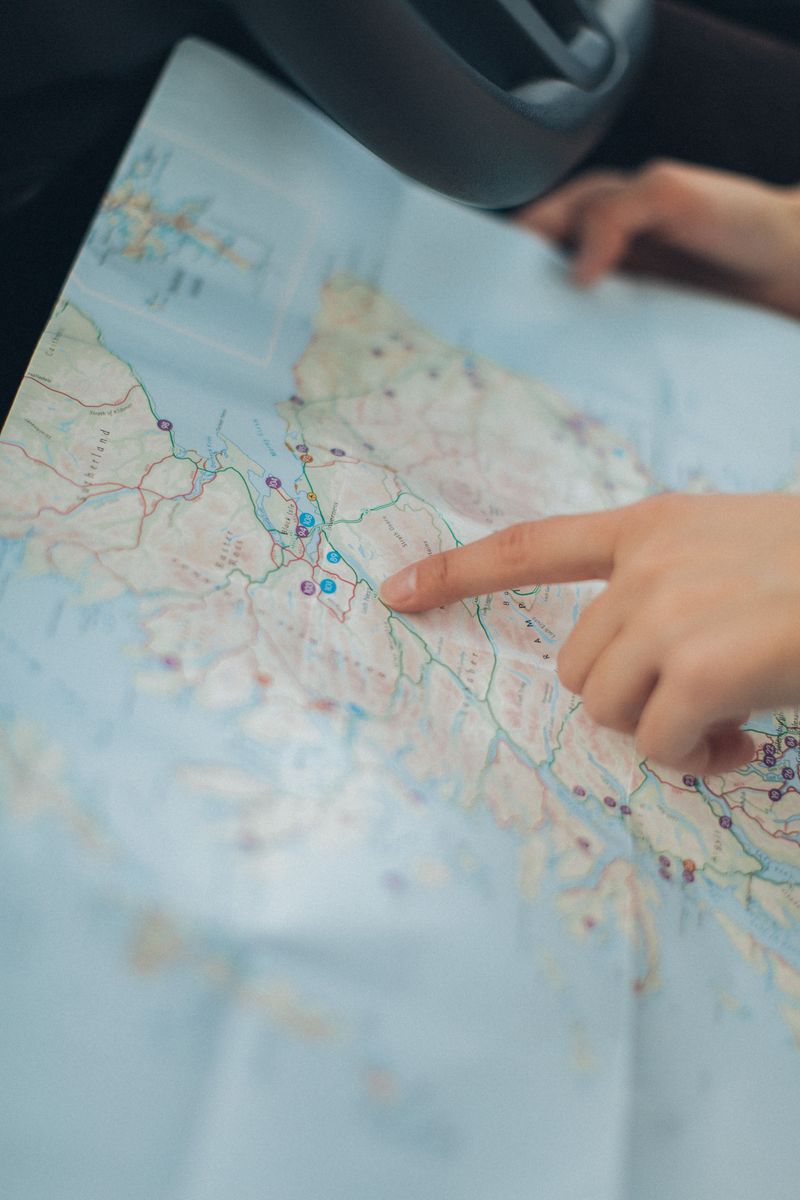
Road trips looked very different before GPS.
Baby Boomers planned cross-country drives by spreading a massive road atlas across the hood of the car, tracing highways with their fingers and arguing about the best route.
It was part adventure, part puzzle.
Gas stations used to sell folded paper maps for a dollar or two, and glove compartments were stuffed with them.
Now those same stations mostly sell phone chargers.
Google Maps and Apple Maps have made printed navigation feel unnecessary to most drivers.
Still, many Boomers trust a paper map more than a screen that can lose signal in the middle of nowhere.
That tactile confidence in a printed page is a skill that younger generations rarely develop anymore.
5. Cable TV Packages

Saturday morning cartoons, must-see TV nights, and flipping through 200 channels looking for something good – cable television shaped how Baby Boomers experienced entertainment for most of their lives.
The big cable bundle was practically a household staple.
Streaming services like Netflix, Hulu, and Disney+ have flipped that model upside down.
Younger viewers watch what they want, when they want, without sitting through commercials or paying for 150 channels they never use.
Boomers, however, often stick with cable out of familiarity, brand loyalty, or a love of live sports and local news.
Millions still pay for traditional packages that younger people find baffling.
As this generation moves away from those habits, cable companies may finally be forced to rethink everything.
6. Handwritten Letters
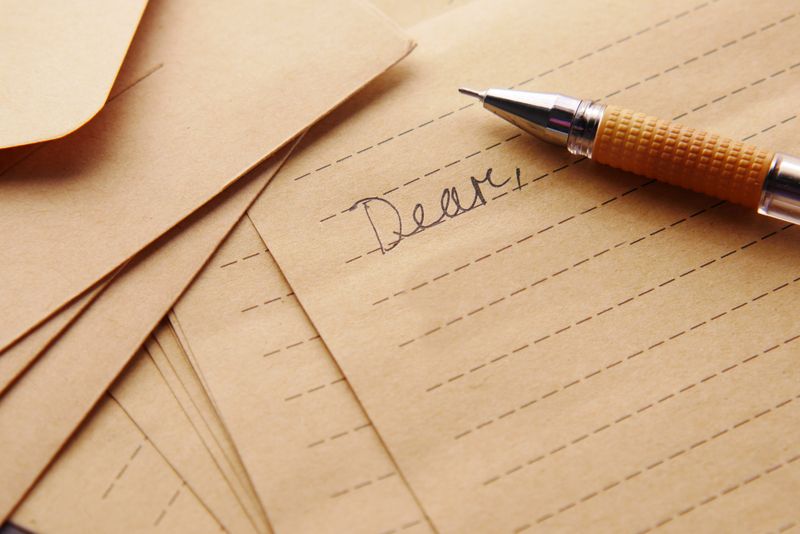
Getting a handwritten letter in the mail used to feel like a small celebration.
Baby Boomers grew up exchanging long, personal notes with friends, pen pals, and family members who lived far away.
Each letter carried personality in the loops and curves of the handwriting itself.
Email killed the habit for most people, and texting finished the job.
Writing by hand now feels slow and almost formal compared to firing off a message in seconds.
Many younger people admit their handwriting has gotten worse simply from lack of practice.
Boomers still value the weight of a handwritten note.
Many keep letters received decades ago in shoeboxes or drawers.
When this generation is gone, that quiet, meaningful tradition of putting pen to paper may go with them.
7. Physical Photo Albums
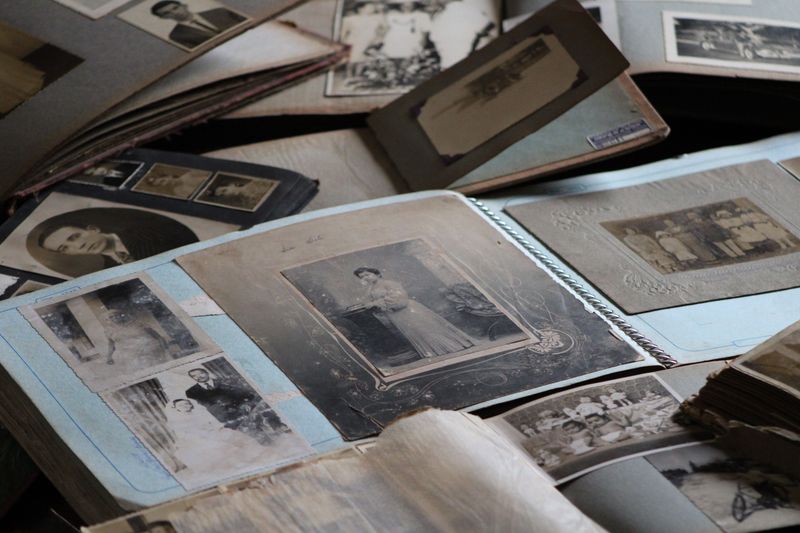
Flip open a Baby Boomer’s photo album and you will find birthdays, beach trips, and awkward school portraits all carefully slid behind plastic sleeves.
Printing photos and arranging them was a labor of love that turned memories into something you could actually hold.
Digital cameras and smartphones changed everything.
Most people today have thousands of photos stored on their phones that they rarely look at and almost never print.
Cloud storage has replaced the shoebox of printed pictures under the bed.
There is something irreplaceable about turning real pages and seeing a glossy photograph.
Boomers often say digital images feel less permanent, less real.
As printing habits fade along with this generation, the physical photo album may become a true collector’s item rather than a family staple.
8. Fine China and Formal Dinnerware
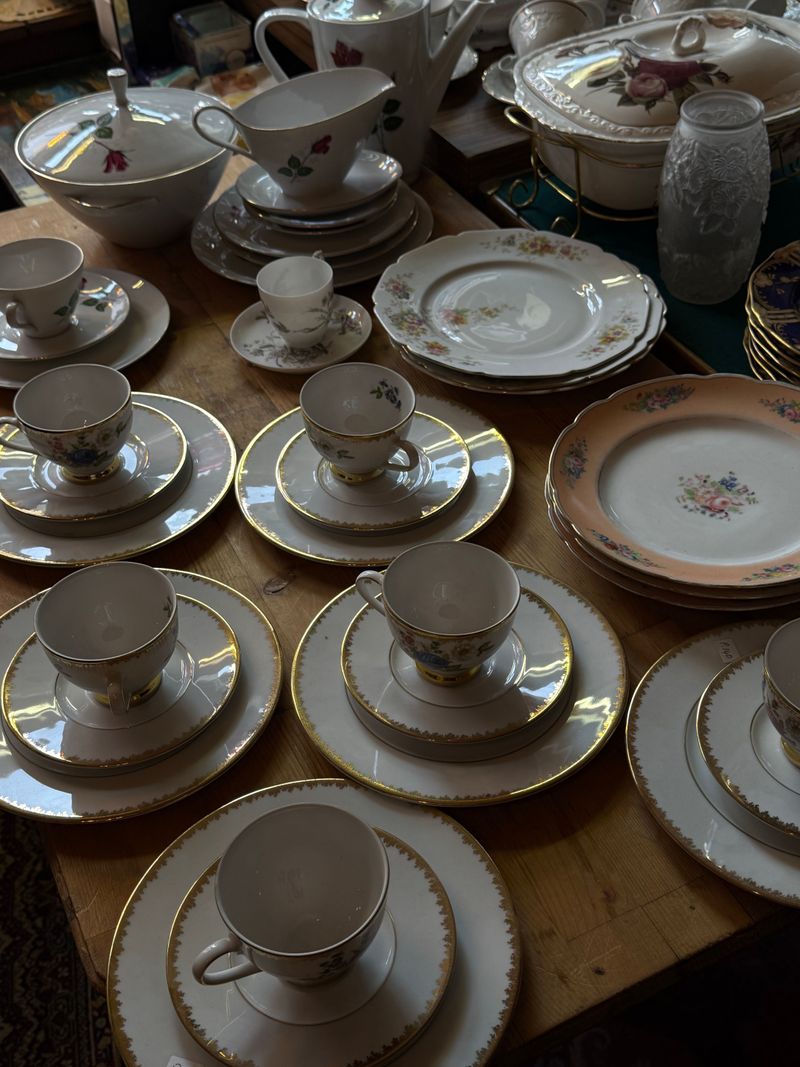
Many Baby Boomers received a set of fine china as a wedding gift and then spent decades protecting it in a special cabinet, bringing it out only for Thanksgiving or Christmas dinner.
The formal table setting was a symbol of care, hospitality, and celebration.
Younger generations tend to skip the china entirely, preferring casual dishware or mismatched sets that work in a dishwasher.
Registering for fine china at weddings has dropped dramatically, and estate sales are now filled with untouched sets that nobody seems to want.
For Boomers, pulling out the good dishes meant the occasion mattered.
It was a way of honoring guests.
As that value fades from everyday culture, formal dinnerware may become more of a museum piece than a dinner table staple.
9. Collecting Physical Keepsakes
Baby Boomers are world-class keepers of stuff.
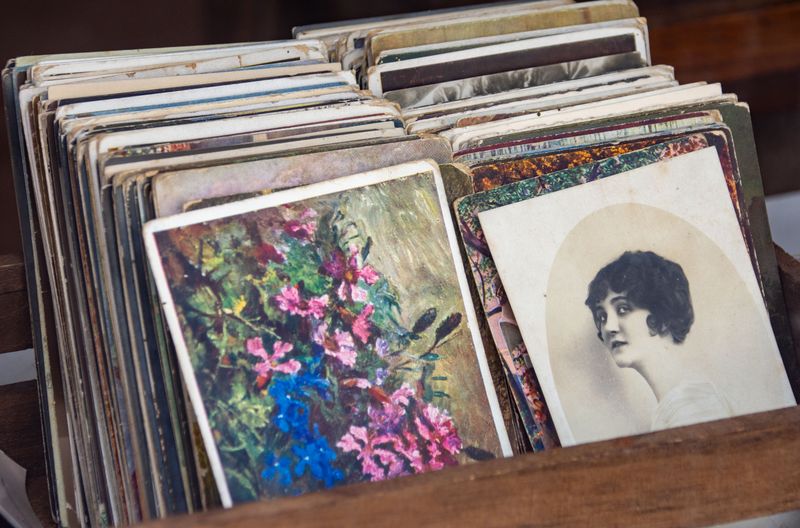
Ticket stubs from concerts in 1975, birthday cards from relatives long gone, newspaper clippings about moon landings – these small paper treasures got tucked into boxes, drawers, and scrapbooks with quiet devotion.
Saving physical mementos was a way of honoring experiences and relationships.
It made the past feel touchable.
Younger generations tend to screenshot moments instead, storing memories in phone folders that may never be revisited.
There is something deeply human about holding an old postcard and reading the handwriting on the back.
Boomers built personal archives out of these small, meaningful scraps of life.
As digital habits take over, the art of collecting physical keepsakes may slowly disappear, leaving future generations with folders full of files instead of boxes full of memories.