 MomSkoop

Washing your hair seems simple, but small choices in the shower can change how your hair looks and feels all week. Some everyday habits can leave your scalp dry, your strands tangled, or your roots greasy too fast.
The good news is that most fixes are quick and free. Take a look at these common slip-ups and see if any sound familiar.
1. Washing with very hot water
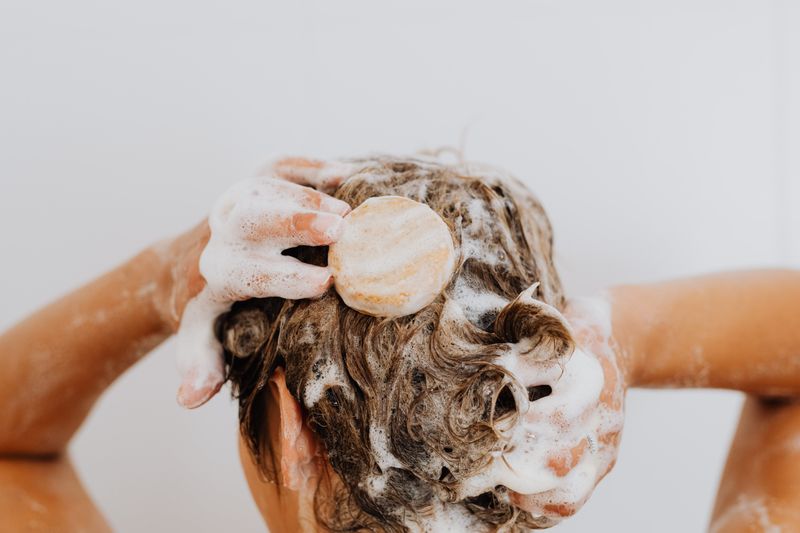
A steaming shower feels like a hug on a cold morning, but your scalp may not agree.
Very hot water can strip away the natural oils that keep skin and hair comfortable.
When those oils disappear, the scalp can feel tight and dry.
Hair may also look dull and feel rough to the touch.
Try turning the dial down to warm or lukewarm while you shampoo and rinse.
Warm water still removes dirt and product without being so harsh.
Some people finish with a quick cool splash to help hair feel smoother.
It may take a few days to get used to the change, but your scalp will likely thank you with less tightness and a softer feel.
2. Piling on too much shampoo
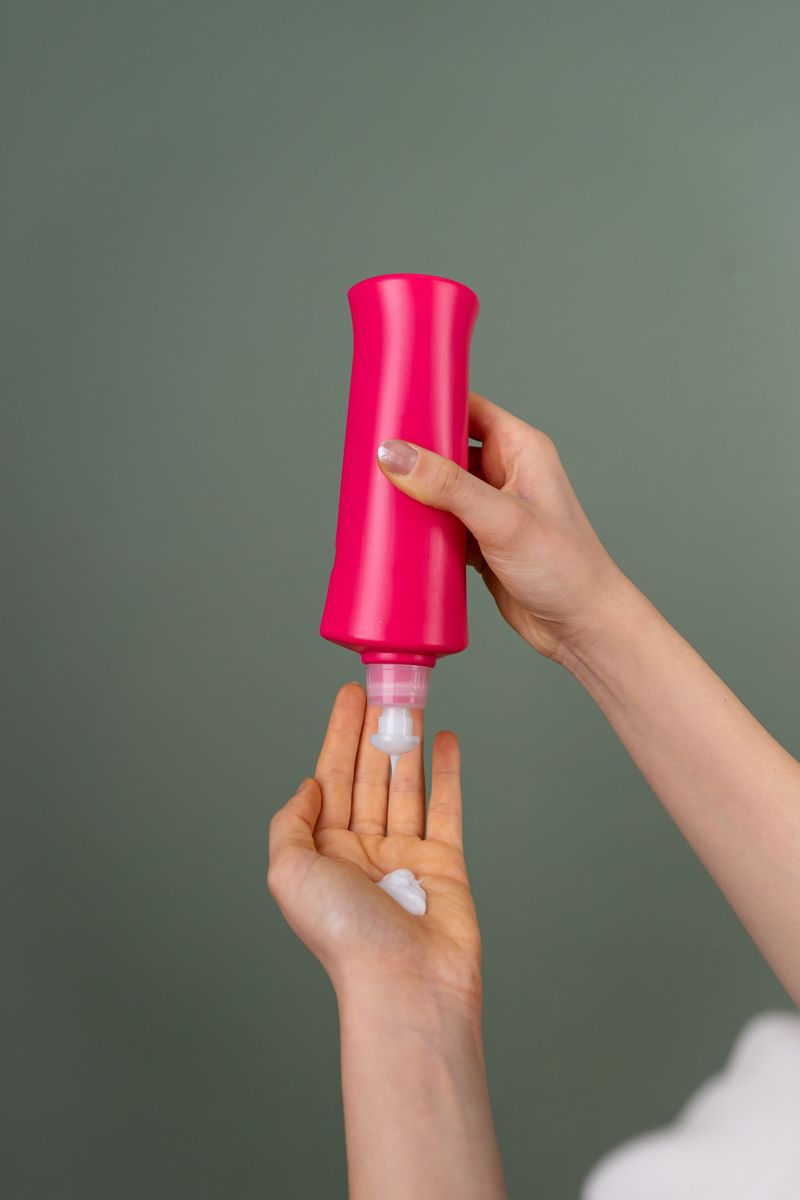
Here is a surprise: a giant pile of foam does not mean cleaner hair.
Lather is mostly about how the shampoo is made, not how well it works.
Using too much can leave hair feeling squeaky and can make rinsing take much longer.
Extra product may stay behind and weigh your strands down.
A coin-sized amount is often enough for short or medium hair, and a bit more for very thick or long hair.
Add a splash of water to the shampoo in your palm so it spreads easily.
If your hair still feels oily after the first wash, you can always do a second small round instead of starting with a huge amount.
3. Shampooing the whole length
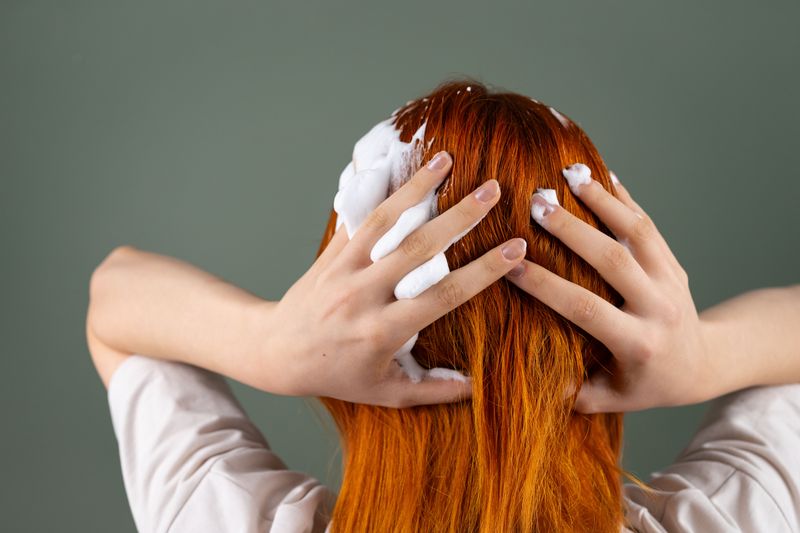
Think of your scalp as the part of your head that does the sweating and oil making.
That is where the real cleaning job is, so that is where shampoo belongs.
The lengths of your hair are older and drier, so scrubbing them with shampoo can leave them feeling straw-like.
As you rinse, the suds slide down and clean the ends gently enough.
Focus your fingers on the roots, behind the ears, and at the nape of the neck.
Let the foam travel down on its own.
If your ends are especially dirty from styling products, you can give them a light squeeze, but skip the heavy scrubbing.
4. Scrubbing with your nails
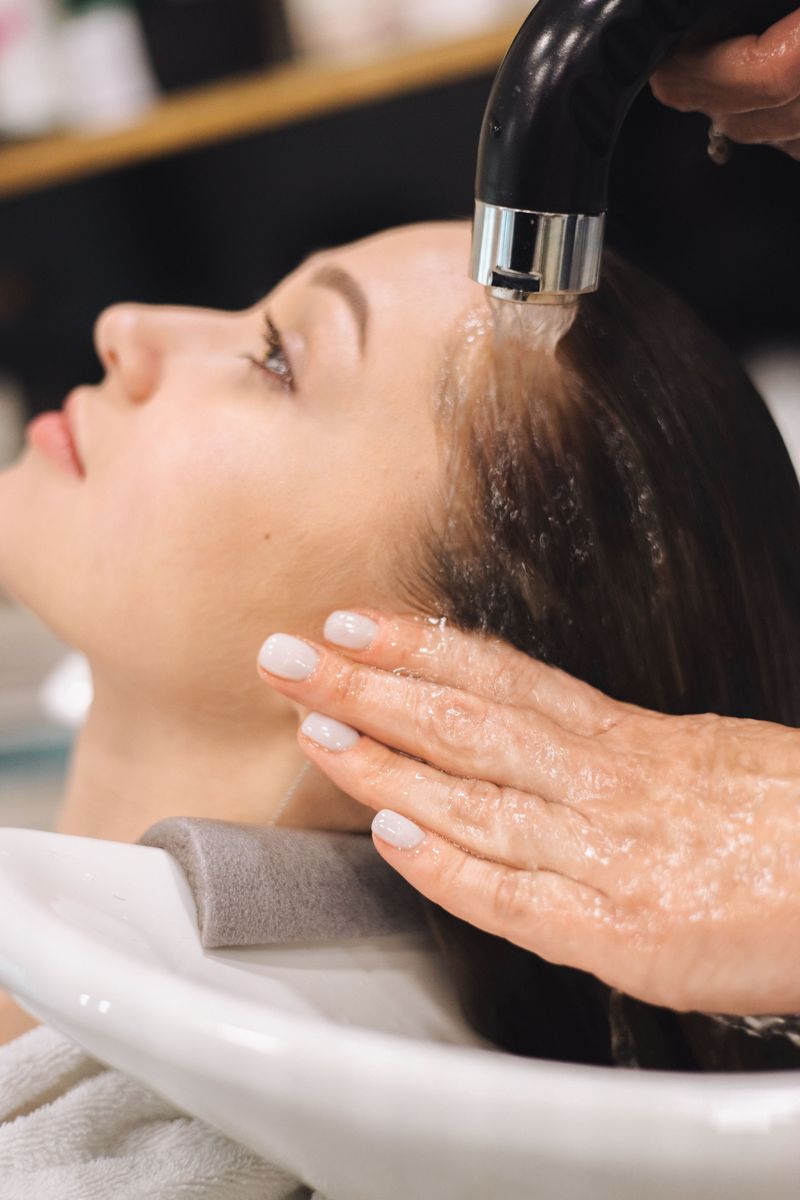
Ever get that urge to dig in and scratch away at your head during a shampoo?
It may feel satisfying, but nails can leave tiny scrapes and irritation on the scalp.
Irritated skin can become red, sore, or flaky, which is the opposite of what you want.
Sharp scratching can also make an itchy scalp feel worse.
Switch to the soft pads of your fingertips instead.
Use small circles and steady pressure, like you are giving yourself a tiny massage.
This lifts dirt and oil well and can feel relaxing too.
A gentle touch cleans just as well, and your scalp stays calmer afterward.
5. Skipping a thorough rinse
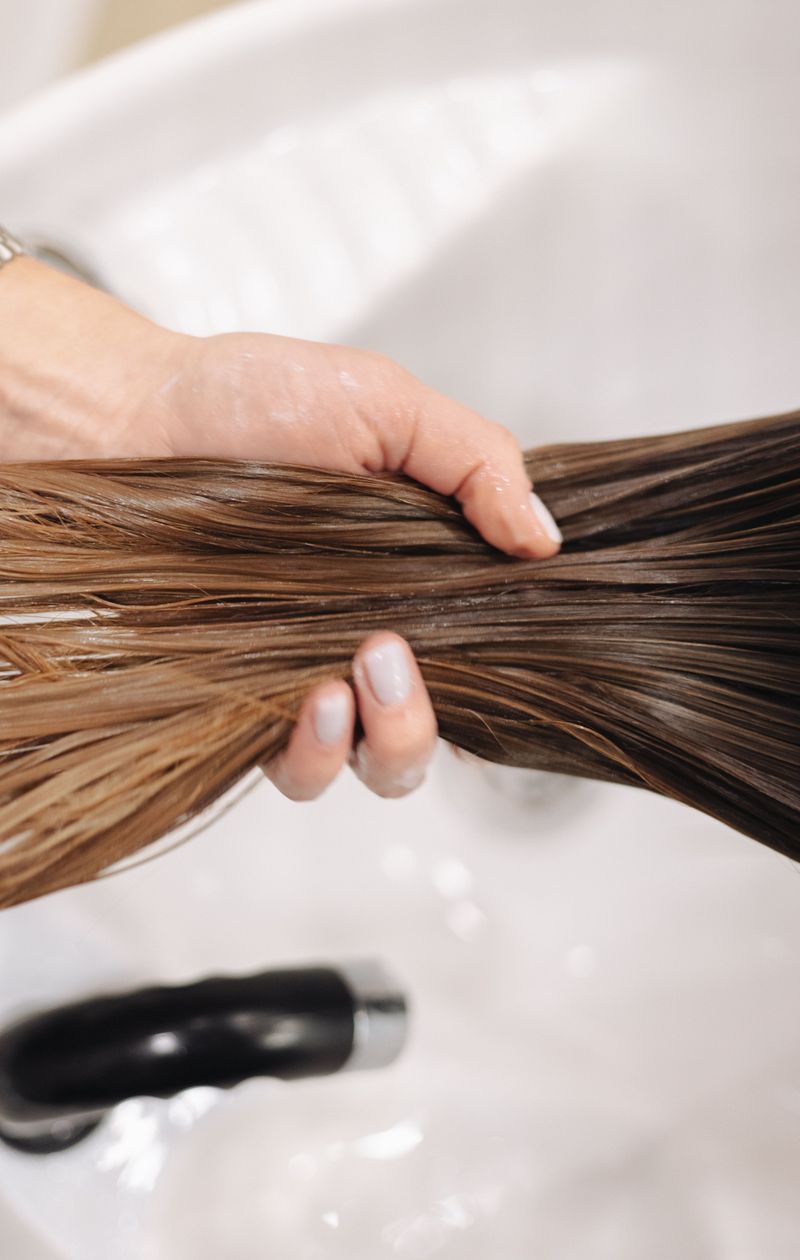
Picture a sweater that never got fully rinsed of soap.
Hair can act the same way when shampoo or conditioner stays behind.
Leftover product can build up on the scalp and strands.
Over time, hair may feel sticky, limp, or heavy, and the scalp can get itchy.
Give yourself extra rinse time, especially if your hair is thick or long.
Run your fingers through the roots, behind the ears, and along the hairline to make sure no slippery feeling remains.
A good rule is to rinse until the water runs clear and the hair feels light and squeaky-smooth.
Spending an extra minute here can make a big difference in how your hair behaves.
6. Putting conditioner on the roots

Roots already make their own natural oil, so they rarely need extra help.
Adding a creamy conditioner right at the scalp can be like putting a heavy coat on a warm day.
For many hair types, this weighs the roots down and makes hair look flat or greasy sooner than expected.
It can also leave the scalp feeling coated.
Start applying conditioner around the ears or mid-length and work down to the ends, where hair is driest.
Comb it through with your fingers or a wide-tooth comb to spread it evenly.
Very dry or curly hair may handle a bit closer to the roots, so adjust based on what your hair tells you.
7. Washing too often for your hair type
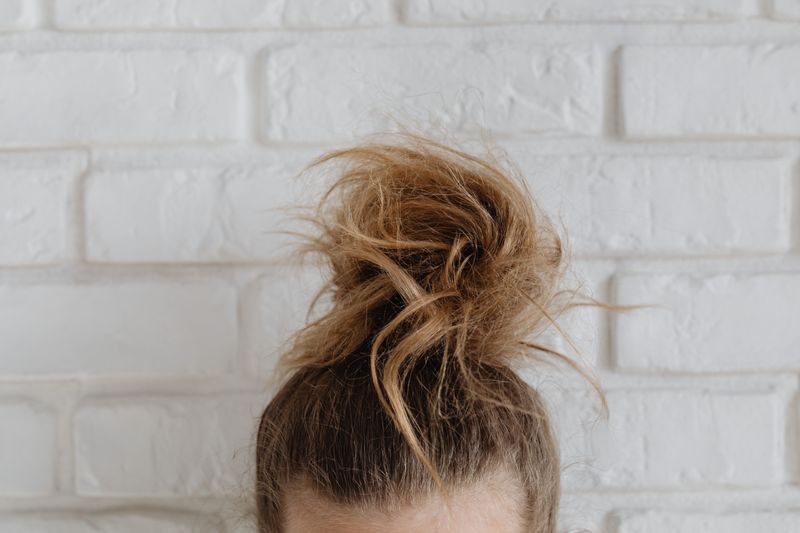
Daily washing is a habit many people pick up without asking whether their hair actually wants it.
Some hair types, especially dry, curly, or coily hair, can feel parched when washed too often.
Frequent cleansing may also leave the scalp feeling tight, itchy, or irritated for some people.
Pay attention to how your hair feels by the second or third day.
If it still looks fresh and the scalp feels comfortable, you may be able to stretch the time between washes.
Oily scalps might need more regular cleaning, and that is perfectly fine.
The goal is finding the schedule that suits your own hair, not anyone else’s.
8. Waiting too long between washes

Skipping washes can sound like a hair-care win, until your scalp starts to complain.
Oil, sweat, dust, and leftover styling products slowly pile up when cleansing waits too long.
That buildup can lead to itching, flaking, and hair that looks flat or feels weighed down.
If you sweat a lot or use sprays and gels, it can happen faster.
Listen to your scalp.
If it feels itchy, smells stale, or looks greasy, it is probably asking for a wash.
Active people and those in humid places may need to shampoo more often than they expect.
Balance is the goal, so wash when your scalp truly needs it.
9. Roughly towel-drying wet hair

Right after a shower, hair is at its most fragile, a bit like a wet paper towel that tears easily.
Rubbing it hard with a rough towel can create tangles and snap strands.
The friction also roughs up the outer layer of each hair, which can lead to frizz and split ends over time.
Try gently squeezing water out with a soft towel or an old cotton T-shirt instead.
Wrap it around your hair for a few minutes, then comb with a wide-tooth comb starting at the ends.
Working slowly upward keeps knots from turning into breakage.
Your hair will look smoother, and detangling becomes much easier.