 MomSkoop
Walking into a beautifully designed home feels effortless, but getting there isn’t magic—it’s about smart, intentional choices. Professional designers have a trained eye for spotting what’s working and what’s not, and they know exactly which tweaks will make the biggest difference.
Most of these changes don’t require a full renovation or a huge budget, just a willingness to rethink how your space is put together.
1. Declutter and Edit Ruthlessly

Every item in your home should serve a purpose or bring you joy.
Designers walk into a room and immediately spot what doesn’t belong—the stack of magazines nobody reads, the decorative bowl collecting dust, or the extra chair that makes the space feel cramped.
Removing these distractions creates breathing room and lets the pieces you love shine.
Start by clearing surfaces like countertops, coffee tables, and shelves.
Keep only what you use daily or what adds real beauty to the space.
Store seasonal items, donate duplicates, and toss anything broken or outdated.
Less clutter means your eye can focus on the furniture, art, and architecture instead of visual noise.
Your home will instantly feel calmer, larger, and more intentional.
2. Fix the Lighting
Harsh overhead lights are one of the biggest design mistakes in most homes.
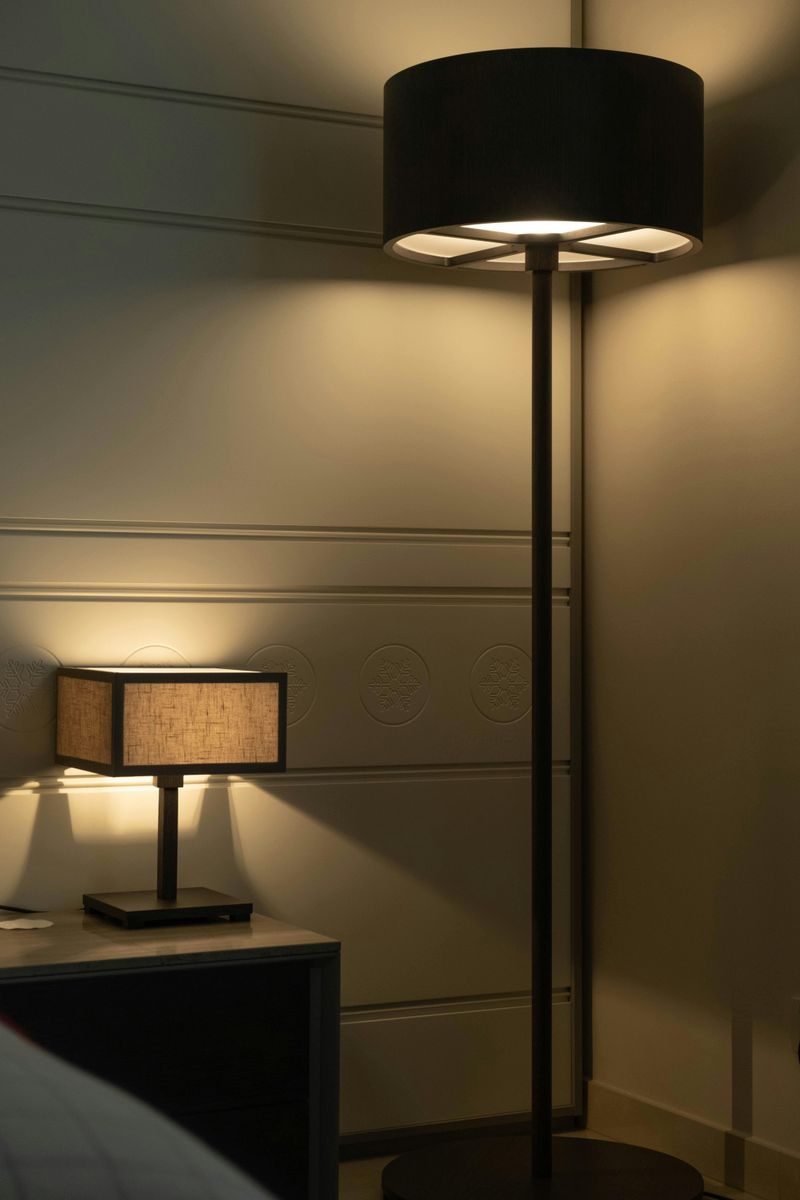
Designers know that lighting should be layered, with multiple sources at different heights creating warmth and depth.
A single ceiling fixture can’t do that job alone.
Add table lamps, floor lamps, and sconces to create pools of light throughout the room.
Use warm bulbs instead of cool white ones—they make spaces feel cozy and inviting.
Dimmer switches give you control over mood and brightness.
Proper lighting transforms how a room looks and feels.
Shadows disappear, colors appear richer, and everything suddenly looks more polished.
Good lighting is like flattering makeup for your home—it highlights the best features and hides imperfections beautifully.
3. Rearrange the Furniture
Most people push furniture against walls, thinking it saves space.
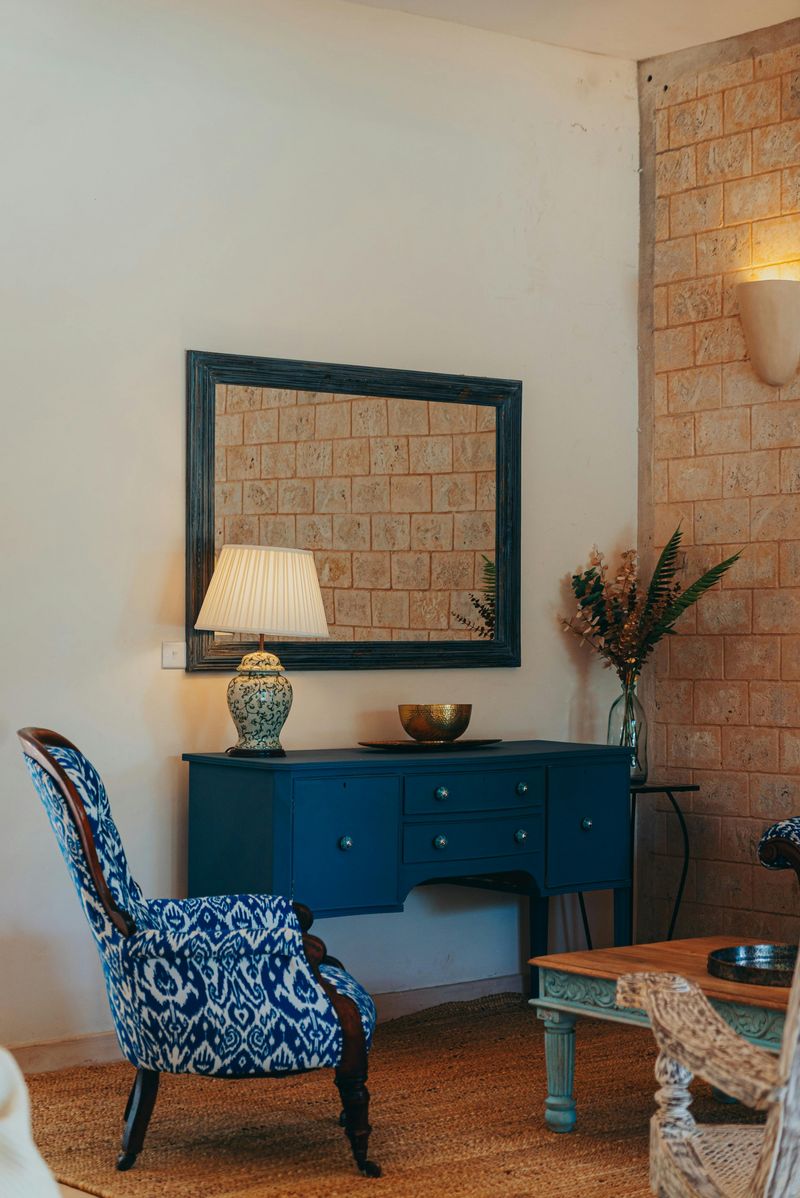
Designers do the opposite—they pull pieces away from walls to create better flow and conversation areas.
This simple shift makes rooms feel more intimate and functional.
Arrange seating so people can easily talk without shouting across the room.
Create pathways that are at least three feet wide for comfortable movement.
Angle chairs slightly toward each other instead of lining them up like a waiting room.
Furniture placement affects how you use and enjoy a space.
When pieces are arranged thoughtfully, rooms feel purposeful and welcoming.
You’ll notice the difference immediately—suddenly your living room actually invites you to sit and stay awhile.
4. Create a Cohesive Color Palette
Random colors scattered throughout a room create visual chaos.
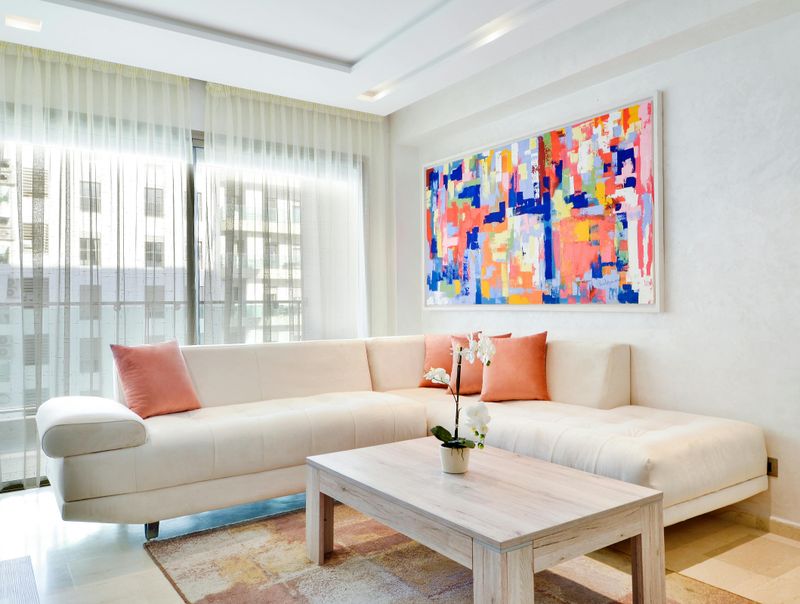
Designers pick a tight palette—usually three to five colors—and repeat them intentionally across pillows, art, rugs, and accessories.
This creates harmony and makes everything feel connected.
Start by choosing a neutral base like white, gray, or beige.
Add one or two accent colors that you love and that work well together.
Use different shades and tones of those colors for variety without losing cohesion.
A unified color scheme makes your home look professionally designed.
Rooms feel calmer and more sophisticated when colors relate to each other.
You can still have personality and style—it just looks intentional instead of accidental.
5. Upgrade Window Treatments
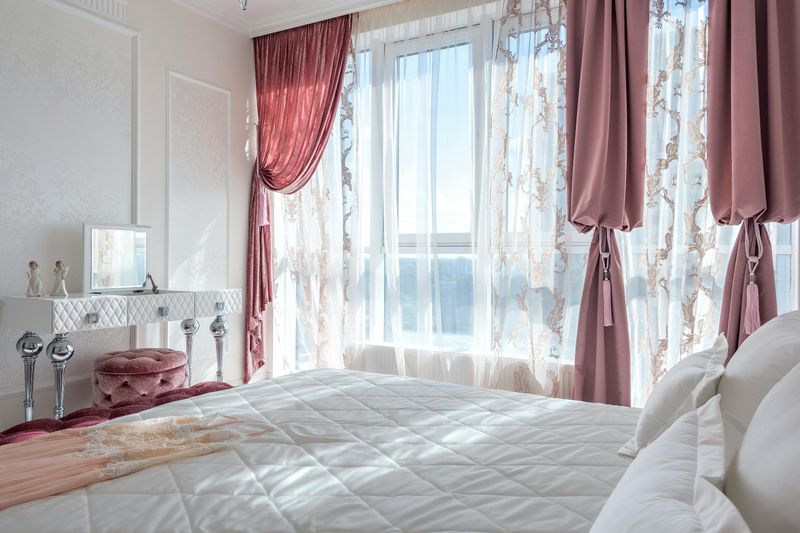
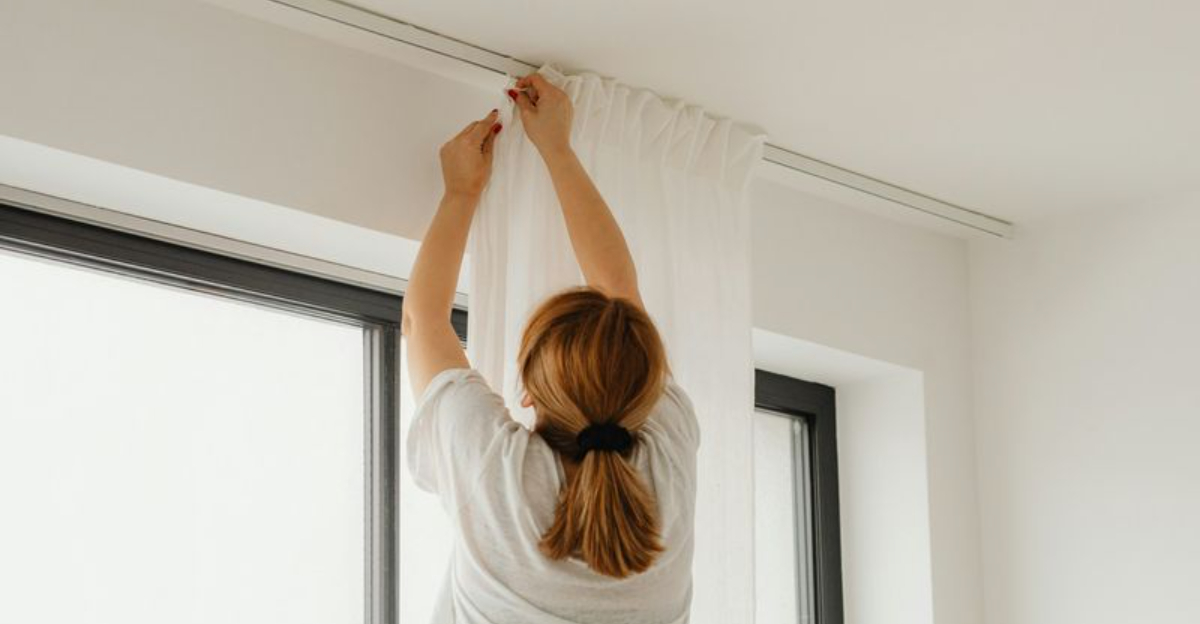
Short, thin, or outdated curtains instantly cheapen a room.
Designers hang drapes high—near the ceiling—and wide, extending several inches beyond the window frame.
This makes ceilings look taller and windows appear larger.
Choose fuller panels that puddle slightly on the floor or just skim it.
Avoid skimpy curtains that barely cover the glass.
Opt for neutral colors or subtle patterns that won’t date quickly.
Proper window treatments frame your view like artwork and add softness to hard architectural elements.
They control light beautifully and provide privacy without blocking natural brightness.
This single upgrade can make a room look thousands of dollars more expensive than it actually is.
6. Add Proper Scale
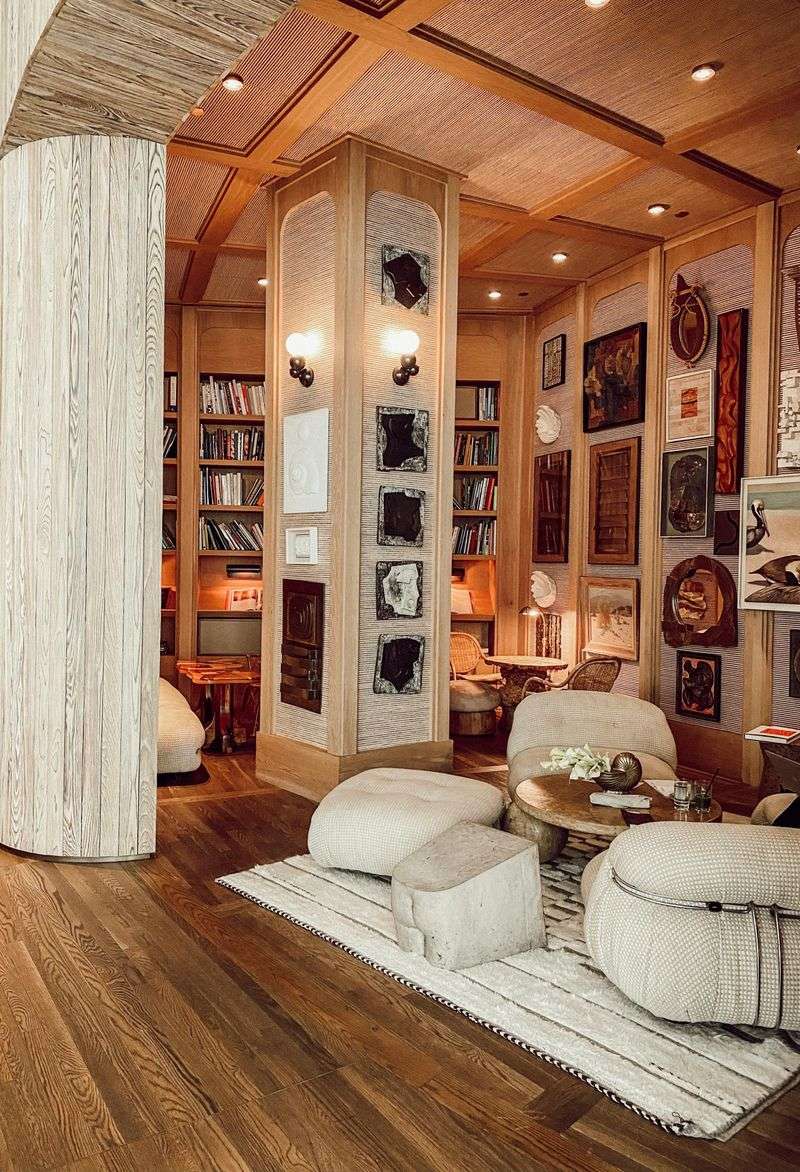
Tiny rugs, undersized art, and furniture that’s too small make rooms feel awkward and unfinished.
Designers understand proportion—they choose pieces that fit the scale of the space.
A large sofa needs a substantial coffee table, not a tiny side table pretending to do the job.
Rugs should be big enough that all furniture legs sit on them, or at least the front legs.
Artwork should fill the wall appropriately—not float like a postage stamp.
Lamps should be tall enough to light properly.
When everything is the right size, rooms feel balanced and complete.
Proper scale makes furniture look expensive and intentional.
It’s not about filling space—it’s about choosing pieces that belong together visually.
7. Introduce Texture
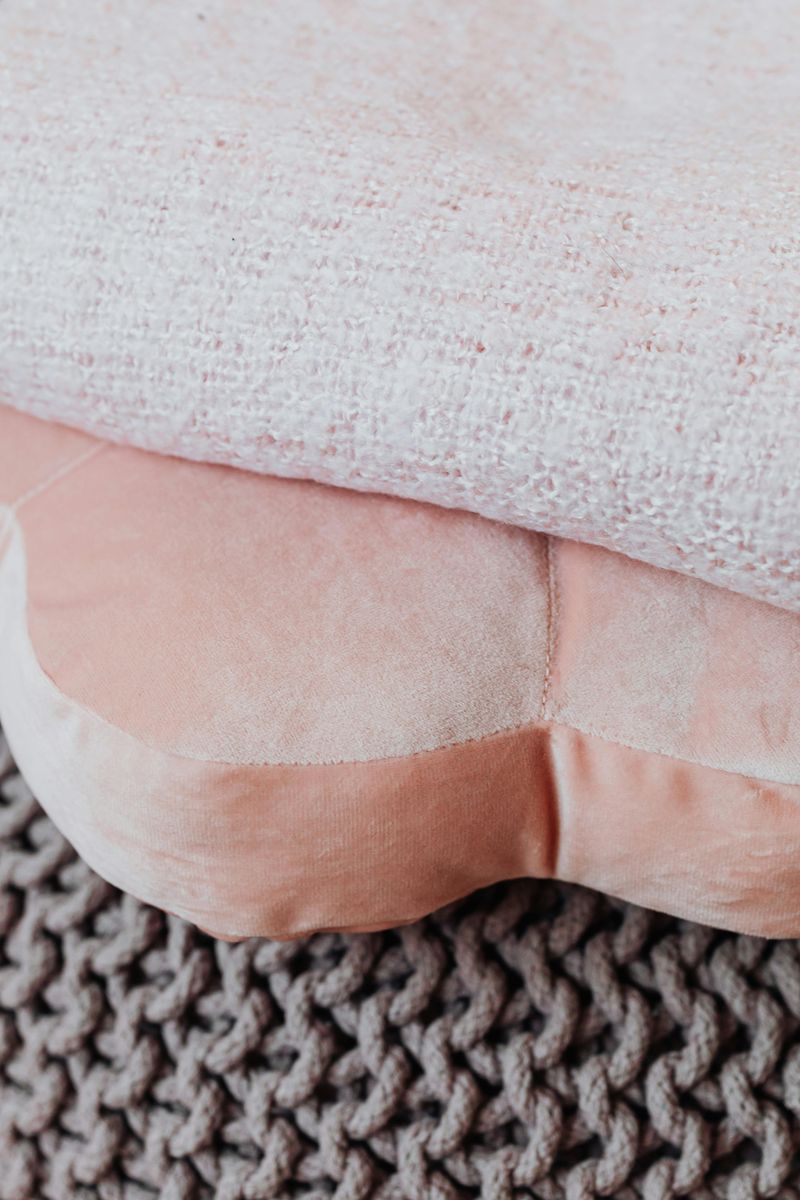
Flat, one-note rooms feel sterile and boring.
Designers layer textures—wood, stone, linen, wool, leather, metal—to add depth and visual interest.
Mixing materials makes spaces feel rich and collected over time rather than bought all at once from one store.
Combine smooth surfaces with rough ones.
Pair soft fabrics with hard finishes.
Add a chunky knit throw, a woven basket, or a velvet pillow to break up sameness.
Texture creates warmth and personality without adding color or pattern.
Your eye travels around the room, discovering new details.
Even neutral spaces feel exciting and inviting when textures are thoughtfully mixed.
It’s the secret ingredient that makes designer rooms feel so much more interesting than average ones.
8. Replace Generic Hardware

Builder-grade drawer pulls, knobs, and faucets scream budget.
Designers swap these out for upgraded hardware that adds instant polish and personality.
This small change makes cabinets, doors, and fixtures look custom and expensive.
Choose finishes that coordinate throughout your home—brass, matte black, brushed nickel, or oil-rubbed bronze.
Match the style to your decor—modern, traditional, or transitional.
Hardware doesn’t have to match exactly, but it should feel cohesive.
Upgrading hardware is affordable and DIY-friendly, yet the impact is huge.
Kitchens and bathrooms especially benefit from this simple swap.
Quality hardware feels substantial in your hand and elevates everyday moments like opening a drawer or turning on a faucet.
9. Style with Intention
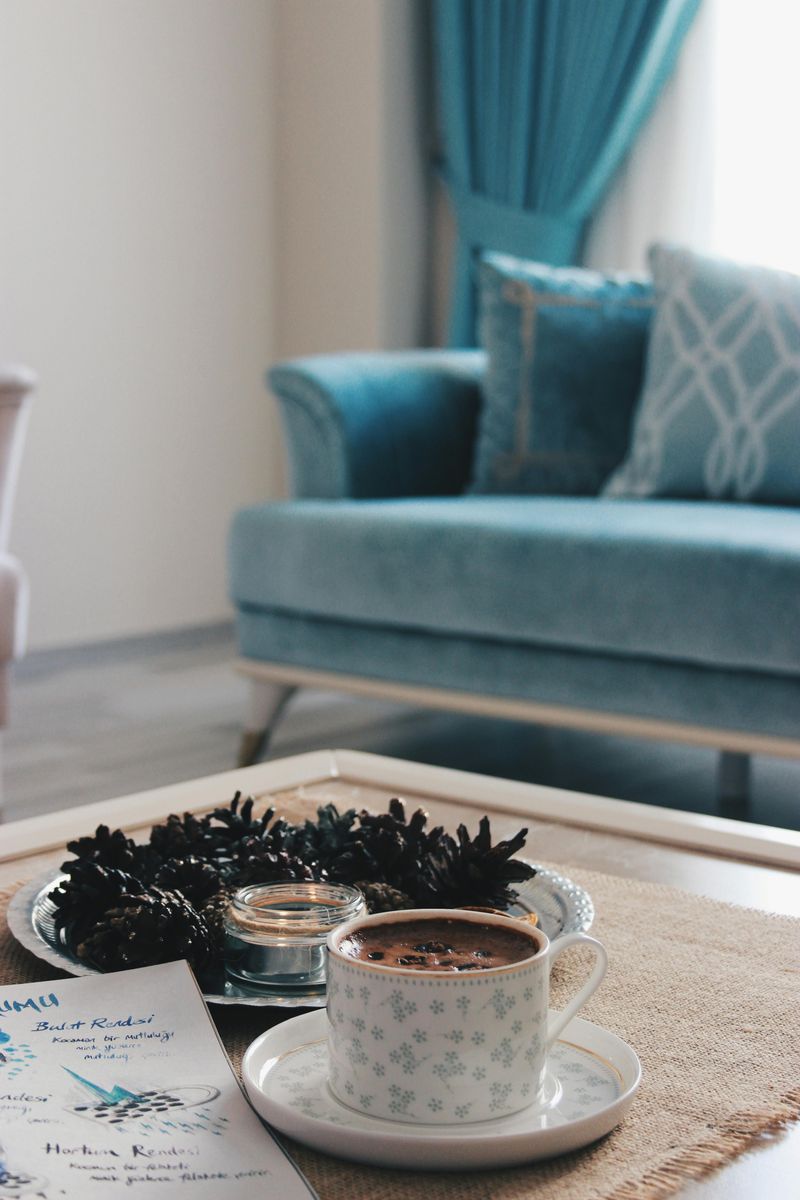
Random accessories scattered everywhere look messy and unplanned.
Designers group items in odd numbers—three or five—and vary heights for visual interest.
They edit constantly, removing anything that doesn’t contribute to the overall look.
Use trays to corral small items on counters and coffee tables.
Stack books, add a small plant, and place a decorative object on top.
Leave some surfaces completely clear for breathing room.
Intentional styling makes your home look magazine-ready without feeling fussy.
Each vignette tells a small story and draws the eye.
Accessories should enhance your space, not overwhelm it.
When everything has a purpose and a place, your home feels curated, calm, and completely pulled together.