 MomSkoop

The phrase “thank you” is one of the first social lessons many kids learn, yet adults often forget to say it about everyday effort. I find that funny, since it costs nothing and takes about one second. Words stick around longer than we expect. A single sentence from a teacher, friend, partner, or parent can echo for years, sometimes decades, in the best possible way.
That is the part that interests me most about this topic. The phrases that land hardest are rarely fancy, and they usually have little to do with looks or outfits. So which simple lines carry real weight across a lifetime? The list below gathers nine of them, along with easy ways to say them so they sound like you and not like a greeting card.
1. I Appreciate All You Do
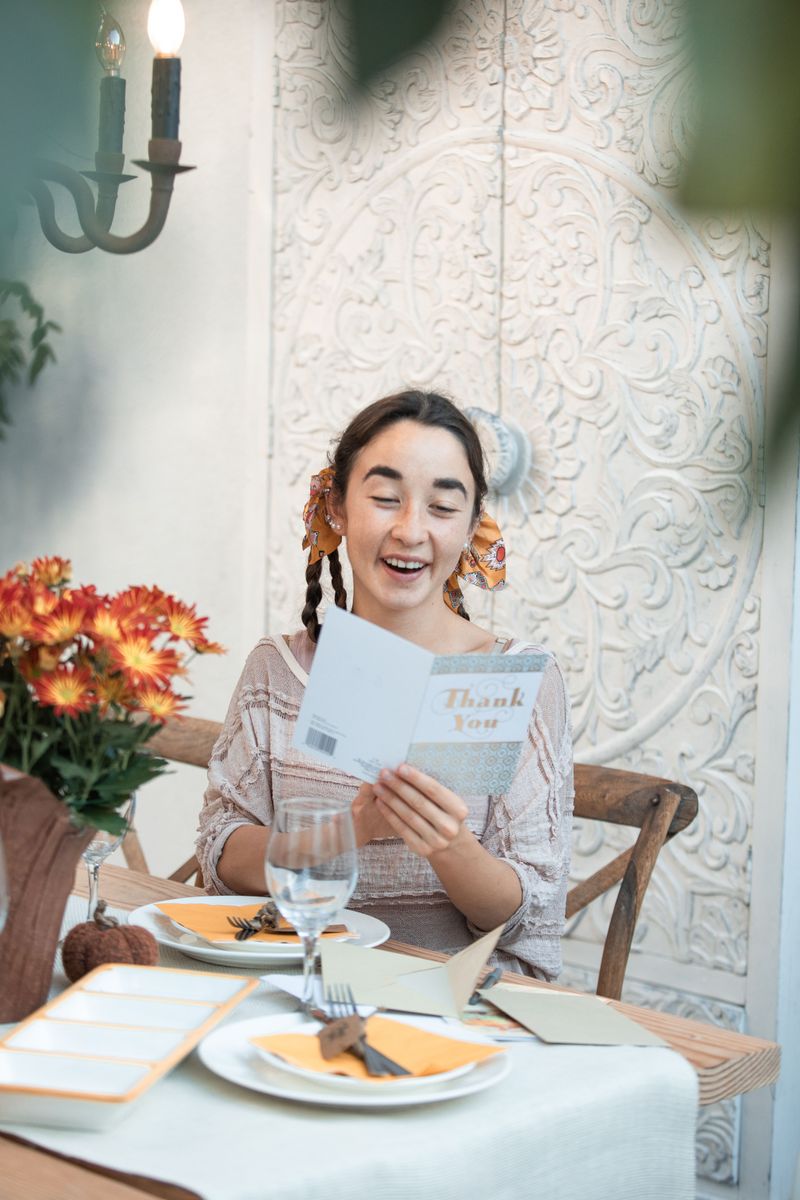
Somebody remembered the dentist appointment, bought more toothpaste, and answered the work email at 9 p.m.
Odds are good that nobody noticed.
A lot of daily effort works like plumbing, because people only see it when it stops.
Saying “I appreciate all you do” brings that hidden work into view.
It tells a woman that her effort registers, even the boring parts.
The phrase gets much stronger when you add a detail.
Try “Thanks for handling the school forms this week” or “I noticed you covered that shift for me.” Specific thanks proves you were paying attention and not just being polite.
Timing matters too, though there is no perfect moment.
A quick text in the middle of a hectic day can mean as much as a speech at dinner.
Appreciation also works best as a habit rather than a rare event.
If thanks only shows up on birthdays and Mother’s Day, it can feel like a scheduled ritual.
Mix it into regular life instead.
Coworkers, sisters, roommates, and grandmothers all handle tasks that keep things running smoothly.
A sentence of gratitude is free, quick, and far more memorable than you might guess.
2. Your Perspective Really Matters

Few things feel worse than sharing an idea in a meeting, getting silence, and then hearing a coworker repeat it ten minutes later to applause.
Plenty of women can tell you exactly how that moment feels.
The fix starts with a short sentence.
“Your perspective really matters” tells someone her thinking carries weight.
It shifts attention from how she looks to how she reasons, plans, and solves problems.
You can show this in action, not only in words.
Ask for her opinion before a decision gets made, not after.
When she raises a point, give credit by name, like “Building on what Maya said.”
At home, the same idea applies to big choices and small ones.
Moving apartments, picking a car, or planning a trip all go better when each voice actually shapes the outcome.
Young girls benefit from hearing this early.
Asking a daughter or niece what she thinks about a book, a movie, or a news story invites her to form opinions and defend them.
Respecting someone’s mind does not require agreeing with her on every point.
It simply means listening as if her view could change yours, because sometimes it should.
3. Your Resilience Inspires Me

Some battles happen loudly, but many happen quietly between a full workday and a sink full of dishes.
A woman might be caring for a sick parent, rebuilding after a breakup, or starting a career over at 45.
Often, nobody around her knows the full story.
“Your resilience inspires me” honors that hidden toughness.
It praises what she has done and survived, not what she happens to look like.
Keep this one sincere and grounded.
Saying “I saw how you handled that layoff, and I admire how you kept going” lands better than a vague pep talk.
Be careful not to turn strength into pressure.
Calling someone strong can accidentally suggest she should never struggle or ask for help.
So pair admiration with support.
A line like “You’re tough, and you also don’t have to carry this alone” leaves room for rest and honesty.
This kind of compliment ages well across a lifetime.
A teen who recovers from a hard season, a new mom running on little sleep, and a grandmother learning a smartphone all deserve to hear that their persistence got noticed.
4. I Notice How Thoughtful You Are

She remembered your dog’s name, your job interview date, and the fact that you hate cilantro.
That kind of memory does not happen by accident.
Thoughtfulness takes real mental effort, even when it looks easy.
Many women do a lot of this caring work for friends, families, and coworkers.
Sending birthday cards, checking in after bad news, and smoothing tense moments all count.
Telling her “I notice how thoughtful you are” recognizes that effort.
It turns invisible kindness into something seen and valued.
Again, details help. “You always know when I need a check-in text” says far more than “You’re nice.” It shows you understand the effort behind the gesture.
Returning the favor makes the words believable.
If she always plans the get-togethers, take a turn organizing the next one.
If she brings soup when you’re sick, remember her favorite next time she catches a cold.
Kindness tends to multiply when people feel credited for it.
It also feels a lot less exhausting when it travels in both directions instead of flowing from one person.
5. I See the Real You

“You look great” is pleasant, but it fades fast, a bit like a sugar rush.
Comments about who someone actually is tend to last longer.
People want to feel known, not just admired from across the room.
Saying “I see the real you” means you value her humor, quirks, values, and odd little habits.
Maybe she quotes old sitcoms at random or gets fiercely competitive at board games.
Point those things out with affection. “I love how you get excited explaining space facts” tells her that her personality, not just her packaging, makes her memorable.
This works in friendships just as much as romance.
Old friends often give the best version of this compliment because they remember who she was at 12 and who she is now.
One easy approach is to compliment choices instead of features.
Praise her sense of humor, her taste in music, or the way she stands up for people.
Those traits belong to her because she built them.
Hearing that someone noticed can feel like finally being recognized in a crowded room, which is a pretty nice feeling at any age.
6. I’m Here to Listen

Ever tried venting about a rough day, only to receive a five-step action plan before you finished your first sentence?
Solutions have their place.
Sometimes, though, a person just wants an audience, not a consultant.
“I’m here to listen” sets the tone right away.
It promises attention without judgment or rushing.
Good listening looks simple but takes practice.
Put the phone face down, make eye contact, and let her finish before responding.
Short replies like “That sounds frustrating” or “I hear you” show you are following along.
If you’re unsure what she needs, just ask. “Do you want advice, or do you want me to listen?” is one of the most useful questions in any relationship.
That question respects her choice and saves you from guessing wrong.
It also works with friends, kids, coworkers, and parents.
Remember that listening continues after the conversation ends.
Following up a few days later with “How did that meeting go?” proves the words actually stuck.
That small check-in often means more than any clever response you could have given in the moment.
7. You Make My Life Better

Romance movies love grand gestures like airport chases and boom boxes held overhead.
Real life usually runs on smaller moments.
One honest sentence can beat a dramatic speech in the rain.
“You make my life better” tells a partner she is chosen, not just tolerated or assumed.
It points to her role in your happiness as something active and ongoing.
Plenty of couples also enjoy hearing that they are best friends.
That label suggests trust, shared jokes, and the kind of comfort where you can sit in silence without it getting weird.
Make the message concrete. “Sunday mornings are my favorite because of you” or “I laugh more since we met” gives the compliment roots.
Long-term partners sometimes stop saying these things because they assume the other person already knows.
Knowing and hearing are different, though, and the words still matter in year twenty.
This sentiment fits outside romance as well.
Telling a sister, aunt, or best friend that life improved because she showed up can brighten an ordinary Tuesday.
Nobody has ever complained about hearing it too often.
8. You Can Simply Be Yourself

Magazine covers, social feeds, and well-meaning relatives can send a lot of opinions about how a woman should look, act, and live.
Be thinner, be bolder, be quieter, be more ambitious.
The list never seems to end.
“You can simply be yourself” offers a break from that noise.
It gives permission to stop performing and just exist.
A related line, “You’re enough,” carries similar weight.
It separates her worth from her achievements, weight, relationship status, or job title.
Girls and teens may need this message the most, since they are figuring out who they are.
A parent saying “I like you exactly as you are” can be a steadying voice during confusing years.
Adults benefit too.
Big life changes like a new job, motherhood, divorce, or retirement can shake someone’s sense of identity.
Back the words up with actions.
Avoid teasing about her hobbies, clothing choices, or interests, even jokingly.
Support her when she picks a path you wouldn’t choose.
Acceptance shows most clearly in small reactions, like whether you smile or roll your eyes when she shares her latest passion project.
9. I Admire Your Self-Awareness

Admitting “I was wrong” ranks somewhere between flossing and filing taxes on most people’s list of fun activities.
Doing it gracefully takes real maturity.
So does knowing your own triggers, limits, and patterns.
“I admire your self-awareness” honors that inner work.
It recognizes a woman who reflects, owns her mistakes, and keeps growing.
This compliment fits naturally after a meaningful moment.
Maybe she apologized sincerely, set a healthy boundary, or explained why she needed space.
Telling her you respect that honesty encourages more of it.
Be specific so it doesn’t sound like a therapy buzzword. “I respect how you said you needed a night off instead of pushing through” feels personal and clear.
Self-awareness often grows over decades, so this praise can resonate at any age.
A college student learning her study style and a retiree exploring new goals are both doing the same kind of reflective work.
Honoring that effort tells her the slow, quiet process counts.
Growth rarely gets a trophy or a parade, so a kind word from someone who noticed may be the closest thing to a medal she receives.