 MomSkoop

Hormones play a huge role in how women feel every single day, affecting everything from energy levels to mood and even sleep quality. When hormones get out of balance, it can lead to uncomfortable symptoms like fatigue, irritability, or irregular cycles. The good news is that certain foods contain natural nutrients that help keep hormones working smoothly and support overall wellness.
1. Flaxseeds
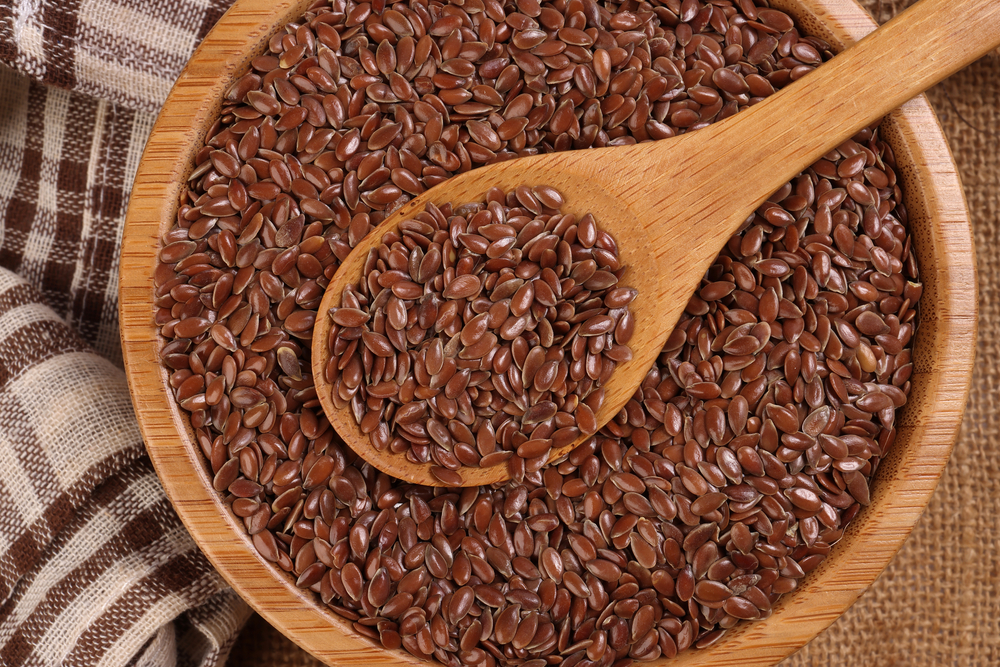
Tiny but mighty, flaxseeds pack a serious nutritional punch when it comes to hormone health. These little seeds contain special compounds called lignans that help balance estrogen levels in the body. When you grind them up, they release omega-3 fatty acids that fight inflammation and support your body’s natural hormone production.
Just two tablespoons daily can make a real difference. Sprinkle ground flaxseeds on yogurt, blend them into smoothies, or mix them into oatmeal for an easy boost. Your body will absorb the nutrients better when the seeds are ground rather than whole.
Store them in the fridge after grinding to keep them fresh and potent.
2. Wild-Caught Salmon
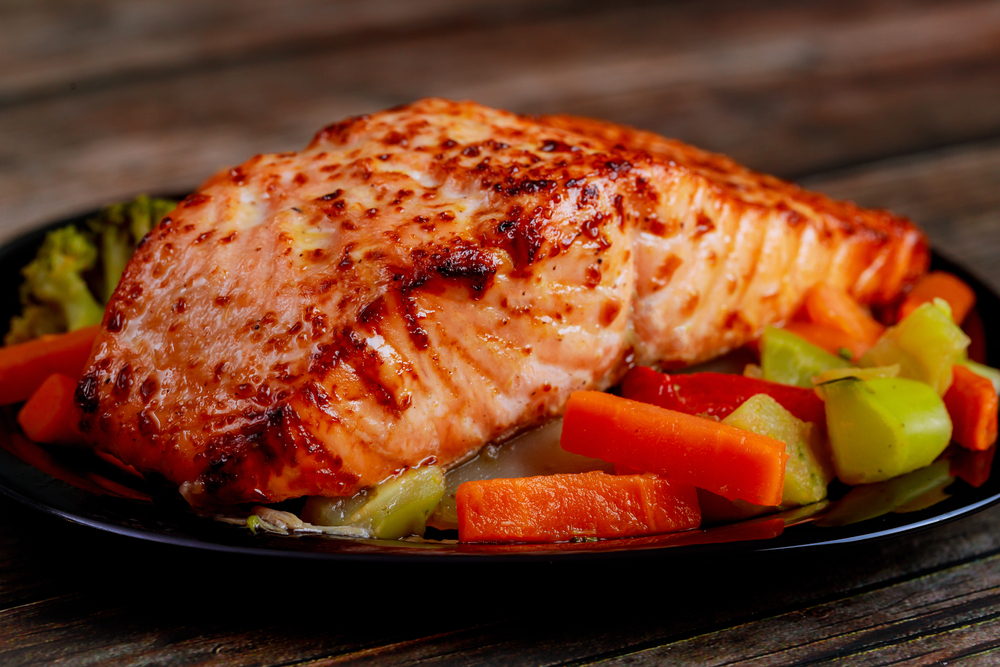
Rich in omega-3s and vitamin D, salmon stands out as a hormone-supporting superstar. These healthy fats help reduce inflammation throughout the body, which is essential because chronic inflammation can throw hormones completely off track. Vitamin D acts almost like a hormone itself, influencing how other hormones function.
Wild-caught varieties contain higher levels of these beneficial nutrients compared to farm-raised options. Aim for two to three servings per week to get the full benefits. Grilling, baking, or pan-searing are all delicious ways to prepare it.
Fun fact: Salmon also provides high-quality protein that helps stabilize blood sugar, another key factor in hormone balance.
3. Avocados
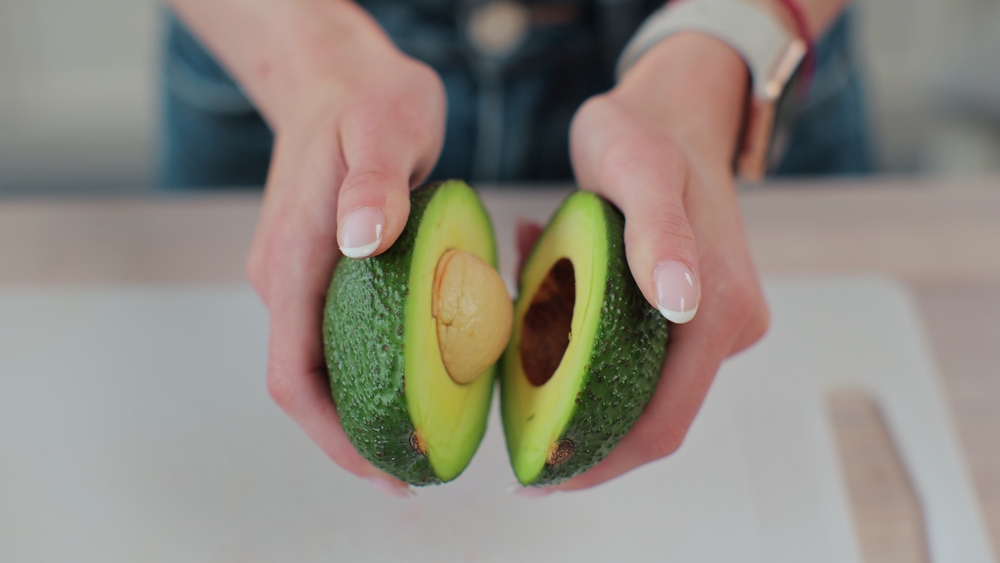
Creamy, delicious, and loaded with healthy fats, avocados are a hormone-balancing dream food. The monounsaturated fats they contain help your body actually produce hormones, since many hormones are made from fat molecules. These good fats also keep you feeling satisfied longer, preventing blood sugar spikes that can disrupt hormone levels.
Avocados are packed with fiber, potassium, and magnesium too. Magnesium is especially important because it helps reduce stress hormones like cortisol. Slice one onto toast, mash it into guacamole, or add chunks to salads.
One medium avocado daily provides plenty of benefits without overdoing it on calories.
4. Leafy Green Vegetables

Spinach, kale, Swiss chard, and other leafy greens deserve a starring role on your plate. These vegetables are bursting with vitamins, minerals, and antioxidants that support the liver—your body’s main hormone-processing organ. When your liver works efficiently, it can better clear out excess hormones and toxins.
Leafy greens also provide folate, iron, and calcium, all crucial for reproductive health. The fiber content helps eliminate used-up estrogen from the body, preventing it from recirculating. Eat them raw in salads, sauté them with garlic, or blend them into green smoothies.
The darker the leaves, the more nutrients they typically contain.
5. Cruciferous Vegetables
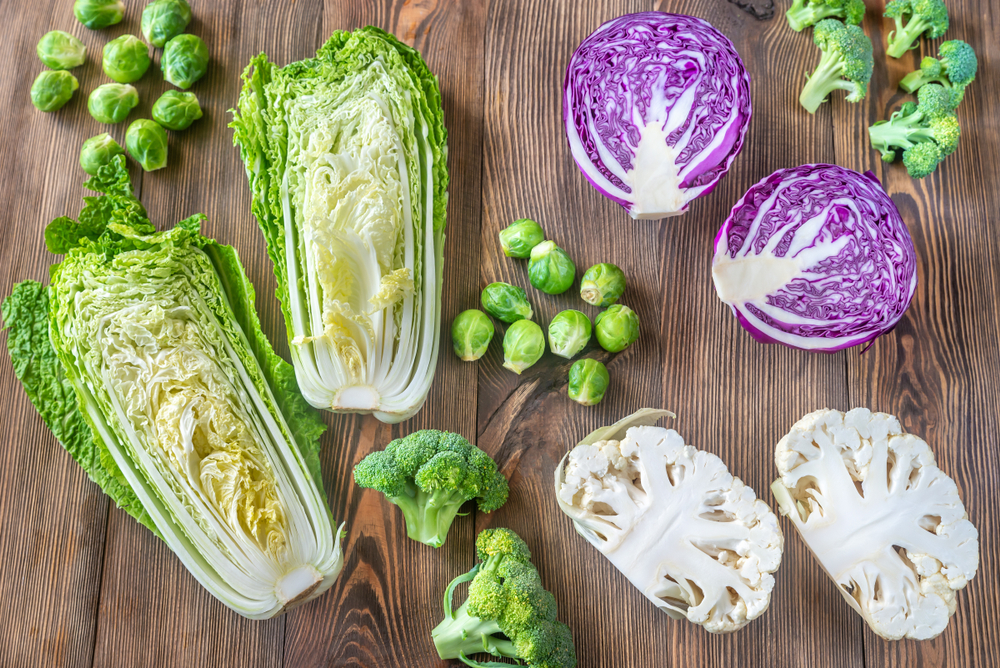
Broccoli, cauliflower, Brussels sprouts, and cabbage belong to a special vegetable family with unique hormone-balancing powers. They contain a compound called indole-3-carbinol that helps the body metabolize estrogen more effectively. This is particularly helpful for women dealing with estrogen dominance, a common hormonal imbalance.
These veggies also support detoxification pathways in the liver. Roasting brings out their natural sweetness and makes them extra tasty. Try adding them to stir-fries, soups, or enjoy them as crunchy snacks with hummus.
Eating them several times a week provides consistent support for hormone regulation and overall wellness.
6. Fermented Foods
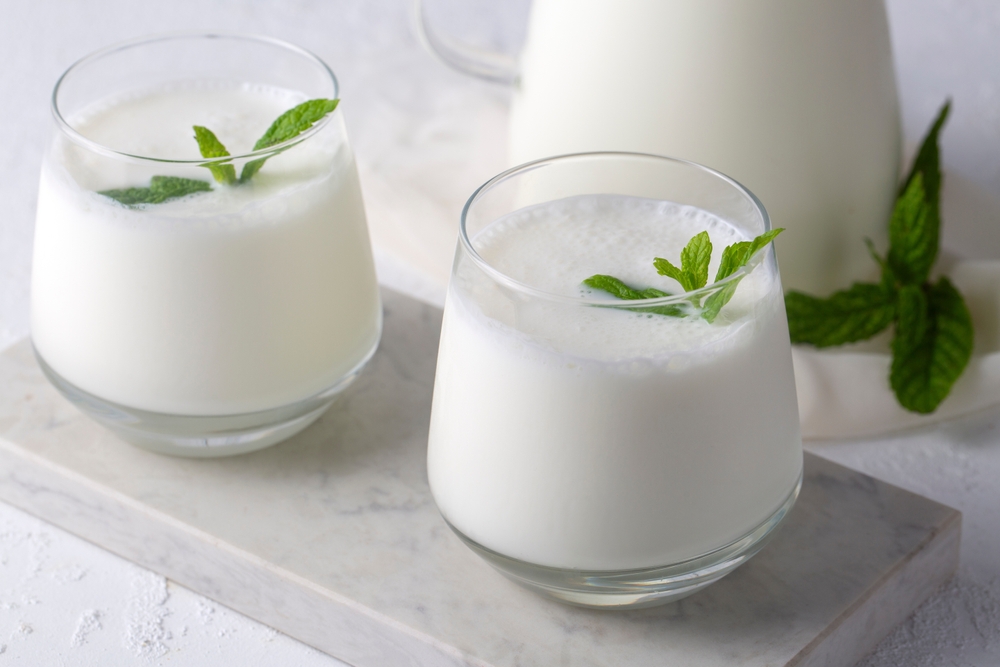
Your gut health and hormone balance are deeply connected, which is where fermented foods come in. Yogurt, kefir, sauerkraut, kimchi, and kombucha contain beneficial bacteria called probiotics that keep your digestive system running smoothly. A healthy gut helps break down and eliminate excess hormones, especially estrogen.
These foods also reduce inflammation and strengthen your immune system. When your gut microbiome is balanced, it can even influence mood hormones like serotonin. Start with small portions if you’re new to fermented foods, and gradually increase your intake.
Choose unsweetened varieties when possible to avoid added sugars that can disrupt blood sugar balance.
7. Pumpkin Seeds
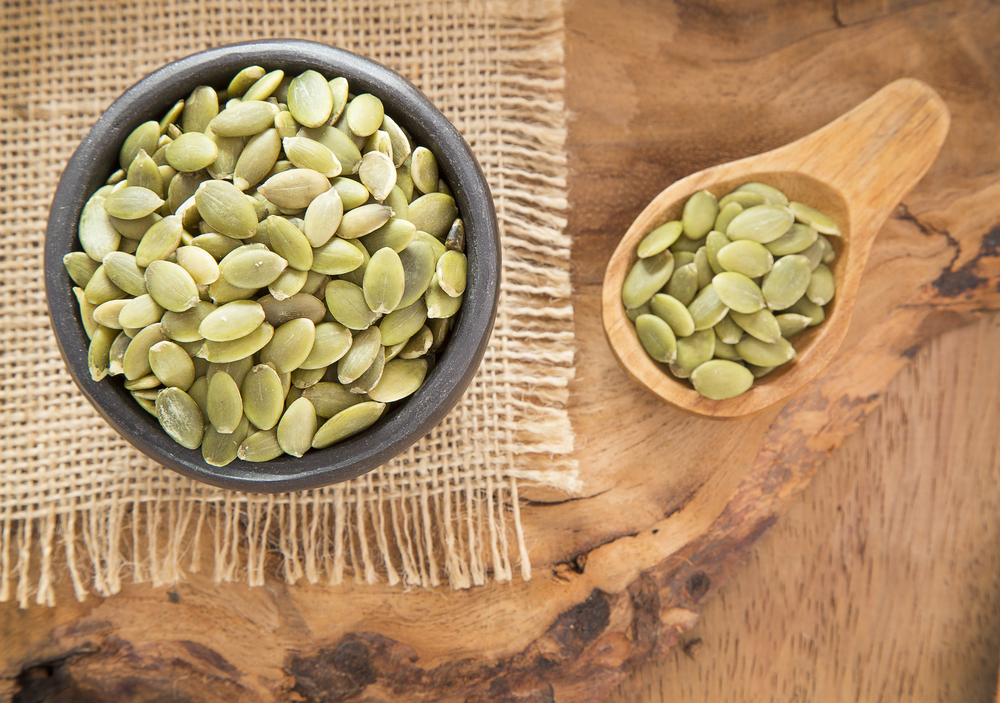
Don’t underestimate these crunchy little seeds! Pumpkin seeds are loaded with zinc, a mineral that plays a vital role in hormone production and regulation. Zinc supports healthy progesterone levels and helps reduce period-related symptoms like cramps and mood swings.
They also provide magnesium and healthy fats that support overall hormone function. The combination of nutrients makes them particularly helpful during different phases of the menstrual cycle. Snack on them raw or roasted, sprinkle them over salads, or blend them into homemade trail mix.
Just a quarter cup daily gives you a significant zinc boost without much effort required.
8. Sweet Potatoes
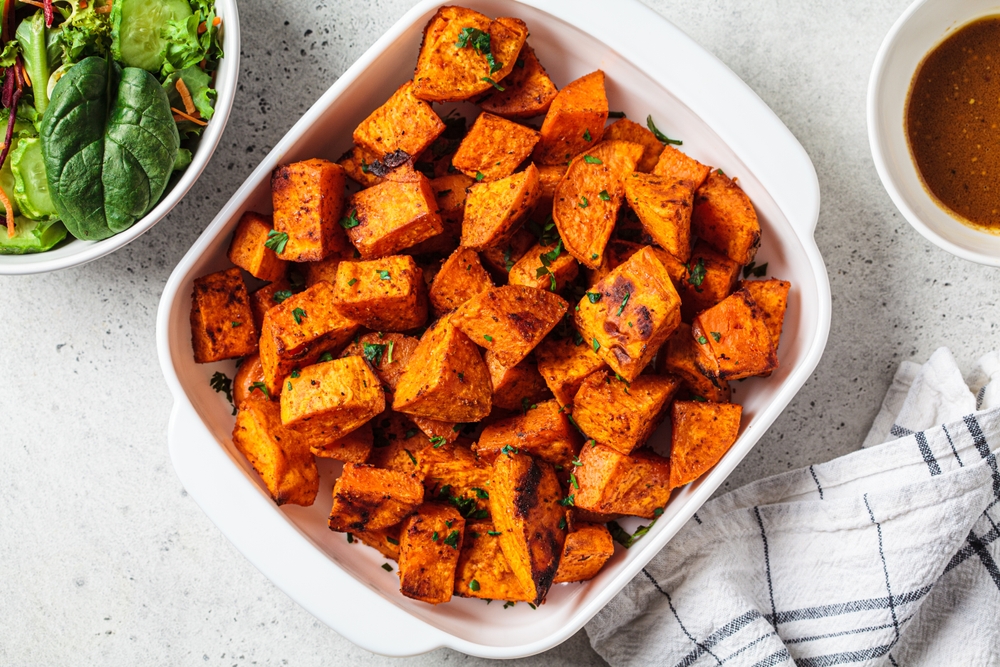
With their natural sweetness and vibrant orange color, sweet potatoes offer more than just great taste. They’re rich in complex carbohydrates that provide steady energy without causing blood sugar crashes. Stable blood sugar is absolutely essential for balanced hormones, especially insulin and cortisol.
Sweet potatoes also contain beta-carotene, which the body converts to vitamin A—a nutrient important for reproductive health. The fiber content supports healthy digestion and helps remove excess hormones. Bake them whole, mash them as a side dish, or cube them for roasting.
Their versatility makes them easy to include in meals throughout the week for consistent hormone support.
9. Eggs
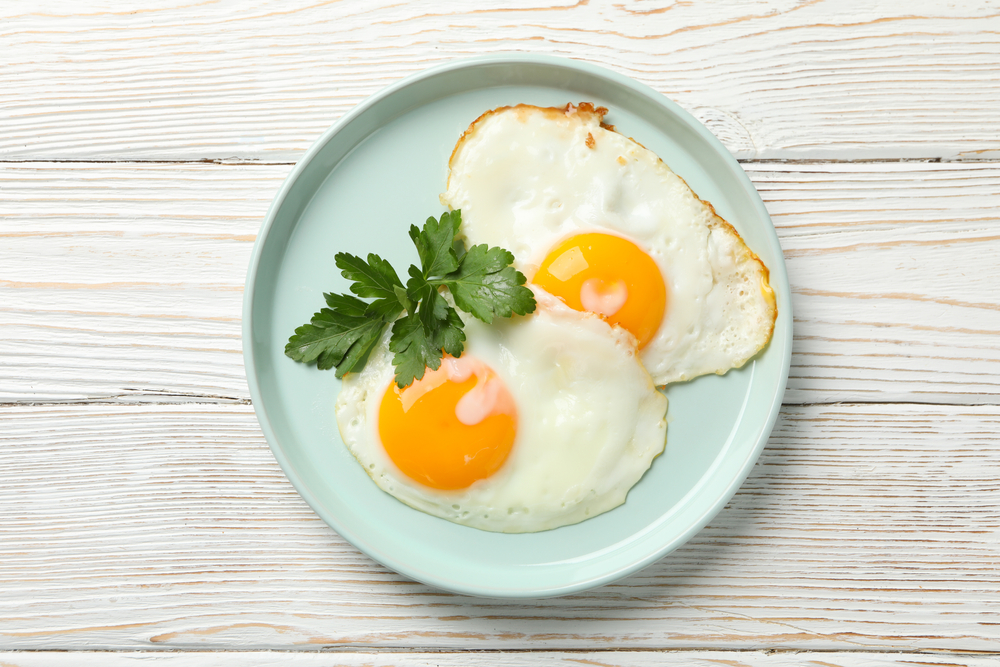
Nature’s perfect protein package, eggs provide essential nutrients that support hormone production from the inside out. The yolks contain cholesterol, which might sound scary but is actually the building block for many hormones including estrogen, progesterone, and testosterone. Without enough healthy cholesterol, your body struggles to make adequate hormones.
Eggs also deliver vitamin D, B vitamins, and choline—all crucial for hormone health. Choose pasture-raised or omega-3 enriched eggs when possible for extra nutritional benefits. Scramble them, boil them, or make a veggie-packed omelet.
Eating whole eggs rather than just whites ensures you get all the hormone-supporting nutrients concentrated in the yolk.