 MomSkoop

Not having family to lean on can leave real scars, but it can also build strengths many people never have to develop. You learn how to carry yourself, read people clearly, and create stability where none was given. These strengths are rarely flashy, yet they shape how you love, decide, survive, and grow. If this story feels familiar, you may recognize just how powerful you have already become.
1. They love people without forcing a role

When family has been inconsistent, you often learn to love people for who they are instead of demanding they fill every missing role.
That does not mean you accept mistreatment, but it does mean you stop confusing control with closeness and start valuing honest connection.
You get good at letting others be human, which makes your relationships calmer, clearer, and surprisingly strong.
Because you were forced to release impossible expectations early, the love you offer can feel freer, steadier, and more mature.
People sense that you care deeply without trying to trap them, and that kind of love is rare enough to change entire lives.
2. They trust themselves deeply

If nobody reliable was coming to rescue you, self-trust stopped being a luxury and became the muscle that got you through.
You learned to read your own judgment, notice your own patterns, and move even when reassurance was nowhere nearby.
That history can make you look independent on the outside, but underneath it is really a hard-earned relationship with yourself.
Now when life gets loud, you can still hear your inner yes, your inner no, and the wisdom between them.
You trust yourself because once, you truly had no other choice, and that lesson still holds, especially on hard days.
3. They can build belonging anywhere

Walking into unfamiliar rooms taught you something powerful: connection is not always inherited, and belonging can be built from scratch.
You learn how to read a space, find the safe people, and start small conversations that slowly turn into real community.
Because you never assumed support would already be waiting, you became unusually good at creating it with whoever showed up.
That makes you brave in new jobs, new cities, and new seasons where other people freeze.
You do not need perfect conditions to begin, only a little openness, honest effort, and time for trust to grow.
That is a gift.
4. They find help in unexpected places

When traditional support systems are thin, you become creative about where help can live and how relief can arrive.
You notice mentors, neighbors, librarians, online groups, therapists, coaches, coworkers, and even kind acquaintances other people might overlook.
Instead of assuming care must come from one sacred place, you learn to gather it in practical, surprising pieces.
That ability can keep you moving during hard seasons, because you know resources often hide behind unfamiliar doors.
You have learned that help counts, even when it arrives without a family name attached.
That wider map of support makes you resilient, less ashamed, and far more resourceful than people realize.
5. They make decisions fast and clean

If hesitation once carried real consequences, you probably learned how to make decisions quickly without turning every choice into a crisis.
You gather the facts you can, trust your read, and move before overthinking drains your energy or your opportunity.
That does not mean reckless, it means clean, because you know endless circling rarely creates better outcomes.
People may call you decisive, but the deeper truth is that life trained you to separate signal from noise.
When others stall, you can choose a direction, accept responsibility, and adjust later without falling apart.
It keeps you moving even now still.
6. They build their own financial cushion

Growing up without much backup often teaches you that money is not just numbers, it is safety, options, and breathing room.
Because no cushion appeared automatically, you learned to build one slowly through discipline, side work, budgeting, and plain determination.
You may still feel stress around finances, but that stress often sharpens into strategy instead of denial.
Saving, planning, and preparing become acts of self-respect when you know exactly what instability costs.
That effort can look quiet from the outside, but it changes your whole nervous system and your future.
Over time, you create the cushion nobody handed you, in real ways, every day.
7. They can live with uncertainty

When life has rarely come with guarantees, you get familiar with uncertainty in a way that can make others uncomfortable.
You still feel fear, but you do not need perfect information before taking the next step or solving the next problem.
That flexibility matters because real life changes directions fast, and certainty is usually thinner than people pretend.
Instead of collapsing when outcomes are unclear, you stay present, adjust, and keep moving with what is available.
You have learned that not knowing everything does not mean you are unprepared, it simply means you are alive.
That steadiness becomes its own form of confidence.
8. They feel secure from the inside out
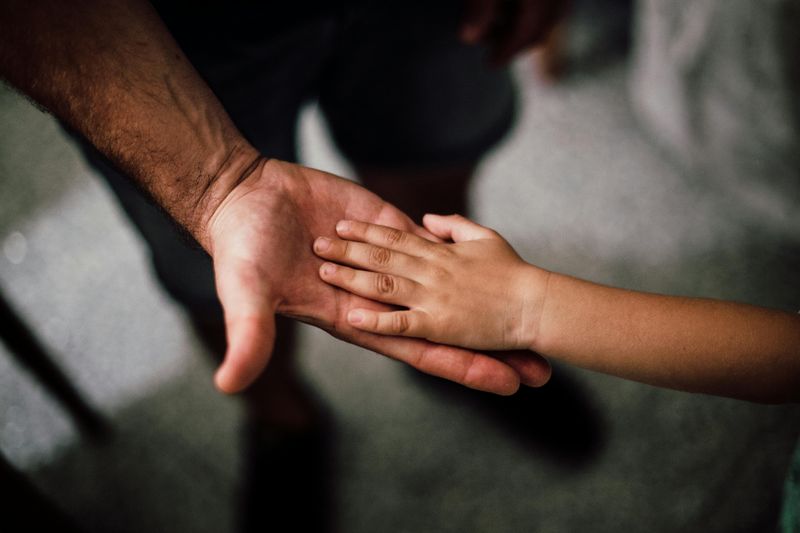
Real security can look different when it was never guaranteed by a strong family net or a dependable last call.
You start building it inside through values, skills, boundaries, faith, discipline, and the proof that you can survive hard things.
That kind of security travels with you, which means it cannot be taken away every time someone disappoints you.
People may not always understand it, because it looks quieter than bravado, but it holds up better.
And when life shakes, that inner foundation often steadies you faster than external reassurance ever could.
You feel safer because you know what lives in you, in practice too.
9. They see people clearly and make peace with reality

When you have been let down enough, you stop building fantasies about who people should be and begin seeing who they are.
That realism can sound sad to outsiders, but it actually protects your energy and makes your relationships more honest.
You learn where to trust, where to limit access, and where to stop asking for what someone cannot give.
Instead of fighting reality, you work with it, which brings a surprising kind of peace.
It is maturity, and it lets you love people clearly while keeping your standards, boundaries, and self-respect fully intact.
That peace is not bitterness, without false hope anymore.