 MomSkoop

Living along the world’s longest undefended border, Americans and Canadians share many cultural similarities, but the legal systems tell a different story.
What passes as perfectly normal behavior south of the border can land you in hot water up north.
From everyday self-defense tools to backyard activities, these surprising differences reveal just how much laws can vary between neighboring nations.
1. Spousal Support & Common-Law Rights

Move in with your partner in Canada, and the government might start treating you like a married couple before you even say “I do.”
After living together for a certain period, which varies by province but is often just one to three years, couples automatically gain legal spousal rights.
This means obligations for financial support can kick in without any wedding ceremony or official paperwork.
In the United States, common-law marriage exists in only a handful of states and requires specific conditions to be met.
Most Americans can cohabitate indefinitely without automatic legal obligations to support an ex-partner financially.
Canadian law protects partners who might be economically vulnerable after a breakup, creating safety nets Americans simply don’t have.
2. Keeping Certain Exotic Pets

That adorable hedgehog your American friend keeps as a pet? Completely off-limits in several Canadian provinces.
Canada takes a strict approach to exotic animal ownership, with provinces like Ontario and British Columbia banning creatures Americans freely keep as companions.
Hedgehogs, sugar gliders, and various reptile species face restrictions based on concerns about invasive species, animal welfare, and public safety.
South of the border, regulations vary wildly by state, but many places allow exotic pet ownership with minimal oversight.
Someone in Texas might legally own a capybara while their Canadian counterpart couldn’t even have a ferret in some areas.
The reasoning centers on protecting native ecosystems from potential escapees that could establish harmful populations.
3. Maple Syrup Law Enforcement

Believe it or not, Canada takes its maple syrup so seriously that there’s an actual strategic reserve, complete with regulations that can land violators in jail.
Quebec’s Federation of Maple Syrup Producers controls about 70% of the world’s supply through a quota system.
Producers must sell through the federation, and unauthorized sales or production outside the system is illegal.
Americans can tap trees and sell syrup with relatively few restrictions, treating it like any other agricultural product.
The famous “Great Canadian Maple Syrup Heist” of 2012 saw thieves steal 3,000 tons worth $18 million, leading to serious criminal charges.
This government-backed monopoly would likely violate antitrust laws in the United States.
4. Taser Ownership
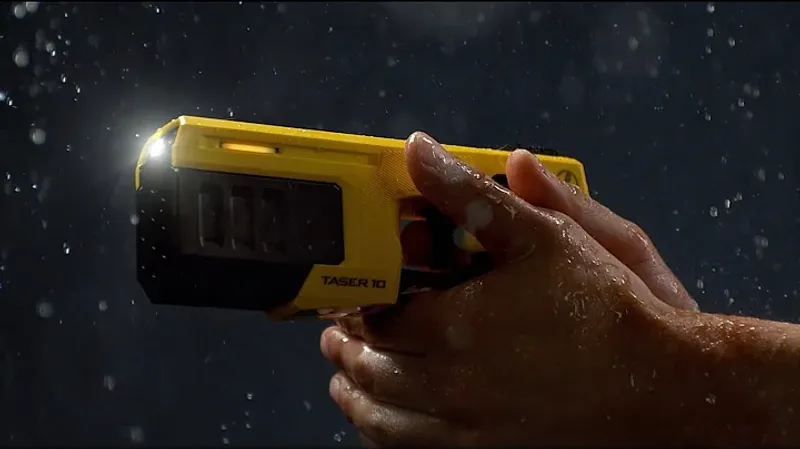
Americans in many states can walk into a store and purchase a Taser for personal protection without much hassle.
Try that in Canada, and you’re committing a serious criminal offense.
Tasers and stun guns are classified as prohibited weapons under Canadian law, with possession carrying potential criminal charges and jail time.
The only exceptions are for law enforcement officers performing their duties.
Even carrying one across the border can result in arrest, confiscation, and prosecution.
Meanwhile, dozens of U.S. states allow civilians to own and carry these electronic control devices with varying levels of regulation.
Canada’s philosophy prioritizes restricting access to weapons that could cause harm, even non-lethal ones, reflecting a fundamentally different approach to self-defense than its southern neighbor.
5. Pepper Spray for Self-Defense
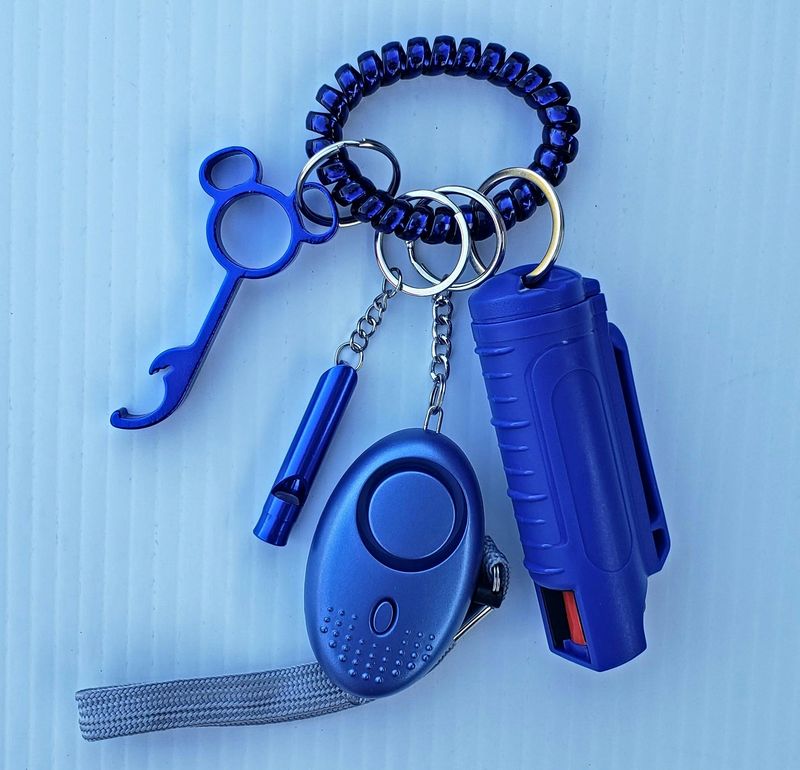
Carrying pepper spray for protection against human attackers is perfectly legal in most American jurisdictions.
Cross into Canada with that same canister, and you’re breaking the law.
Canadian regulations only permit pepper spray specifically marketed and sold for use against animals, like bears or aggressive dogs.
Using it or carrying it for self-defense against people is illegal, and border agents actively search for and confiscate these items.
The distinction might seem silly since the product is chemically identical, but intent matters under Canadian law.
Marketing, labeling, and stated purpose determine legality.
Americans accustomed to carrying personal protection sprays often face unwelcome surprises at Canadian customs, learning that self-defense rights differ dramatically between the two countries.
6. Driving With a Radar Detector

Speed trap ahead? American drivers in most states can legally use radar detectors to spot police monitoring devices.
In Canada, however, these gadgets are prohibited in most provinces, with only Alberta, British Columbia, and Saskatchewan allowing them.
Get caught with one in Ontario or Quebec, and you’ll face hefty fines, points on your license, and device confiscation.
Canadian authorities view radar detectors as tools that encourage speeding and undermine traffic safety enforcement.
The fines can reach several hundred dollars, and some provinces even ban having one in your vehicle even if it’s unplugged.
Americans driving across the border should remove these devices entirely to avoid legal trouble and financial penalties that far exceed any speeding ticket they hoped to avoid.
7. Hate Speech Laws

Say something offensive in America, and the First Amendment generally protects your right to speak, no matter how vile.
Canada draws a very different line.
The Criminal Code specifically prohibits public incitement of hatred against identifiable groups, with real jail time as possible punishment.
Section 319 makes it illegal to willfully promote hatred based on race, religion, ethnicity, sexual orientation, and other protected characteristics.
While Americans enjoy extremely broad free speech protections, Canadians accept limits when speech crosses into promoting hatred or violence.
Human rights tribunals can also impose penalties for discriminatory speech.
This fundamental philosophical difference reflects contrasting values: America prioritizes individual expression, while Canada balances speech rights with community protection and social harmony.
8. Burn Bans & Outdoor Fires
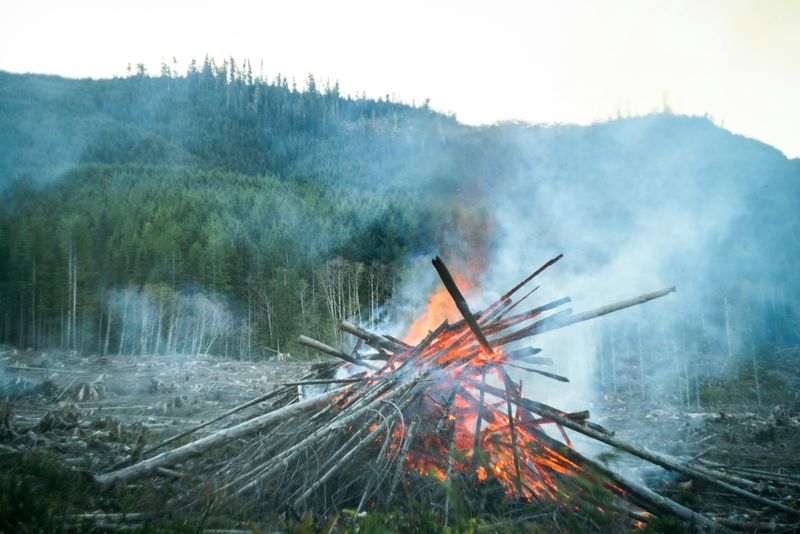
Feeling like having a bonfire in your backyard? Many Americans can do this with minimal restrictions outside of extreme drought conditions.
Canadian regulations are far more stringent and consistently enforced.
Municipal bylaws often prohibit open burning entirely, with exceptions requiring permits that specify exact conditions, times, and materials.
Violators face substantial fines, sometimes reaching thousands of dollars, especially during fire season.
Enforcement includes regular patrols, and neighbors frequently report violations.
Even recreational fires in approved pits may require permits and must follow strict guidelines about wind conditions, proximity to structures, and supervision.
Canada’s approach stems from serious wildfire risks and air quality concerns, making casual backyard burning a legal minefield compared to the more relaxed American attitude toward outdoor fires.
9. Fishing Without a Barbless Hook
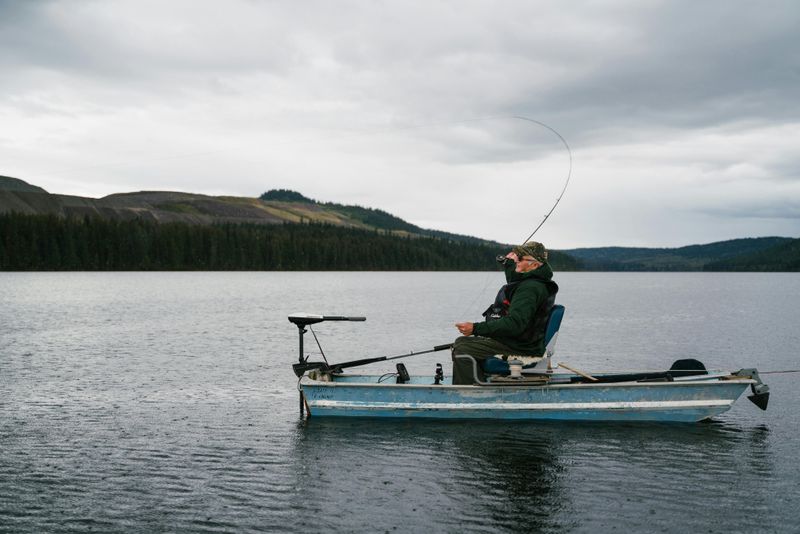
American anglers often use whatever hooks they prefer, with barbed hooks being the traditional choice for keeping fish securely attached.
Many Canadian waters tell a different story, requiring barbless hooks by law to support catch-and-release conservation efforts.
Barbs cause more damage to fish, reducing survival rates when anglers release their catches.
Provincial regulations vary, but numerous popular fishing areas mandate barbless hooks or require anglers to pinch down barbs before casting.
Violations can result in significant fines and confiscation of equipment.
Conservation officers actively patrol waterways checking compliance.
This regulation reflects Canada’s stronger emphasis on environmental protection and sustainable fishing practices, prioritizing long-term fish population health over angler convenience in ways that surprise many visiting American fishing enthusiasts.