 MomSkoop
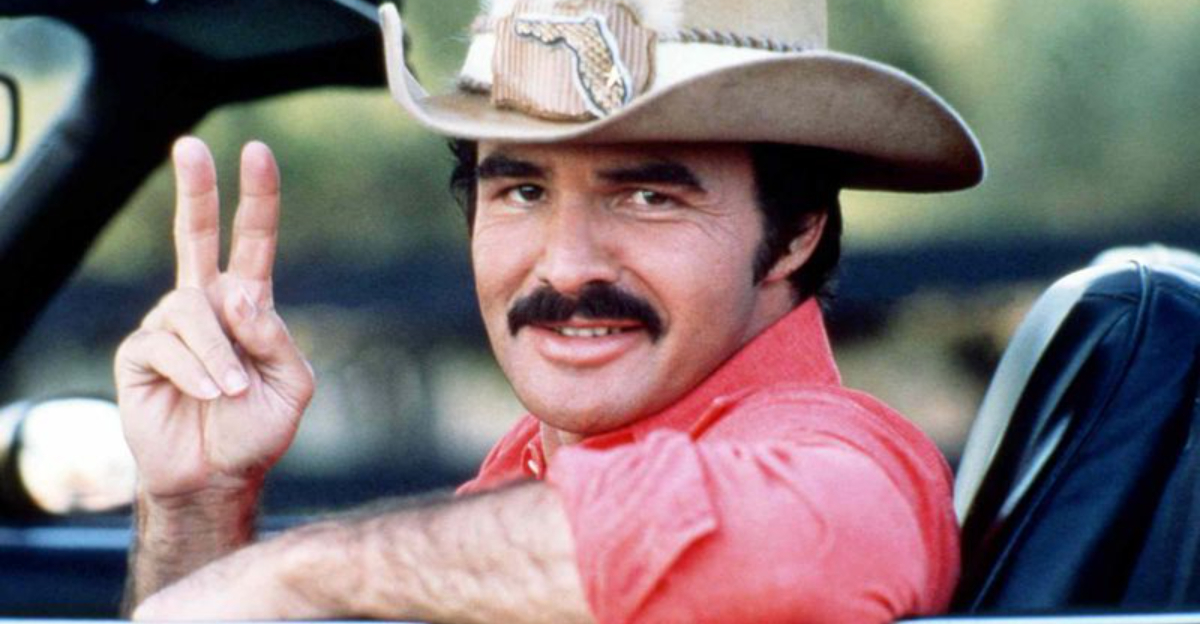
Some actors are remembered for their Oscar-winning performances, while others are immortalized by something much simpler: their facial hair. A great mustache can define a career, becoming so recognizable that it overshadows even the biggest blockbusters. From thick cowboy whiskers to pencil-thin sophistication, these fifteen actors proved that sometimes the most memorable thing about Hollywood isn’t the script—it’s what’s growing above the upper lip.
1. Tom Selleck
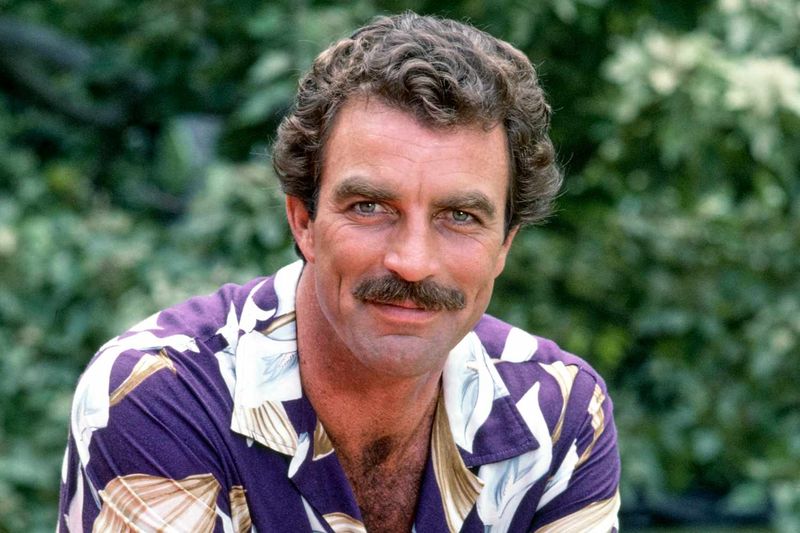
Few mustaches in Hollywood history are as instantly recognizable as Tom Selleck’s thick, perfectly groomed lip companion. When Magnum, P.I. debuted in 1980, his mustache became a cultural phenomenon that defined an entire decade. It wasn’t just facial hair—it was a character trait that made him unforgettable.
Selleck has maintained his signature look throughout most of his career, refusing to shave even when roles demanded it. His mustache became so famous that it earned its own fan following and countless parodies. Whether playing a private investigator in Hawaii or a police commissioner in Blue Bloods, that mustache remained his trademark.
The actor once joked that his mustache had better name recognition than he did. He wasn’t entirely wrong—people still associate him with that iconic facial hair more than any single role he’s played.
2. Sam Elliott
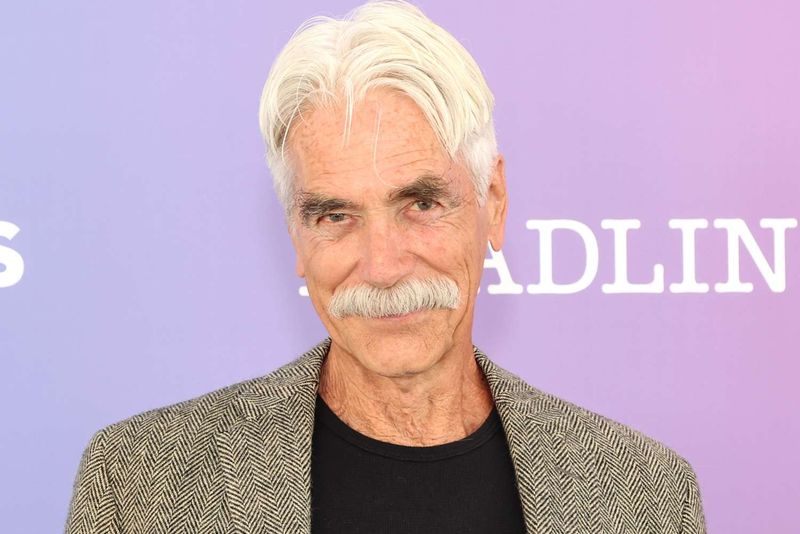
With a voice like gravel and a mustache as thick as a prairie storm, Sam Elliott embodies the spirit of the American West. His facial hair isn’t just an accessory—it’s part of his DNA as an actor. That horseshoe-style mustache has graced countless Westerns and made him the go-to guy for cowboy authenticity.
Elliott rarely appears on screen or in public without his signature whiskers. They’ve become so integral to his image that imagining him clean-shaven feels almost impossible. From Tombstone to The Big Lebowski, his mustache commands as much screen presence as his legendary drawl.
Fans often say Elliott’s mustache could win its own Academy Award. It’s weathered, masculine, and timelessly cool—everything a proper Western mustache should be. His facial hair has transcended acting to become a symbol of rugged American masculinity.
3. Burt Reynolds
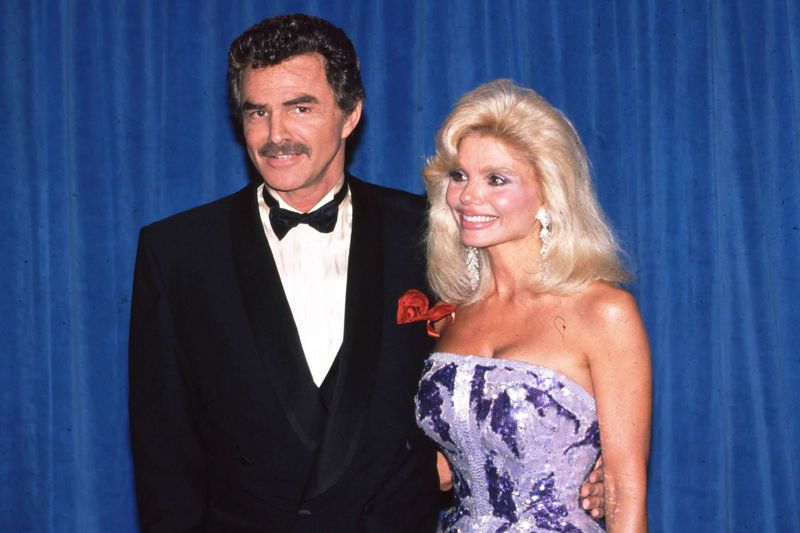
Burt Reynolds didn’t just wear a mustache—he turned it into a lifestyle brand. Throughout the 1970s and 80s, his thick, dark whiskers became synonymous with charisma and charm. Whether he was outrunning the law in Smokey and the Bandit or posing for Cosmopolitan, that mustache was always front and center.
Reynolds kept his facial hair for decades, making it as much a part of his identity as his famous laugh. Hollywood tried countless times to get him to shave, but he refused. His mustache represented confidence and sex appeal in an era when both were king.
Even today, when people think of Reynolds, they picture that iconic smile framed by his legendary lip fuzz. His mustache outlasted trends, relationships, and even some of his movie roles, proving that great facial hair never goes out of style.
4. Daniel Day-Lewis
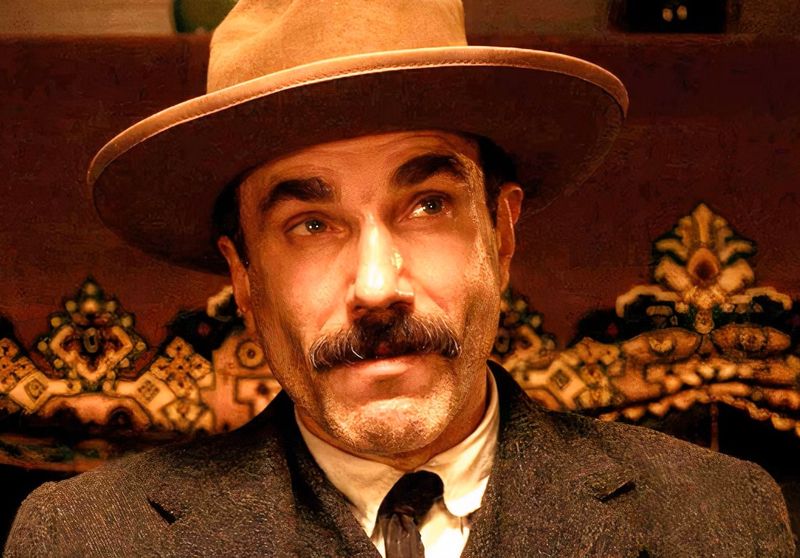
Method acting meets facial hair in Daniel Day-Lewis, who transforms his entire appearance for every role. His commitment to authenticity often includes growing elaborate mustaches that transport audiences to different eras. From Gangs of New York to There Will Be Blood, his whiskers tell stories of their own.
Day-Lewis doesn’t just grow facial hair—he researches historical grooming techniques and period-appropriate styles. His mustaches become time machines, helping him disappear completely into characters from the 1800s. Directors know that when they cast him, they’re getting an actor who takes even his lip hair seriously.
Unlike actors who maintain one signature style, Day-Lewis reinvents his facial hair with each project. His mustaches are chameleons, changing shape and character to match whatever historical figure he’s embodying. This dedication to transformation makes each mustache memorable in its own unique way.
5. Nick Offerman
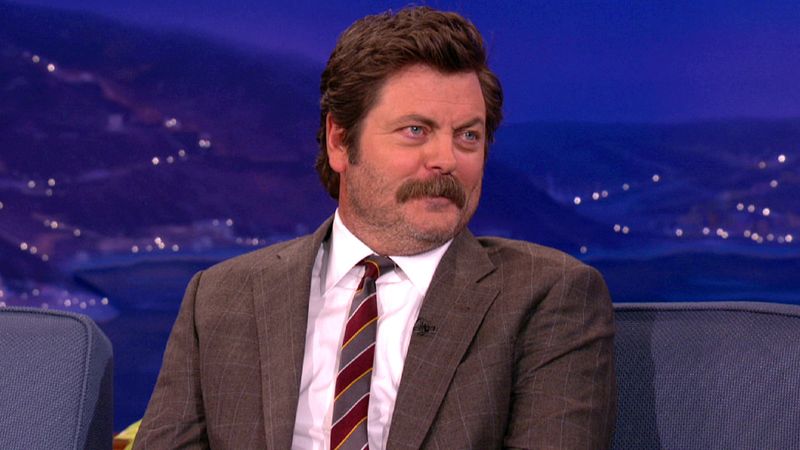
Thanks to Ron Swanson, Nick Offerman’s mustache achieved legendary status on Parks and Recreation. That thick, manly lip forest became a symbol of rugged individualism and libertarian ideals. Fans didn’t just love the character—they worshipped his facial hair like it was a national monument.
Offerman has embraced his mustache identity both on and off screen. He frequently sports his signature whiskers in real life, understanding that they’ve become inseparable from his public persona. His facial hair represents traditional masculinity, woodworking expertise, and a no-nonsense attitude toward life.
The actor has joked that his mustache does half the acting for him. When you see those thick bristles, you immediately think of bacon, woodshops, and government inefficiency. Offerman’s mustache transcended television to become an internet meme and cultural touchstone for an entire generation.
6. Danny Trejo
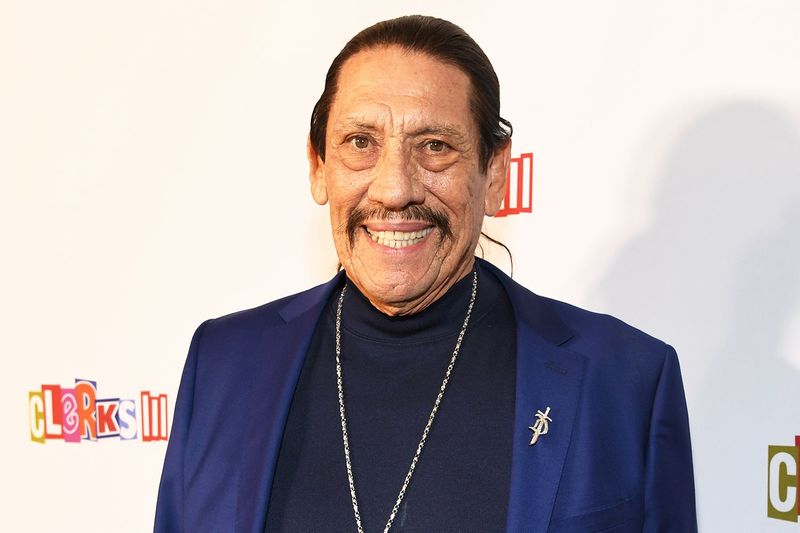
Danny Trejo’s mustache is as tough and uncompromising as the characters he plays. Whether he’s wielding machetes or dispensing street wisdom, those whiskers add an extra layer of intensity to his already intimidating presence. His facial hair has become shorthand for “don’t mess with this guy.”
Trejo maintains his mustache in both his personal life and countless film roles. It’s become part of his brand as Hollywood’s favorite tough guy with a heart of gold. From Machete to Breaking Bad, his mustache signals danger wrapped in unexpected kindness.
What makes Trejo’s facial hair special is its authenticity—it’s not a costume piece but a genuine extension of who he is. His mustache tells stories of survival, redemption, and decades of hard-won wisdom. Fans recognize those whiskers instantly, even before they see his face.
7. Eddie Murphy
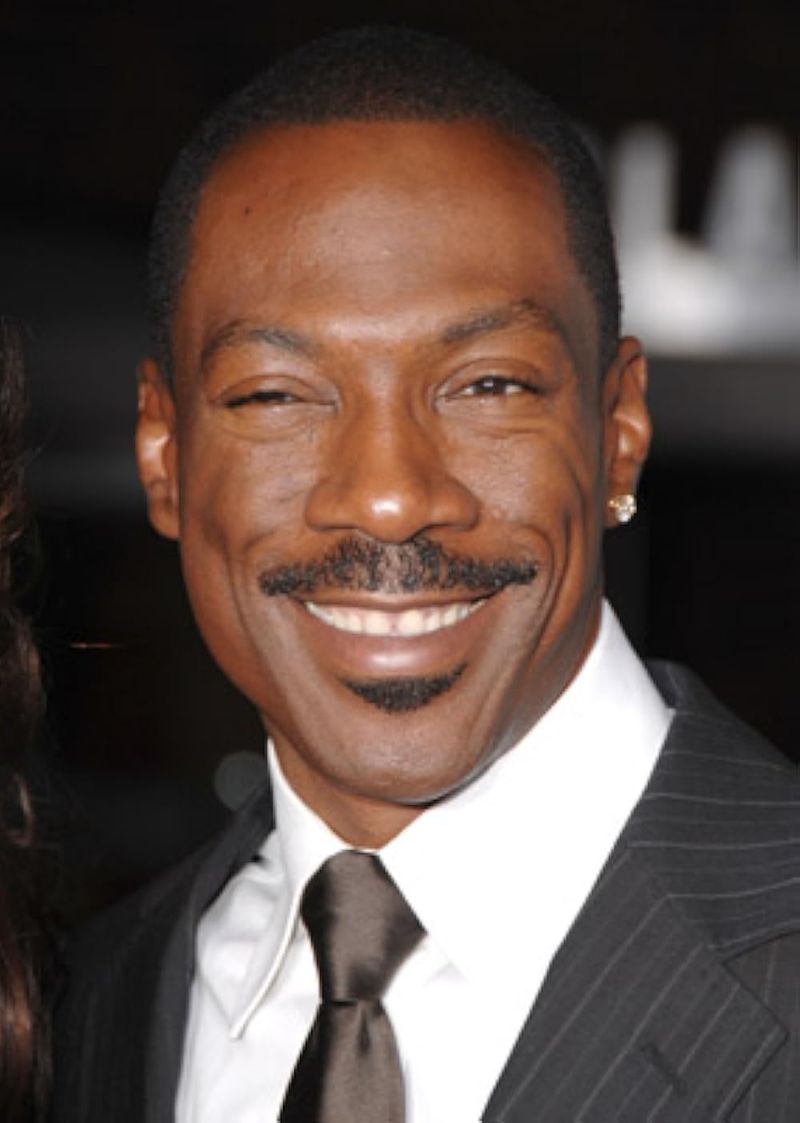
A mischievous grin and effortless comedic timing were often framed by a carefully crafted mustache that helped define one of Hollywood’s most versatile performers. Whether playing multiple characters in a single film or delivering razor-sharp stand-up routines, that facial hair added a touch of maturity and style to his high-energy persona. It also softened the transitions between his many on-screen transformations, giving audiences a familiar anchor amid his whirlwind character shifts.
Trimmed with intention, the mustache became a visual signature that communicated confidence and charisma. It balanced out expressive features and helped him slide seamlessly between comedic exaggeration and grounded, believable roles.
As his career expanded from comedy to drama to family classics, the mustache remained a steady part of his evolving image.
8. Fernando Rey
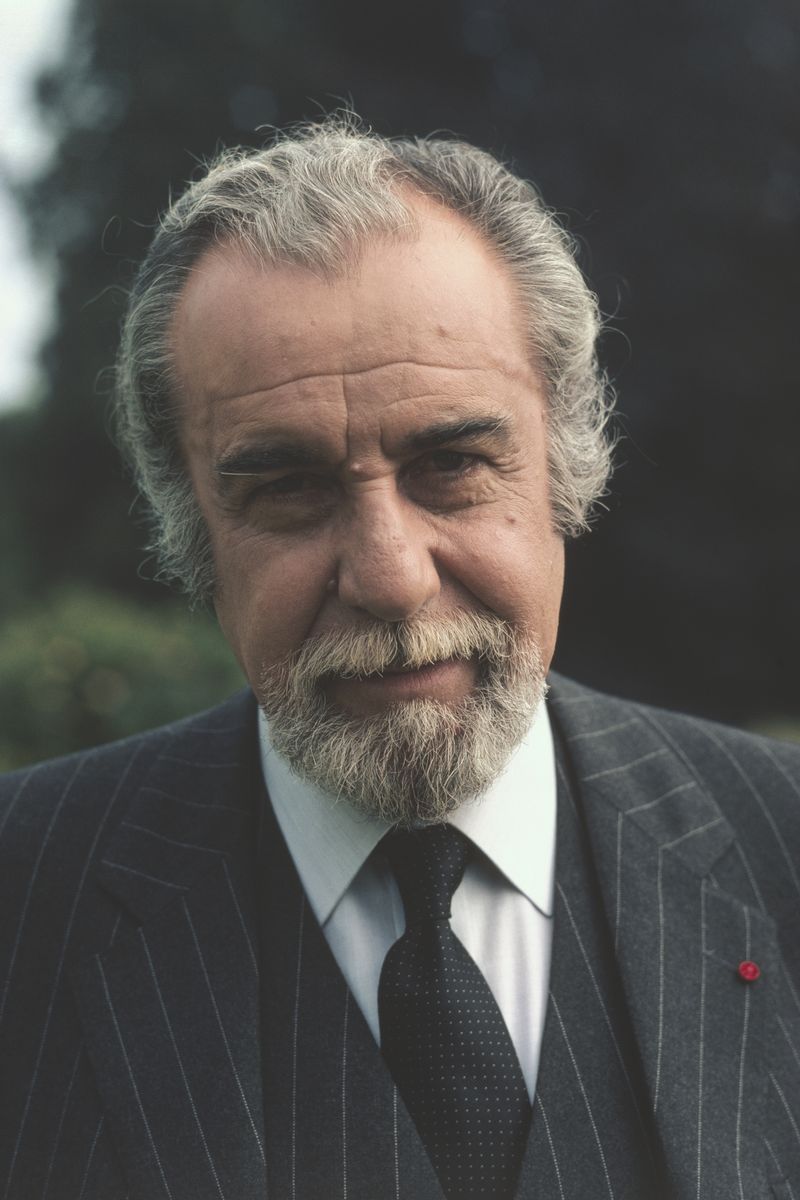
Spanish cinema gave the world many treasures, but few as distinguished as Fernando Rey’s elegant mustache. Throughout his international career, his refined whiskers added sophistication to every role he played. Whether working with Luis Buñuel or appearing in The French Connection, his mustache spoke of European class and mystery.
Rey’s facial hair wasn’t wild or bushy—it was meticulously groomed and perfectly shaped. His mustache suggested intelligence, worldliness, and a hint of danger lurking beneath polished manners. Directors cast him knowing his whiskers would add instant gravitas to any scene.
For audiences unfamiliar with his extensive Spanish filmography, Rey’s mustache became his calling card in Hollywood. It was sophisticated without being stuffy, memorable without being cartoonish. His facial hair represented old-world elegance in an increasingly casual entertainment landscape.
9. Wilford Brimley
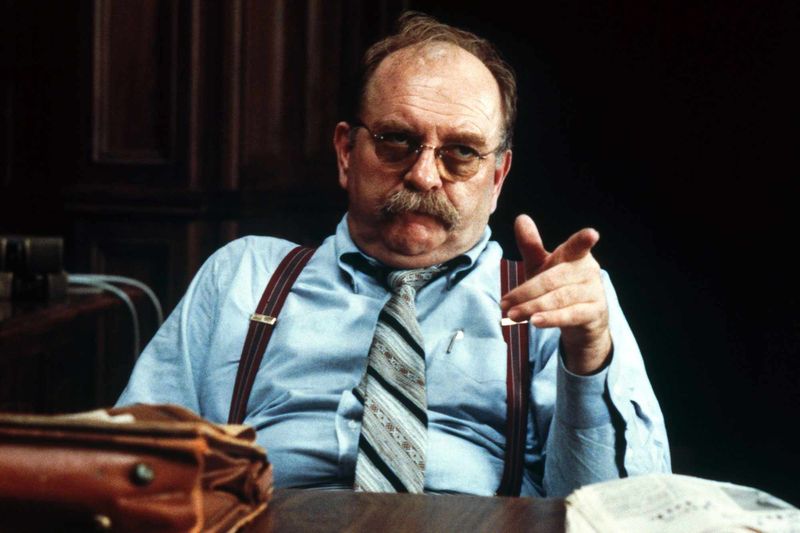
Nobody rocked the walrus mustache quite like Wilford Brimley. His massive, drooping whiskers became America’s symbol of grandfatherly wisdom and down-home common sense. From Cocoon to countless diabetes commercials, that mustache delivered trustworthiness and no-nonsense advice in equal measure.
Brimley’s facial hair was impossibly thick and always slightly untamed, giving him an approachable, everyman quality. His mustache suggested someone who’d lived a full life and had plenty of stories to share. It was comforting, familiar, and completely unforgettable.
The actor never altered his signature look throughout his career, understanding that his mustache was part of his appeal. It made him instantly recognizable and beloved by audiences across generations. Brimley’s whiskers proved that sometimes the most powerful thing an actor can do is simply be authentically themselves.
10. Johnny Depp
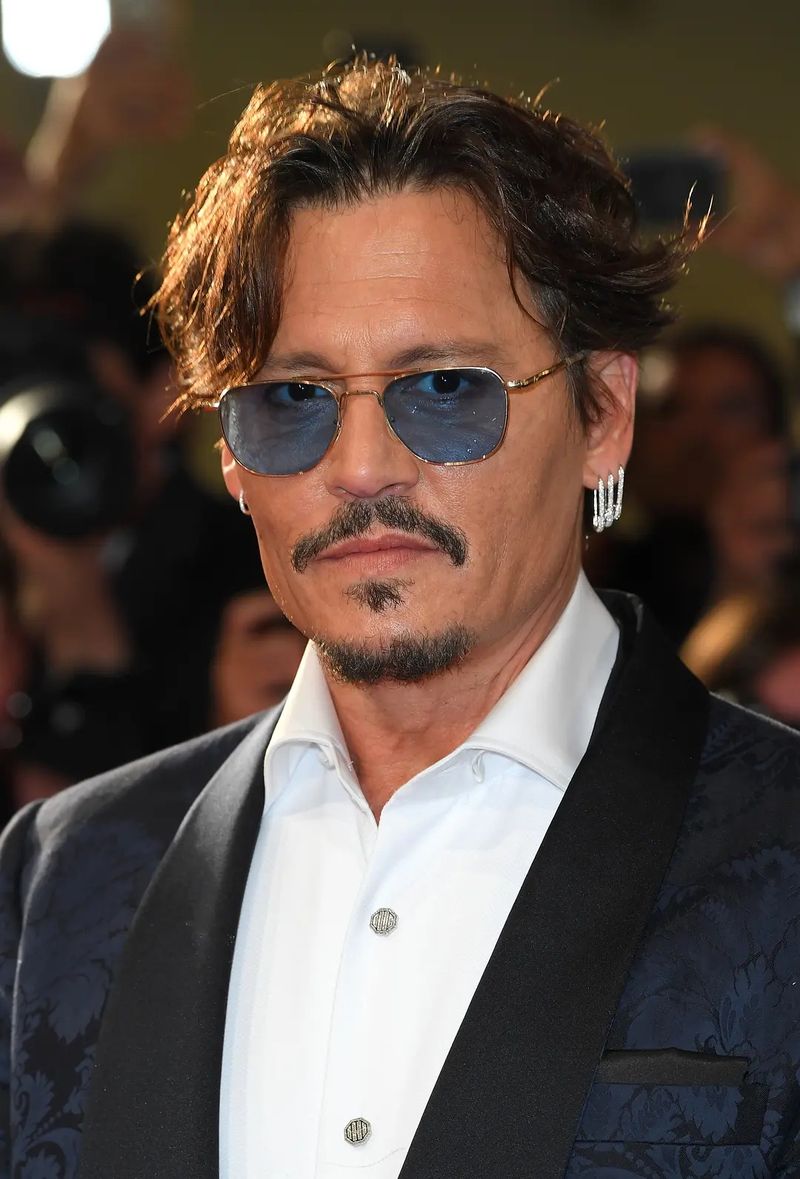
An air of mystery often heightened the allure of an actor known for disappearing into eccentric, unpredictable roles, and facial hair quietly reinforced that sense of enigma. His mustache—sometimes thin and sharply angled, sometimes scruffy and bohemian—became a visual shorthand for the outsider characters he excelled at portraying. It added edge, elegance, or chaos depending on the part.
The versatility of that mustache echoed his chameleon-like approach to acting. It could be sculpted into a mischievous curl for whimsical performances or grown into a rugged sweep for darker, more grounded roles. In each case, it helped complete the transformation, signaling layers of personality before he even spoke.
Even off-screen, its shifting styles contributed to his reputation as a free-spirited artist. The mustache became part of his creative aura, a small but memorable detail in a career defined by reinvention.
11. Geraldo Rivera
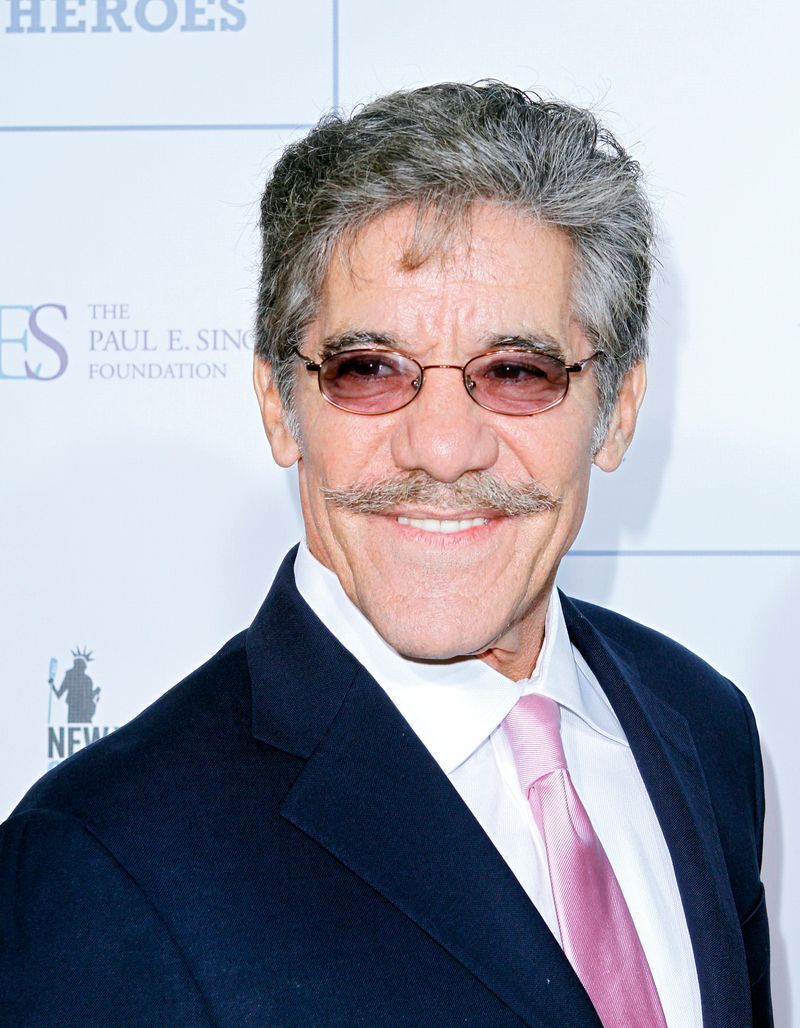
A bold and unmistakable mustache became the trademark of one of television’s most recognizable journalists. For decades, that thick, perfectly groomed stripe served as a visual guarantee of his presence—whether he was hosting investigative specials, reporting from conflict zones, or anchoring talk shows. It projected confidence and authority, giving him a distinctive silhouette on crowded airwaves.
Its dramatic shape matched his equally dramatic broadcasting style. The mustache added flair without compromising professionalism, allowing him to deliver hard-hitting stories while maintaining a charismatic on-camera look. Viewers grew to associate its sharp edges with in-depth reports and headline-chasing journalism.
As media evolved, the mustache endured, becoming as much a brand identifier as his voice or interview style. It remains one of the most iconic pieces of facial hair in American television history.
12. Clark Gable
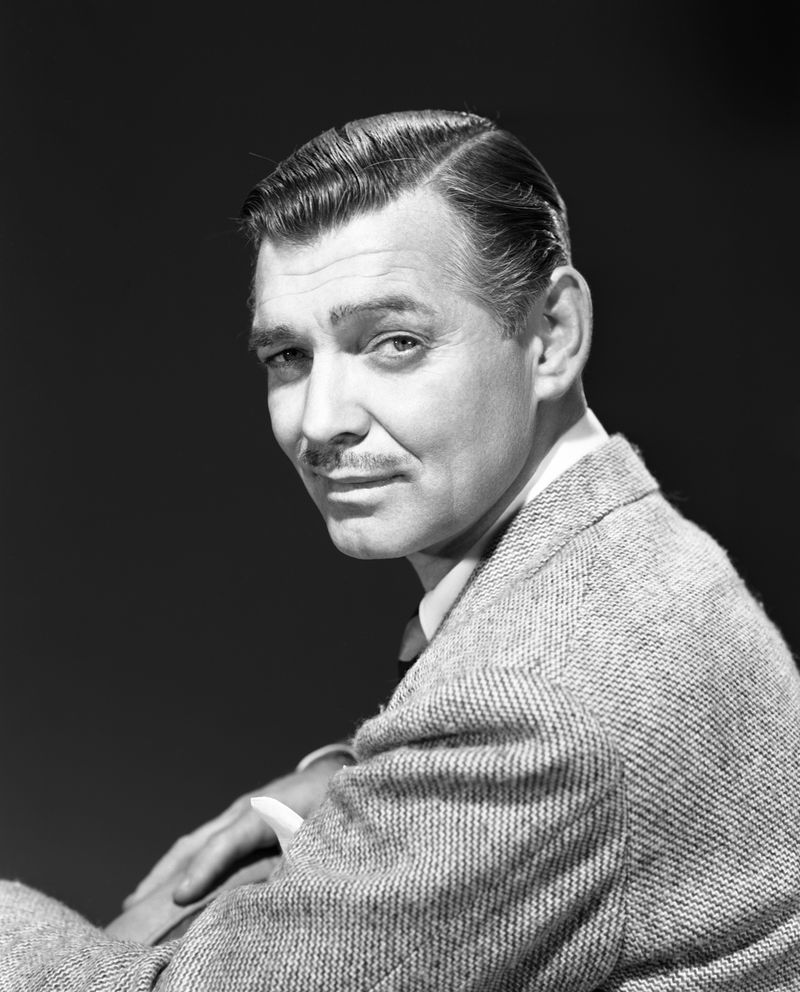
Before anyone else made mustaches cool, Clark Gable perfected the pencil-thin style that defined Golden Age Hollywood. His meticulously groomed whiskers appeared in nearly every film he made, becoming as essential to his image as his famous ears. That slender mustache represented sophistication, romance, and old-school movie star glamour.
Gable’s facial hair required constant maintenance—it was trimmed with precision and shaped to perfection. His mustache suggested a man who cared about details and understood the power of presentation. In Gone with the Wind and dozens of other classics, those whiskers helped make him cinema’s ultimate leading man.
Modern actors still reference Gable’s mustache when aiming for vintage elegance. His style influenced generations of performers and remains the gold standard for pencil-thin facial hair. Gable proved that sometimes less is more when it comes to memorable whiskers.
13. Freddie Prinze Sr.
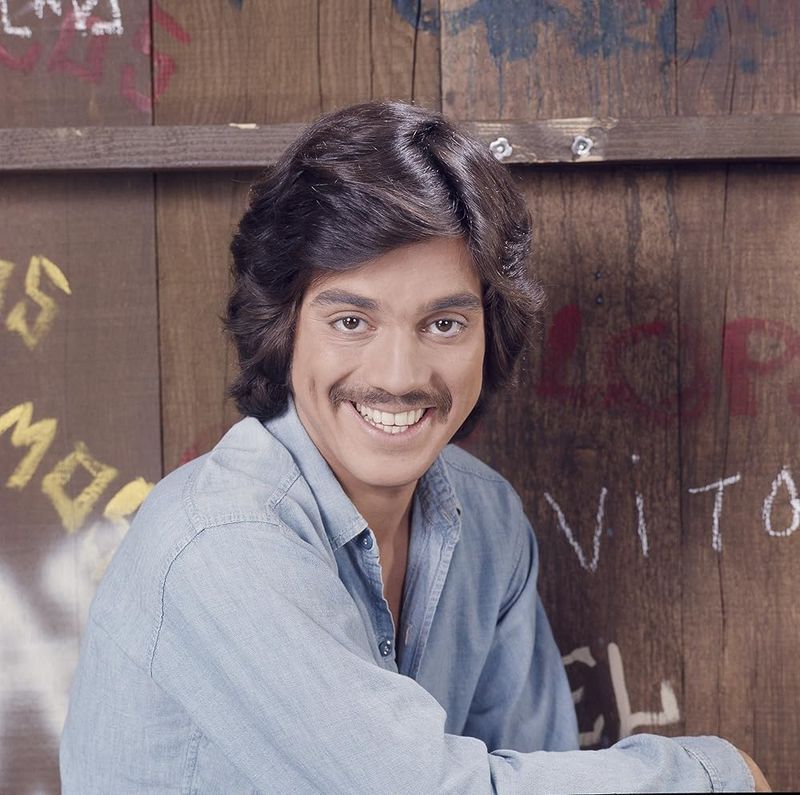
Freddie Prinze Sr. brought his signature mustache to both stand-up comedy stages and television screens in the 1970s. As the star of Chico and the Man, his facial hair became part of his youthful, energetic persona. That mustache represented a new generation of Latino performers breaking into mainstream entertainment.
Prinze’s whiskers were thick but neatly trimmed, striking a balance between casual cool and television professionalism. His mustache added maturity to his boyish face, helping him land roles that might have gone to older actors. It became an essential part of his comedic identity and public image.
Though his life was tragically cut short, Prinze’s mustache remains part of 1970s television history. It represented the era’s relaxed grooming standards and helped define the decade’s aesthetic. His facial hair continues to appear in retrospectives celebrating his groundbreaking career.
14. Hulk Hogan
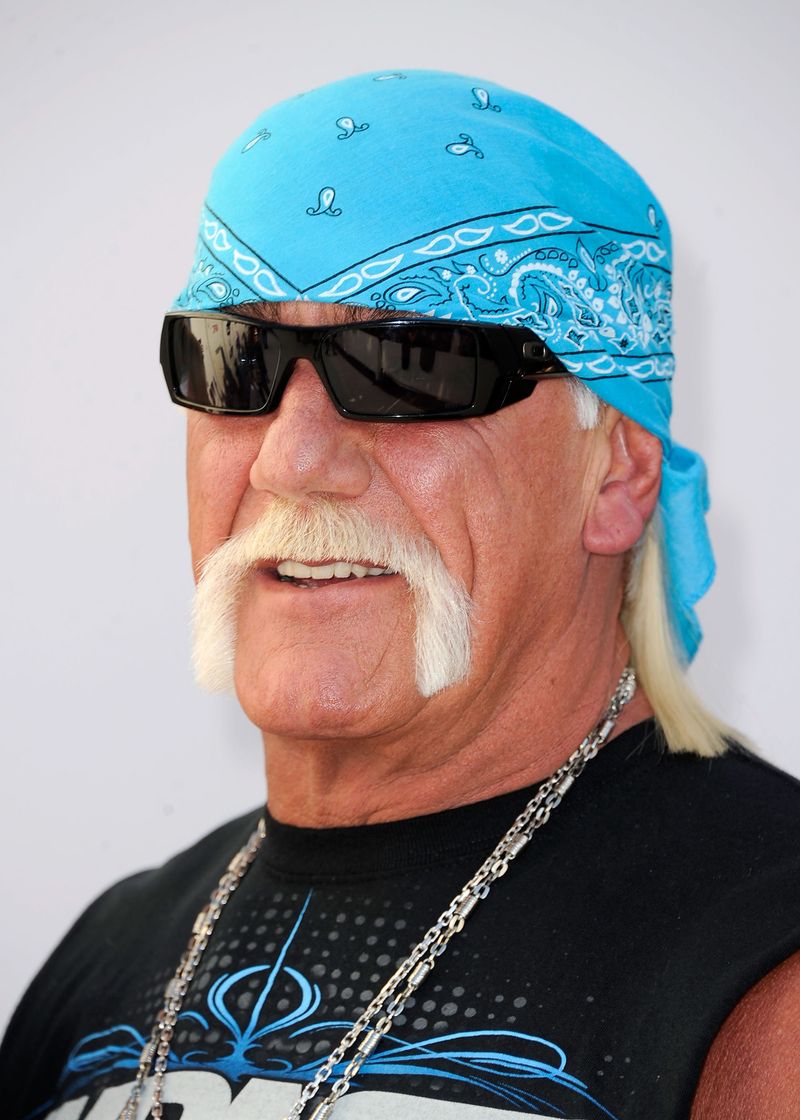
A bright blond handlebar mustache grew into the defining feature of one of professional wrestling’s biggest icons. Its dramatic sweep matched the performer’s oversized personality, booming catchphrases, and showmanship inside the ring. The mustache wasn’t just facial hair—it was part of the persona that electrified arenas for decades.
Its bold, exaggerated shape conveyed intensity and bravado, perfectly suited to his muscle-bound hero image. Whether he was hyping up crowds or facing rivals, the mustache added to the spectacle, making him instantly recognizable from any distance.
As wrestling evolved, that legendary handlebar remained untouched, becoming one of pop culture’s most enduring pieces of facial branding. Fans still associate it with the golden era of wrestling and the larger-than-life charisma that made him a household name.
15. Charles Chaplin
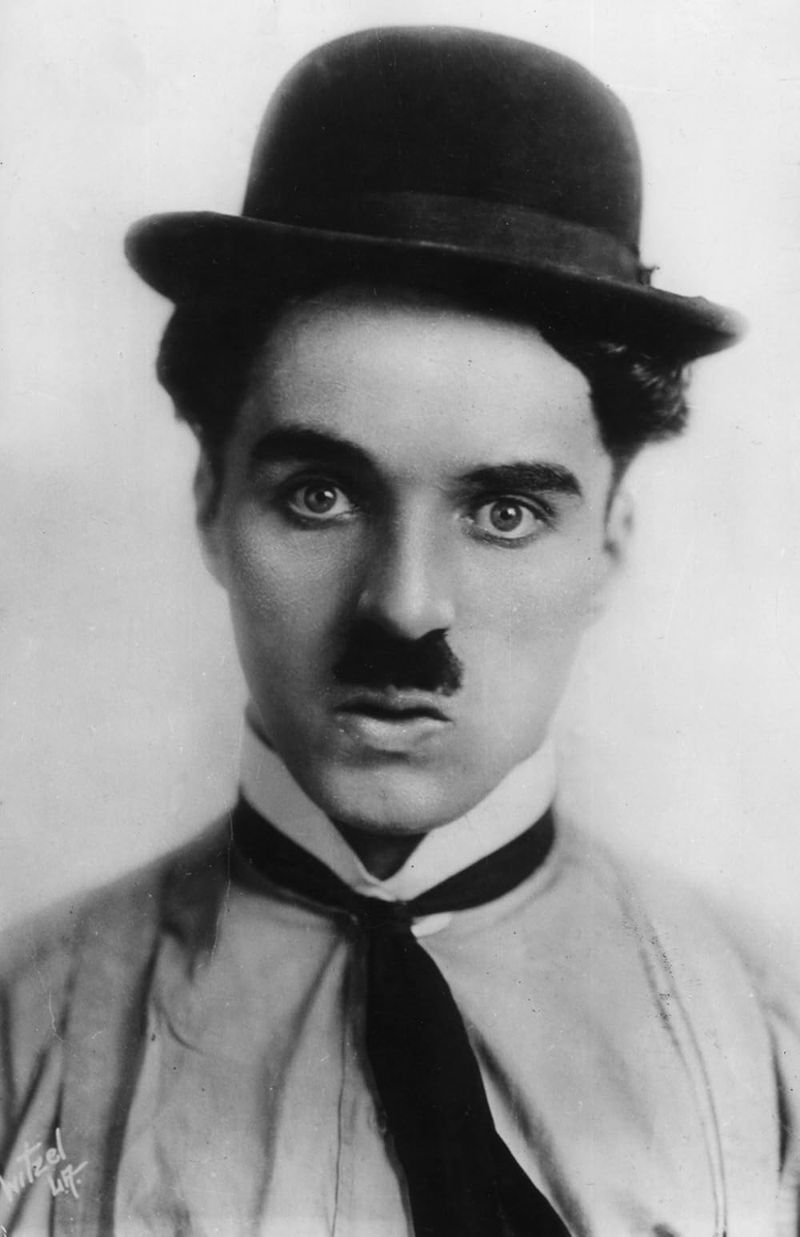
A tiny toothbrush mustache became inseparable from one of cinema’s most influential figures. It framed the expressive face of a performer who relied on physical comedy, silent-era charm, and universal emotion to captivate audiences around the world. Though minimal in size, the mustache amplified the innocence and quirkiness of his beloved Tramp character.
Its sharp shape contrasted with the character’s oversized clothing and gentle manner, creating an instantly recognizable visual identity. The mustache helped exaggerate expressions, giving him a unique blend of dignity and vulnerability that resonated across cultures and generations.
Long after the silent era faded, the mustache remained a symbol of early film innovation. It continues to represent comedy, resilience, and the art of storytelling through sheer expression.