 MomSkoop
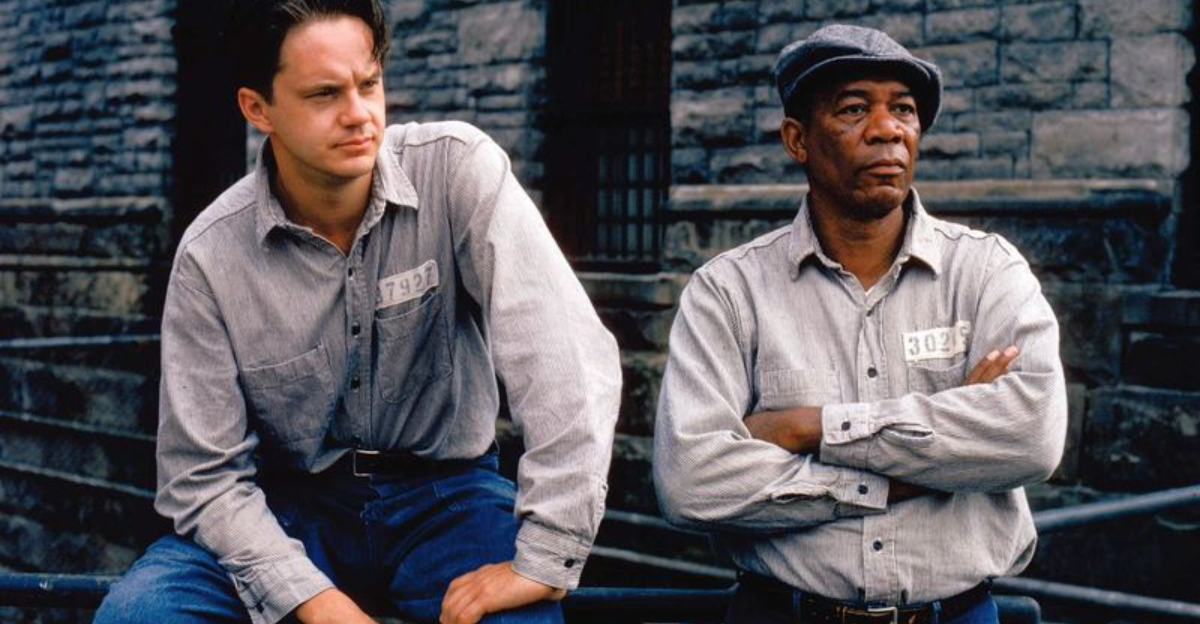
Movies have the power to transport us to different worlds, teach us valuable lessons, and stay with us long after the credits roll. Classic films are special because they’ve stood the test of time, captivating audiences for decades with unforgettable stories and characters. Whether you’re a film buff or just looking for something great to watch, these timeless masterpieces are must-sees that will enrich your understanding of cinema and storytelling.
1. The Godfather (1972)
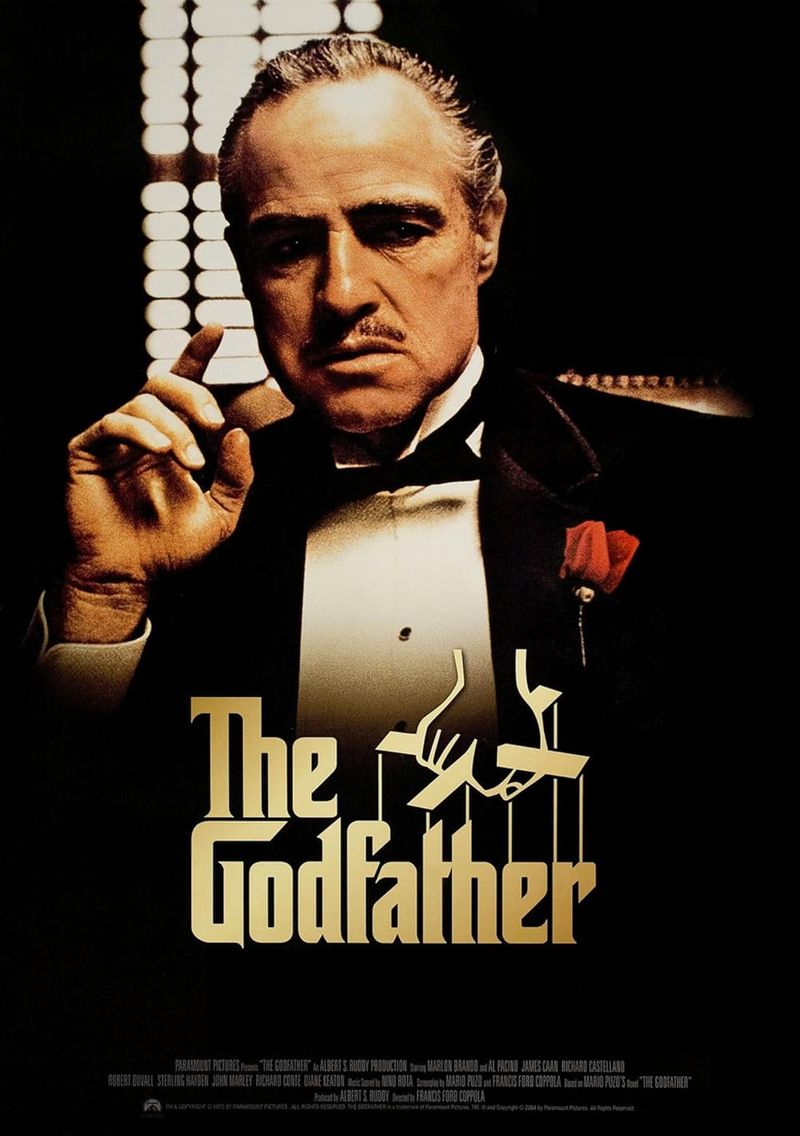
Francis Ford Coppola’s masterpiece about the Corleone crime family changed cinema forever. Marlon Brando delivers an iconic performance as Don Vito Corleone, the aging patriarch who passes his empire to his reluctant son Michael, played brilliantly by Al Pacino.
What makes this film extraordinary is how it explores themes of family loyalty, power, and the American Dream through the lens of organized crime. The cinematography is breathtaking, with shadowy scenes that create an atmosphere of danger and secrecy.
Every frame feels carefully crafted, from the famous opening wedding scene to the shocking finale. Even if you think mob movies aren’t your thing, this film transcends its genre to tell a deeply human story about choices and consequences that will leave you thinking long after it ends.
2. Casablanca (1942)

Set during World War II in French Morocco, this romantic drama stars Humphrey Bogart as Rick Blaine, a cynical nightclub owner whose world turns upside down when his former love Ilsa, played by Ingrid Bergman, walks back into his life.
The film is packed with memorable quotes like “Here’s looking at you, kid” and “We’ll always have Paris” that have become part of our cultural vocabulary. Beyond the romance, it’s a story about sacrifice and doing what’s right even when it breaks your heart.
The black-and-white cinematography creates a moody, atmospheric setting that perfectly captures the uncertainty of wartime. With its perfect blend of love, intrigue, and moral dilemmas, Casablanca remains one of Hollywood’s most beloved films that showcases the golden age of cinema at its finest.
3. 12 Angry Men (1957)
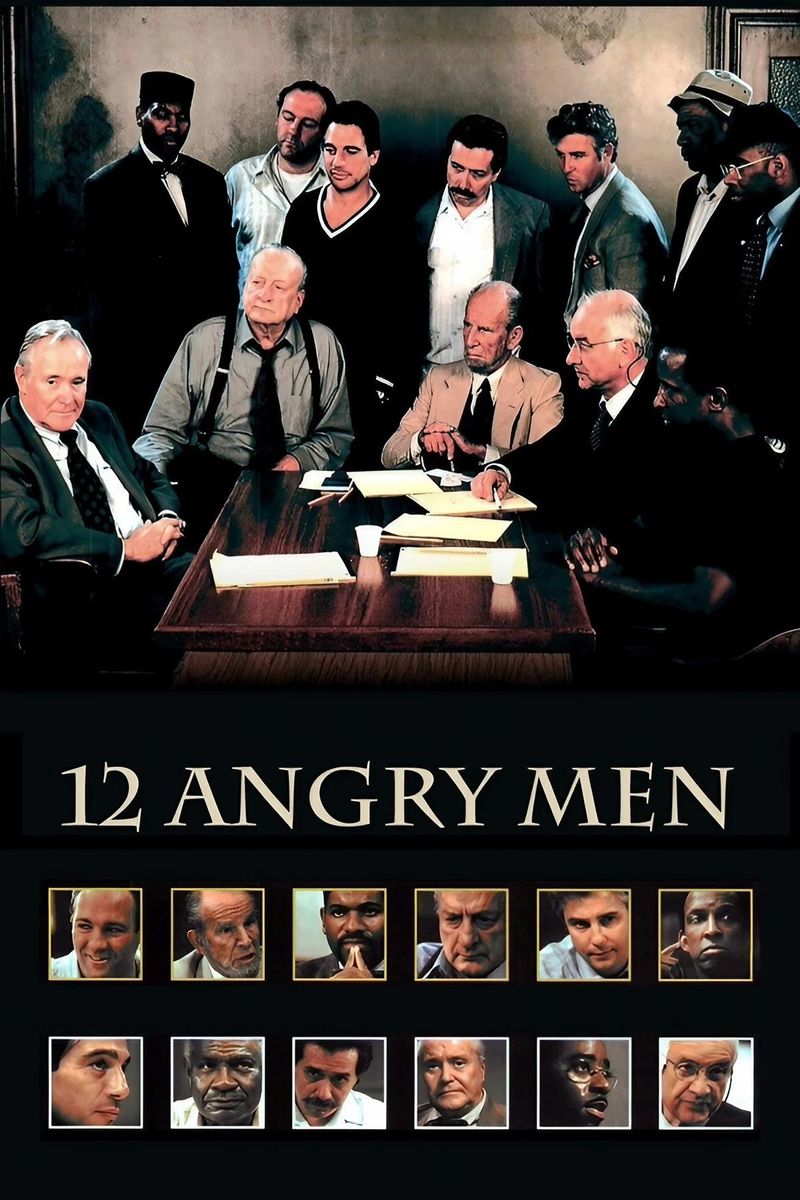
Imagine being locked in a hot jury room with eleven strangers, deciding whether a young man lives or dies. That’s the intense setup for this courtroom drama starring Henry Fonda as the lone juror who votes not guilty when everyone else wants to convict.
Director Sidney Lumet keeps the entire film in one room, yet it never feels boring because the dialogue crackles with tension and intelligence. You’ll watch as prejudices are exposed, tempers flare, and minds slowly change through the power of reasonable doubt and careful thinking.
What’s remarkable is how relevant this film remains today, exploring themes of justice, bias, and the responsibility we have to each other. It proves you don’t need special effects or exotic locations to create gripping cinema, just great writing and powerful performances.
4. Citizen Kane (1941)
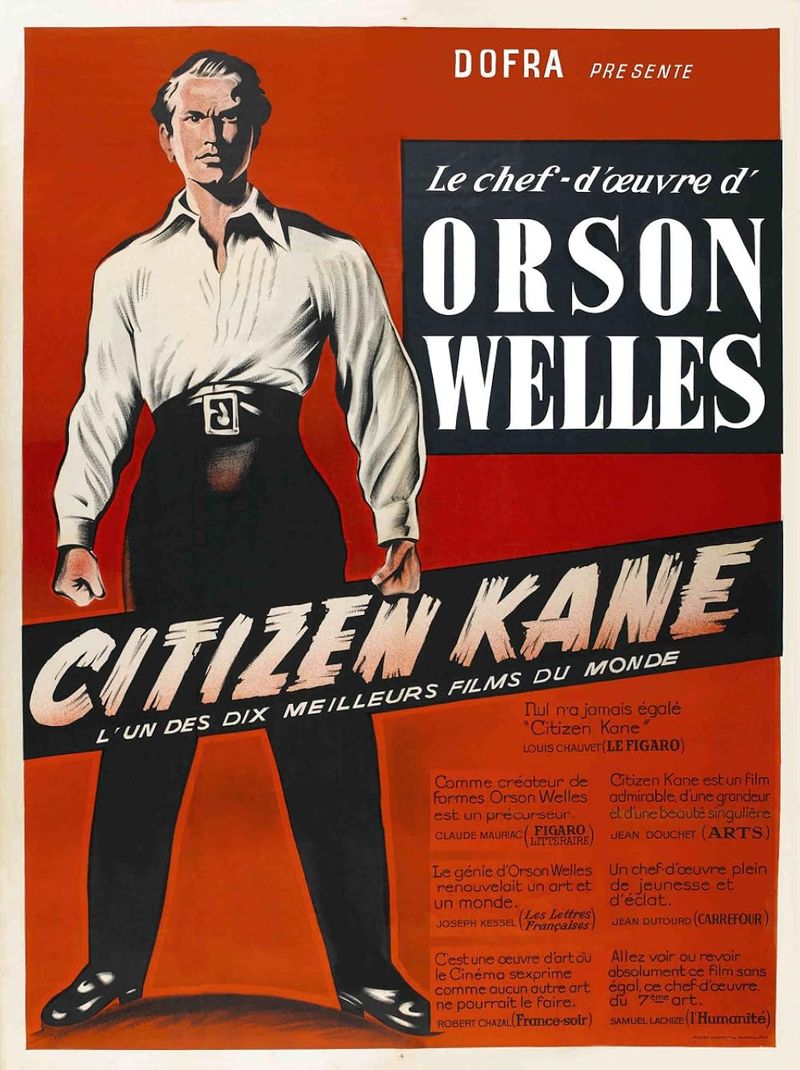
Often called the greatest film ever made, Orson Welles’ debut tells the story of Charles Foster Kane, a powerful newspaper tycoon whose dying word “Rosebud” sends a reporter on a quest to understand his complicated life.
Welles was only 25 when he directed, wrote, and starred in this groundbreaking film that introduced revolutionary camera techniques still used today. The deep focus cinematography allows you to see action happening in multiple layers of the frame simultaneously, creating visual depth rarely seen before.
The narrative structure jumps through time, piecing together Kane’s rise and fall through different perspectives, making you feel like a detective solving a mystery. While some young viewers might find the pacing slower than modern films, the innovation and artistry on display make it essential viewing for understanding how movies evolved into the art form we know today.
5. Schindler’s List (1993)
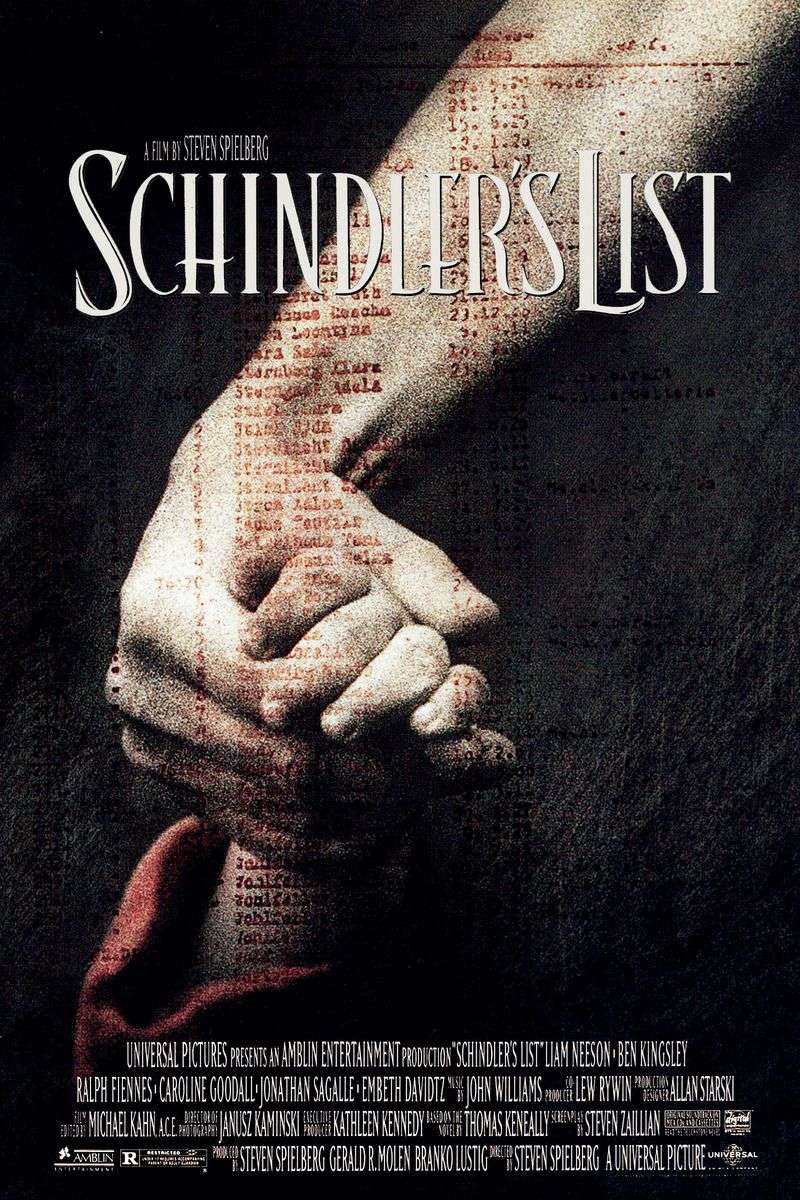
Steven Spielberg’s haunting masterpiece tells the true story of Oskar Schindler, a German businessman who saved over a thousand Jewish lives during the Holocaust. Liam Neeson portrays Schindler’s transformation from profit-seeking opportunist to unlikely hero with heartbreaking authenticity.
Shot almost entirely in black and white, the film doesn’t shy away from showing the horrors of this dark chapter in history, making it emotionally difficult but incredibly important to watch. The sparse use of color in certain scenes creates powerful symbolic moments you’ll never forget.
While the subject matter is heavy, the film ultimately celebrates human courage and the difference one person can make. It’s a testament to the resilience of the human spirit and a reminder of why we must never forget history’s darkest moments.
6. The Wizard of Oz (1939)
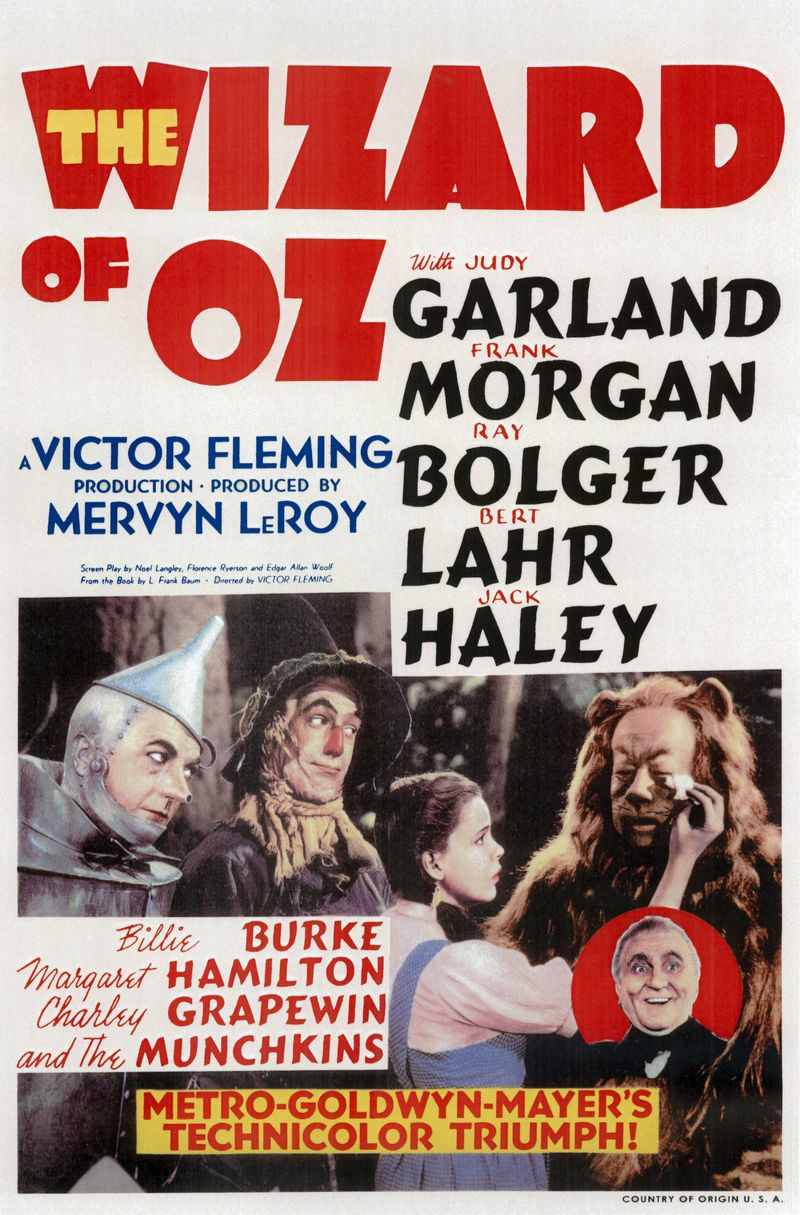
Dorothy’s journey from Kansas to the magical land of Oz has enchanted generations since 1939. Judy Garland was just 16 when she played Dorothy, singing “Over the Rainbow” in a performance that would become one of cinema’s most iconic moments.
The film’s transition from sepia-toned Kansas to technicolor Oz was revolutionary for its time and still creates a sense of wonder today. Along the yellow brick road, Dorothy meets unforgettable characters: the Scarecrow seeking a brain, the Tin Man wanting a heart, and the Cowardly Lion searching for courage.
Beneath the fantasy adventure lies a deeper message about discovering that everything you need is already inside you. The dazzling costumes, memorable songs, and imaginative sets create a timeless fairy tale that reminds us there’s truly no place like home.
7. To Kill a Mockingbird (1962)
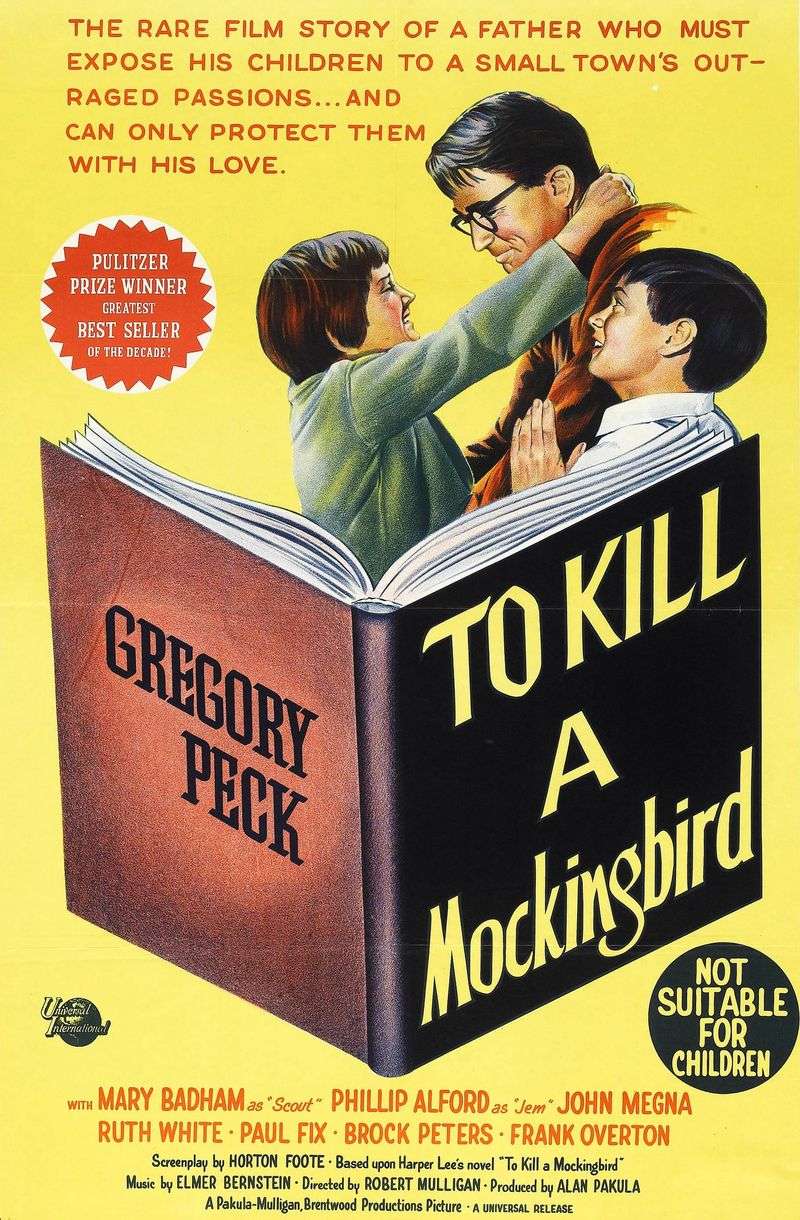
Gregory Peck gives the performance of a lifetime as Atticus Finch, a small-town Alabama lawyer defending a Black man falsely accused of a crime during the Depression era. Seen through the eyes of his young daughter Scout, the story tackles racism, injustice, and moral courage with remarkable sensitivity.
The film captures the innocence of childhood while exposing the ugly realities of prejudice in the American South. Peck’s Atticus became the embodiment of integrity and compassion, teaching his children to walk in someone else’s shoes before judging them.
The courtroom scenes are powerful and emotional, showcasing how one person’s stand against injustice can inspire others. Based on Harper Lee’s beloved novel, this adaptation remains essential viewing for its timeless lessons about empathy, courage, and standing up for what’s right even when everyone else stands against you.
8. Gone with the Wind (1939)
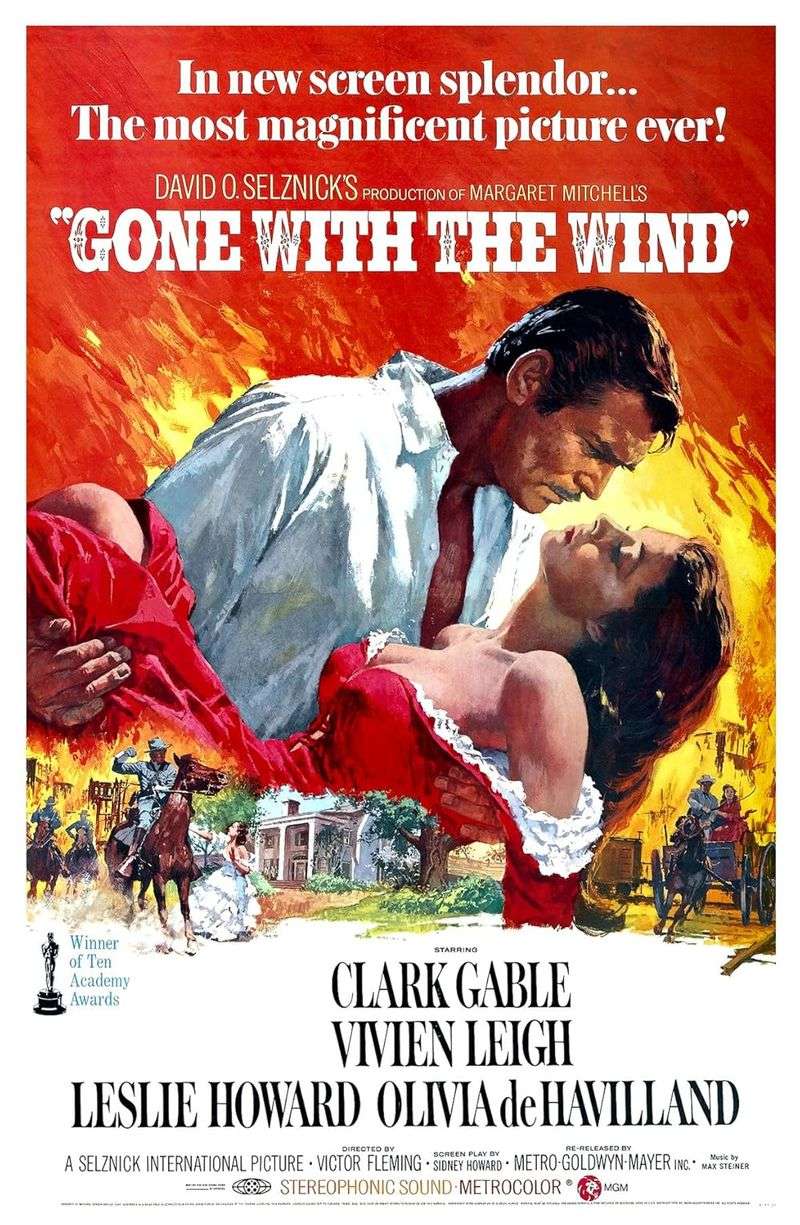
Scarlett O’Hara’s epic journey through the Civil War and Reconstruction era spans nearly four hours, yet every minute captivates. Vivien Leigh’s portrayal of the determined Southern belle who refuses to be defeated by war, poverty, or heartbreak earned her an Academy Award and legendary status.
The sweeping romance between Scarlett and the roguish Rhett Butler, played by Clark Gable, gives us one of cinema’s most famous lines: “Frankly, my dear, I don’t give a damn.”
The film’s technical achievements were groundbreaking, especially the burning of Atlanta sequence that remains impressive today. While modern viewers should note the film’s problematic portrayal of the Old South and slavery, it remains culturally significant as a window into Hollywood’s golden age and an example of epic storytelling on a grand scale that few films have matched since.
9. Psycho (1960)
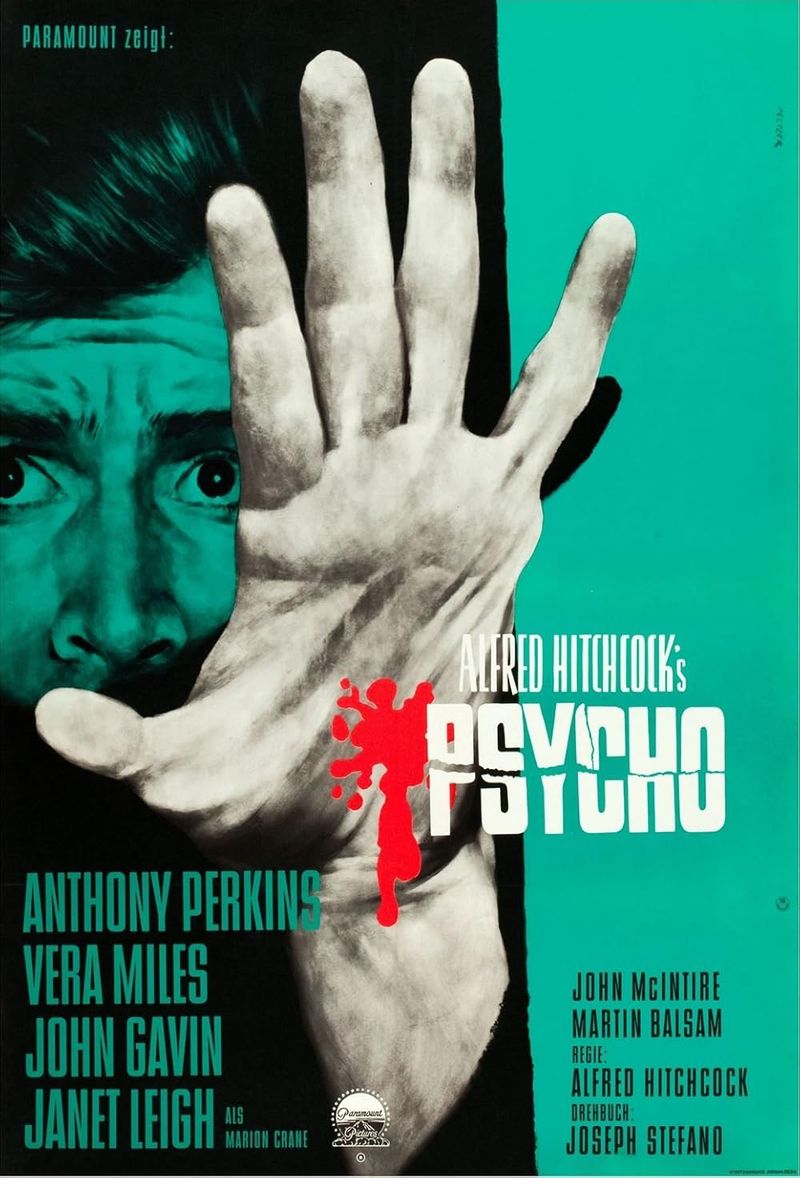
Alfred Hitchcock’s thriller changed horror movies forever with its shocking twists and psychological terror. When Marion Crane stops at the isolated Bates Motel during a rainstorm, she meets the shy Norman Bates, brilliantly played by Anthony Perkins, whose relationship with his mother is disturbingly unusual.
The infamous shower scene remains one of cinema’s most recognizable moments, proving Hitchcock was a master of building suspense through editing and music rather than graphic violence. Bernard Herrmann’s screeching violin score still sends chills down spines decades later.
What makes Psycho so effective is how it breaks all the rules, surprising audiences with unexpected plot turns that keep you guessing until the final revelation. Hitchcock’s clever camera work and pacing create an atmosphere of dread that influenced countless horror films that followed, establishing techniques still used today.
10. Singin’ in the Rain (1952)
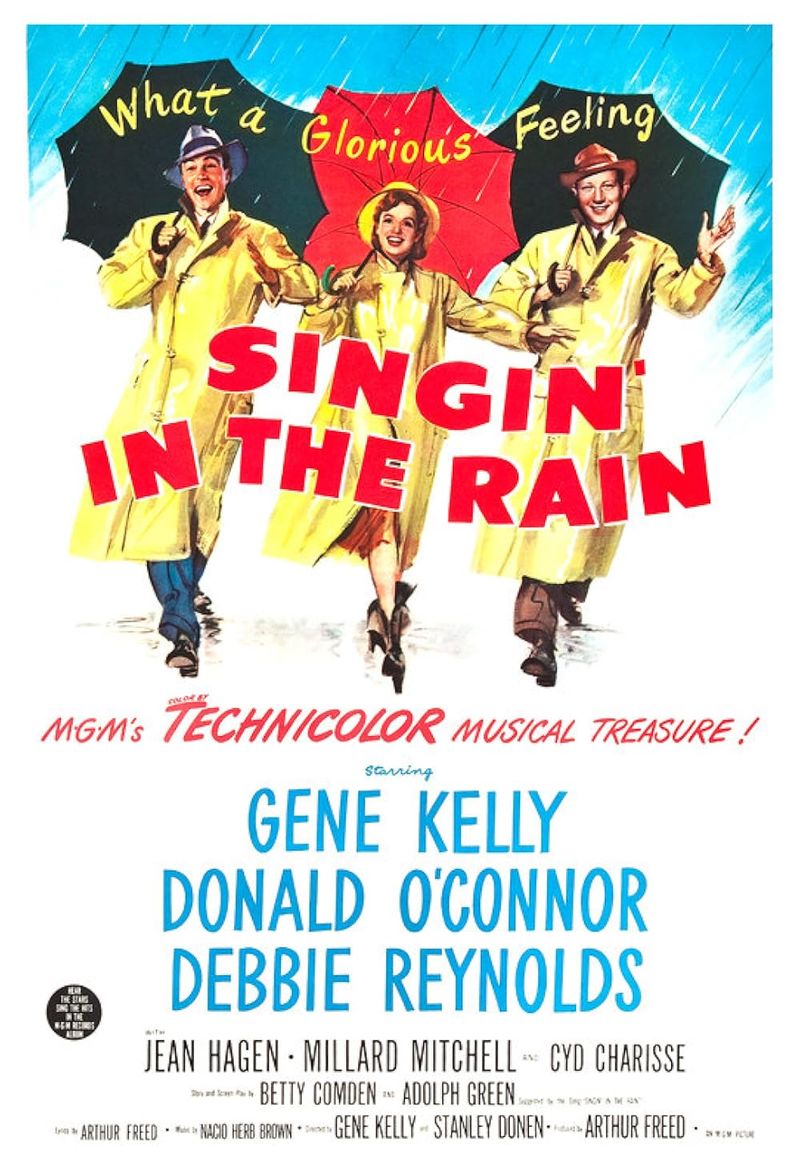
Pure joy explodes off the screen in this celebration of Hollywood’s transition from silent films to talkies. Gene Kelly’s performance of the title song, dancing and splashing through puddles with an umbrella, ranks among the most exuberant musical numbers ever filmed and will make you smile from ear to ear.
The film cleverly shows the chaos that erupted when movies started using sound, with silent film stars suddenly needing good voices to survive. Debbie Reynolds and Donald O’Connor join Kelly in spectacular dance routines that showcase incredible athleticism and timing.
Did you know? O’Connor’s “Make ‘Em Laugh” number was so physically demanding he ended up in bed for three days afterward! The witty script, catchy songs, and dazzling choreography create a feel-good experience that proves why movie musicals became so beloved during Hollywood’s golden era.
11. Lawrence of Arabia (1962)
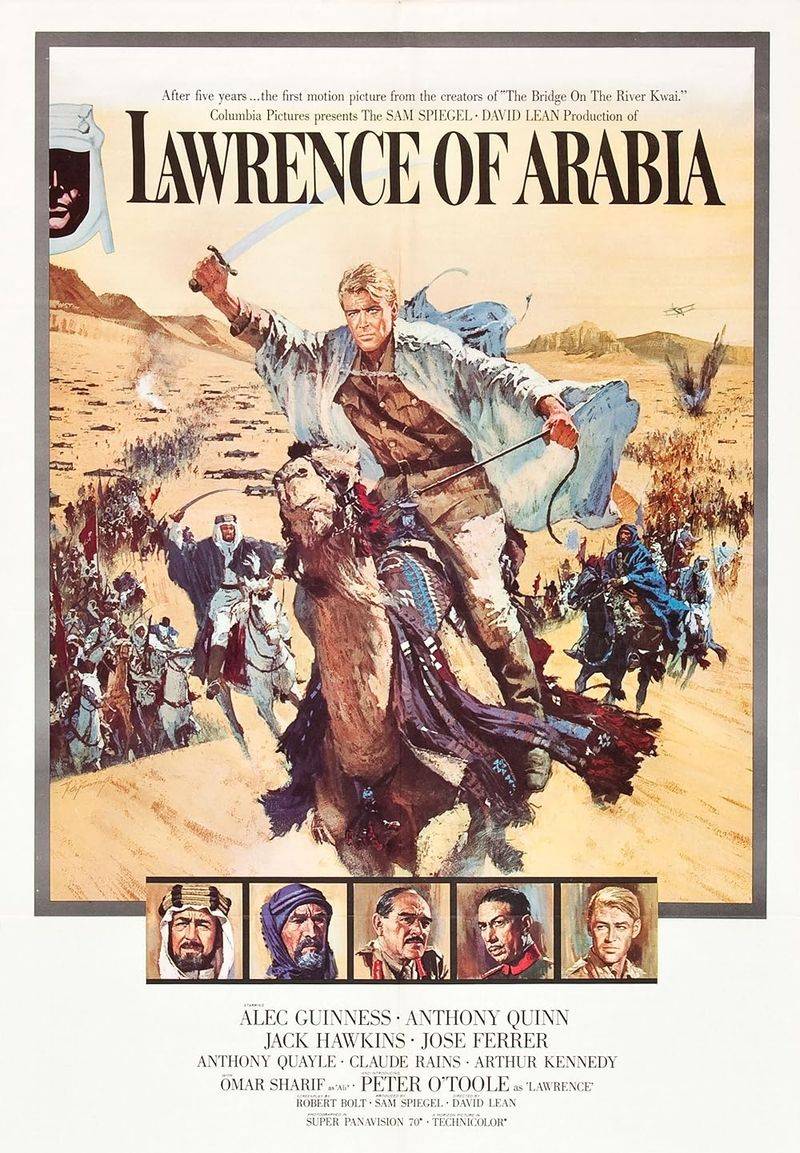
David Lean’s sweeping epic about T.E. Lawrence’s experiences in the Arabian Peninsula during World War I is a visual spectacle best experienced on the biggest screen possible. Peter O’Toole’s mesmerizing performance captures Lawrence’s complexity as he transforms from awkward British officer to legendary desert warrior.
The cinematography by Freddie Young is absolutely stunning, with endless desert vistas that make you feel the scorching heat and vast emptiness. The film’s intermission reminds us of cinema’s grand tradition when movies were events requiring breaks!
At nearly four hours, the pacing might challenge modern viewers accustomed to faster cuts, but patient audiences are rewarded with a profound exploration of identity, leadership, and the costs of war. The spectacular action sequences, especially the train attacks, were achieved without computer effects, making them all the more impressive and authentic.
12. It’s a Wonderful Life (1946)
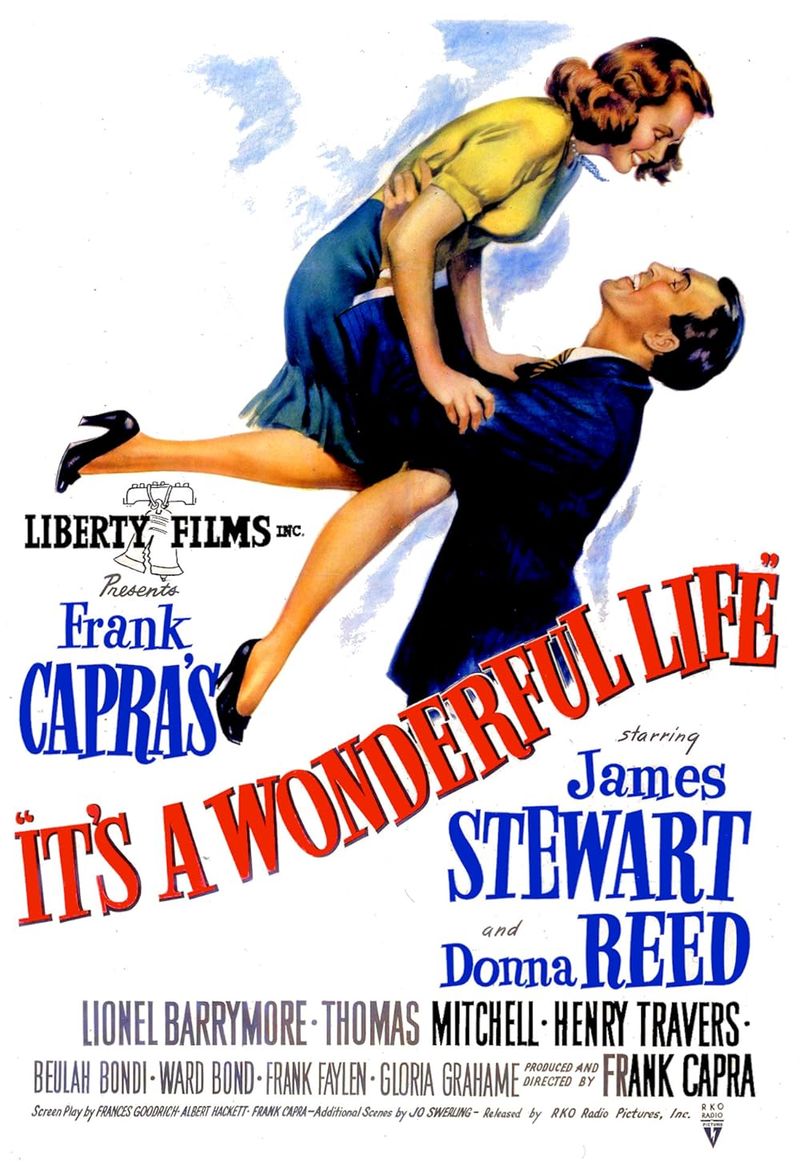
Frank Capra’s heartwarming tale follows George Bailey, a small-town banker who gets to see what life would be like if he’d never been born. James Stewart brings incredible depth to George, making us feel his frustration, despair, and ultimate joy as he discovers how one ordinary life can touch so many others.
Though it flopped initially at the box office, the film found new life through television broadcasts and became a beloved holiday tradition. The message that no person is truly insignificant resonates across generations, reminding us that our daily acts of kindness create ripples we may never see.
The supporting cast, especially Donna Reed as George’s devoted wife Mary, creates a warm portrait of community and love. When George finally realizes what he has, his joyful return home will likely bring tears to your eyes and renewed appreciation for your own wonderful life.
13. Star Wars (1977)
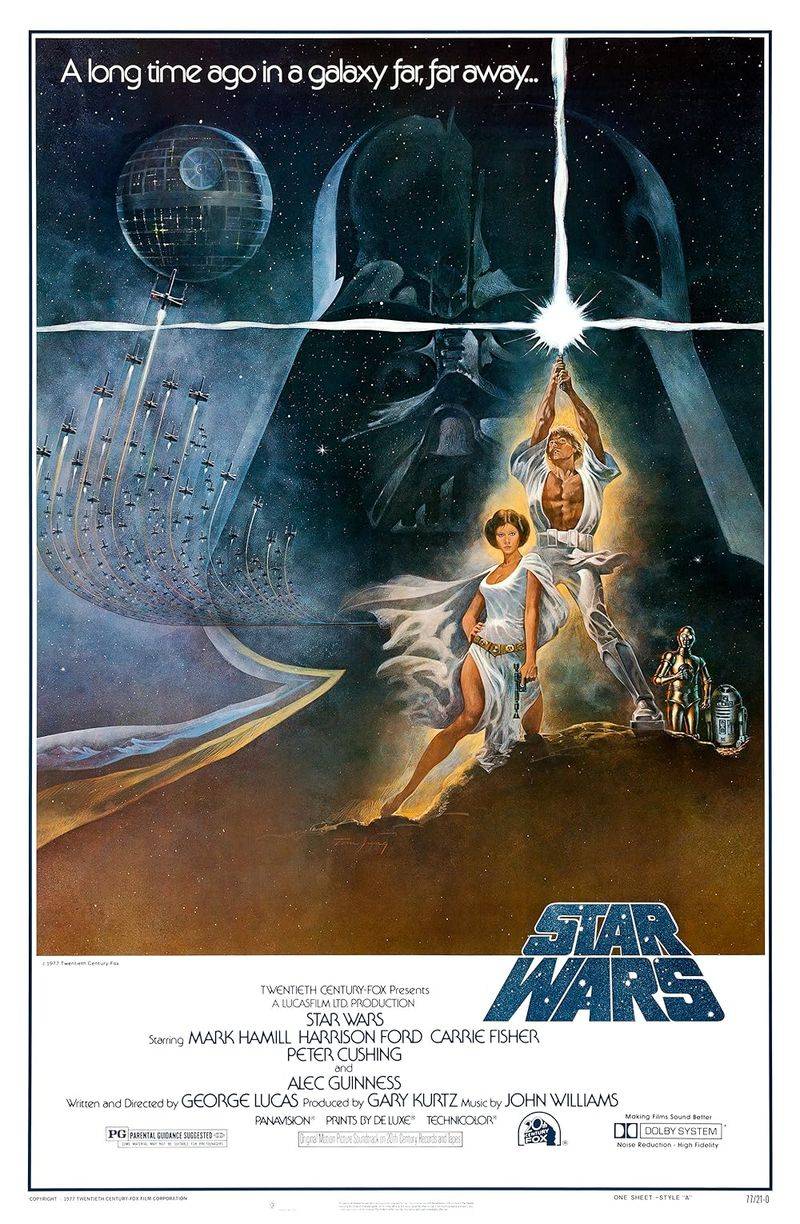
George Lucas transported audiences to a galaxy far, far away with this space opera that revolutionized filmmaking and popular culture. The story of farm boy Luke Skywalker joining the rebellion against the evil Empire introduced unforgettable characters like Princess Leia, Han Solo, Darth Vader, and the lovable droids R2-D2 and C-3PO.
The groundbreaking special effects, created before computers could generate such imagery, still hold up remarkably well and showcase incredible creativity and craftsmanship. John Williams’ soaring orchestral score is instantly recognizable and elevates every scene to epic proportions.
Beyond the spectacular space battles and lightsaber duels, Star Wars tells a timeless hero’s journey about good versus evil, friendship, and believing in something greater than yourself. The film spawned a franchise that continues today, but the original captures lightning in a bottle with its perfect mix of adventure, humor, and heart.