 MomSkoop

When you’ve experienced trauma or ongoing stress, your body can forget what safety feels like. Your nervous system stays on high alert, making it hard to relax even when danger has passed.
Learning to feel safe again is a journey that requires patience, practice, and small intentional steps that help your mind and body reconnect with calm and trust.
1. Notice Your Baseline

Your body holds memories of stress and calm in ways you might not always recognize. Paying attention to physical sensations throughout your day creates awareness of your nervous system’s patterns. Are your shoulders tight? Is your breathing shallow? Do you feel numb or buzzing with energy?
Tracking these signals without judgment helps you understand your emotional weather. You might notice anxiety shows up as a tight stomach, while calm feels like loose shoulders and steady breath. This awareness becomes your compass.
Keep a simple journal noting body sensations during different activities or times of day. Over time, patterns emerge that teach you what triggers stress and what brings relief.
2. Practice Micro-Grounding

Big grounding exercises can feel overwhelming when your nervous system is fragile. Micro-grounding offers tiny anchors you can use anywhere, anytime. Press your feet firmly into the floor and notice the solid support beneath you. Run your fingers over a smooth stone or soft fabric, focusing entirely on the texture.
Slow exhales trigger your body’s relaxation response instantly. Breathe out longer than you breathe in, counting to four on the inhale and six on the exhale. These small actions interrupt panic spirals.
The beauty of micro-grounding is its portability and subtlety. Nobody needs to know you’re doing it, making it perfect for stressful meetings or crowded spaces.
3. Name What Feels Unsafe

Vague unease keeps your body stuck in protection mode because it can’t distinguish past threats from present reality. Getting specific about triggers helps your nervous system update its threat assessment. Maybe loud voices remind you of conflict, or certain smells transport you back to difficult times.
Write down situations, people, or environments that activate fear or discomfort. Be detailed: “crowded grocery stores on weekends” is more useful than “crowds.” This clarity allows you to prepare or avoid when necessary.
Naming also creates distance. When you can say, “This reminds me of the past, but I’m safe now,” your brain begins separating then from now, gradually loosening old patterns.
4. Create Moments of Predictability

Chaos teaches your nervous system that life is dangerous and unpredictable. Simple routines become evidence that you can trust what comes next. Morning coffee at the same time, a short walk after dinner, or reading before bed—these rituals signal stability.
Predictability doesn’t mean rigidity. Even one consistent anchor point in your day helps. Your body learns to anticipate comfort instead of constantly bracing for the unexpected.
Start small with routines you can actually maintain. Missing a routine shouldn’t create more stress. The goal is gentle repetition that whispers to your nervous system: things can be steady and safe here.
5. Build a Safe Signals List

Everyone has unique cues that help them feel grounded and protected. Creating a personalized list of these safe signals gives you a menu of options when distress hits. Maybe it’s your grandmother’s blanket, a specific playlist, the smell of lavender, or your dog’s presence.
Include people who consistently make you feel calm and heard. Add places: a particular park bench, your favorite coffee shop, or even a corner of your bedroom. Write down activities too, like baking, drawing, or watching nature videos.
Keep this list accessible on your phone or written somewhere visible. When overwhelmed, choice becomes difficult, so having a ready reference helps you quickly reach for reliable comfort.
6. Relearn Safe Touch and Connection

Trauma can make physical contact feel threatening, even when your mind knows it’s meant to comfort. Rebuilding a sense of safe touch starts with what feels manageable. Hold your own hand, place a palm over your heart, or wrap yourself in a weighted blanket that provides pressure without unpredictability.
If you have trusted people in your life, communicate clearly about what kinds of touch feel good. A hand on your shoulder might feel safe while a hug feels suffocating, or vice versa. Your preferences matter and can change.
Physical connection with pets offers another pathway. Animals provide warmth and affection without complex emotional demands, making them excellent practice partners for relearning gentle contact.
7. Strengthen Your Boundaries
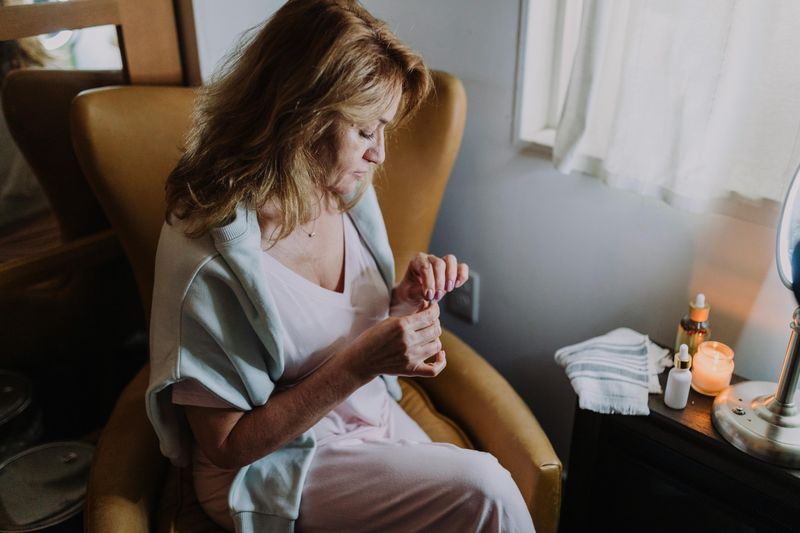
Feeling safe requires knowing you can protect yourself from harm, including emotional harm. Boundaries teach your nervous system that you’re in charge of your own well-being. Saying no to requests that drain you, pausing conversations that feel overwhelming, or leaving situations that trigger distress—these are acts of self-protection.
Many people struggle with boundary-setting because they fear conflict or rejection. Remember that boundaries aren’t walls; they’re guidelines that help relationships work better. Clear limits actually create more authentic connections.
Start with low-stakes boundaries to build confidence. Each time you honor your limits and survive the discomfort, your body gains evidence that you’re capable of self-care.
8. Practice Co-Regulation

Your nervous system is constantly reading and responding to the emotional states of people around you. This phenomenon, called co-regulation, means that being near calm, grounded individuals helps your own system settle. Their steady breathing, relaxed posture, and peaceful energy become contagious.
Seek out people who embody the safety you’re trying to cultivate. This might be a therapist, a particular friend, or a yoga instructor. You don’t always need to talk; simply sharing space with regulated nervous systems creates healing.
Co-regulation works both ways, so as you become more grounded, you’ll naturally help others feel safer too. It’s one of the most powerful tools for collective healing.
9. Engage in Slow Presence
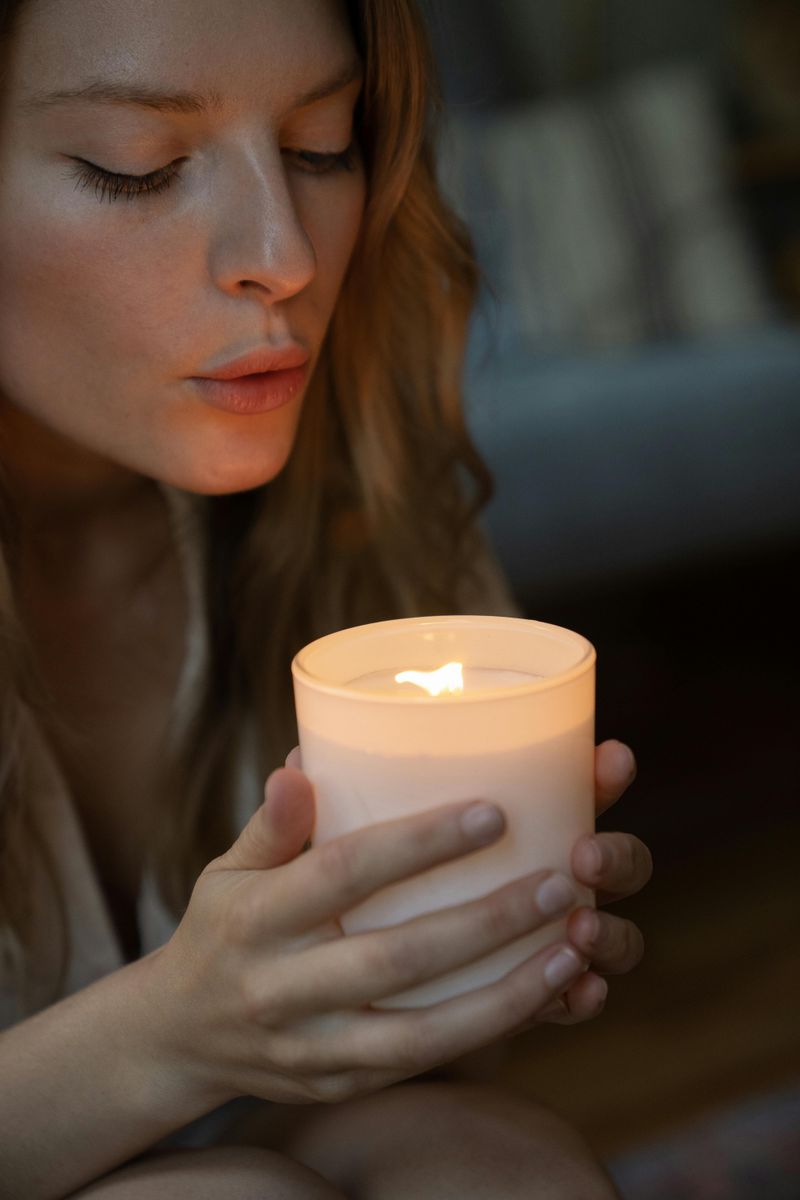
Racing thoughts and constant vigilance exhaust your nervous system. Slow presence offers an antidote by anchoring you in this exact moment. Mindfulness doesn’t require sitting cross-legged for hours; it can be as simple as noticing five things you can see right now.
Gentle movement like stretching, walking slowly, or swaying to music brings awareness into your body. Focus on sensation rather than achievement. How does your foot feel as it touches the ground? What temperature is the air on your skin?
These practices train your brain to stay present instead of scanning for threats or replaying past hurts. Presence itself becomes a refuge where safety lives.
10. Give Your System Evidence of Safety

Your brain has a negativity bias, remembering threats more vividly than peaceful moments. Actively collecting evidence of safety helps rebalance this tendency. After navigating a difficult situation, pause to acknowledge: “I handled that. Nothing terrible happened. I’m okay.”
Celebrate wins that might seem small to others but are huge for you. You spoke up in a meeting. You set a boundary. You felt triggered but didn’t spiral. These victories deserve recognition.
Keep a “safety log” where you record moments when things went well, people were kind, or you felt capable. Over time, this collection becomes proof that your world contains goodness and that you possess strength.
11. Seek Restorative Environments

Environments profoundly impact your nervous system’s ability to relax. Some spaces naturally invite your body to let down its guard. Nature offers particularly powerful restoration—studies show that time outdoors reduces stress hormones and increases feelings of wellbeing.
You don’t need a wilderness retreat; a local park, your backyard, or even a single houseplant can help. Warm spaces with soft lighting feel safer than harsh fluorescent rooms. Quiet corners where you won’t be interrupted allow your system to truly rest.
Sunlight plays a special role in regulating mood and circadian rhythms. Even ten minutes of morning sun can signal safety to your body. Intentionally choosing restorative environments becomes an act of self-care.