 MomSkoop
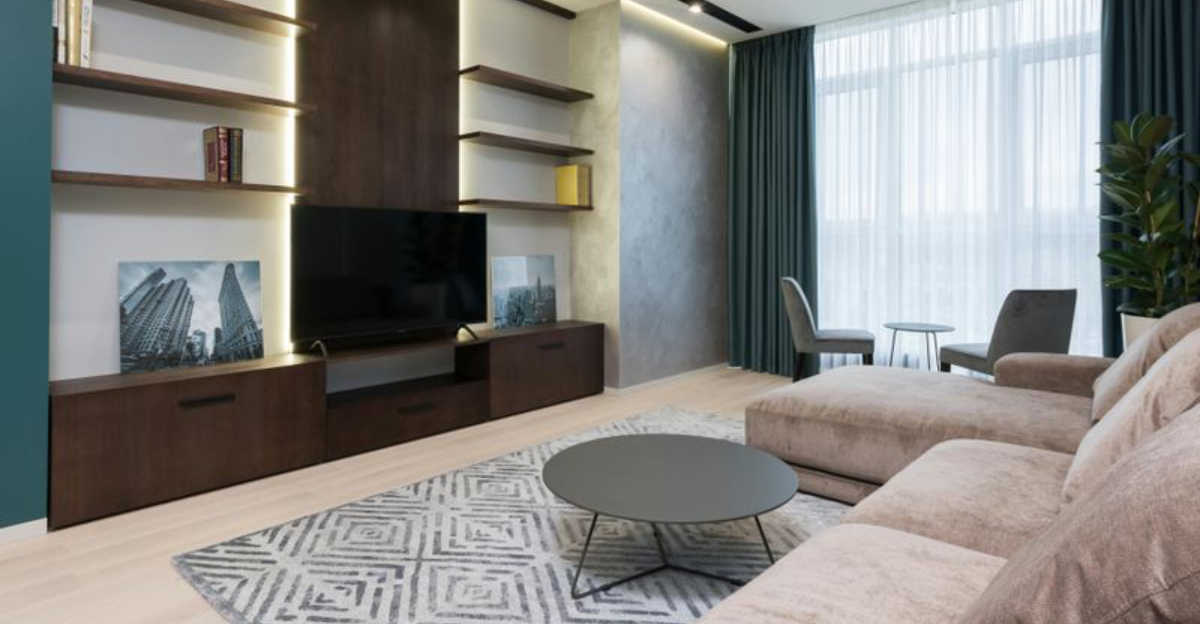
Small apartments don’t have to feel cramped or boring. European designers have mastered the art of making tiny rooms look elegant, spacious, and totally luxurious. From clever furniture choices to smart color tricks, these design secrets can transform even the tiniest space into a stylish retreat that feels way bigger than it actually is.
1. Floor-to-Ceiling Curtains Create Height Illusions

Hanging curtains right at the ceiling line instead of just above the window frame works like magic. Your walls instantly appear taller, and the whole room feels more spacious and grand. Europeans have used this trick for decades in their compact city apartments.
Choose lightweight fabrics in neutral tones that let natural light filter through. The vertical lines draw your eyes upward, creating an optical illusion of height. This simple change costs barely anything but delivers a high-end hotel vibe.
Mount your curtain rods as close to the ceiling as possible. Let the fabric just barely kiss the floor for that polished, designer look everyone admires.
2. Mirrors Strategically Placed Opposite Windows

Positioning a large mirror directly across from your window doubles the natural light bouncing around your room. French and Scandinavian designers swear by this technique to brighten dark corners and make cramped quarters feel twice as large. The reflection tricks your brain into perceiving more space than actually exists.
Look for mirrors with interesting frames that add personality without overwhelming your walls. Vintage gold or sleek black frames work beautifully in most European-inspired spaces.
Avoid placing mirrors where they reflect clutter or unattractive views. Strategic positioning matters more than mirror size when creating that luxurious, airy atmosphere you’re after.
3. Furniture with Exposed Legs Feels Lighter

Sofas and chairs that sit on visible legs create breathing room underneath, making furniture appear to float. This Danish design principle prevents heavy pieces from visually weighing down your limited square footage. The empty space beneath allows your eyes to travel further, expanding the perceived room size.
Solid, blocky furniture that touches the floor creates visual barriers and makes spaces feel cramped. Elevated pieces on slender legs maintain an open, airy quality that screams sophistication.
Choose furniture with tapered wooden or metal legs in coordinating finishes. This cohesive approach ties your room together while maintaining that coveted European elegance and spaciousness.
4. Monochromatic Color Schemes Expand Boundaries

Sticking to one color family throughout your space eliminates visual breaks that chop up square footage. Italian designers frequently employ soft neutrals or muted tones that blend walls, furniture, and textiles into one cohesive flow. Your eyes glide smoothly across the room without jarring stops.
This doesn’t mean everything must match perfectly. Vary textures and shades within your chosen color to add depth and interest without sacrificing that expansive feeling.
Creams, grays, and soft whites remain popular European choices. Add personality through artwork, plants, or a single accent piece rather than multiple competing colors throughout.
5. Built-In Storage Hides Clutter Seamlessly

Custom shelving and cabinets that blend into your walls eliminate the bulky appearance of freestanding furniture. German and Swiss designers excel at creating storage solutions that disappear into the architecture itself. When painted the same color as surrounding walls, these built-ins become nearly invisible.
Clutter destroys any sense of luxury, no matter how beautiful your space. Hidden storage keeps necessities accessible while maintaining clean lines and visual calm.
Even renters can use slim, wall-mounted shelves in matching paint colors. The key lies in creating seamless transitions rather than obvious storage pieces jutting into your precious space.
6. Oversized Art Makes Bold Statements

One large piece of art commands attention better than a scattered gallery wall in tight quarters. Parisian apartments often feature a single dramatic painting or photograph that becomes the room’s focal point. This approach feels sophisticated and intentional rather than cluttered and busy.
Big art pieces create the illusion that the wall itself extends further. Your brain associates large-scale items with spacious environments, subconsciously making the room feel more expansive.
Choose artwork that speaks to your personal style but doesn’t overwhelm with busy patterns. Simple compositions in colors that complement your palette work best for that understated European luxury.
7. Glass and Lucite Furniture Disappears Visually

Transparent furniture allows light and sightlines to pass straight through, creating zero visual obstruction. Swedish and Belgian designers frequently incorporate glass coffee tables, acrylic chairs, or lucite side tables in compact homes. These pieces provide full functionality without consuming visual space.
Solid furniture blocks your view and makes rooms feel smaller. See-through alternatives maintain openness while serving the exact same purpose.
Mix transparent pieces with solid ones for balance. A glass dining table paired with upholstered chairs creates interest while keeping your space feeling uncluttered and breathable, exactly like those chic European lofts.
8. Vertical Storage Maximizes Wall Real Estate

Building upward instead of outward preserves precious floor space while providing ample storage. European city dwellers have perfected vertical organization systems that reach toward the ceiling. Tall bookcases, stacked storage boxes, and high-mounted shelves keep belongings organized without crowding your walking areas.
Most people underutilize the upper portions of their walls. That wasted vertical space represents valuable storage potential waiting to be tapped.
Install shelves or cabinets that extend as high as comfortably reachable. Keep a small step stool handy for top shelves where you can store seasonal or rarely-used items beautifully out of sight.
9. Striped Rugs Lengthen Narrow Rooms

Rugs with stripes running lengthwise guide the eye along the longest dimension of your room. This classic European trick makes narrow spaces appear longer and more proportional. The linear pattern creates movement and direction that counteracts cramped feelings.
Horizontal stripes widen tight hallways, while vertical stripes can make square rooms feel more rectangular and interesting. Choose colors that complement rather than contrast sharply with your flooring.
Natural fiber rugs in subtle stripe patterns work beautifully in most spaces. Avoid busy patterns that visually chop up your floor and make the room feel even smaller than before.
10. Pocket Doors Save Swing Space

Traditional doors require clearance space for swinging open, consuming valuable square footage. Pocket doors slide directly into the wall cavity, completely eliminating this wasted area. Italian and Spanish renovators frequently install these space-savers in bathrooms, closets, and bedrooms.
Reclaiming door-swing space might give you room for a small chair, extra shelving, or simply better traffic flow. Every inch counts when working with limited square footage.
While installation requires some wall modification, the payoff in usable space proves worthwhile. Barn doors offer a similar space-saving benefit if pocket door installation isn’t feasible in your situation.
11. Light Wood Tones Brighten Interiors

Pale woods like birch, ash, and light oak reflect more light than dark finishes. Nordic countries especially favor these blonde tones that combat long, dark winters while making compact apartments feel cheerful and spacious. The natural warmth prevents spaces from feeling sterile despite the light palette.
Dark wood absorbs light and can make small rooms feel cave-like. Lighter alternatives maintain coziness while enhancing brightness and perceived space.
Consider bleached or whitewashed wood if you’re stuck with dark floors. Area rugs in lighter tones also help balance darker wood elements you cannot easily change or replace.
12. Continuous Flooring Unifies Connected Spaces

Using identical flooring throughout your entire apartment eliminates visual boundaries between rooms. Belgian and Dutch designers remove transitions and thresholds wherever possible, creating one seamless surface. Your eye travels uninterrupted across the space, making it feel significantly larger.
Different flooring materials in each room chop up your square footage into smaller, disconnected boxes. Unified flooring tricks your perception into seeing one expansive area.
If you’re renting, large area rugs in similar tones can create this effect. The goal remains creating visual continuity that allows spaces to flow naturally into one another effortlessly.