 MomSkoop

Moving in with your partner is exciting and marks a big step in your relationship. However, sharing a home brings new challenges that many couples are not prepared for. Without clear communication and planning, small issues can quickly turn into major problems. Learning about common mistakes helps you build a stronger, happier life together from the start.
1. Avoiding Tough Conversations

Many couples believe that love will naturally work everything out, but reality hits hard when bills arrive or the sink is full of dirty dishes. Avoiding discussions about money, household responsibilities, or long-term goals creates confusion and builds resentment over time. Your partner cannot fix problems they do not know exist.
Having honest conversations feels awkward at first, but it prevents bigger fights later. Set aside time to talk about who pays for what, how you will split chores, and what you both want for the future. Being open now saves heartache down the road.
Remember that talking through uncomfortable topics shows maturity and strengthens your bond. Address issues when they are small instead of waiting until emotions explode.
2. Assuming the Other Person Just Knows

Mind-reading only works in movies, not in real relationships. Expecting your partner to automatically understand your needs, preferences, or feelings without saying anything creates unnecessary frustration for both of you. Everyone grows up differently and has unique ways of showing love and care.
What seems obvious to you might be completely invisible to someone else. If you want help with dinner, ask directly instead of hoping they notice. When something bothers you, speak up kindly rather than sulking silently.
Clear communication removes guesswork and prevents misunderstandings that damage relationships. Your partner wants to make you happy but needs your guidance to do so. Use your words, be specific, and watch how much smoother your home life becomes.
3. Not Setting Boundaries for Personal Space

Just because you live together does not mean you need to be joined at the hip every single moment. Everyone needs time alone to recharge, pursue hobbies, or simply sit quietly without conversation. Forgetting this basic need leads to feeling suffocated and irritable.
Healthy relationships include space for individual growth and solitude. Maybe one person needs an hour after work to decompress, or weekends include solo activities that bring personal joy. Respecting these needs shows love, not distance.
Talk about what alone time looks like for each of you and honor those boundaries without taking them personally. Having separate interests and occasional space actually makes your time together more enjoyable and meaningful.
4. Letting Small Annoyances Build Up

That wet towel on the floor seems tiny today, but after seeing it for the hundredth time, it becomes a symbol of disrespect. Ignoring little irritations does not make them disappear—they pile up like dirty laundry until you explode over something seemingly minor.
Address small problems early with kindness and humor before they become relationship landmines. A gentle reminder works better than weeks of silent anger followed by a massive argument. Your partner probably does not realize their habit bothers you.
Approach these conversations calmly and focus on solutions rather than blame. Most small annoyances have simple fixes when handled promptly. Keeping communication open prevents resentment from poisoning your relationship.
5. Merging Lives Too Quickly

Excitement about living together sometimes pushes couples to combine everything immediately—bank accounts, friend groups, daily schedules, and more. However, rushing this process often creates stress and confusion when you realize your systems do not match up perfectly.
Take time to figure out what works for both of you before merging everything. Maybe keep separate accounts with one joint account for shared expenses. Perhaps maintain some individual friendships alongside couple friends.
Finding the right balance takes patience and experimentation. What works for other couples might not suit your relationship, and that is perfectly fine. Move at a pace that feels comfortable for both partners, adjusting as you learn more about living together.
6. Losing Individual Identity

Becoming a couple should add to your life, not replace everything else that makes you who you are. Some people drop their hobbies, stop seeing friends, or abandon self-care routines because they focus entirely on the relationship. This creates an unhealthy dependence and erases parts of your personality.
Your partner fell in love with the complete person you were, including your interests and friendships. Maintaining those aspects keeps you interesting, fulfilled, and balanced. Schedule time for activities you enjoy independently.
A strong relationship includes two whole individuals choosing to share life together. Keep nurturing your passions, friendships, and personal growth. This makes you happier and gives you more to share with your partner.
7. Not Dividing Chores Fairly
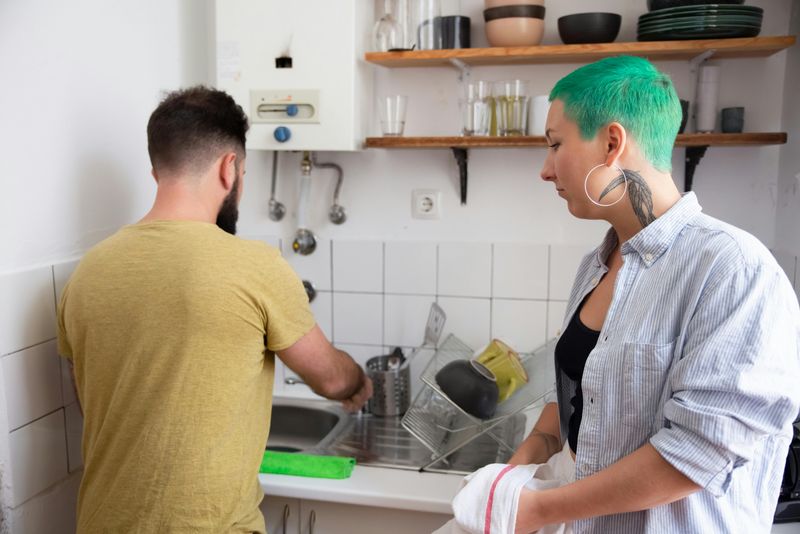
Nothing kills romance faster than one person constantly cleaning up after the other. When household responsibilities fall unfairly on one partner, resentment builds quickly and creates an unhealthy power imbalance in the relationship.
Sit down together and make a clear plan for dividing chores based on schedules, preferences, and abilities. Maybe one person hates dishes but does not mind laundry. Find a system that feels fair to both of you.
Check in regularly to make sure the arrangement still works as life changes. Sharing the load shows respect and teamwork. Both people live in the home, so both should contribute to maintaining it equally.
8. Bringing Old Habits From Past Relationships

Your current partner is not responsible for mistakes made by your ex. Comparing them, assuming they will behave the same way, or reacting based on past hurts punishes someone who did nothing wrong. Every relationship deserves a fresh start.
Past experiences shape us, but they should not control our present relationships. If your ex cheated, that does not mean your current partner will. Notice when old fears creep in and remind yourself this is a different person.
Give your partner the benefit of the doubt and judge them by their own actions. If past relationship trauma affects your current one, consider talking to a counselor. Your partner deserves to be seen for who they truly are.
9. Forgetting to Date Each Other

Remember when you used to plan special outings, dress up nice, and create memorable experiences together? Living together makes comfort easy, but it can also make relationships feel boring if you stop putting in effort. Sweatpants and takeout every night gets old fast.
Keep the romance alive by scheduling regular date nights, trying new activities, or surprising each other with thoughtful gestures. Treat your partner like someone worth impressing, because they are.
Intentional quality time strengthens your connection and reminds you why you chose each other. Fun and romance should not end just because you share a home. Make your relationship a priority worth celebrating regularly.
10. Expecting Living Together to Fix Problems

Some couples believe that moving in together will magically solve existing issues like poor communication, trust problems, or constant arguments. The truth is that sharing a home actually magnifies whatever problems already exist in your relationship.
If you struggle to communicate now, living together will not fix it—you will just argue more often. Trust issues become worse when you are together constantly. Address relationship problems before moving in, not after.
Moving in together works best when your relationship is already strong and healthy. Use cohabitation to deepen a good connection, not to rescue a struggling one. Be honest about your relationship’s current state before making this major commitment.