 MomSkoop

Keeping your mind sharp as you age doesn’t have to feel like a chore. Fun activities you enjoy can actually help your brain stay healthy and active for years to come.
Whether you’re looking to pick up something new or rediscover an old passion, these hobbies offer mental exercise wrapped in enjoyment and creativity.
1. Puzzles & Brain Games
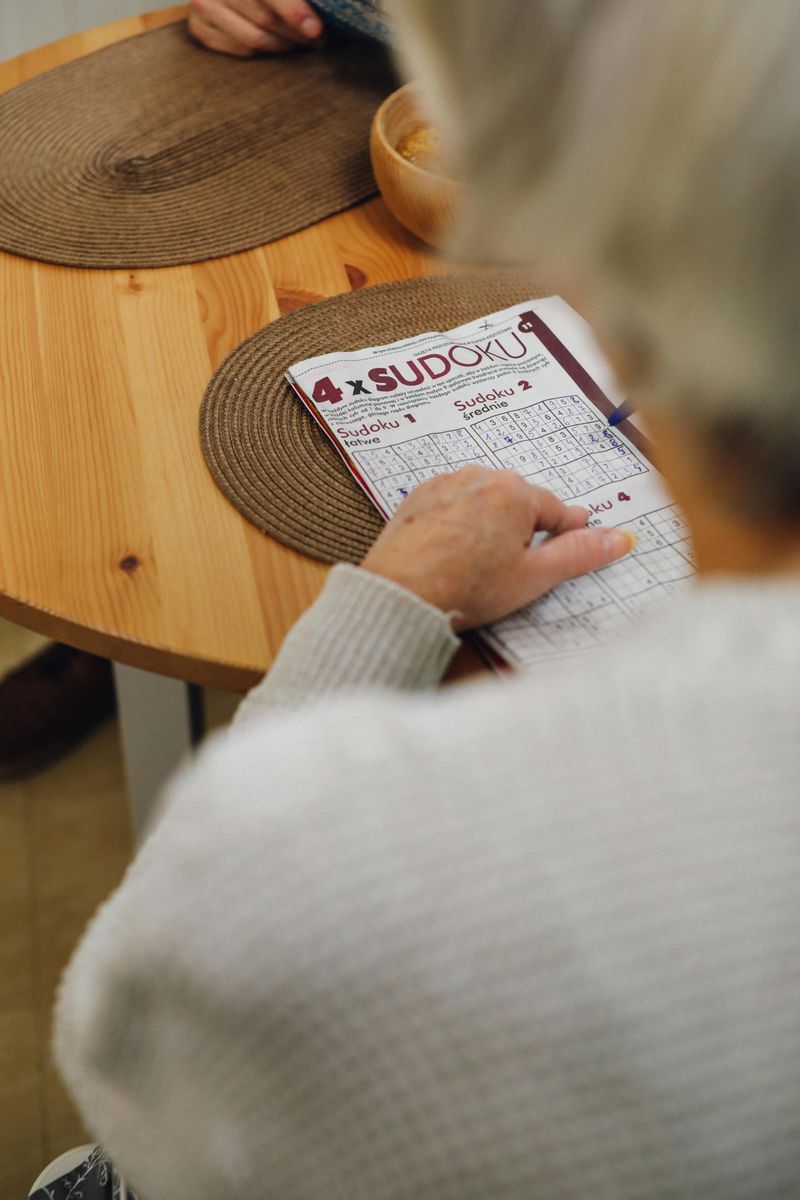
Crossword puzzles, Sudoku, and jigsaw puzzles aren’t just ways to pass the time—they’re workouts for your mind. Every time you search for the right word or number, you’re strengthening memory pathways and problem-solving skills.
Studies show that people who regularly challenge themselves with puzzles tend to keep their minds sharper longer. Plus, the satisfaction of completing a tough puzzle releases feel-good chemicals in your brain.
Start with easier puzzles and gradually work your way up to harder ones. You can find puzzle books at any bookstore, download apps on your phone, or even join puzzle clubs in your community for a social twist on brain training.
2. Reading
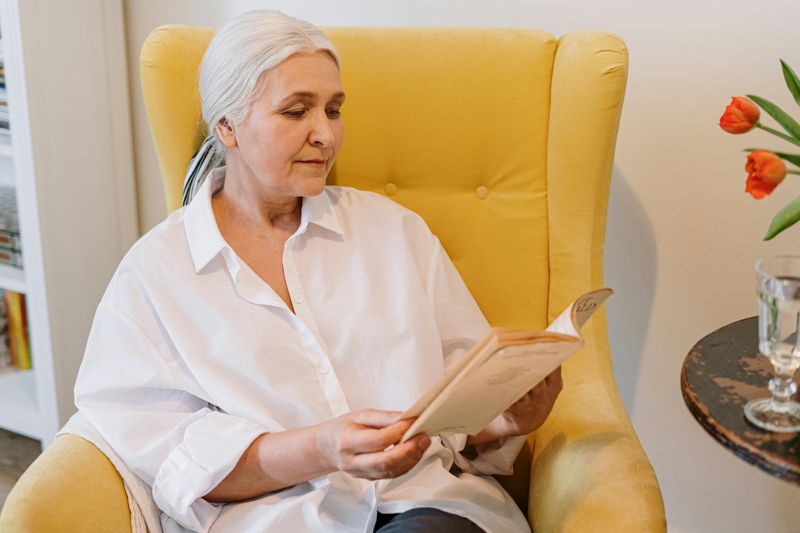
Books open doors to new worlds, ideas, and perspectives that keep your brain engaged and growing. Whether you prefer mysteries, biographies, or romance novels, reading strengthens your vocabulary and comprehension skills while reducing stress.
Audiobooks are a wonderful alternative if your eyes get tired or you want to enjoy stories while doing other activities. Many libraries offer free digital audiobook services that you can access from home.
Try setting a goal to read one book per month, or join a book club to add a social element. Discussing what you’ve read with others deepens understanding and creates meaningful connections with fellow readers in your community.
3. Learning a New Language

Ever dreamed of speaking Spanish, French, or Italian? Learning a new language at any age strengthens memory, improves multitasking abilities, and even delays cognitive decline.
Your brain creates new neural connections every time you practice vocabulary or grammar rules. Apps like Duolingo make learning fun with short, game-like lessons you can do anywhere.
Consider pairing your language study with cultural activities like watching foreign films or cooking international recipes. Many community centers offer beginner language classes where you can practice with peers. Don’t worry about perfection—every new word you learn is a victory for your brain, and mistakes are just part of the adventure toward fluency.
4. Playing a Musical Instrument

Music has a magical way of lighting up almost every part of your brain at once. When you play an instrument, you’re coordinating hand movements, reading notes, and listening carefully—all while expressing emotion through sound.
You don’t need to become a concert pianist to benefit. Even simple instruments like the ukulele or keyboard can provide tremendous mental stimulation and joy.
Many music teachers specialize in working with older beginners and understand your unique learning pace. Playing music also offers emotional benefits, reducing anxiety and boosting mood. If you played an instrument years ago, picking it back up can feel like reconnecting with an old friend.
5. Gardening
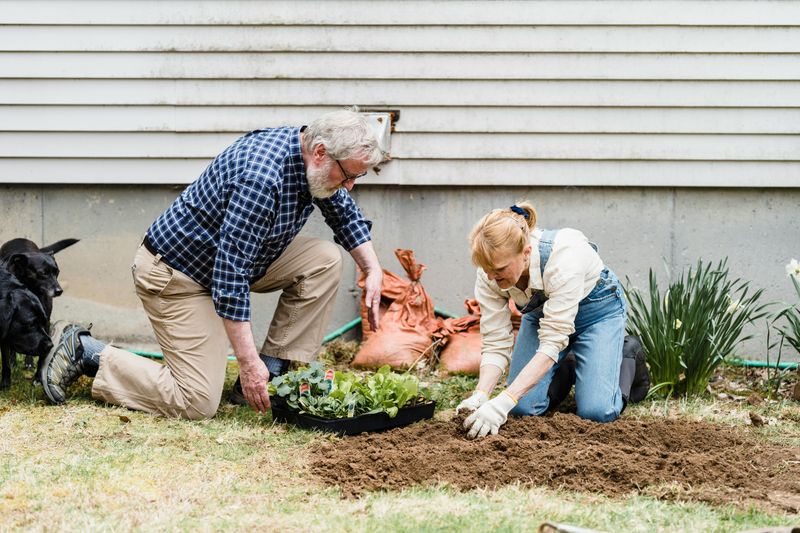
Getting your hands dirty in the garden exercises both your body and mind in surprising ways. Planning what to plant, remembering care schedules, and problem-solving pest issues all keep your brain active and engaged.
Gardening also connects you with nature’s rhythms and provides gentle physical activity that’s easy on joints. Watching seeds transform into flowers or vegetables offers a sense of accomplishment and purpose.
Start small with container plants or herbs on a windowsill if you have limited space or mobility. Community gardens offer opportunities to socialize while you grow. The combination of fresh air, sunshine, and creative planning makes gardening a perfect all-around hobby for brain health.
6. Creative Arts
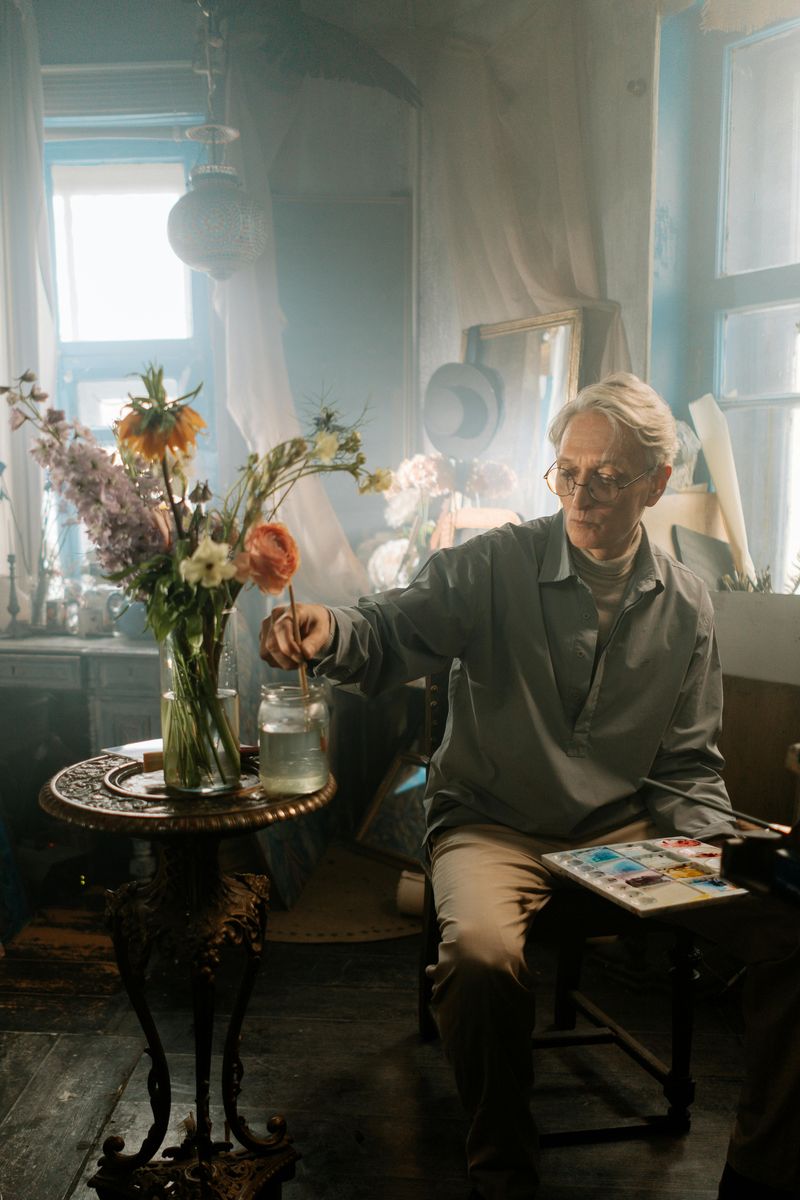
Painting, drawing, and crafting unleash your imagination while building fine motor skills and spatial reasoning. Art isn’t about creating masterpieces—it’s about expressing yourself and enjoying the creative process.
When you mix colors or plan a craft project, you’re making countless small decisions that exercise your brain. Art also provides a meditative quality that reduces stress and promotes emotional well-being.
Watercolors are forgiving for beginners, while adult coloring books offer low-pressure entry into visual arts. Local senior centers often host art classes where you can learn techniques and share your work. Remember, there are no mistakes in art, only happy accidents that make your creations uniquely yours.
7. Writing or Journaling

Putting pen to paper organizes your thoughts, preserves memories, and strengthens language skills. Writing about your experiences helps process emotions while creating a legacy for future generations to treasure.
You don’t need fancy equipment—a simple notebook and pen work perfectly. Some people enjoy morning pages, where they write three pages of whatever comes to mind, while others prefer recording specific memories or gratitude lists.
Journaling improves focus and self-awareness as you reflect on daily events and feelings. If you’re feeling adventurous, try writing short stories or poetry to flex different creative muscles. Many libraries offer memoir-writing workshops where you can share stories and receive encouragement from fellow writers.
8. Cooking & Trying New Recipes
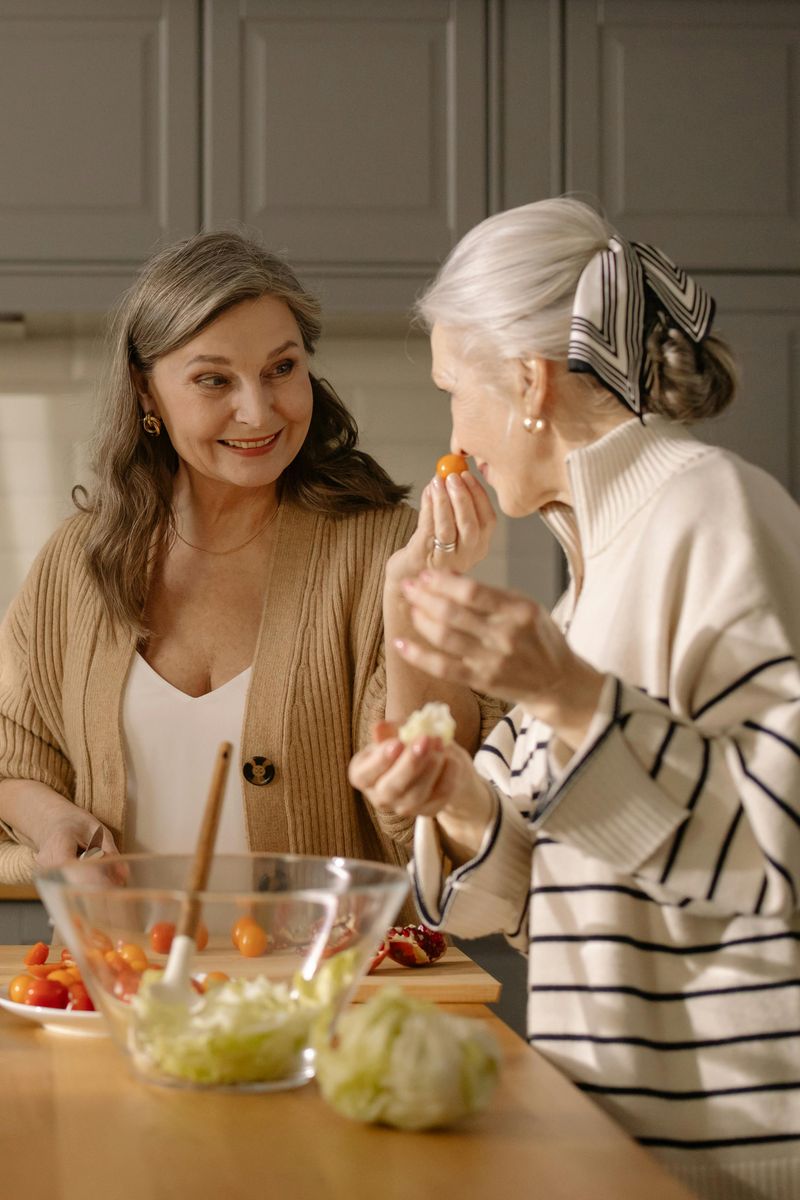
Following recipes exercises reading comprehension, math skills, and sequential thinking all at once. Experimenting with new ingredients and techniques keeps your brain flexible and curious about the world.
Cooking engages multiple senses—smell, taste, touch, and sight—creating rich neural experiences. The kitchen becomes a laboratory where you can explore flavors from different cultures without leaving home.
Start by modifying familiar recipes with new spices or techniques before tackling completely unfamiliar cuisines. Cooking with friends or family adds social benefits while sharing the delicious results. Taking photos of your culinary creations can document your progress and inspire you to keep experimenting with exciting new dishes and flavor combinations.
9. Tai Chi or Yoga

These ancient practices combine physical movement with mental focus, creating a powerful brain-body connection. Remembering sequences of poses or forms challenges your memory while improving balance and flexibility.
Tai Chi’s flowing movements have been called meditation in motion, calming the mind while strengthening the body. Yoga offers similar benefits with options for every fitness level, from chair yoga to more active styles.
Both practices emphasize breathing techniques that increase oxygen flow to your brain and reduce stress hormones. Many senior centers and community colleges offer classes specifically designed for older adults. The mindfulness aspects of these practices can sharpen focus and awareness that carries over into daily life activities.
10. Board Games & Card Games
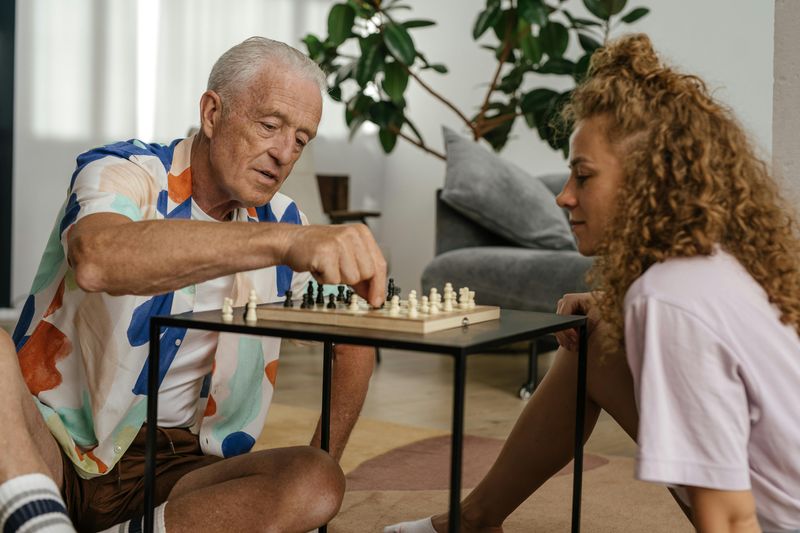
Game night isn’t just for kids—strategic games like chess, Scrabble, or bridge provide serious mental workouts wrapped in fun competition. Every move requires planning, memory, and adapting to changing situations.
Card games like poker or rummy sharpen calculation skills and pattern recognition. Playing with others adds crucial social interaction that protects against loneliness and cognitive decline.
Many communities have game clubs where enthusiasts gather regularly to play and socialize. You can also teach games to grandchildren, creating meaningful cross-generational bonds. Whether you prefer quick games or marathon strategy sessions, the mental challenge combined with laughter and friendship makes gaming a perfect brain-boosting hobby for staying sharp and connected.