 MomSkoop
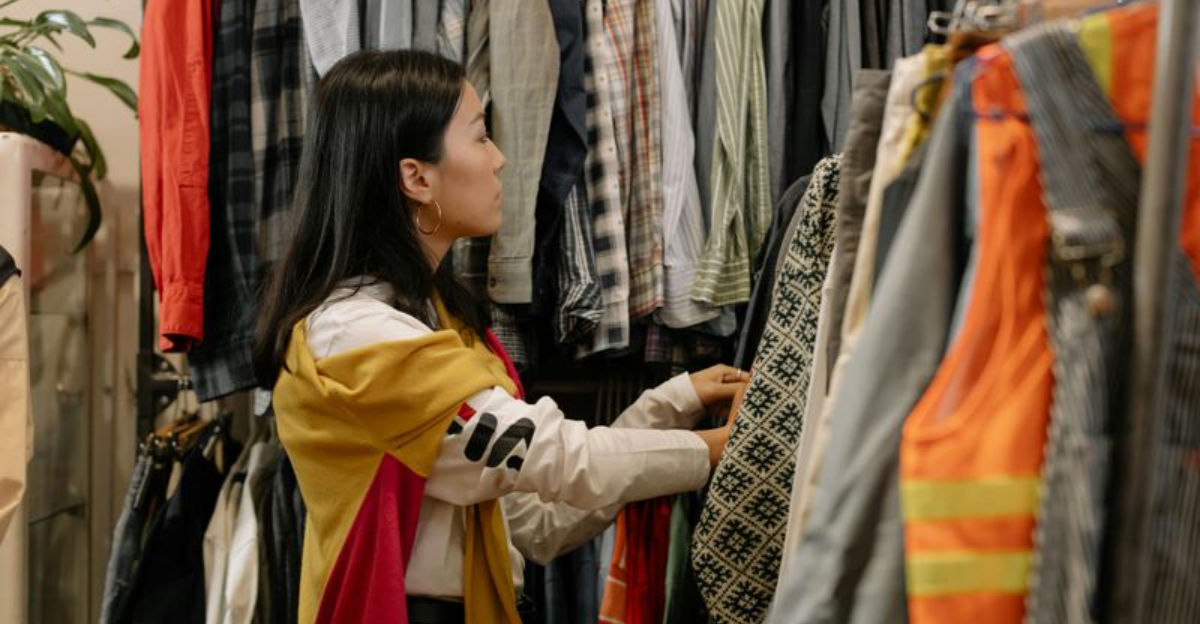
Shopping secondhand can save you tons of money and help the environment, but not everything is worth buying used. Some items lose their quality, comfort, or safety after being worn by someone else.
As a personal stylist, I’ve learned which pieces are better bought new to protect your health, style, and wallet. Here are the items you should skip at thrift stores and consignment shops.
1. Undergarments
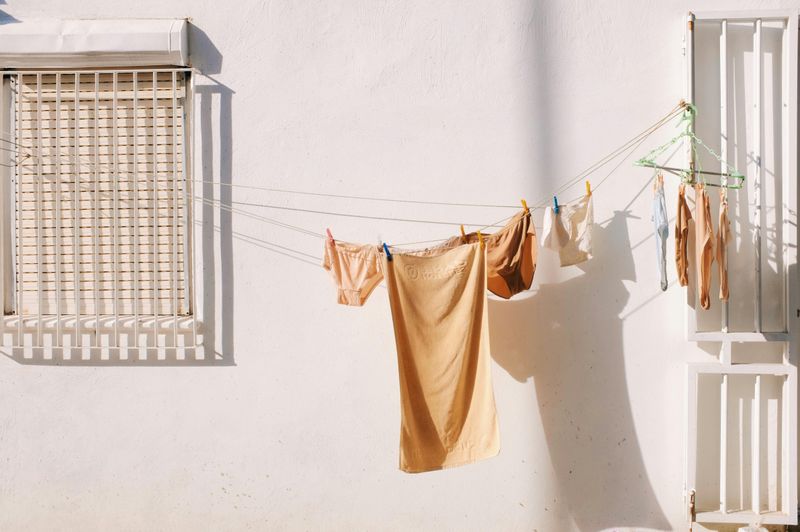
Your undergarments sit directly against your most sensitive skin all day long. No matter how thoroughly they’ve been washed, pre-owned bras, underwear, and other intimates carry bacteria and body oils that never fully disappear.
Elastic bands lose their stretch over time, which means secondhand bras won’t provide proper support. A worn-out bra can cause back pain and poor posture, defeating the entire purpose of wearing one.
Plus, undergarments are surprisingly affordable when bought new, especially during sales. Protecting your health and comfort is worth spending a few extra dollars on fresh pieces that fit properly and feel clean.
2. Shoes
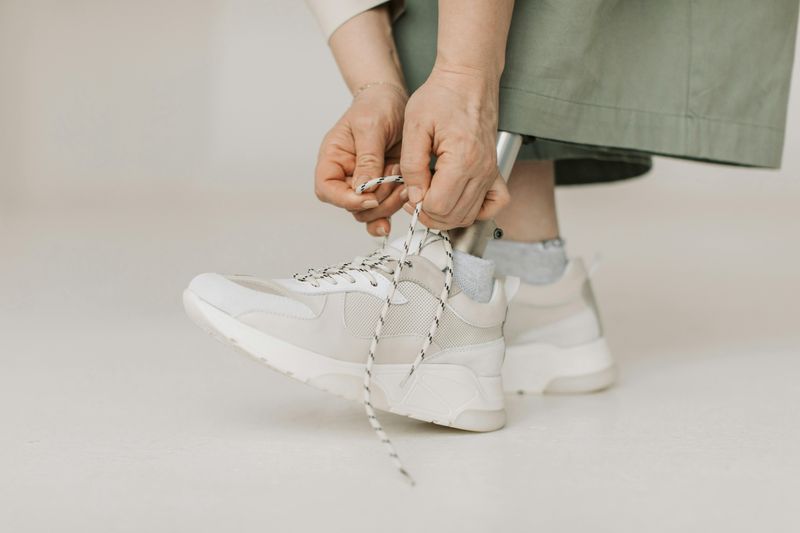
Every person walks differently, creating unique wear patterns on their shoe soles and insoles. When you wear someone else’s shoes, your feet are forced into their walking pattern, which can lead to blisters, joint pain, and even long-term foot problems.
Shoes mold to the original owner’s foot shape over time. The arch support shifts, the heel cup compresses unevenly, and the toe box stretches in specific spots that probably won’t match your feet.
Fungal infections like athlete’s foot can survive in shoes even after cleaning. While designer heels might look tempting at thrift stores, your feet deserve the proper support and hygiene that only new shoes provide.
3. Swimsuits
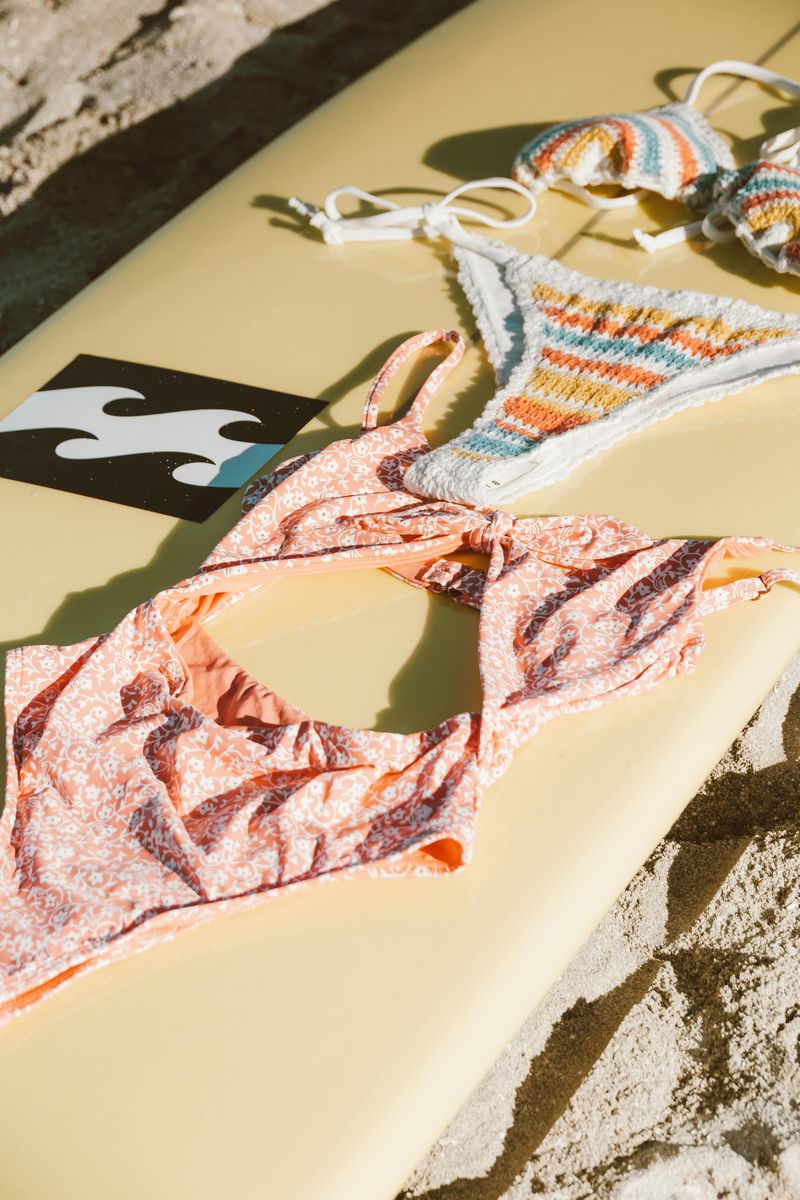
Swimsuit fabric stretches out permanently after exposure to chlorine, salt water, and sunscreen. That cute bikini at the thrift store might look fine on the hanger, but it’s probably lost its elasticity where it counts most.
The elastic in swimwear breaks down quickly, especially around leg openings and straps. A stretched-out swimsuit can cause embarrassing wardrobe malfunctions at the pool or beach.
Hygiene concerns make secondhand swimwear particularly risky since these garments touch intimate areas. Even professional cleaning can’t guarantee complete sanitization. New swimsuits are reasonably priced at discount stores, making it easy to buy fresh ones that fit securely and look great.
4. Athletic Clothing
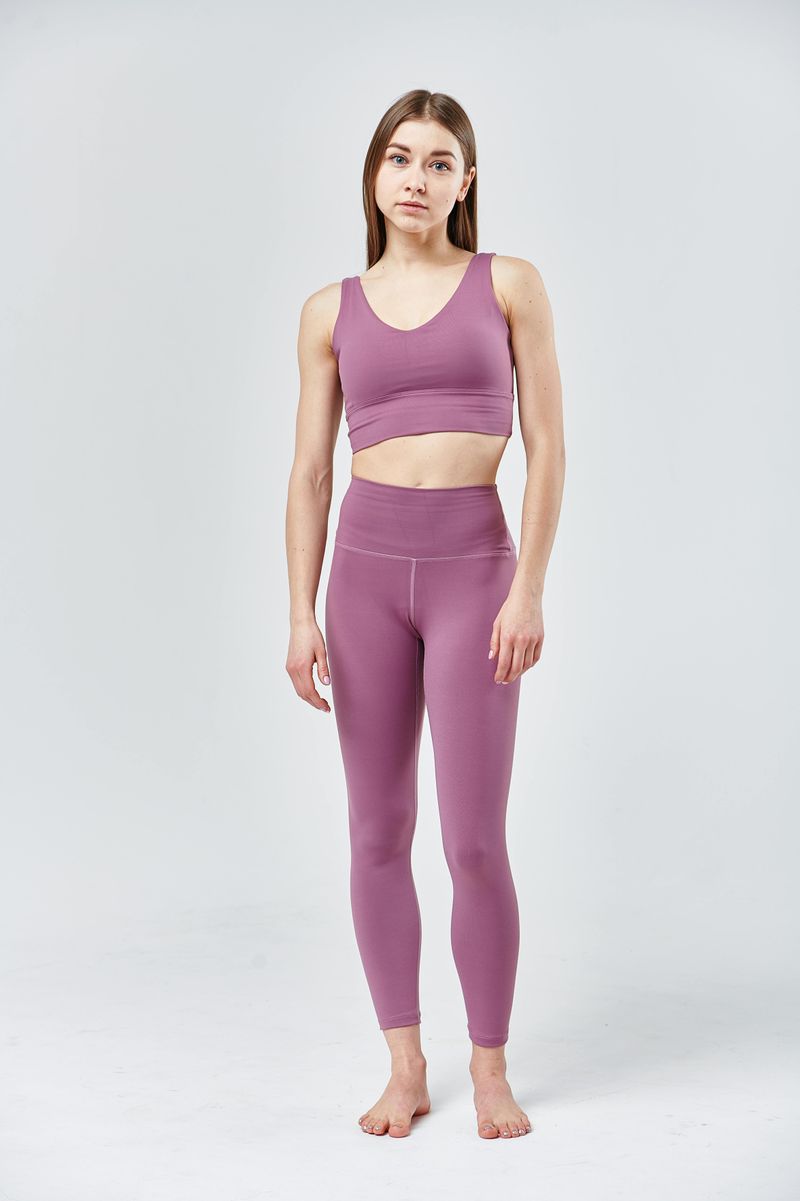
Workout clothes take serious abuse from sweat, friction, and constant washing. The moisture-wicking technology in athletic wear stops working properly after heavy use, leaving you soaked and uncomfortable during exercise.
Compression leggings and sports bras lose their supportive qualities once the fabric stretches out. Without proper compression and support, you risk chafing and inadequate coverage during high-intensity workouts.
Bacteria from sweat can embed deeply into synthetic athletic fabrics, creating persistent odors that washing can’t eliminate. You’ll notice that funky smell the moment you start sweating in previously-owned workout gear. Fresh athletic wear performs better and keeps you feeling confident at the gym.
5. Items That Require Major Alterations
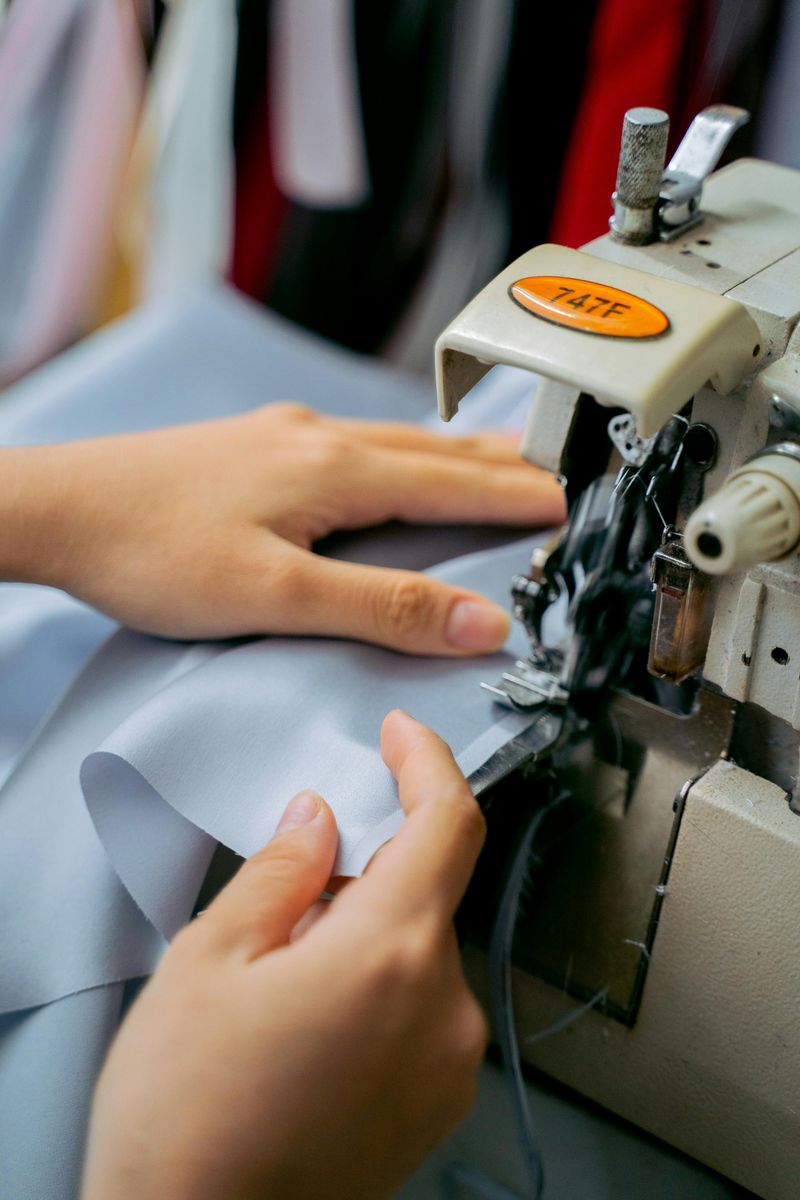
That beautiful dress might seem like a steal until you calculate alteration costs. Professional tailoring expenses can quickly exceed what you’d pay for a similar item that fits correctly from the start.
Some garments have limited fabric to work with, making certain alterations impossible. Taking in shoulders, adjusting sleeve lengths, or changing the rise on pants requires specific construction that not all clothes have.
Complicated alterations like moving buttons, resizing waistbands, or hemming multiple layers can cost between thirty and one hundred dollars. When you add the thrift store price to the tailoring bill, you’ve often spent more than buying new. Shop for pieces that fit your body well from the beginning.
6. Clothing That’s Hard to Clean
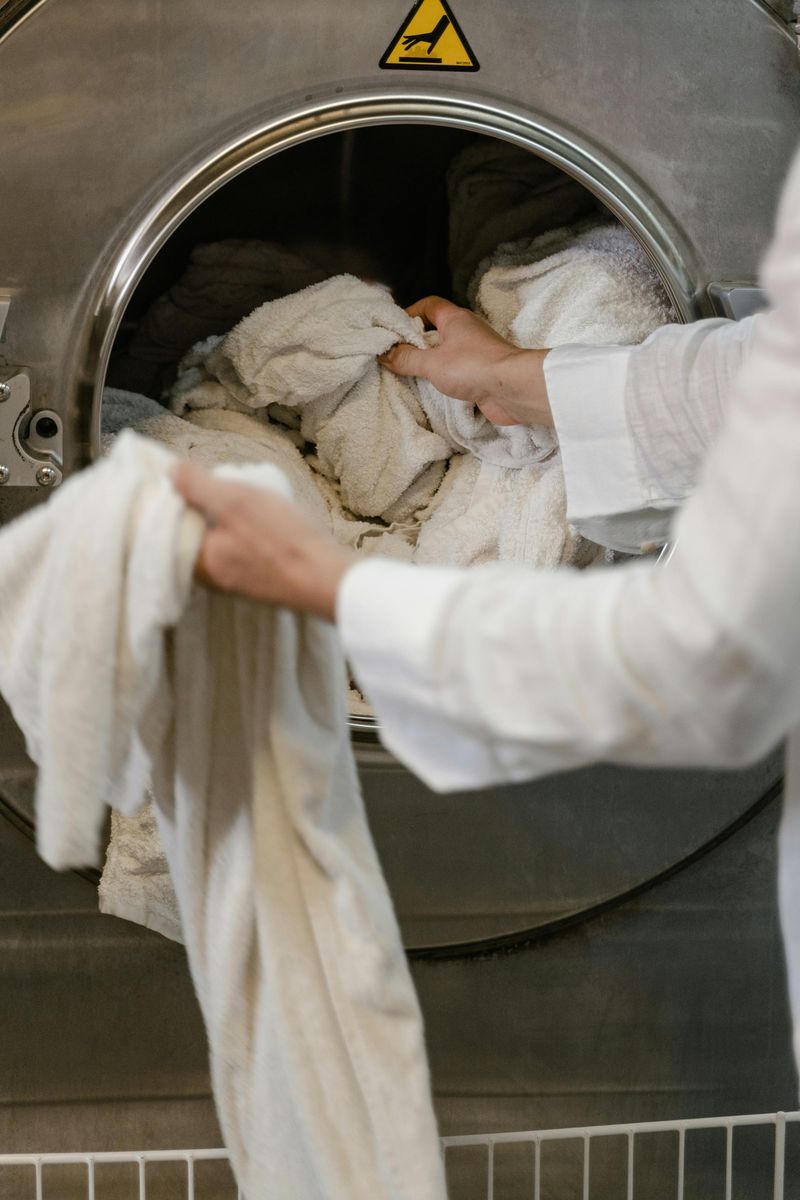
Dry-clean-only labels mean ongoing expenses that make secondhand pieces less economical over time. A fifteen-dollar silk blouse becomes expensive when each cleaning costs twelve dollars.
Delicate fabrics like silk, velvet, and certain wools require special care that previous owners might have ignored. You can’t tell if a thrifted garment has been improperly washed, potentially weakening the fibers and shortening its lifespan.
Stains on hard-to-clean fabrics often become permanent, even with professional treatment. What looks like a small spot in the store might be impossible to remove completely. Machine-washable clothes offer better value secondhand since you control their care from the moment you buy them.
7. Secondhand Designer Pieces That Look Tired or Dated
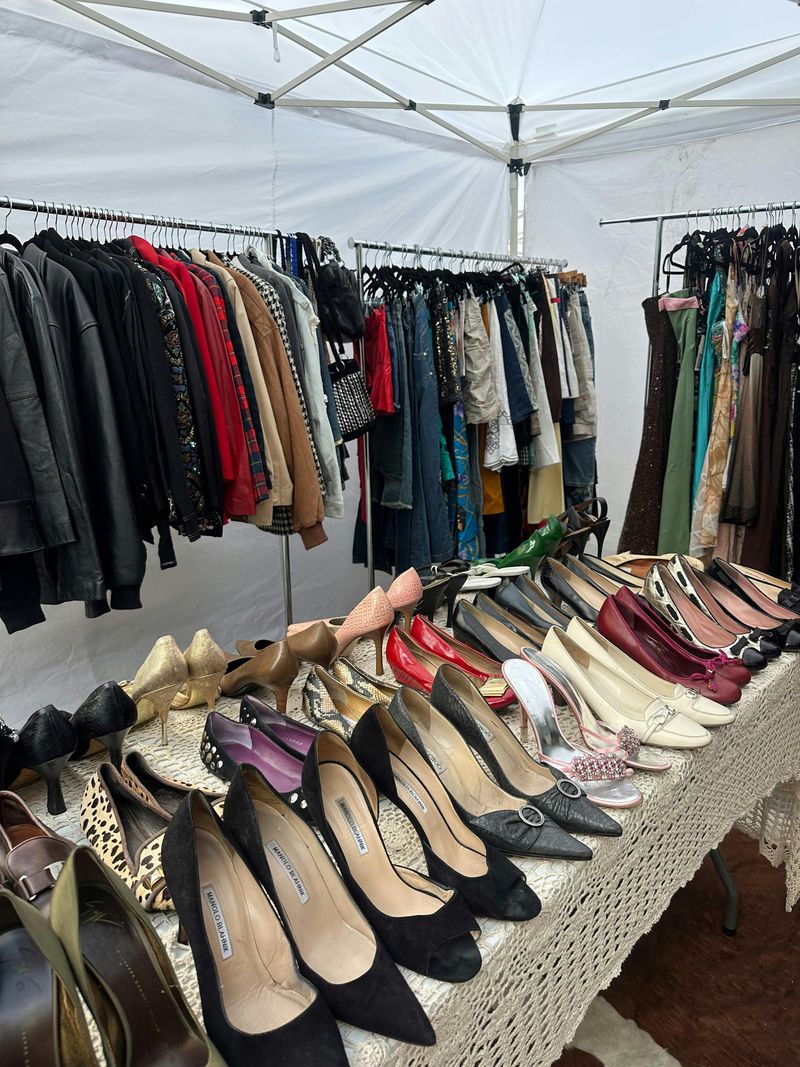
Designer clothes hold value when they’re in excellent condition, but worn-out luxury items just look shabby regardless of the label. Faded colors, pilling fabric, and outdated cuts make even expensive brands appear cheap.
Fashion moves in cycles, but some trends don’t come back around. That designer piece from fifteen years ago might carry a prestigious name, but if the style screams “old-fashioned,” it won’t elevate your wardrobe.
Visible wear on luxury items defeats the purpose of owning designer clothes. You want pieces that make you look polished and put-together, not like you’re wearing someone else’s hand-me-downs. Invest in current, well-maintained designer pieces instead.
8. Damaged Items
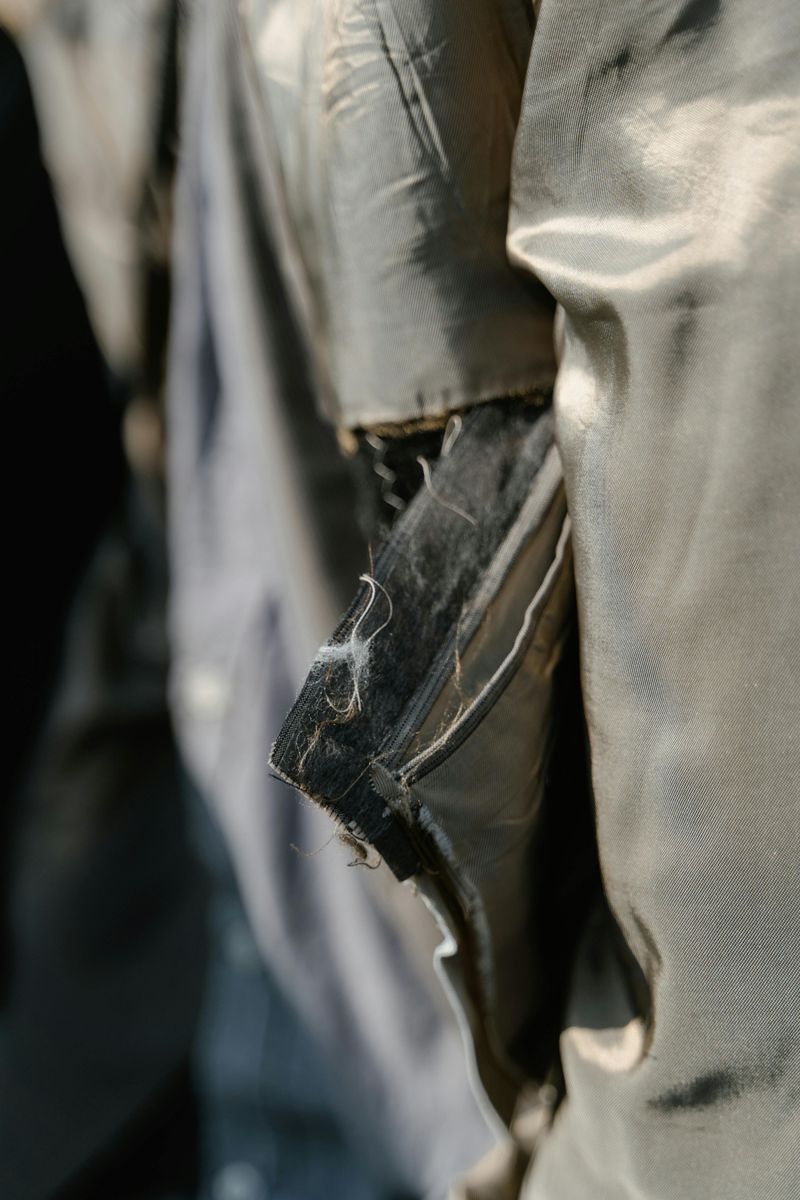
Broken zippers, missing buttons, and small tears might seem fixable, but repair costs add up surprisingly fast. A missing button requires finding a matching replacement, which can be nearly impossible for unique or older garments.
Stains often set permanently into fabric over time, especially if the previous owner tried treating them incorrectly. What appears to be a light mark might resist every cleaning method you try.
Structural damage like separated seams or stretched-out necklines indicates the garment has reached the end of its useful life. Even after repairs, these items rarely look as good as undamaged alternatives. Your time and money are better spent on secondhand pieces in genuinely good condition.
9. Designer Items That Can’t Be Authenticated
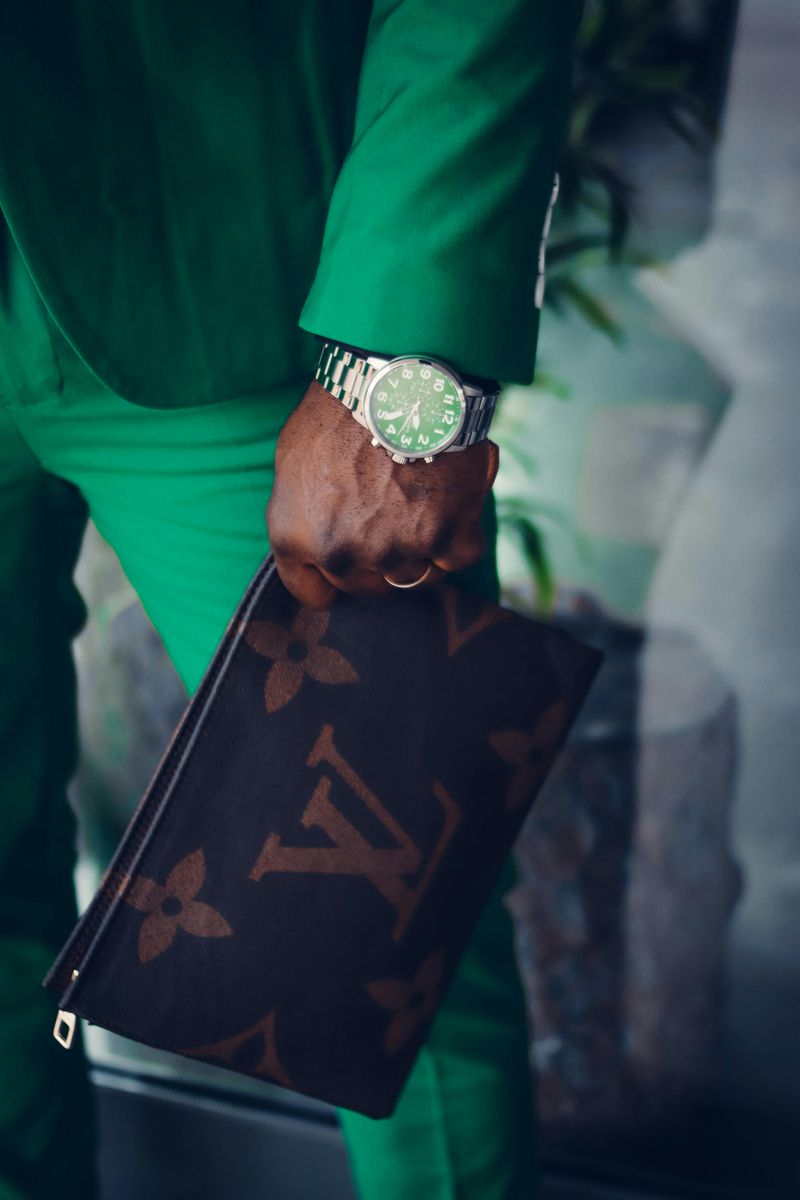
Counterfeit designer goods flood secondhand markets, and spotting fakes requires expert knowledge. That Gucci bag might look convincing, but subtle details in stitching, hardware, and materials reveal the truth.
Buying fake designer items means paying for quality you’re not actually getting. Counterfeit products use inferior materials that fall apart quickly, leaving you with an expensive mistake.
Without authentication papers or receipts, you’re taking a huge gamble on expensive purchases. Reputable consignment shops authenticate their designer inventory, but individual sellers and some thrift stores don’t have this expertise.
If you can’t verify authenticity through trusted channels, walk away. Genuine designer pieces come with specific documentation and can be verified by professional authenticators.
10. Mattresses and Pillows
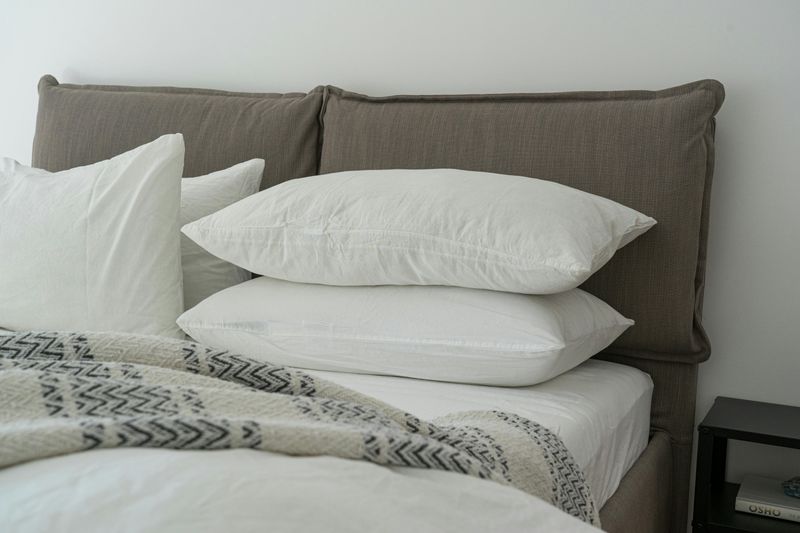
Mattresses harbor dust mites, dead skin cells, and allergens that accumulate over years of use. Professional cleaning can’t penetrate deep enough to remove everything living inside a used mattress.
Bed bugs are a real and growing problem that spreads through secondhand furniture. Once these pests infest your home, extermination costs hundreds or thousands of dollars and requires throwing away contaminated items.
Mattresses lose their supportive qualities over time, developing permanent body impressions and sagging spots. A worn-out mattress causes poor sleep and back pain, negating any money you saved buying it used.
Pillows face similar hygiene issues and flatten out after extended use. Your sleep quality directly affects your health, making new bedding a worthwhile investment.
11. Safety Equipment and Protective Gear
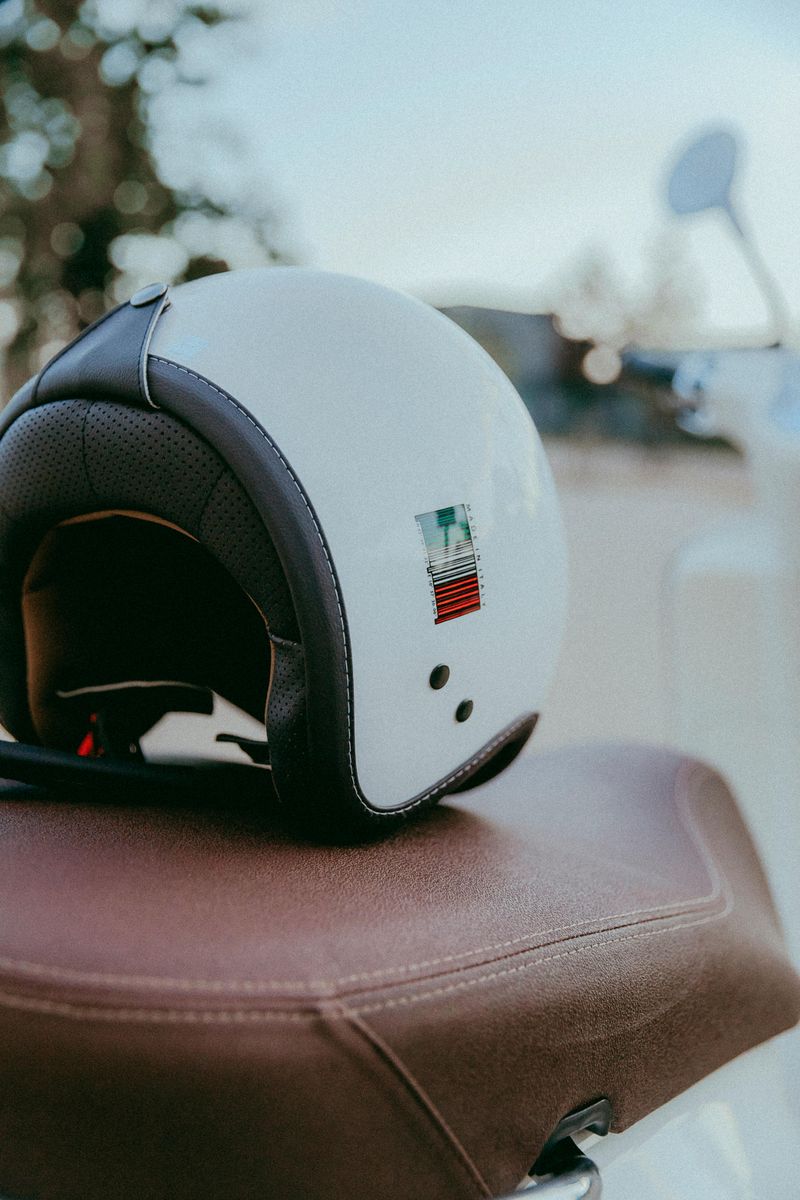
Bike helmets, car seats, and sports protective gear are designed to protect you once, then be replaced. You can’t tell if a secondhand helmet has been in an accident, and even minor impacts compromise its protective ability.
Safety standards change regularly as technology improves and researchers discover better protection methods. That used car seat might have been top-rated ten years ago, but it doesn’t meet current safety requirements.
Plastic and foam materials degrade over time, especially when exposed to heat and sunlight. An old helmet’s materials might have weakened invisibly, offering false security during an actual accident.
Recalls affect safety equipment frequently, and previous owners might not have registered their products. Your life and your family’s safety are worth buying new, certified protective gear.