 MomSkoop

First impressions can form within moments, often based on details you may not even realize others are noticing. Your posture, facial expressions, appearance, and tone of voice can all influence how you come across.
Small habits can also reveal a lot about your confidence, personality, and attitude toward others. From eye contact to everyday manners, here are 14 small things people tend to notice about you almost immediately.
1. Your Posture

Standing tall or slouching sends a powerful message before you utter a single word.
When you walk into a room with your shoulders back and head up, people instinctively read confidence and self-assurance.
Slouched shoulders and a downward gaze, on the other hand, can suggest nervousness or low energy.
Your spine tells a story about how you feel inside.
Good posture makes you appear more approachable and trustworthy.
It also affects how you feel—standing straight can actually boost your mood and energy levels.
Practice being aware of how you hold yourself throughout the day, and you will notice others responding more positively to your presence.
2. Your Facial Expression

Your face speaks volumes even when your mouth stays closed.
A relaxed, open expression invites conversation, while a tense or stern look can push people away without intention.
Many of us have a resting face that does not match our actual mood.
Some people naturally look serious or upset when they are just thinking.
Being mindful of your default expression helps you communicate warmth.
Small adjustments make a huge difference.
Softening your eyebrows, relaxing your jaw, and keeping your face open creates an inviting vibe.
People gravitate toward faces that seem friendly and calm, so check in with your expression regularly.
3. Your Eye Contact

Eyes really are windows to connection.
When you look someone in the eye, you show respect, interest, and confidence all at once.
Avoiding eye contact, however, can signal discomfort or disinterest.
Too much staring feels aggressive, while too little seems evasive.
Finding the right balance takes practice but pays off in every interaction.
Aim for natural glances that feel comfortable, not forced.
Cultural differences matter here, so be aware of context.
In most Western settings, steady eye contact builds trust and rapport.
When you master this subtle skill, people feel heard and valued in your presence.
4. The Way You Dress

Clothes communicate who you are before you introduce yourself.
Whether you prefer polished outfits or casual comfort, your choices reflect your personality and priorities.
People notice not just what you wear, but how well it fits and whether it looks cared for.
Wrinkled shirts or mismatched colors suggest carelessness, while thoughtful combinations show you value how others perceive you.
You do not need expensive brands to make a strong impression.
Clean, well-fitting clothes that match the occasion demonstrate respect for yourself and those around you.
Your wardrobe is a visual introduction—make it count.
5. The Sound of Your Voice

Before people process your words, they react to how you sound.
A warm, steady voice creates instant comfort, while a shaky or harsh tone can create distance.
Your pace matters too.
Speaking too quickly suggests nervousness, while speaking too slowly might bore your listener.
Finding your natural rhythm helps you sound authentic and engaging.
Volume also plays a role in perception.
Too soft and you seem unsure; too loud and you appear aggressive.
Practice modulating your voice to match the situation, and pay attention to how others respond to your vocal energy.
6. Your Body Language

Crossed arms, fidgeting hands, or tapping feet all broadcast your internal state.
People read these signals instantly, often without realizing they are doing it.
Open gestures—like keeping your arms relaxed at your sides—make you seem approachable and confident.
Closed-off positions create barriers that push others away, even if you do not mean to.
Mirroring someone’s movements subtly builds rapport and shows you are engaged.
Being mindful of your gestures helps you communicate openness and ease.
When your body language aligns with your words, people trust you more naturally.
7. Your Grooming Habits
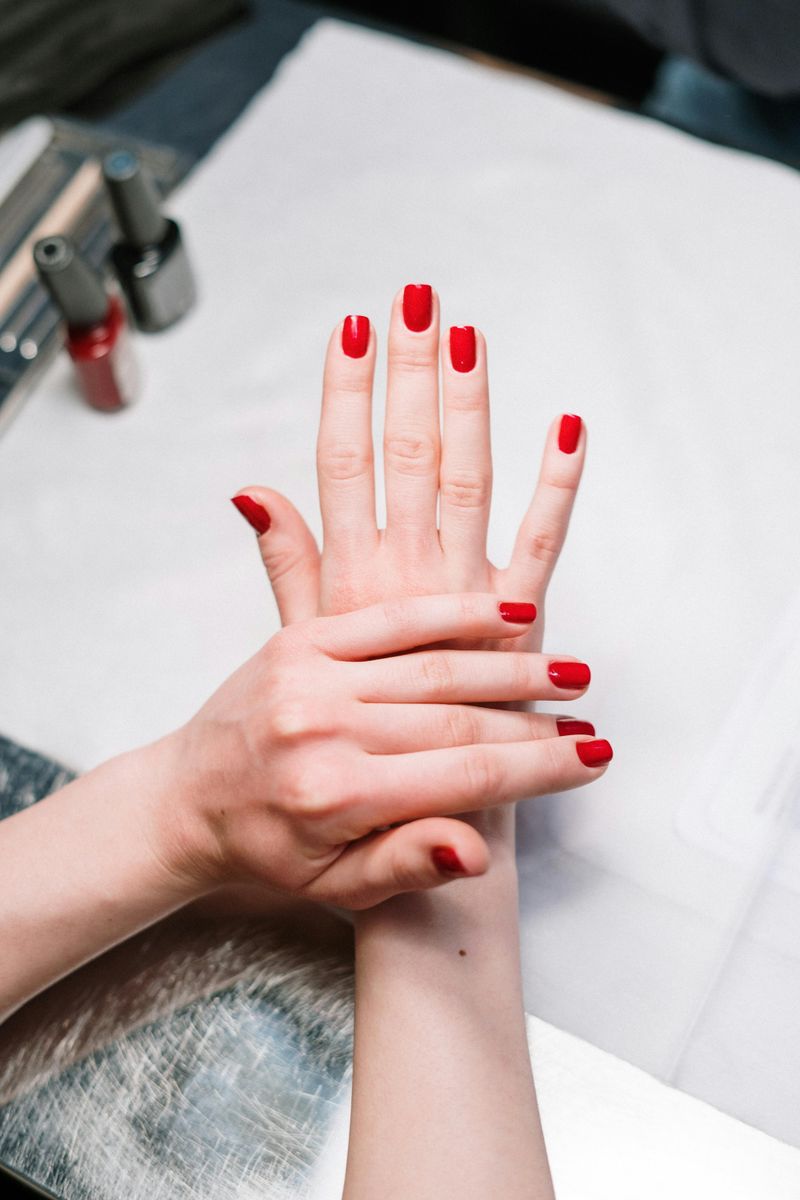
Neat hair, trimmed nails, and fresh skin signal that you care about yourself.
These small details add up to create an impression of responsibility and self-respect.
Unkempt grooming suggests you might be overwhelmed or careless.
People subconsciously wonder if you approach other areas of life the same way.
Fair or not, grooming affects credibility.
You do not need a salon-perfect look every day.
Simple routines—like combing your hair and keeping nails clean—go a long way.
Taking a few minutes for personal care shows you value both yourself and the people you meet.
8. Your Scent
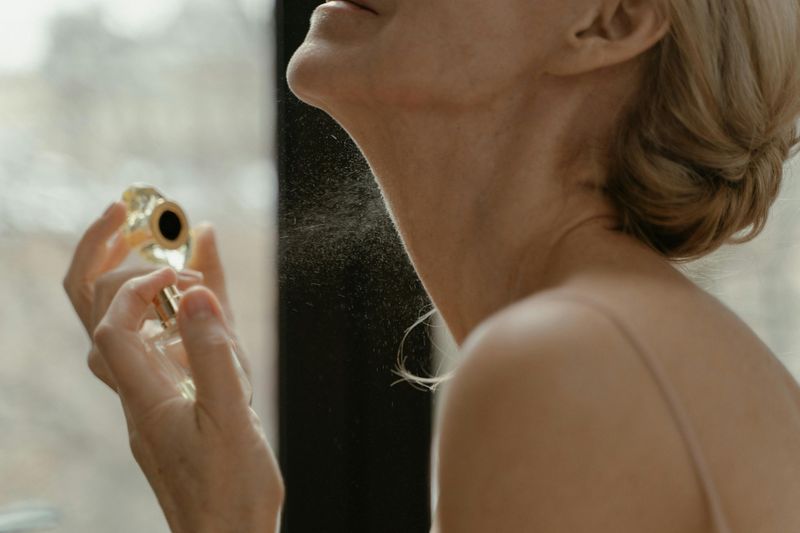
Smell is tied directly to memory and emotion, making it one of the fastest impression-makers.
A pleasant, subtle fragrance leaves people feeling comfortable around you.
Strong perfumes or colognes can overwhelm and distract.
Worse, body odor or stale smells create instant negative reactions that are hard to overcome.
Freshness matters more than fancy scents.
Keep it simple with clean clothes, regular showers, and light fragrance if you choose to wear any.
People should remember you for your personality, not an overpowering smell.
A neutral, clean scent is always a safe and smart choice.
9. Your Smile

A genuine smile is magnetic.
It instantly makes you seem friendly, trustworthy, and approachable, breaking down social barriers in seconds.
Fake smiles are easy to spot—they do not reach the eyes.
Real smiles crinkle the corners of your eyes and light up your whole face.
People respond to authenticity, so smile when you truly feel it.
Smiling also affects your own mood, creating a positive feedback loop.
When you smile at others, they often smile back, making interactions warmer and more pleasant.
Your smile is one of your most powerful social tools.
10. Your Personal Space Awareness

How close you stand reveals your social awareness and respect for boundaries.
Standing too close makes people uncomfortable, while standing too far seems distant or unfriendly.
Cultural norms vary, but generally, maintaining an arm’s length during conversations feels natural in most settings.
Crowding someone’s space can feel aggressive or invasive, even if you mean well.
Pay attention to body language cues—if someone steps back, give them more room.
Respecting personal space shows emotional intelligence and consideration.
When you get this balance right, interactions flow smoothly and people feel at ease around you.
11. How You Treat Others

Watch how someone treats a waiter, a janitor, or a stranger—it reveals their true character.
People notice if you are kind, dismissive, or rude to those around you.
Being polite to everyone, regardless of their role, shows integrity and respect.
Ignoring or being short with people sends the message that you only value those who can benefit you.
Small acts of kindness—holding doors, saying thank you, acknowledging others—speak volumes about who you are.
People remember how you made them feel far longer than what you said.
Treat everyone with dignity, and your reputation will reflect it.
12. Your Handshake

Before a real conversation even starts, a handshake can say plenty about you.
A grip that is steady and respectful often feels confident, while one that is too weak or too strong can leave people unsure.
Small details matter here, including dry hands, brief eye contact, and knowing when a handshake fits the moment.
Not every setting calls for one, so reading the room is part of making a good impression.
Aim for a natural greeting that feels calm, friendly, and brief.
That simple moment can help others feel comfortable with you during first meetings.
13. Your Manners

People pick up on basic manners faster than you might think.
Saying hello, waiting your turn, and offering a quick thank you can make you seem thoughtful before anyone knows much else about you.
Rude habits also stand out in a hurry, like interrupting, ignoring introductions, or acting distracted when someone speaks.
Good manners do not mean acting stiff or fake.
They simply show respect for the people around you.
If you want to leave a warmer first impression, focus on small polite choices that help others feel seen, valued, and at ease from the start in any new setting.
14. Your Phone Habits

Few things grab attention faster than how often you look at your phone.
Glancing at it during a greeting or conversation can make people feel unimportant, even if you do not mean any harm.
On the other hand, putting your phone away sends a clear message that you are present and interested.
That simple choice shows focus, respect, and self-control.
Emergencies happen, of course, but constant checking can weaken a first impression in seconds.
When meeting someone new, keep your screen out of sight when possible.
Being fully there is a small habit that people notice and remember for sure.