 MomSkoop

Ever met someone who seems absolutely perfect over text, but then things feel awkward when you finally meet face-to-face? You’re not alone.
Many people experience amazing chemistry through their phones, only to discover that real-life connection feels completely different. Understanding why this happens can save you from disappointment and help you build more genuine relationships.
1. Curated Responses Hide Your True Self
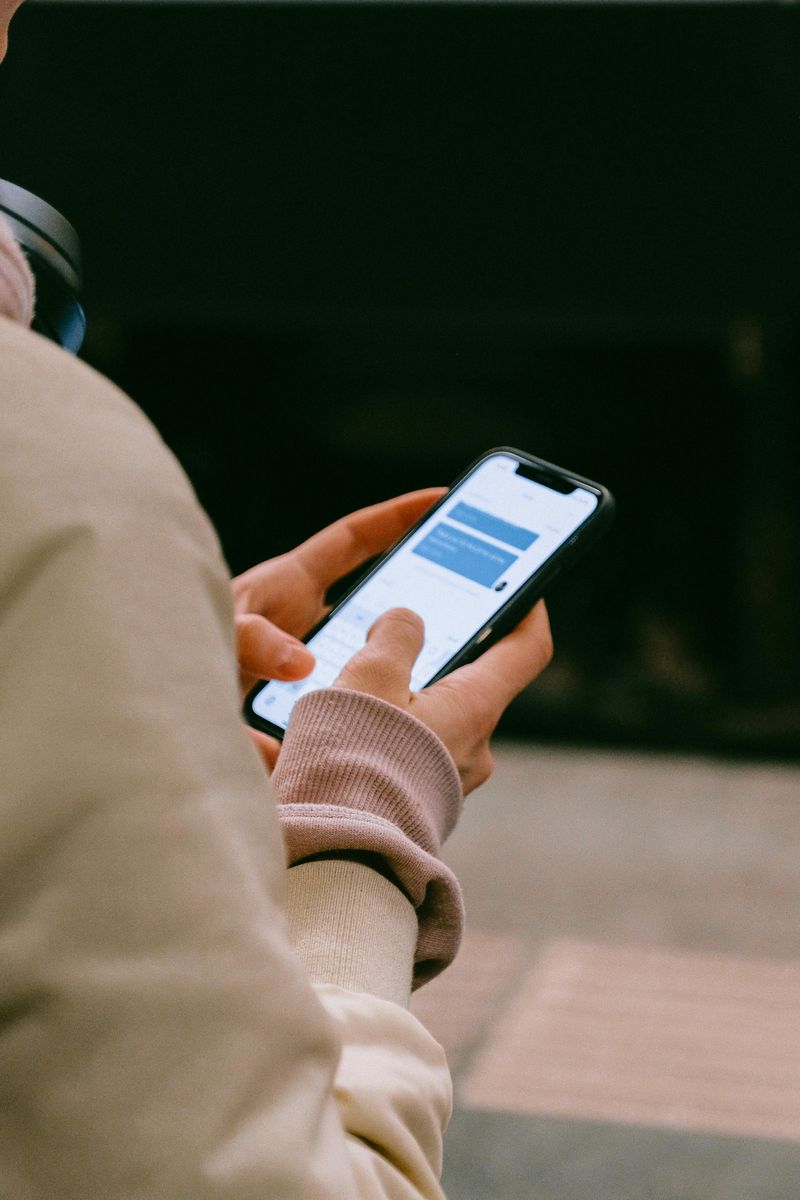
When you text someone, you have unlimited time to craft the perfect response. You can delete, rewrite, and polish every single word until it sounds exactly right. This editing process creates a version of yourself that might be funnier, wittier, or more thoughtful than you naturally are in spontaneous conversations.
Real conversations don’t work this way. Face-to-face interactions require quick thinking and genuine reactions. You can’t backspace on spoken words or take five minutes to think of a clever comeback.
This gap between your texting personality and real personality can create confusion. The person you meet in real life might seem less impressive simply because they’re being authentically themselves without a filter.
2. Missing Body Language Makes Communication Incomplete

Scientists say that over 70% of human communication happens through nonverbal cues. Your facial expressions, posture, eye contact, and gestures carry enormous meaning that words alone cannot capture. Texting strips away all these essential elements, leaving you with just plain words on a screen.
Imagine trying to understand someone’s mood without seeing their smile or noticing their nervous fidgeting. These subtle signals help us truly understand what another person means and feels.
When you finally meet someone in person, their body language might contradict what their words suggested. Someone who seemed confident through text might actually appear shy or uncomfortable, changing your entire perception of them completely.
3. Extra Thinking Time Creates Unrealistic Compatibility

Picture this: someone sends you a message, and you spend twenty minutes crafting the perfect, thoughtful reply that makes you sound incredibly insightful. In real life, you’d have about two seconds to respond to the same question. This time buffer fundamentally changes how compatible you seem.
Real relationships require handling disagreements, awkward moments, and tough conversations in real time. You can’t pause someone mid-sentence to Google the perfect response or consult your friends about what to say next.
The compatibility you build through texting might be based on your best, most prepared self rather than your everyday, spontaneous self. True connection requires accepting both versions of each other.
4. Humor Doesn’t Always Translate Face-to-Face

You know that hilarious person who keeps you laughing through text messages all day long? Their jokes might completely bomb when delivered in person. Humor relies heavily on timing, tone of voice, and delivery style that simply don’t exist in written form.
Text allows you to add emojis, GIFs, and perfect punctuation to enhance your jokes. You can make even mediocre humor seem funnier with the right presentation. Real-life comedy doesn’t come with these helpful tools.
Additionally, some people are naturally gifted writers but struggle with verbal wit. The reverse is also true—naturally funny people might seem boring over text. This mismatch can make someone seem like a completely different person when you meet them.
5. Real-Time Emotional Cues Disappear Digitally

Have you ever received a text and wondered if the person was being sarcastic, serious, or joking? Without hearing someone’s voice or seeing their expression, gauging their true emotions becomes nearly impossible. A simple “okay” could mean genuine agreement or hidden frustration.
Empathy, sincerity, and genuine interest show up clearly in person through voice tone and facial expressions. These qualities might be completely invisible through text, making someone seem cold or disinterested when they’re actually quite warm.
When emotional cues are missing, misunderstandings multiply quickly. You might think someone is enthusiastic when they’re actually just being polite, or mistake their genuine concern for boredom. These misreadings create false impressions that crumble during real meetings.
6. Overthinking Leads to Fantasy and Idealization

Texting someone new activates your imagination in powerful ways. Between messages, you start filling in the blanks about who they are, what they’re like, and how perfect you’d be together. Your brain creates an idealized version that might have little connection to reality.
Limited information actually encourages this fantasy building. You know just enough to be interested but not enough to see their flaws or incompatibilities. Your mind naturally fills these gaps with positive assumptions.
By the time you meet in person, you’ve built up expectations that no real human could possibly meet. The actual person seems disappointing compared to the fantasy version you created, even if they’re genuinely wonderful in their own right.
7. Chemistry Changes With Different Contexts

Some people absolutely thrive in the texting environment. They’re clever, engaging, and captivating when they have time to compose their thoughts. Put them in a noisy restaurant or busy park, and suddenly they seem completely different—maybe quieter, more reserved, or less interesting.
Context matters enormously in human interaction. The relaxed, private space of texting creates one kind of dynamic, while the pressure and stimulation of face-to-face meetings create another entirely. Neither is more real, but they’re definitely different.
The chemistry you feel through text exists in that specific context only. It might not transfer to other settings where different skills and comfort levels come into play, leaving you wondering where that spark went.
8. Communication Style Differences Become Obvious

Being great at written communication and excelling at verbal conversation are two completely separate skills. Plenty of people are eloquent writers but struggle with spoken words, finding themselves tongue-tied or rambling when face-to-face. The opposite happens too—naturally chatty people might send boring, brief texts.
Texting also lets you avoid certain communication challenges. Introverts might seem more outgoing through text because it’s less draining. People with social anxiety can appear confident when they’re actually quite nervous about meeting up.
When communication styles don’t match up in person, both people feel confused and disappointed. The connection that seemed so natural suddenly feels forced or awkward, making everyone question what went wrong between their phones and reality.
9. False Intimacy Develops Too Quickly

Late-night texting sessions can create an incredibly intimate feeling. You share personal stories, deep thoughts, and vulnerable feelings that you might not discuss with people you’ve known for years. This rapid sharing feels like you’re building a deep connection, but it’s actually quite different from real intimacy.
True closeness develops through shared experiences, not just shared information. Knowing someone’s childhood stories isn’t the same as seeing how they handle stress, disappointment, or everyday challenges. Text-based intimacy skips all these important relationship-building steps.
When you meet in person, you might expect to feel that same deep connection immediately. Instead, you’re essentially strangers who know facts about each other but haven’t actually experienced life together yet. That gap feels jarring and disappointing.
10. Real Compatibility Requires More Than Words

Words are just one small piece of the compatibility puzzle. Real relationships depend on countless factors that texting can’t reveal—how someone treats service workers, their energy levels throughout the day, how they handle frustration, their actual lifestyle habits, and whether your values truly align beyond surface-level conversations.
You can’t text your way into understanding someone’s emotional availability or whether they’re genuinely ready for the kind of relationship you want. These crucial elements only become clear through real-world observation and interaction over time.
The person who seems perfect through text might have completely incompatible life goals, communication needs, or daily rhythms. True connection requires matching on these deeper levels that simply can’t be assessed through a screen, no matter how great the conversation feels.