 MomSkoop

In recent times, more divorced Americans are opting to enjoy the independence that comes with staying single rather than diving into another marriage. This shift in perspective is driven by various factors, from financial autonomy to personal freedom. Here are ten compelling reasons why remarriage might not be on the agenda for many divorcees.
1. Valuing Regained Independence

Imagine having the freedom to spend your Sunday morning exactly how you like—reading a book with a coffee in hand, without having to compromise. After a divorce, many find themselves relishing this hard-won autonomy.
The ability to make decisions independently and control their own schedules becomes a cherished aspect of life. Merging lives again often feels like relinquishing a newly discovered freedom.
This newfound independence allows individuals to explore personal interests they might have set aside previously. For many, this self-determination is far more appealing than the idea of remarrying.
2. Financial Self-Sufficiency

Financial independence is a powerful motivator for those stepping away from the altar a second time. With more women achieving career success, marriage isn’t the economic must-have it once was.
This self-sufficiency empowers individuals to build stable lives on their own terms, without the perceived necessity of a partner’s financial support.
The ability to manage personal finances independently often leads to a more satisfying and stress-free life, reducing the appeal of remarriage significantly.
3. Fear of Repeating Pain

No one wants to revisit the heartache and complexity of a divorce. The emotional and legal turmoil can leave scars that are slow to heal.
For many, the possibility of enduring another breakup or custody battle is a deterrent to remarriage. The thought of navigating another complex relationship can be daunting.
Hence, staying single becomes a safer emotional choice, allowing individuals to protect their hearts from potential future pain.
4. Protecting Assets for Kids or Themselves

Securing one’s financial legacy for children is a priority for many. Remarriage can complicate inheritances and lead to unforeseen legal challenges.
Some prefer to maintain clear and predictable asset management, ensuring their financial plans are executed as intended.
This cautious approach preserves resources for future generations, providing peace of mind that their hard-earned assets are safeguarded.
5. Challenges of Blending Families
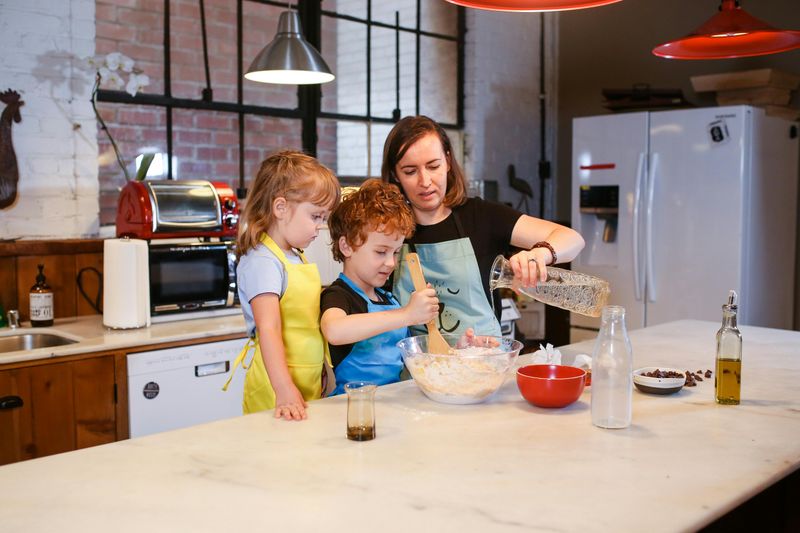
Blending families can introduce a host of logistical and emotional challenges. Negotiating your parenting styles and managing step-parent dynamics require significant effort.
For many, maintaining separate family lives while enjoying romantic relationships is a less stressful option. Keeping family and romance distinct helps avoid potential conflicts.
This approach allows parents to prioritize their children’s needs without adding complexity to their family structure.
6. Cohabitation Over Remarriage

Why tie the knot when cohabitation offers similar benefits without legal risks? Living together provides companionship and support, minus the official obligations of marriage.
This arrangement allows individuals to maintain personal autonomy while enjoying a committed relationship. It’s the best of both worlds.
Many find this approach provides the emotional security they crave without the complications remarriage might bring.
7. Broader Dating Options

Modern dating landscapes offer an array of options that didn’t exist before. With societal norms evolving, long-term relationships without marriage are increasingly accepted.
Dating apps and changing social norms have broadened the possibilities, making marriage less of a default outcome.
This expanded horizon allows individuals to explore relationships without the pressure to formalize them through marriage.
8. Divorce Among Older Adults

As divorce rates rise among those over 50, known as ‘gray divorce,’ older adults often prefer stability and personal space.
After years of marriage, many choose to embrace solitary life, valuing the freedom it provides.
The desire for personal peace and comfort outweighs the incentives to remarry, especially when life has already settled into a comfortable routine.
9. Gender Gap in Remarriage Rates

Statistically, divorced men remarry more frequently than women. This disparity often relates to caregiving expectations and financial considerations.
Women, having shouldered significant responsibilities, might not see the same benefits in remarriage. Men might view remarriage as a return to companionship and support.
These differing perspectives highlight the unique challenges and expectations each gender faces post-divorce.
10. Falling Remarriage Rate

With remarriage rates dropping to about 24 per 1,000 eligible adults in 2022, staying unmarried feels increasingly normal.
As fewer peers opt for remarriage, societal pressures diminish, making single life more appealing.
This trend reflects a broader cultural shift away from traditional marriage expectations, encouraging more flexible relationship structures.