 MomSkoop

Saving money at the grocery store doesn’t mean sacrificing quality or taste. Many budget-friendly food items are just as good as their pricier counterparts, and choosing them can help you keep more cash in your wallet. When it comes to certain staples, the store brand or cheaper option works perfectly fine for everyday cooking and eating.
1. Milk

Store-brand milk tastes exactly the same as name-brand versions because all milk must meet strict government standards. Whether you’re pouring it over cereal or using it in recipes, your taste buds won’t notice any difference. The fancy packaging and advertising costs of popular brands simply aren’t worth the extra dollars.
Most grocery stores get their milk from the same local dairies that supply the expensive brands. The only real difference is the label slapped on the jug. By choosing the budget option, you could save several dollars each week without changing your breakfast routine one bit.
Your family will never complain about the switch, and your wallet will definitely thank you for making this simple change.
2. Potatoes
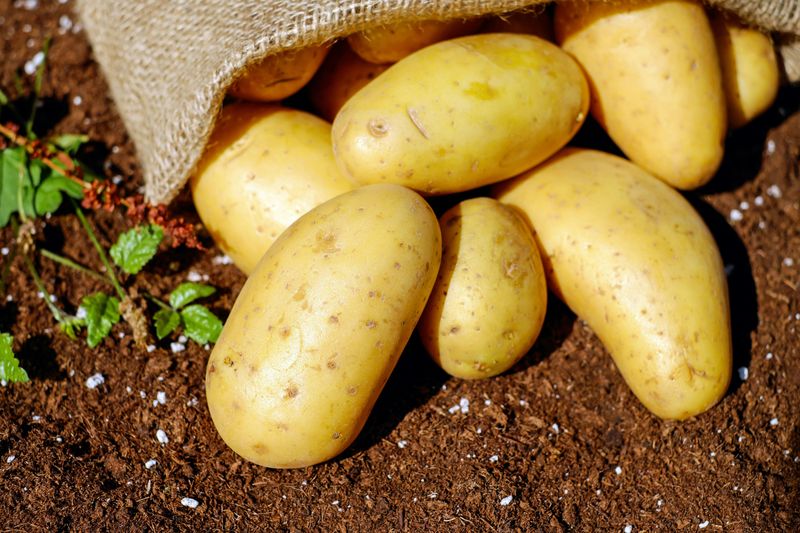
A potato is a potato, no matter how fancy the bag looks. Whether they come in a designer mesh sack or a plain plastic bag, potatoes grow in dirt and taste the same once cooked. Paying extra for premium packaging makes absolutely no sense when you’re just going to peel and mash them anyway.
The loose potatoes in the bulk section often cost even less than bagged ones. You can pick exactly how many you need and avoid waste. Check for firmness and avoid any with green spots, but otherwise, the cheapest spuds will work perfectly for fries, baked potatoes, or any recipe.
Fun fact: Potatoes have been feeding families affordably for centuries, so embrace their budget-friendly nature without guilt.
3. Canned Tomatoes
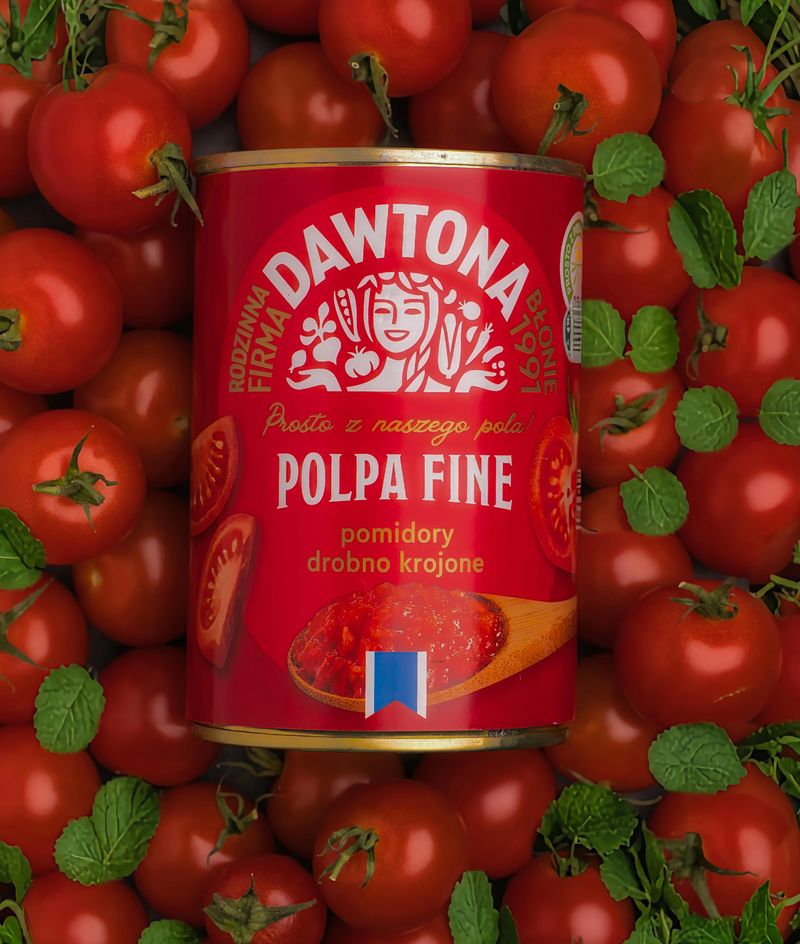
When tomatoes get crushed, diced, or pureed into a can, brand names become meaningless. Once you mix them into your pasta sauce or chili, nobody will ever guess which can they came from. The tomatoes inside budget cans meet the same USDA standards as expensive varieties, so you’re getting identical quality for less money.
Professional chefs often use whatever canned tomatoes are cheapest because they know the secret. Seasonings, cooking time, and technique matter way more than the label on the can. Save your money for fresh herbs and good olive oil instead of wasting it on overpriced tomato brands.
Your spaghetti sauce will taste amazing regardless of which can you open.
4. Frozen Vegetables
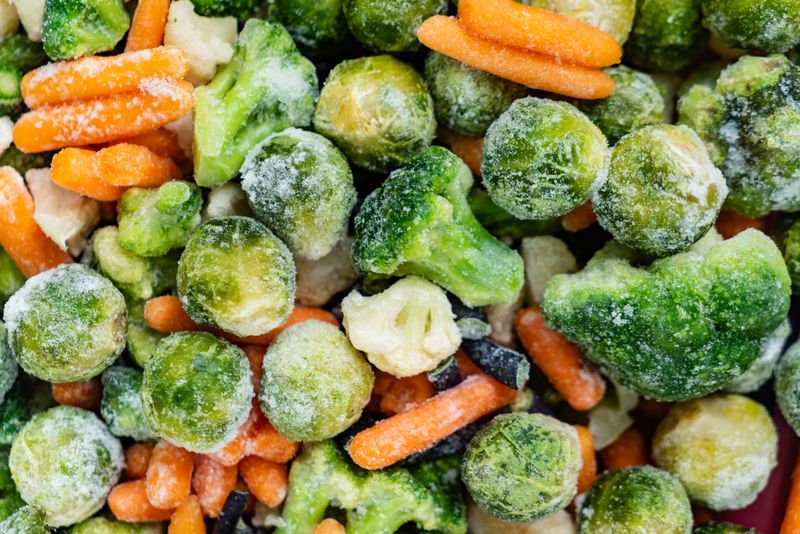
Frozen veggies get picked and frozen at peak ripeness, making them nutritious no matter what brand you buy. The freezing process is basically the same across all companies, so cheaper bags contain vegetables just as healthy and tasty as premium ones. You’re literally paying extra for nothing but a recognizable logo when you choose name brands.
Store-brand frozen corn, peas, green beans, and mixed vegetables work beautifully in soups, stir-fries, and side dishes. They steam up quickly and retain their vitamins perfectly. Comparing ingredients lists will show you that budget and premium options are virtually identical.
Stock your freezer with affordable options and feel good about feeding your family nutritious meals without overspending.
5. Eggs
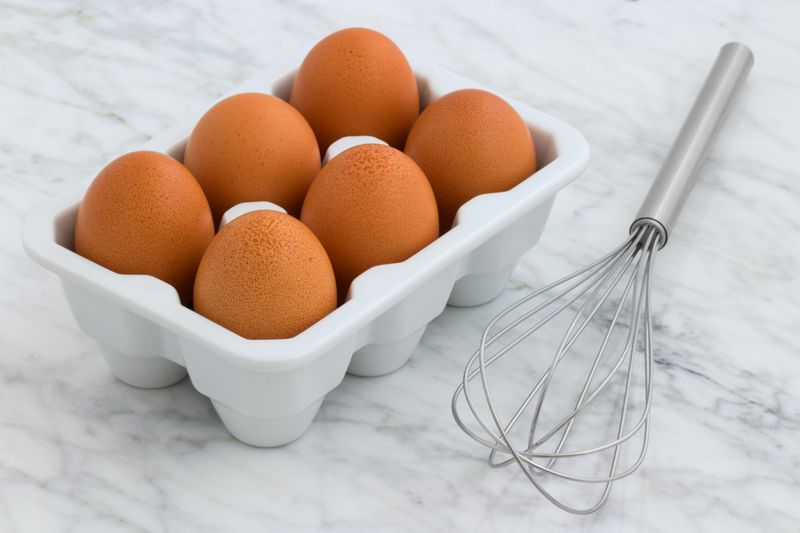
Did you know? Eggs from different brands often come from the same farms, just sorted into different cartons. Unless you’re specifically buying organic or free-range for ethical reasons, regular budget eggs are nutritionally identical to expensive ones. The protein, vitamins, and minerals inside don’t change based on the price tag outside.
Whether you’re scrambling, baking, or hard-boiling them, cheaper eggs perform exactly the same in every recipe. The shell color doesn’t affect taste or nutrition either—that just depends on the chicken breed. Professional bakers use whatever eggs cost least because they understand this truth.
Crack open those budget eggs with confidence and enjoy the savings every single week.
6. Beans
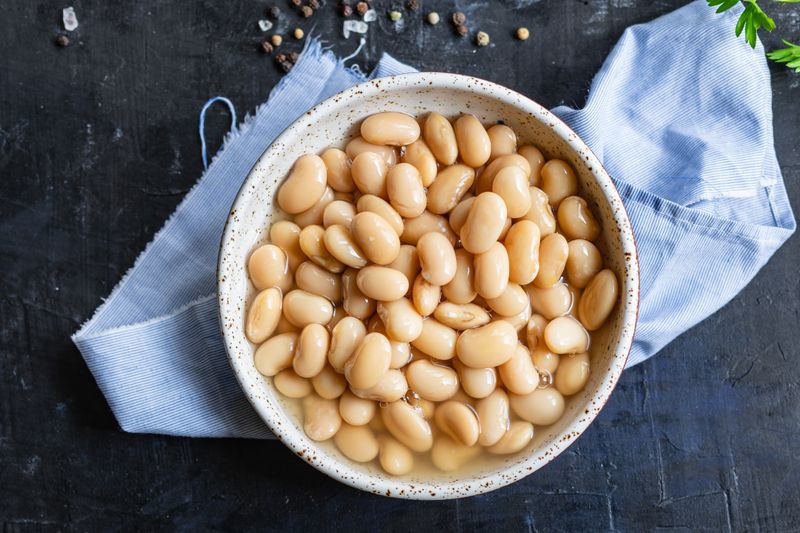
Beans don’t care about branding, and neither should you. Whether they’re black beans, kidney beans, pinto beans, or chickpeas, the store-brand versions taste just as good and pack the same protein and fiber. These humble legumes get cooked, canned, and sealed using industry-standard processes that don’t vary much between companies.
Rinse them before using to reduce sodium, and they’re ready for tacos, salads, soups, or side dishes. The texture and flavor remain consistent across price points. Buying budget beans means you can stock up your pantry without emptying your bank account, making healthy eating more affordable for everyone.
Your burrito bowl won’t know the difference, but your budget definitely will appreciate the savings.
7. Rice
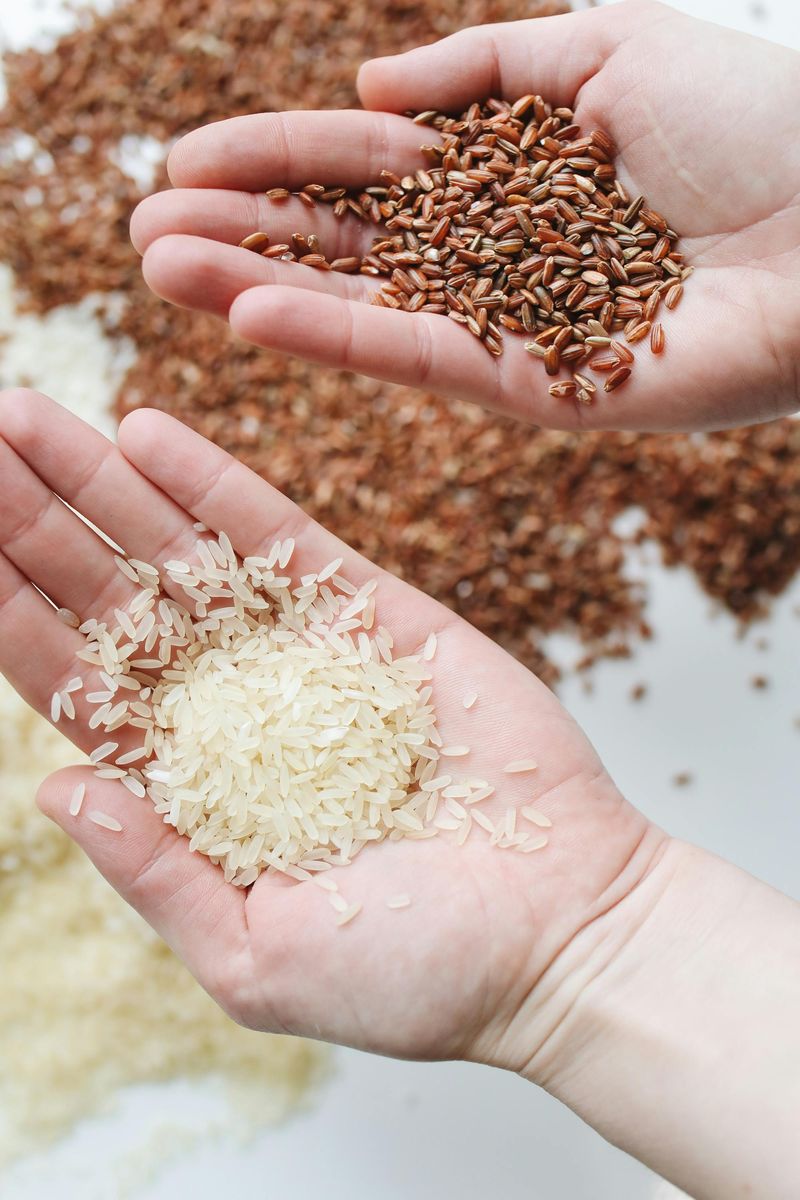
Rice is one of the world’s most affordable staples for good reason—it’s basically the same everywhere. Fancy packaging and brand recognition add unnecessary costs to something that grows naturally and requires minimal processing. Whether it’s white rice, brown rice, or jasmine rice, the budget version cooks up fluffy and delicious every time.
The grains don’t magically taste better because they cost more per pound. Follow the cooking instructions on any bag, and you’ll get perfect results. Rice serves as the foundation for countless meals, from stir-fries to casseroles, so buying it cheaply means more money for flavorful toppings and proteins.
Fill your pantry with affordable rice and stretch your grocery budget much further each month.