 MomSkoop
Your kitchen cabinets might seem like the perfect spot for all sorts of household items, but not everything belongs there. Heat, humidity, and steam from cooking can damage certain products, reduce their effectiveness, or even create safety hazards.
Knowing what to keep out of your kitchen cabinets will help you protect your belongings, keep your family safer, and make your home more organized.
1. Cookbooks
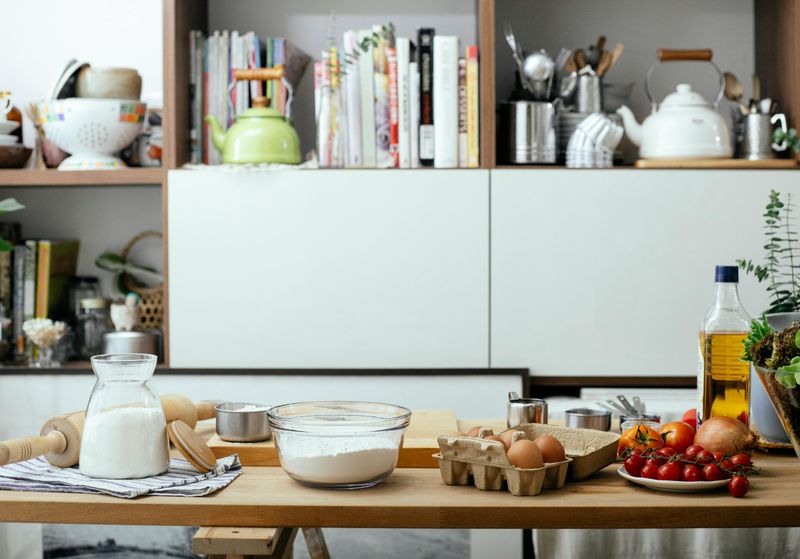
Cooking and dishwashing produce humidity that can warp pages or cause moisture damage to cookbooks and handwritten recipes. Steam rises from pots and pans, settling on everything nearby, including the books you love.
Over time, this moisture causes pages to stick together, ink to smudge, and bindings to fall apart. Mold can even start growing between the pages if conditions get damp enough.
Keep them on a bookshelf, in a living room, or anywhere dry and away from steam. Your favorite recipes will stay readable and your grandmother’s handwritten cards will remain treasured keepsakes for years to come.
2. Paper Tableware
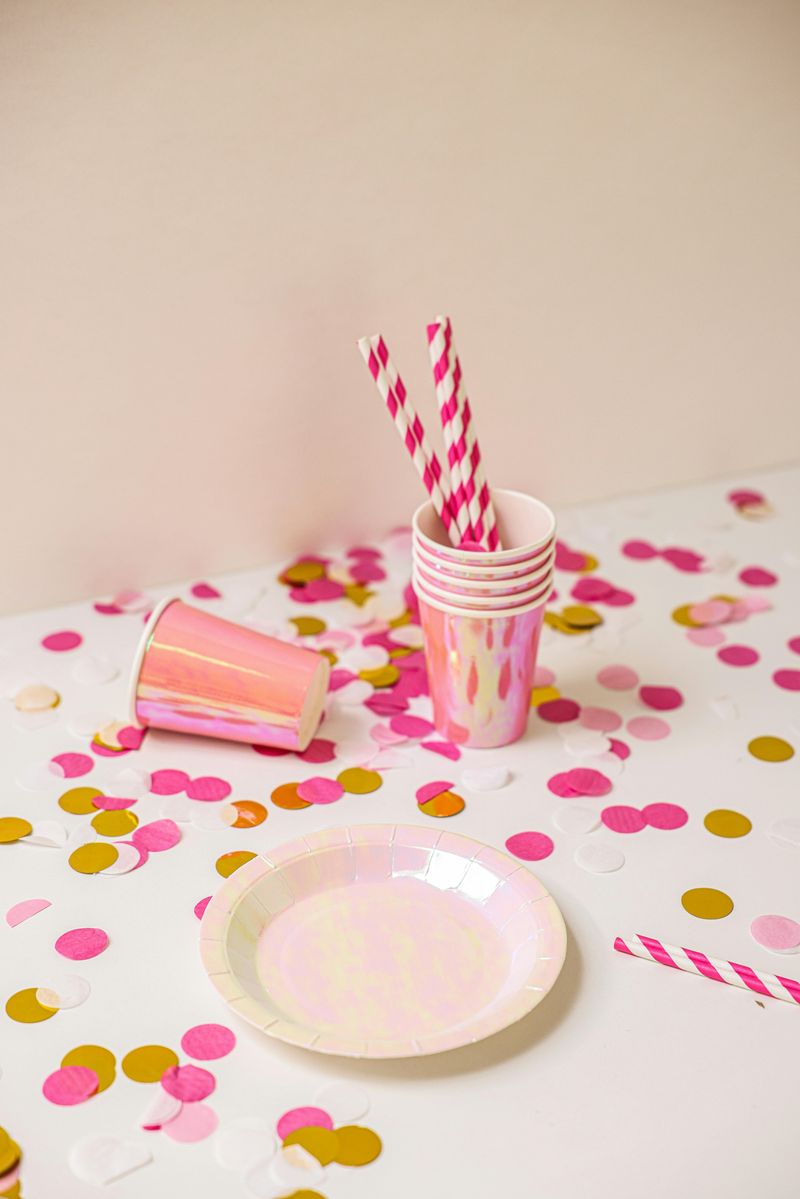
Paper plates and napkins get flimsy in humid cabinets and can even develop mold. When moisture seeps into the paper fibers, they lose their structure and become soft or wrinkled.
Nobody wants to serve food on a soggy plate or wipe their mouth with a damp napkin. Plus, mold spores thrive in dark, humid spaces, turning your party supplies into a health hazard.
Store them in a pantry, linen closet, or high shelf where they’ll stay dry. Keeping paper goods in a well-ventilated area ensures they’re always crisp and ready for your next gathering or picnic.
3. Paper Towels
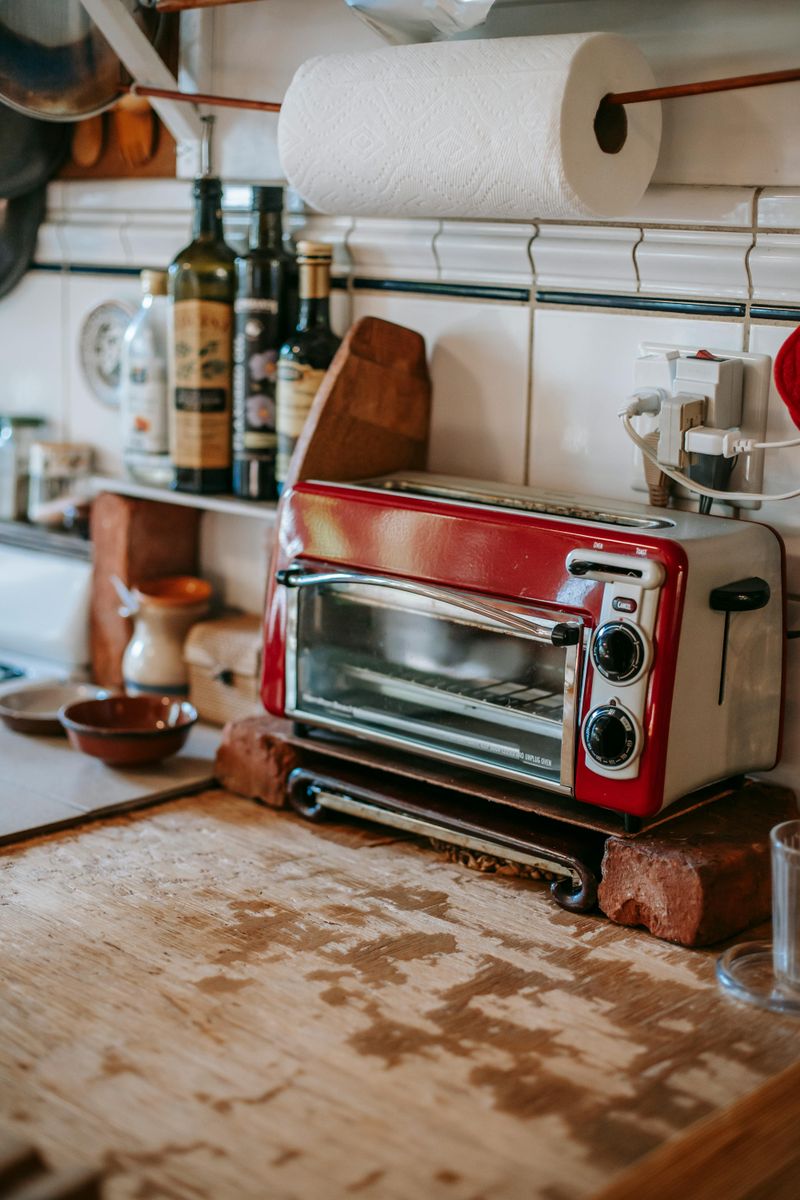
Lower cabinets near sinks are risky because spills, leaks, or splashes can ruin the roll. Water damage makes paper towels useless, and you’ll waste money replacing them constantly.
Even a small drip from a pipe or an accidental splash while washing dishes can soak through the packaging. Once wet, paper towels become breeding grounds for bacteria and mildew.
Instead, keep paper towels in a pantry or a cabinet far from water sources. Storing them in a dry location means they’ll always be absorbent and ready when you need to clean up messes quickly.
4. Spices
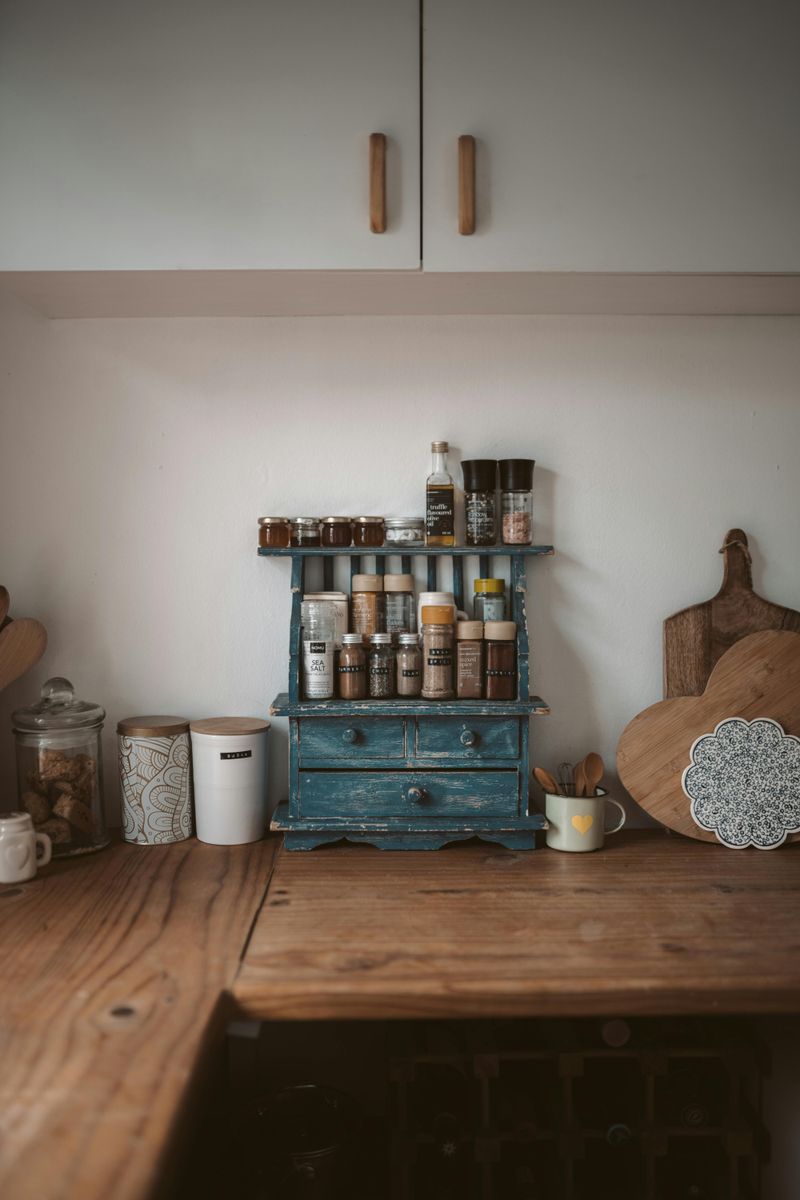
Heat and steam destroy flavor and shorten shelf life. Spices stored near the stove lose their aromatic oils quickly, turning your once-vibrant seasonings dull and tasteless.
Every time you boil water or fry something, heat waves and moisture attack your spice collection. Within months, your cinnamon, paprika, and cumin become shadows of their former selves.
Store spices in a cool drawer, a cabinet away from the stove, or a countertop rack not exposed to heat. Proper storage preserves their potency, ensuring every meal you cook bursts with the bold flavors you expect.
5. Cleaning Products and Chemicals
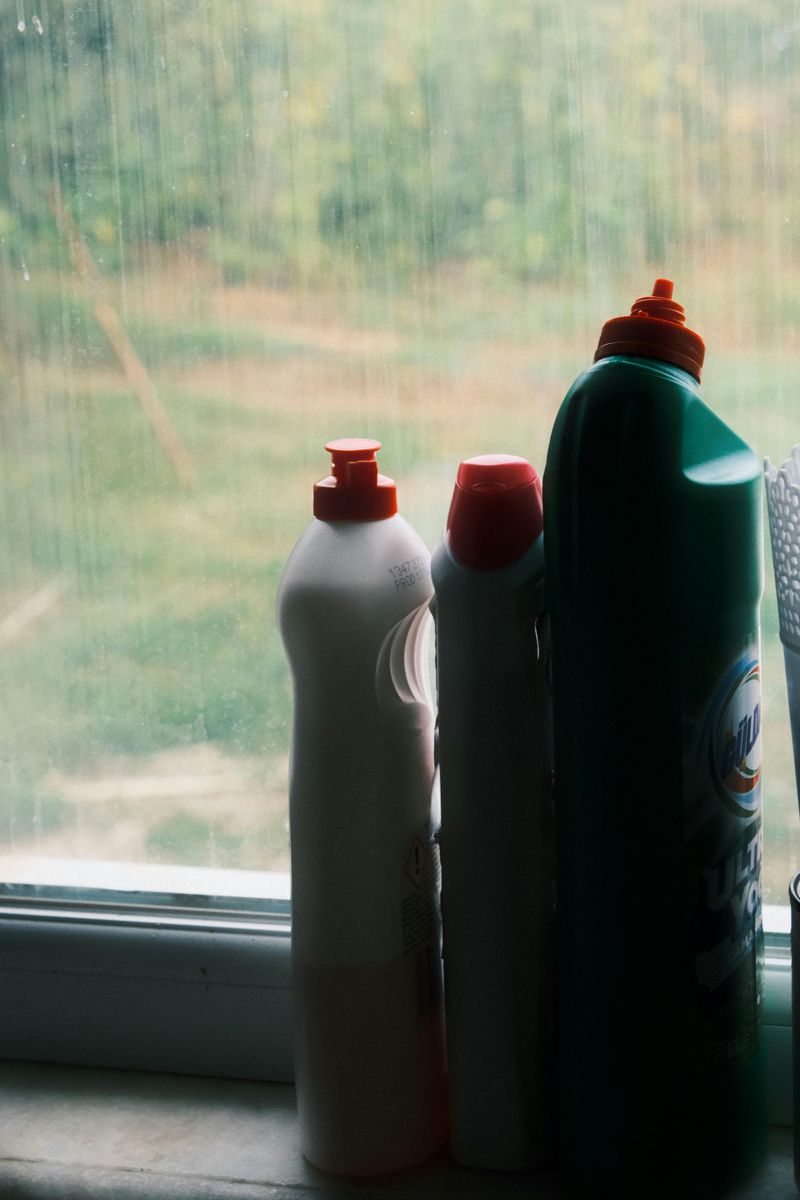
Keeping chemicals beside food or cookware risks contamination, and low cabinets can be unsafe for kids or pets. Accidental spills or leaks can poison the surfaces where you prepare meals.
Curious children or pets might accidentally ingest toxic substances if they’re stored within easy reach. Even fumes from harsh cleaners can affect food quality and taste.
Store them in a laundry room, closet, or locked utility cabinet instead. Separating cleaning products from your kitchen keeps your family safer and prevents dangerous mix-ups that could lead to serious health problems or emergencies.
6. Bulk Oils
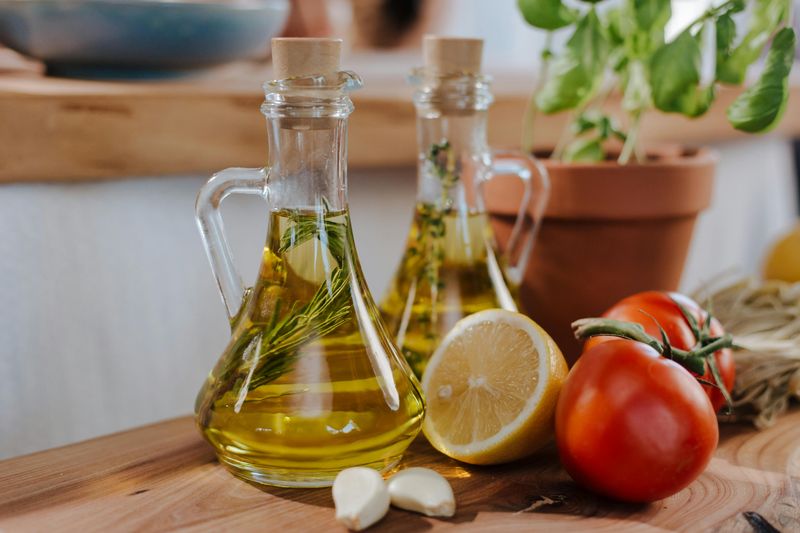
Large bottles spoil quickly in warm cabinets or near the oven. Heat accelerates the oxidation process, turning your oil rancid and giving it an unpleasant smell and taste.
Rancid oil not only ruins your cooking but can also be harmful to your health. Light and warmth are oil’s worst enemies, breaking down beneficial nutrients and creating off-flavors.
Keep a small bottle for daily use on the counter and store extras in a cool pantry or basement. This simple strategy extends shelf life, saves money, and ensures your cooking always tastes fresh and delicious.
7. Medications and Vitamins
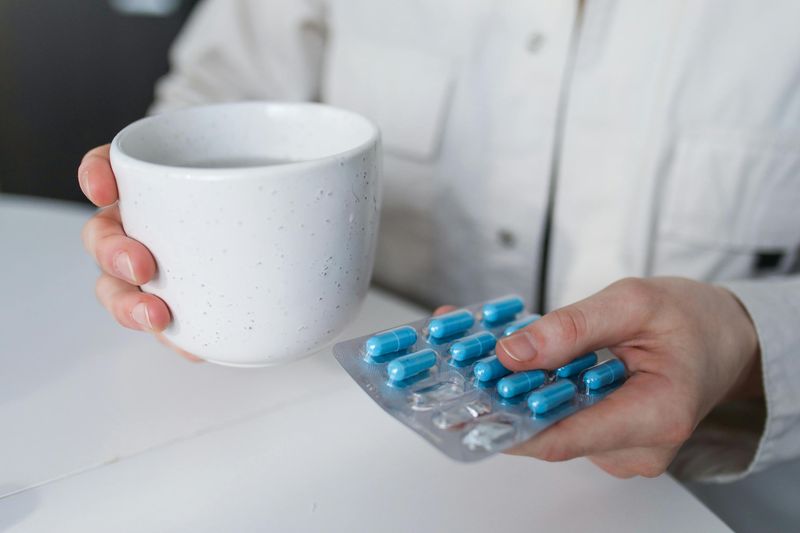
Kitchen humidity can weaken potency and degrade ingredients. Pills and capsules absorb moisture from the air, causing them to break down faster than their expiration dates suggest.
Heat from cooking further speeds up this chemical breakdown, making your medications less effective or even dangerous. Vitamins lose their nutritional value, and prescription drugs may not work when you need them most.
Store them in a bedroom, hallway closet, or a true medicine cabinet away from heat and moisture. Proper storage ensures your health supplements and medications remain effective and safe for consumption.
8. Bulk Staples in Original Packaging
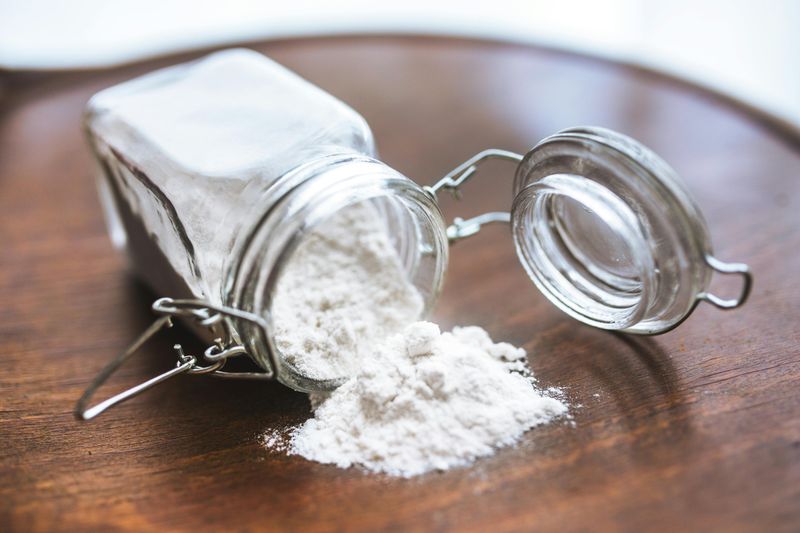
Thin packaging doesn’t protect from moisture or pests. Flour, sugar, and cereal in their original bags are vulnerable to pantry moths, weevils, and other insects that can infest your entire kitchen.
Humidity makes flour clump and sugar harden, while also creating perfect conditions for mold growth. Rodents can easily chew through cardboard boxes and thin plastic bags.
Transfer goods to airtight containers and store them in a dry pantry instead of a warm cabinet. This protection keeps your staples fresh, pest-free, and ready to use whenever you’re baking or cooking.
9. Electronics and Charging Devices

Heat, water, and steam can damage batteries and internal components. Electronics near the stove or sink face constant exposure to temperature fluctuations and moisture that shorten their lifespan.
Condensation can form inside devices, causing short circuits and corrosion. Lithium batteries are particularly sensitive to heat, which can cause them to swell, leak, or even catch fire.
Keep electronics in another room or on a designated charging station away from cooking zones. Protecting your devices from kitchen hazards extends their life, maintains performance, and prevents costly repairs or dangerous malfunctions.
10. Fresh Produce That Needs Ventilation
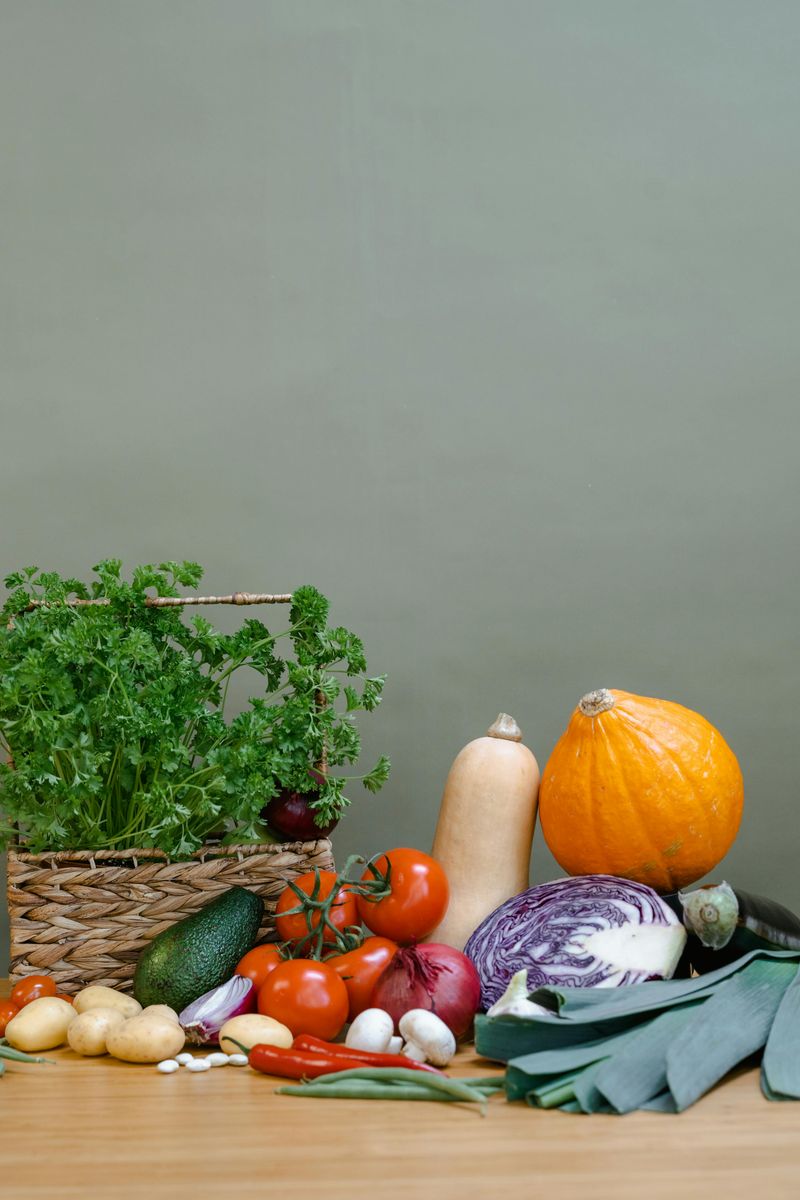
These vegetables spoil, sprout, or mold faster in closed cabinets. Potatoes, onions, and garlic need air circulation to stay fresh, and trapping them in dark, stuffy spaces speeds up decay.
Without proper ventilation, moisture builds up around the produce, creating perfect conditions for rot and mold. Sprouting potatoes develop solanine, a toxic compound that makes them unsafe to eat.
Store them in a ventilated bin or basket in a cool pantry or cellar. Proper airflow and cool temperatures keep these kitchen staples fresh for weeks, reducing waste and ensuring they’re always ready for cooking.