 MomSkoop
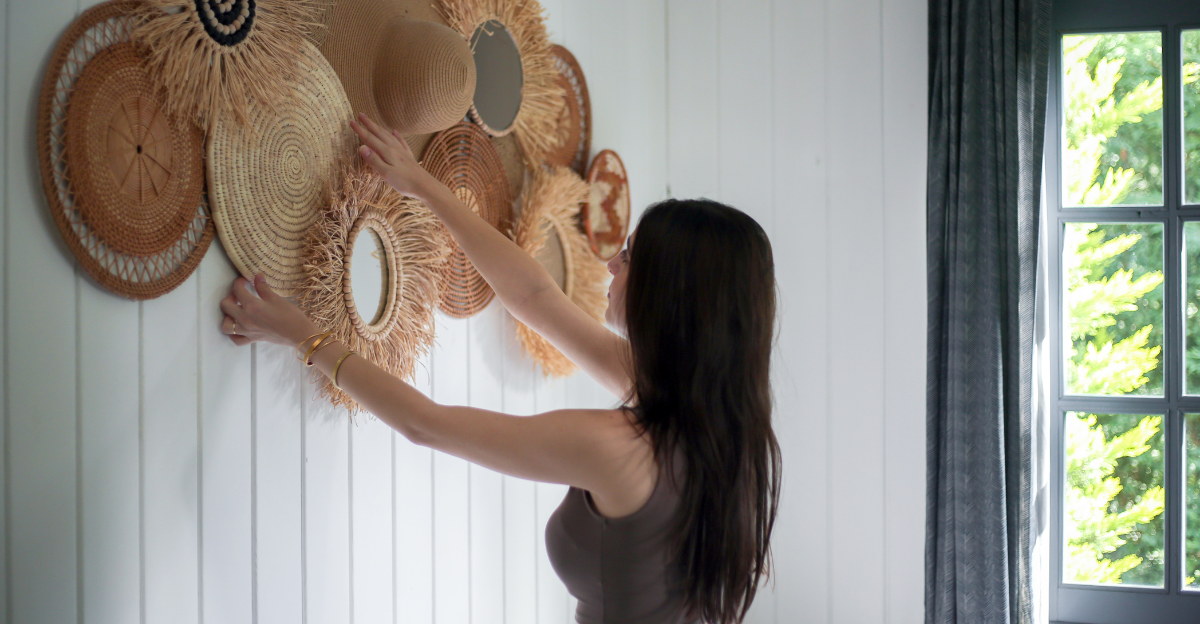
Bare walls can make even the nicest room feel unfinished and cold. The right wall art, hung the right way, transforms your space from boring to beautiful in minutes.
Whether you’re decorating your bedroom, living room, or hallway, these simple tricks will help you arrange artwork like a professional designer without spending a fortune or making costly mistakes.
1. Hang Art at Eye Level for Perfect Viewing
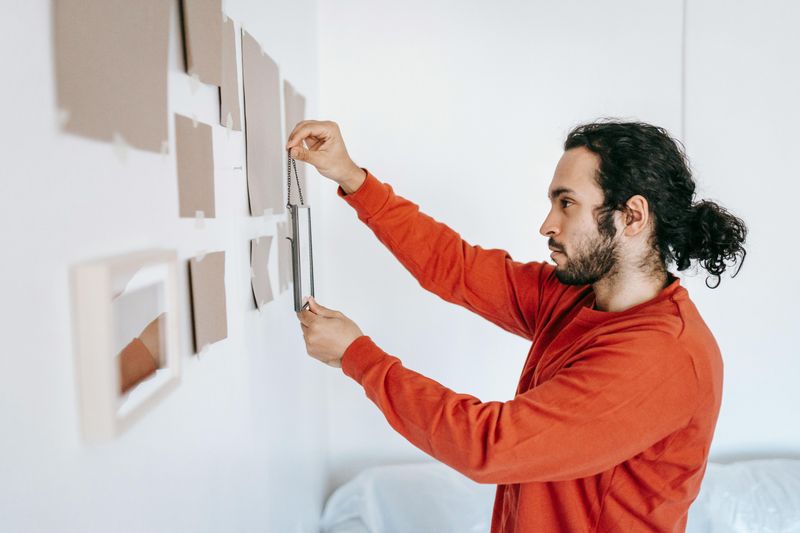
Picture this: you walk into a gallery and every painting sits perfectly at your sight line. That’s no accident. Professional designers always position the center of artwork around 57 to 60 inches from the floor, which matches the average person’s eye level.
This height makes viewing comfortable and natural. If you hang pieces too high, people crane their necks. Too low, and the room feels awkward and cramped.
Measure from the floor to find that sweet spot, mark it lightly with pencil, then hang your art so its center point lands right there. Your walls will instantly look more polished and intentional.
2. Choose Art That Matches Your Wall Size
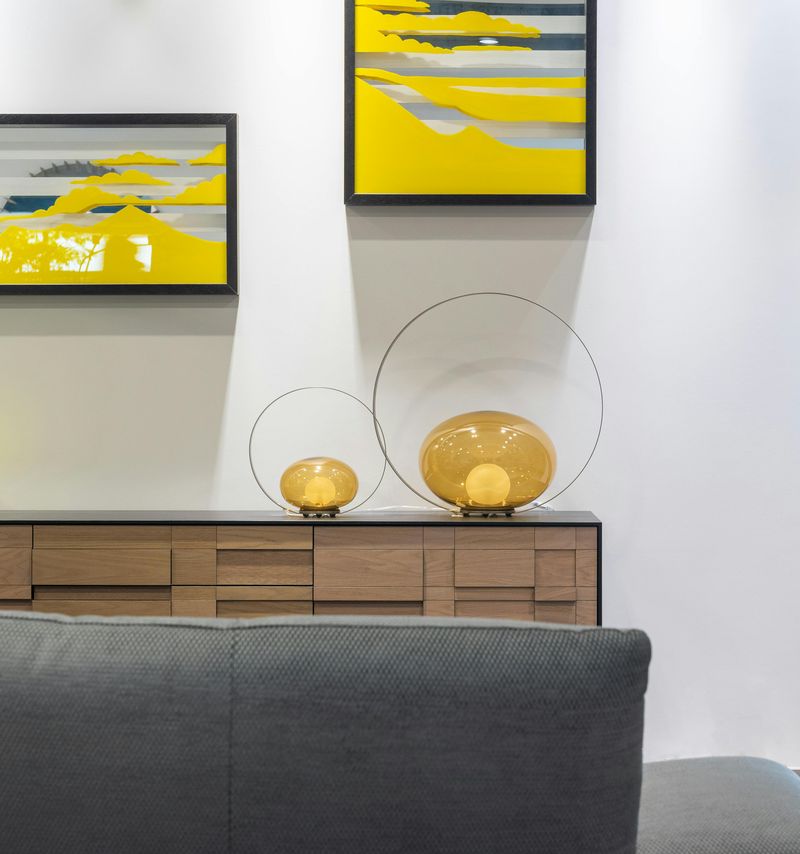
Ever seen a tiny picture floating on a huge wall? It looks lost and makes the whole room feel off-balance. Size matters when you’re picking art for your space.
Large walls need substantial pieces or grouped collections to fill them properly. A good rule: your art should take up about two-thirds to three-quarters of the furniture width below it. For a six-foot sofa, aim for artwork that’s around four feet wide.
Small walls work better with smaller, delicate pieces. Getting the scale right creates harmony and makes your decorating choices look thoughtful instead of random.
3. Fill Empty Walls to Avoid the Floating Effect
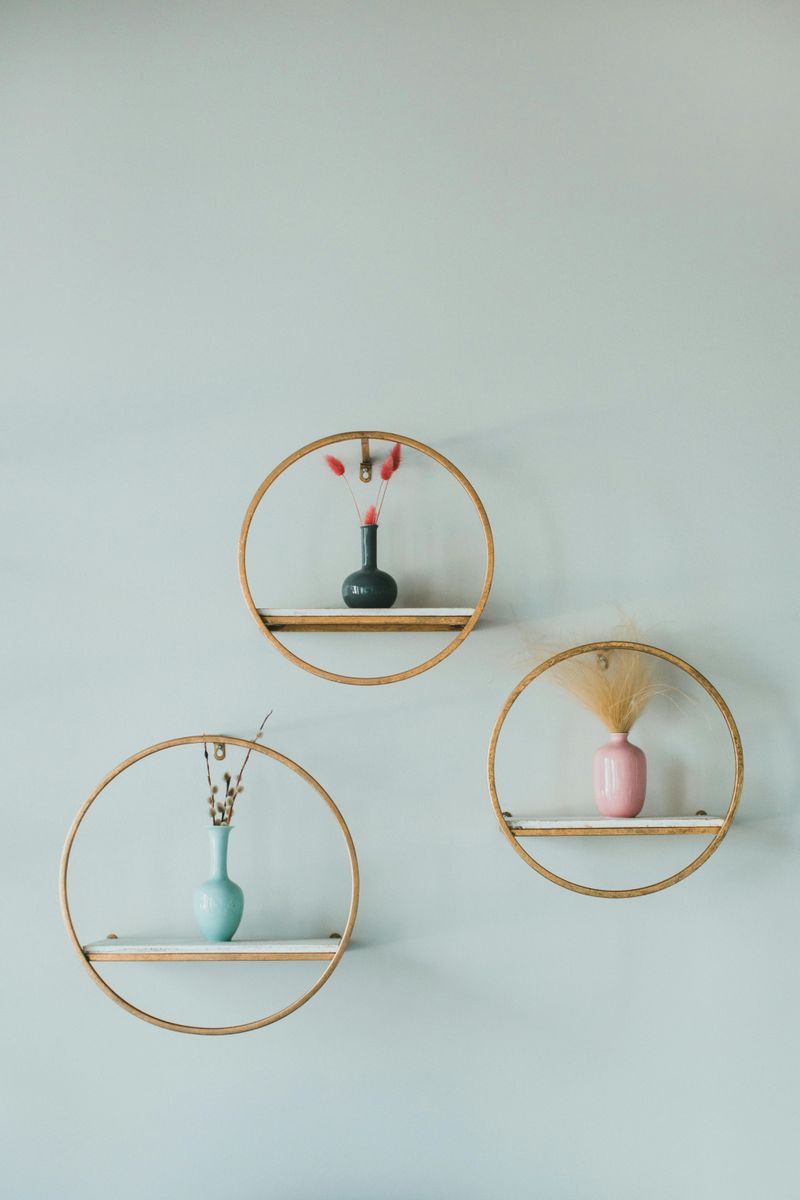
Nothing screams amateur decorator louder than a postcard-sized frame stranded in the middle of a giant blank wall. Your artwork shouldn’t look like it’s swimming in empty space.
Big walls demand bigger statements. Consider oversized canvases, large mirrors, or gallery wall arrangements that command attention and fill the area with purpose. Think of your wall as real estate—you want to use it wisely, not waste it.
When you properly fill your walls, rooms feel complete and cozy rather than bare and unfinished. The difference is dramatic and immediate.
4. Anchor Artwork to Furniture Below It
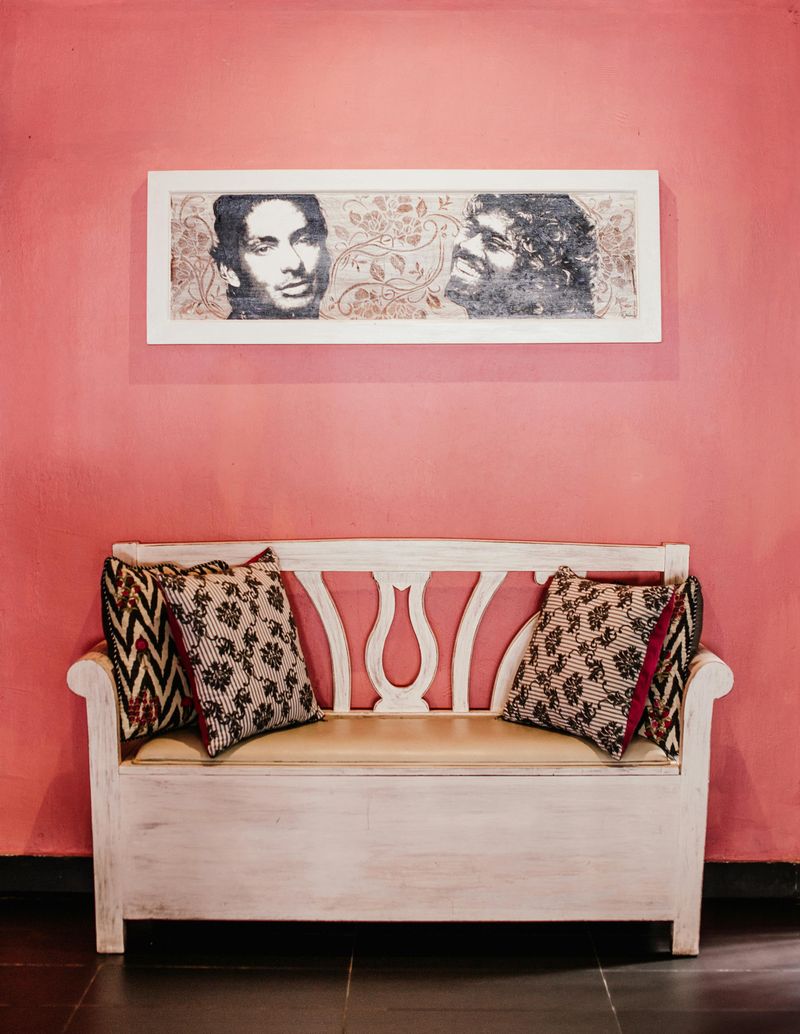
Art shouldn’t float randomly on your walls—it needs a visual connection to the furniture beneath it. Designers call this anchoring, and it’s simpler than it sounds.
Hang your artwork four to eight inches above sofas, console tables, beds, or any other furniture piece. This creates a relationship between the two elements, making them feel like they belong together. Too much space breaks that connection and makes everything look disconnected.
When art and furniture talk to each other through proper spacing, your room gains instant sophistication. It’s one of those small changes that makes a surprisingly big impact on how pulled-together everything appears.
5. Keep Consistent Spacing Between Multiple Pieces
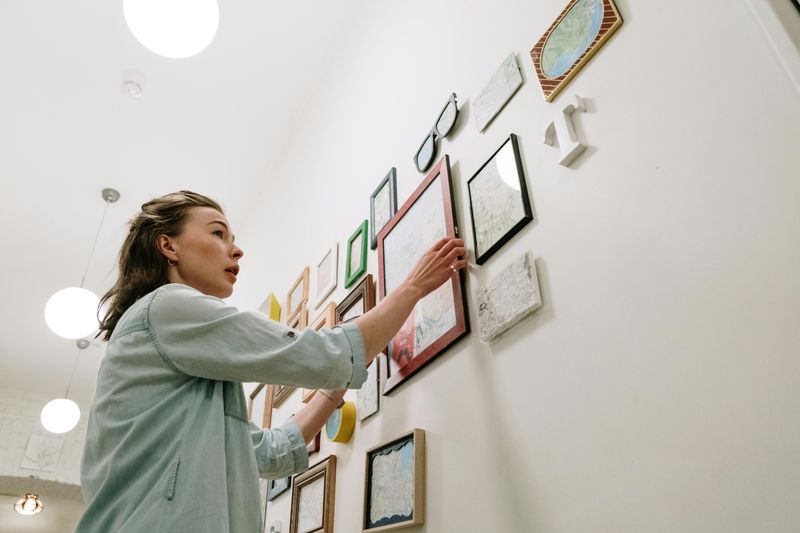
Random gaps between frames make gallery walls look messy and thrown together. Consistency is your secret weapon for creating order out of chaos.
Maintain two to three inches of space between each piece when hanging multiple artworks together. This uniform spacing acts like invisible glue, tying separate pieces into one cohesive display. Use a ruler or even cut a cardboard template to keep measurements exact as you work.
The human eye loves patterns and predictability. When spacing stays consistent, your collection looks intentional and professionally curated rather than haphazard. It’s a tiny detail that delivers major results.
6. Create Unity with Matching Frames or Colors
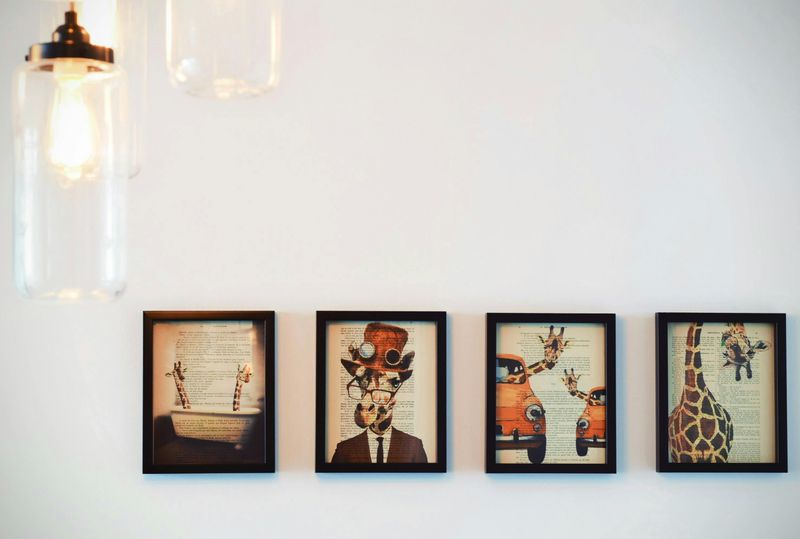
Mismatched frames in every color and style can turn your wall into visual chaos. Bringing unity to your art collection doesn’t mean everything must match perfectly—it just needs a common thread.
Try using identical frame styles in the same finish, like all black or all natural wood. Alternatively, choose artwork that shares a color palette even if the subjects differ wildly. Maybe everything includes shades of blue, or warm earth tones run through each piece.
This cohesive approach ties diverse elements together beautifully. Your wall becomes a curated collection instead of a jumbled mess, and visitors will notice how thoughtfully you’ve decorated.
7. Balance Your Wall with Thoughtful Arrangement
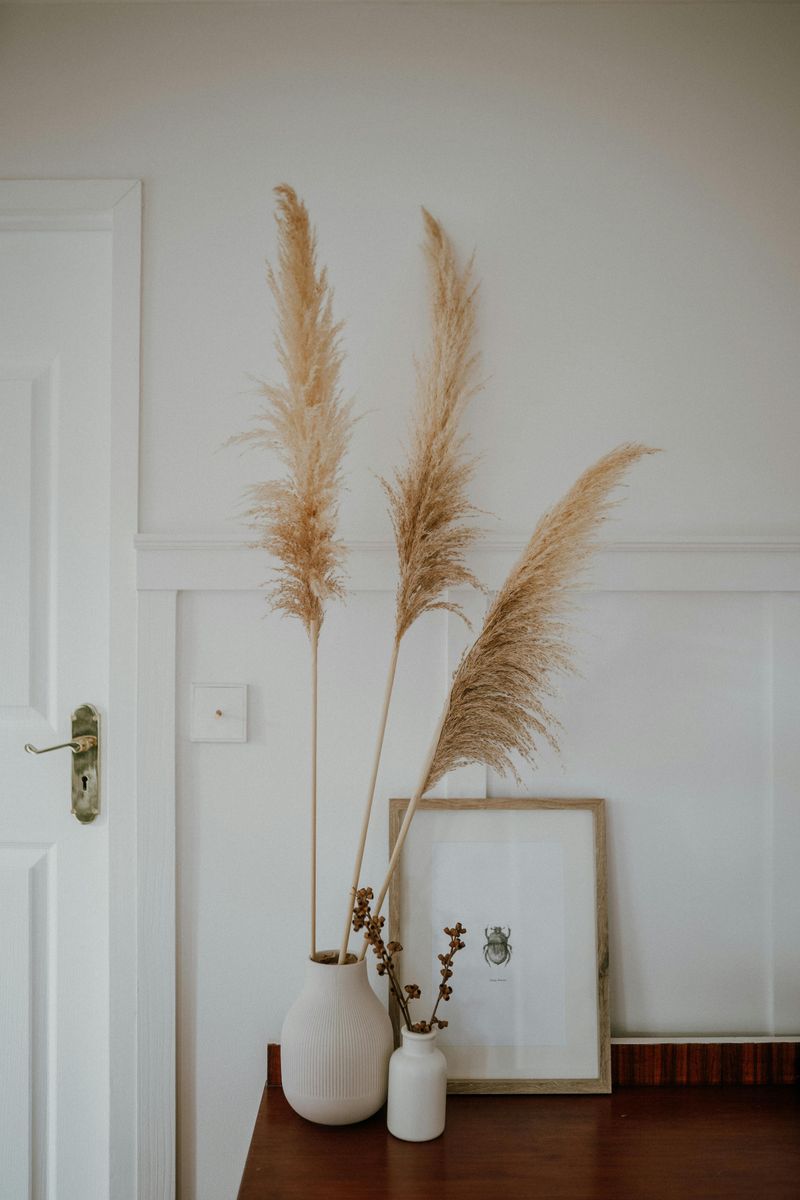
Balance doesn’t mean everything must be symmetrical or boring. It means distributing visual weight so one side doesn’t overwhelm the other.
If you hang a large, dark painting on the left, balance it with something equally substantial on the right—maybe two medium pieces or a bright, eye-catching work. Think of your wall like a seesaw: you want both sides to feel equally important. Mix sizes, colors, and shapes while keeping the overall weight distributed fairly.
When balance works, your eyes move comfortably across the display. Everything feels settled and right, giving your room that polished, designer-approved look you’re after.
8. Mix Different Sizes and Shapes for Interest
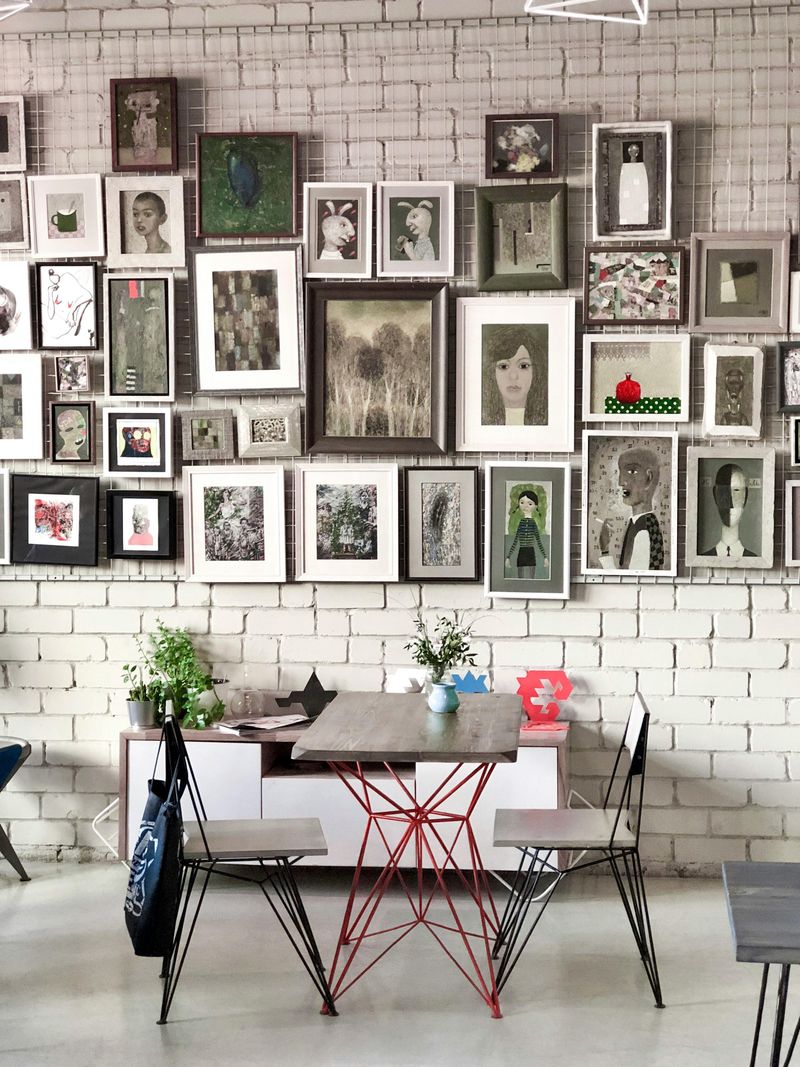
Cookie-cutter displays with identical frames bore the eye and waste your wall’s potential. Variety creates energy and personality that uniform arrangements simply can’t match.
Combine large statement pieces with smaller supporting works. Mix square frames with rectangular ones, add round mirrors or oval portraits. Include different mediums too—photographs beside paintings, prints next to textile art. This diversity keeps viewers engaged and makes your wall genuinely interesting to explore.
The trick is controlled chaos: enough variety to excite without tipping into disorder. When done right, your gallery wall becomes a conversation starter that reflects your unique style and creativity.
9. Incorporate Natural Elements
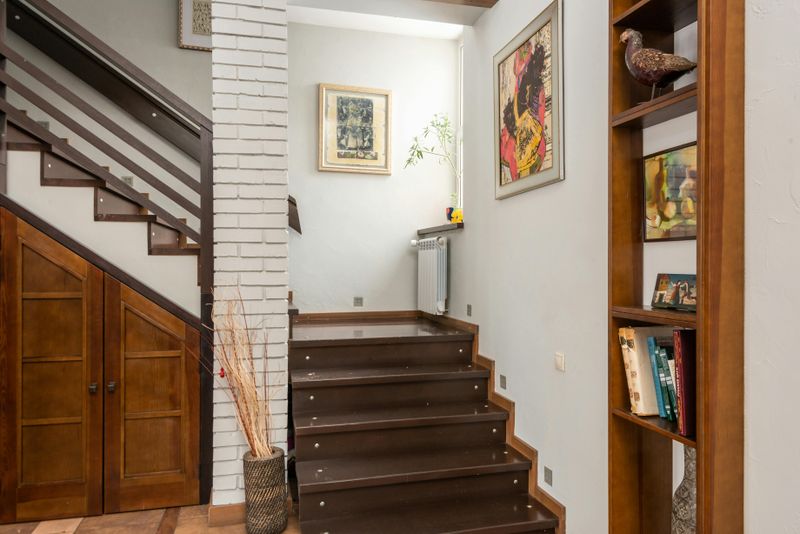
Nature has a way of bringing warmth to any space. Why not incorporate dried flowers or leaves into your wall art? These natural elements can add a fresh, organic touch.
Consider framing pressed flowers or leaves to create a verdant gallery wall. The varying textures and colors will breathe life into your room, offering a subtle connection to the outdoors.
Not only do they provide visual interest, but they also evoke a sense of calm, making them perfect for tranquil spaces like bedrooms or reading nooks.
10. Use Mirrors as Art
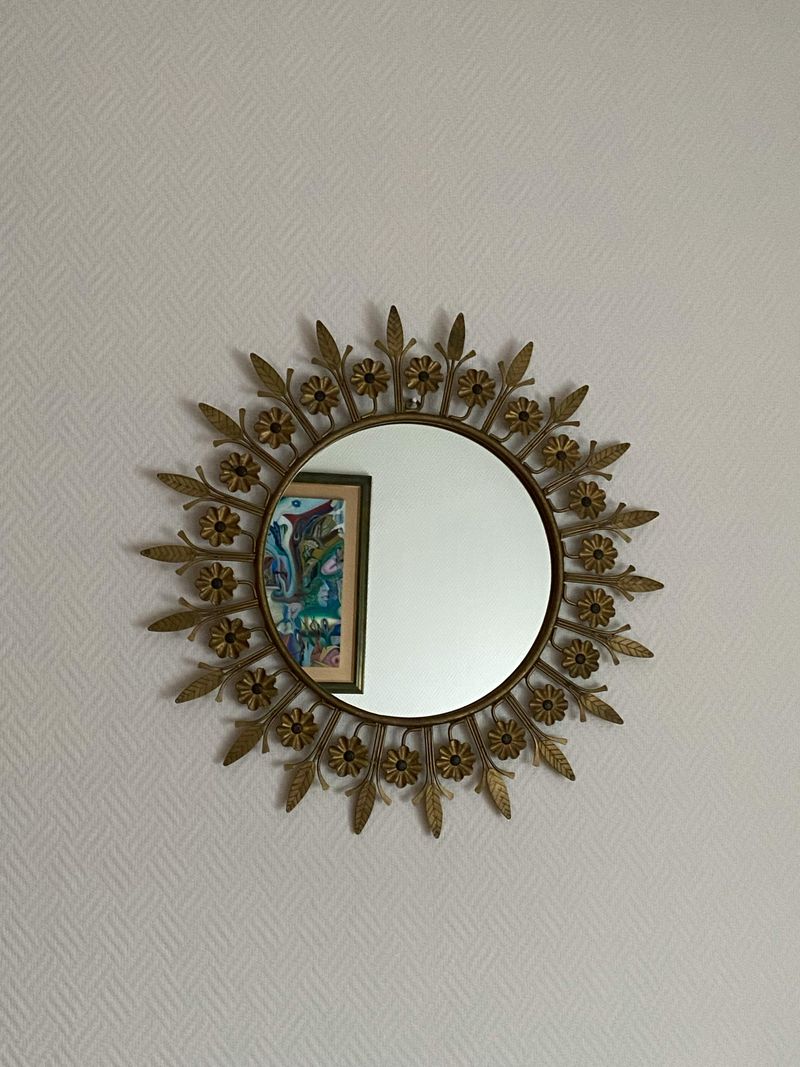
Mirrors aren’t just for checking your reflection. They can be striking pieces of wall art. Choose a mirror with a unique shape or an ornate frame to add dimension and interest.
Mirrors can brighten up a space by reflecting light, making the room appear larger and more open. This is especially useful in smaller rooms or spaces lacking natural light.
Hang a statement mirror in your entryway or living room to serve as a focal point that captivates visitors from the moment they enter.
11. Create a Memory Wall
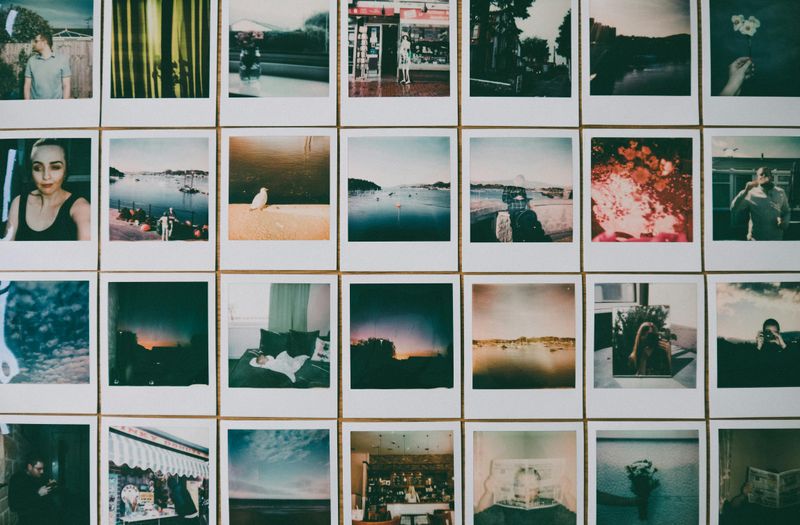
Preserve precious memories by turning them into timeless art. A memory wall is a heartfelt way to showcase family photos and cherished moments.
Mix and match different frame styles and sizes for a dynamic display. This keeps the arrangement visually interesting, while the personal touch adds warmth and nostalgia.
Arrange the photos in a cohesive layout to avoid clutter. This idea works especially well in living rooms or hallways, where stories of family and friends can unfold.
12. Incorporate Textual Art
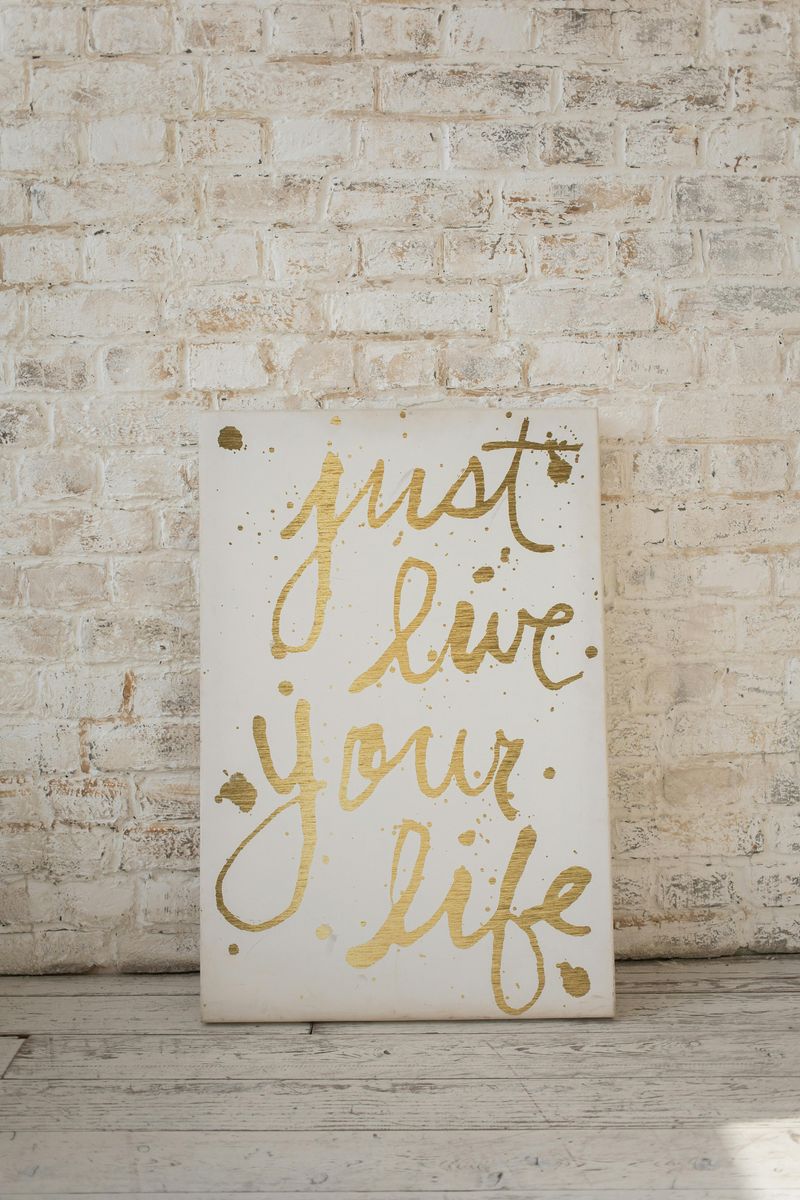
Words can be powerful, so why not use them as art? Incorporate textual art like quotes or lyrics to inspire and motivate.
Choose phrases that resonate with you and align them with your room’s vibe. This could be motivational quotes for an office or playful sayings for a child’s room.
The typography style can enhance the mood, so select fonts that complement your decor. This personal touch not only beautifies the space but also reflects your personality and aspirations.