 MomSkoop

Have you ever felt like someone around you is acting strange, but you can’t quite figure out why? Sometimes people hide their jealousy behind smiles and kind words, making it hard to spot what’s really going on.
Recognizing these hidden signs can help you understand relationships better and protect your peace of mind. Here are thirteen behaviors that might reveal someone is secretly jealous of your success and happiness.
1. They Give You Backhanded Compliments

Ever received a compliment that somehow left you feeling worse instead of better?
Backhanded compliments are sneaky comments that sound nice on the surface but carry hidden criticism underneath.
Someone might say, “Wow, you’re so brave to wear that outfit,” or “You did great for someone with your experience.”
These statements appear supportive but actually plant seeds of doubt.
Jealous people use this tactic because they can’t bring themselves to give you genuine praise.
Their envy makes your achievements feel threatening, so they disguise their negativity as kindness.
Pay attention when compliments feel confusing or make you second-guess yourself.
Trust your gut—it usually knows when something doesn’t feel right.
2. They Downplay Your Accomplishments

Picture this: you just landed your dream job, and instead of celebrating with you, someone responds with, “Oh, they must have been desperate to fill the position.”
Minimizing your wins is a classic jealousy move.
Rather than sharing your excitement, jealous individuals find ways to make your success seem smaller or less impressive.
They might change the subject quickly or compare your achievement to something supposedly better.
This behavior stems from their own insecurity and inability to feel happy for others.
When your light shines bright, it reminds them of what they haven’t accomplished yet.
Genuine friends celebrate your victories without adding “but” statements afterward.
3. They Copy Everything You Do

Imitation might be the sincerest form of flattery, but constant copying crosses into jealousy territory.
When someone repeatedly mimics your style, hobbies, career choices, or even the way you talk, it signals they want what you have.
They might buy the same clothes, pursue similar opportunities, or suddenly develop identical interests right after you mention yours.
While inspiration is normal, jealous copying lacks originality and feels competitive rather than complimentary.
They’re not trying to honor you—they’re trying to become you or outdo you.
This behavior reveals they see you as competition rather than a friend.
Notice if someone consistently mirrors your choices without adding their own unique twist.
4. They Compete With You Constantly

Some people turn every conversation into a contest they must win.
If you mention running a mile, they ran two.
When you share a struggle, theirs was worse.
Got a promotion? They’ll remind you about their bigger accomplishment from years ago.
Jealous individuals can’t let you have a moment without making it about themselves or proving they’re superior.
This one-upmanship exhausts everyone around them because nothing is ever just about you.
Healthy relationships include give-and-take, not scorekeeping.
Competition in small doses can be fun, but constant rivalry signals insecurity and envy.
Real friends don’t need to win every interaction.
5. They’re Overly Critical of Your Choices

Did you know that jealous people often disguise their envy as concern?
They’ll question your decisions constantly, pointing out potential problems or suggesting you’re making mistakes.
Whether it’s your new relationship, job change, or weekend plans, they always find something to criticize.
This isn’t helpful advice—it’s thinly veiled negativity.
Their comments might start with “I’m just trying to help” or “I’m worried about you,” but the underlying message is that you’re not capable of making good choices.
Jealous critics hope to shake your confidence and make you doubt yourself.
Supportive people offer constructive feedback when asked, not constant unsolicited criticism.
6. They Celebrate Your Failures

Watch carefully when things don’t go your way—jealous people can’t hide their satisfaction.
You might catch a quick smile when you mention a setback, or they might seem unusually interested in hearing all the details about what went wrong.
While they won’t openly cheer for your misfortune, their body language and tone reveal their true feelings.
They might offer fake sympathy while their eyes sparkle with relief.
Your struggles make them feel better about their own lives and level the playing field in their minds.
Genuine friends feel disappointed when you face challenges and offer real comfort.
Jealous individuals feel secretly pleased because your pain eases their envy temporarily.
7. They Spread Rumors or Gossip About You
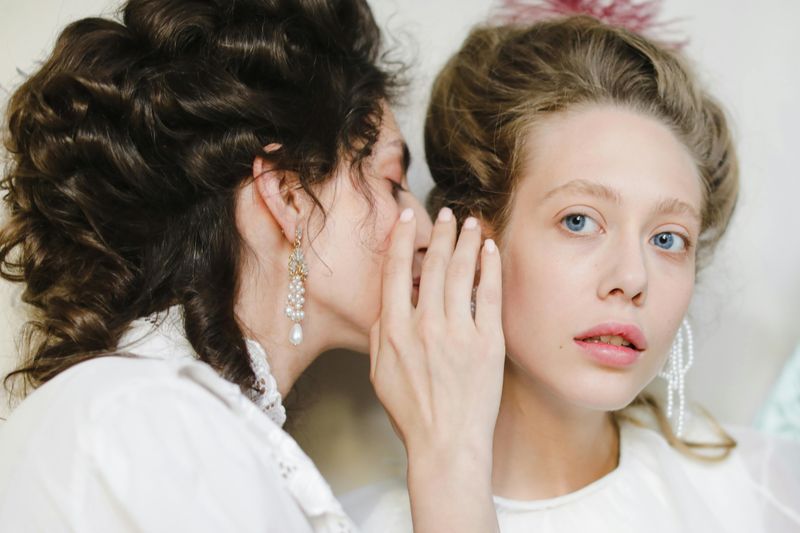
Nothing damages someone’s reputation faster than gossip, and jealous people know this well.
When they can’t compete with your success directly, they might try to tarnish your image behind your back.
They’ll share exaggerated stories, spread half-truths, or plant seeds of doubt about your character with others.
This behavior aims to bring you down to their level socially.
They might frame gossip as concern, saying things like “I’m worried about her, did you hear…” to seem caring while actually being destructive.
If rumors keep circulating about you, consider who benefits from damaging your reputation.
Jealous people use gossip as a weapon when they feel threatened by your success.
8. They Exclude You From Social Events

Suddenly not getting invited to gatherings you’d normally attend?
Jealous people sometimes try to isolate you socially, hoping others won’t witness your charm, success, or likability.
They might organize events without including you or conveniently “forget” to mention plans until after they’ve happened.
This exclusion serves multiple purposes: it punishes you for being enviable and prevents others from getting too close to you.
They fear you’ll overshadow them or that friends will like you more.
Social exclusion is a passive-aggressive way to express jealousy without confronting their feelings directly.
True friends make sure you’re included and value your presence in group settings, not strategically leave you out.
9. They Rarely Show Genuine Happiness for You

When you share good news, does their smile seem forced, or does the conversation quickly shift away from your achievement?
Jealous individuals struggle to express authentic joy when good things happen to you.
Their congratulations feel hollow, rushed, or accompanied by immediate subject changes.
They might nod politely but show no real excitement in their eyes or tone.
Some even respond with silence or immediately talk about themselves.
This lack of enthusiasm happens because your happiness triggers their feelings of inadequacy.
Celebrating you means acknowledging what they don’t have, which feels painful to them.
Compare this to friends who light up when you succeed—that’s what genuine support looks like.
10. They Try to Sabotage Your Plans

Sabotage doesn’t always look dramatic—sometimes it’s subtle and easy to miss.
Jealous people might “accidentally” share your confidential information, show up late when you’re counting on them, or give you bad advice disguised as help.
They create small obstacles that make your path harder without leaving obvious fingerprints.
Perhaps they discourage you from opportunities or introduce doubt right before important moments.
This behavior stems from a desire to see you fail or at least not succeed as much as you could.
If someone consistently creates problems in your life, even small ones, consider whether jealousy might be the hidden motive.
Supportive people clear paths for you, not block them.
11. They Give You the Silent Treatment
Have you noticed someone suddenly going cold after you shared exciting news?
The silent treatment is emotional manipulation that jealous people use when they can’t process their envy maturely.
Instead of communicating feelings, they withdraw, ignore messages, or act distant without explanation.
This punishment aims to make you feel bad about your success or to regain control of the relationship dynamic.
They want you to chase after them and wonder what you did wrong.
The truth is, you didn’t do anything wrong—their jealousy did.
Healthy people talk through uncomfortable feelings rather than shutting others out.
If someone regularly gives you the cold shoulder after your victories, jealousy is likely the culprit.
12. They Point Out Your Flaws Publicly

“Just kidding!” they say after embarrassing you in front of others.
Jealous individuals often disguise their attacks as jokes, pointing out your mistakes, weaknesses, or embarrassing moments when there’s an audience.
They might tease you about something sensitive or share stories that make you look bad while claiming it’s all in good fun.
This public humiliation serves to diminish you in others’ eyes and make themselves feel superior by comparison.
Real friends protect your dignity, especially in group settings.
They don’t use your vulnerabilities as entertainment or try to make you the butt of jokes.
If someone repeatedly embarrasses you publicly, their jealousy is showing through their need to knock you down.
13. They Show Fake Concern About Your Well-Being

Sometimes jealousy wears a mask of worry.
They might frequently ask if you’re okay, suggest you look tired, or imply that your success is stressing you out too much.
These comments sound caring but actually plant negative ideas.
“Are you sure you can handle all that responsibility?” or “You’ve been looking really stressed lately” become ways to undermine your confidence while appearing supportive.
This false concern aims to make you question whether you deserve your success or can maintain it.
They hope you’ll internalize their doubts and perhaps even step back from opportunities.
Genuine concern uplifts and encourages; jealous concern disguises criticism as care and leaves you feeling worse, not better.