 MomSkoop
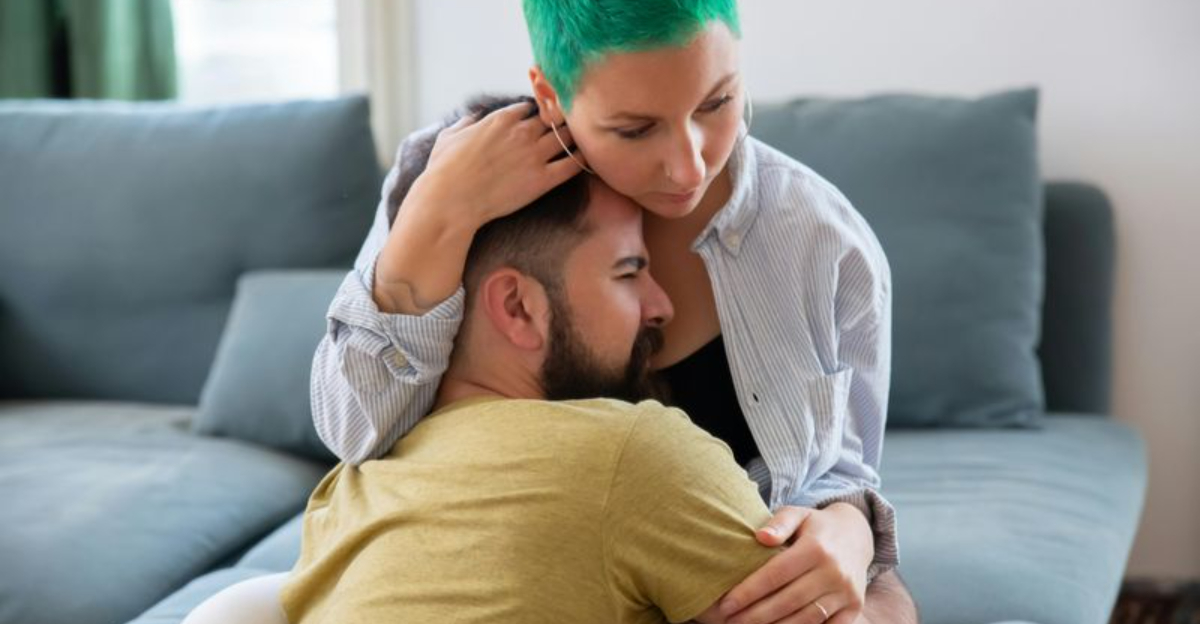
Have you ever felt like your partner pulls away the moment you try to have a real conversation? Some men struggle when they’re with women who understand their own emotions and communicate clearly. Recognizing these patterns can help you understand what’s really happening in your relationship and decide what you truly deserve.
1. He Avoids Deep Conversations

Notice how every time you bring up something meaningful, he suddenly remembers a funny video or starts scrolling through his phone?
This pattern reveals discomfort with emotional depth.
When you mention your feelings or relationship concerns, he might crack jokes or quickly switch topics.
Women who understand emotions naturally want to discuss feelings openly.
For him, these conversations feel like stepping into unfamiliar territory where he doesn’t know the rules.
He worries about saying the wrong thing or being unable to match your level of understanding.
Instead of admitting his discomfort, he creates distractions.
This avoidance keeps him safe from vulnerability but leaves you feeling unheard and disconnected from genuine intimacy.
2. He Gets Defensive When You Express Your Needs

Even the simplest statement like “I felt hurt when you canceled our plans” makes him act like you’ve launched a personal attack.
His face tightens, his voice rises, and suddenly you’re the one apologizing.
This reaction isn’t about what you said but about what he hears.
Your emotional clarity mirrors back his own behavior, forcing him to examine actions he’d rather ignore.
Instead of listening, he interprets your honest communication as blame or criticism.
His defensiveness becomes a shield against self-reflection.
Women with emotional intelligence simply state their needs without drama.
Yet he experiences this straightforward honesty as threatening because it requires him to acknowledge his impact on others, something he hasn’t learned to do comfortably.
3. He Mistakes Emotional Maturity for Being Dramatic

“You’re being too sensitive.”
“Why do you overthink everything?”
“You’re so dramatic.”
These phrases pop up whenever you express feelings with clarity and honesty.
He labels your emotional intelligence as excessive rather than recognizing it as healthy communication.
By calling you dramatic, he dismisses your legitimate feelings without having to engage with them.
This tactic helps him avoid the emotional work required in mature relationships.
Your ability to name and express emotions highlights his inability to do the same.
Rather than admiring your self-awareness, he minimizes it.
This downplaying serves as his defense mechanism, keeping him comfortable while making you question whether your perfectly reasonable feelings are actually problems.
They’re not.
4. He Pulls Away When Things Get Close

Things feel amazing for a while.
You’re connecting, sharing, laughing together, and then suddenly he becomes a ghost.
He’s “busy with work,” stops texting as much, or becomes emotionally distant without explanation.
This push-pull pattern leaves you confused and hurt.
Growing intimacy requires vulnerability and self-awareness, qualities he hasn’t developed yet.
When emotional closeness increases, his fear kicks in.
He worries he can’t sustain this level of connection or that you’ll see parts of himself he hasn’t examined.
Instead of communicating his fears, he creates distance.
This retreat protects him from the discomfort of true intimacy while leaving you wondering what you did wrong.
The answer? Absolutely nothing.
5. He Struggles to Apologize or Take Accountability

After an argument, you wait for an apology that never comes.
Instead, he explains why circumstances made him act that way or somehow turns the situation around to make it about your reaction.
Genuine accountability feels impossible with him.
Emotionally intelligent women value partners who can admit mistakes and make repairs.
He finds this threatening because taking responsibility requires examining his behavior honestly.
That level of self-reflection makes him uncomfortable, so he deflects instead.
He might say “I’m sorry you felt that way” rather than “I’m sorry I did that.”
Notice the difference? One acknowledges feelings while avoiding responsibility for actions.
This pattern prevents real growth and keeps your relationship stuck in repetitive cycles.
6. He Gets Overwhelmed by Your Self-Awareness

You casually mention understanding your attachment style or recognizing one of your emotional triggers, and he looks at you like you’re speaking another language.
When you discuss personal growth or set boundaries based on past patterns, he shuts down completely.
Your emotional vocabulary and self-knowledge intimidate him.
While you’ve done work to understand yourself, he hasn’t taken that journey.
Your self-awareness creates an uncomfortable comparison, highlighting what he lacks in emotional intelligence and personal development.
Rather than feeling inspired by your growth, he feels inadequate.
This discomfort manifests as confusion, dismissal, or withdrawal.
He doesn’t have the tools you possess, and your competence in this area makes that gap painfully obvious to him.
7. He Labels You as Intimidating or Too Independent

Your confidence, clarity about who you are, and independence become problems rather than strengths.
He frames these qualities as barriers to connection instead of celebrating them.
Emotionally intelligent women typically know themselves well.
They’ve examined their values, understand their worth, and don’t need someone else to complete them.
This self-possession can threaten men who haven’t done similar internal work or who prefer partners who depend on them.
When he calls you intimidating, he’s really saying your strength makes him feel inadequate.
Your independence highlights his insecurities.
Rather than rising to meet you, he tries to make your growth seem like a flaw in the relationship.
8. He Doesn’t Know How to Support You Emotionally

You’re having a rough day and need emotional support.
Instead of offering comfort, he freezes like a deer in headlights.
He might get irritated, withdraw to another room, or try to immediately fix the problem rather than simply being present with your feelings.
Emotionally intelligent partners expect emotional presence, not just practical solutions.
He lacks the skills to sit with uncomfortable feelings, whether his own or yours. Y
our calm communication of emotions doesn’t help because his discomfort comes from not knowing how to respond appropriately.
This inability to provide emotional support creates loneliness in your relationship.
You learn to handle your feelings alone, not because you want to, but because he can’t show up for you in this essential way.
9. He Feels Threatened When You Set Healthy Boundaries

The moment you say “no” or establish a clear boundary about what you will or won’t accept, he reacts with anger, guilt-tripping, or cold distance.
Your boundaries feel like rejection to him rather than healthy relationship practices.
Women with emotional intelligence understand that boundaries create respect and sustainability in relationships.
They’re not walls but guidelines for healthy interaction.
He interprets them as control or punishment because he doesn’t understand how emotionally mature relationships function.
His resistance reveals his discomfort with partners who require respect and have clear standards.
He may be used to relationships without firm boundaries, where he doesn’t have to consider another person’s limits.
Your clarity forces him to operate differently, which he experiences as threatening.
10. He Relies on You to Regulate His Emotions

Somehow you’ve become responsible for managing his moods.
When he’s upset, you calm him down.
When there’s conflict, you do the emotional labor to resolve it.
He contributes little to the emotional maintenance of your relationship while depending entirely on your maturity.
This dynamic turns you into his emotional caretaker rather than his equal partner.
He leans on your skills like a crutch instead of developing his own emotional capabilities.
Your intelligence becomes something he uses rather than something that inspires his growth.
Healthy relationships involve mutual emotional responsibility.
When only one person does this work, exhaustion and resentment build.
You deserve a partner who manages his own emotions and contributes equally to the relationship’s emotional health, not someone who drains yours.