 MomSkoop
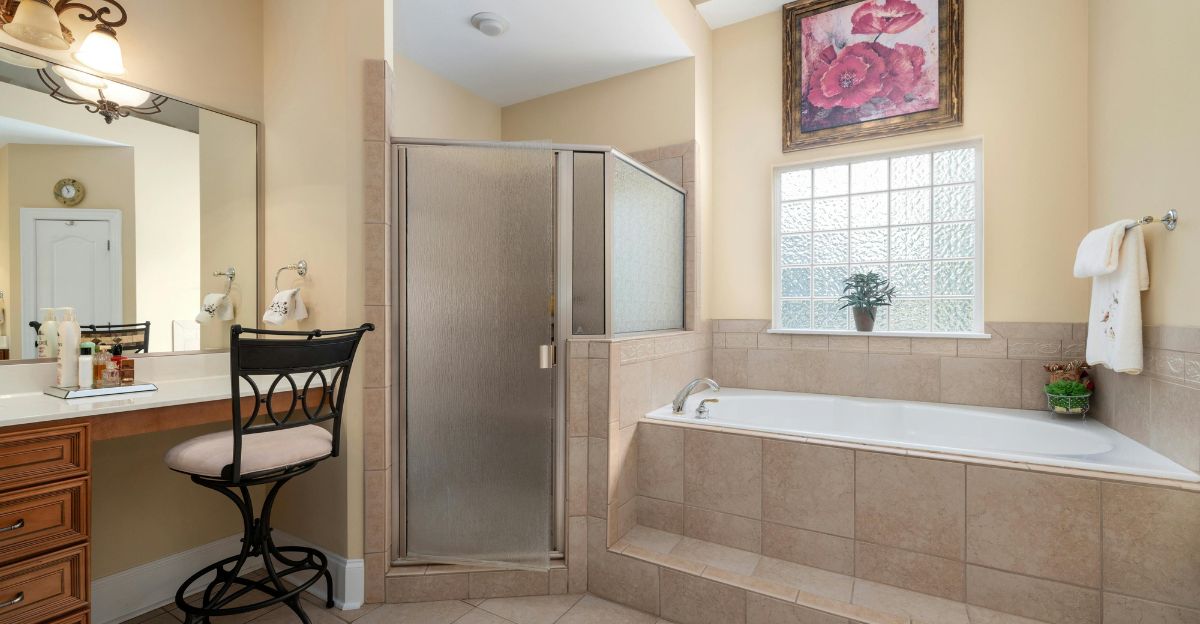
Today’s buyers aren’t just looking for a house—they’re looking for a space that feels current, functional, and move-in ready. Even small design details can shape their perception within minutes of walking through the door.
Features that once felt stylish or practical can now signal extra work, added costs, or simply a home that hasn’t kept up with modern expectations. If you’re planning to sell—or just want to stay aligned with current trends—it helps to know what stands out for the wrong reasons. Here are 11 outdated home features that can quickly turn modern buyers away.
1. Popcorn Ceilings
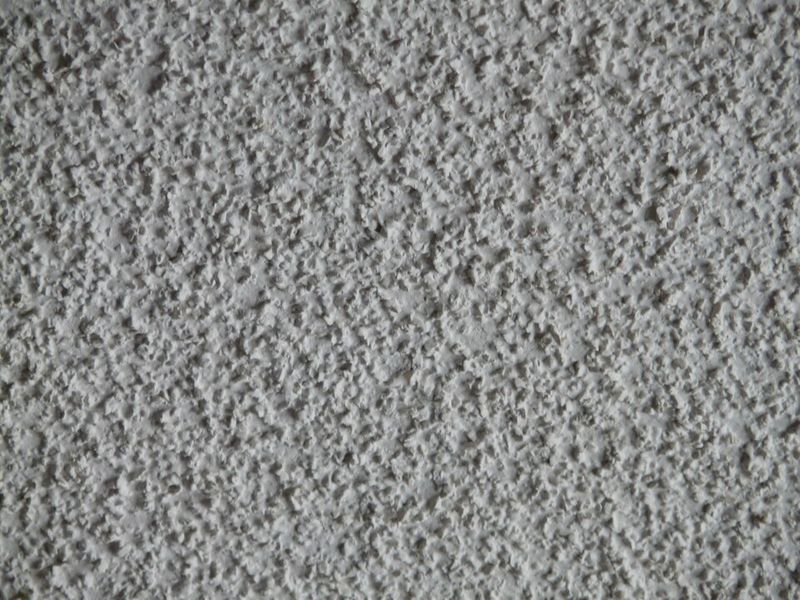
Builders once loved textured ceilings because they easily concealed imperfections and helped absorb sound, but today these bumpy surfaces are seen as outdated and immediately signal an older home.
Dust and cobwebs cling stubbornly to the uneven texture, making cleaning frustrating and nearly impossible without special tools or attachments.
Removal isn’t much better, since the process is messy, time-consuming, and potentially costly if the ceiling contains asbestos from earlier installations.
Modern buyers overwhelmingly prefer smooth, bright ceilings that make rooms feel larger, so many will mentally subtract renovation costs the moment they see this dated feature.
2. Carpeted Bathrooms
Imagine stepping out of the shower onto plush carpeting—an idea that once sounded cozy but now immediately signals mold, mildew, and bacteria concerns.
Bathrooms are naturally humid, and carpet absorbs every splash and drip, creating a warm, damp environment where germs thrive and odors linger no matter how often you clean.
Maintenance becomes a losing battle, and replacing soggy, stained carpet happens far more frequently than swapping out durable tile or vinyl.
Modern buyers overwhelmingly prefer waterproof, easy-to-sanitize flooring that can withstand daily moisture without becoming a health risk or a constant maintenance headache.
3. Brass Fixtures from the ’90s
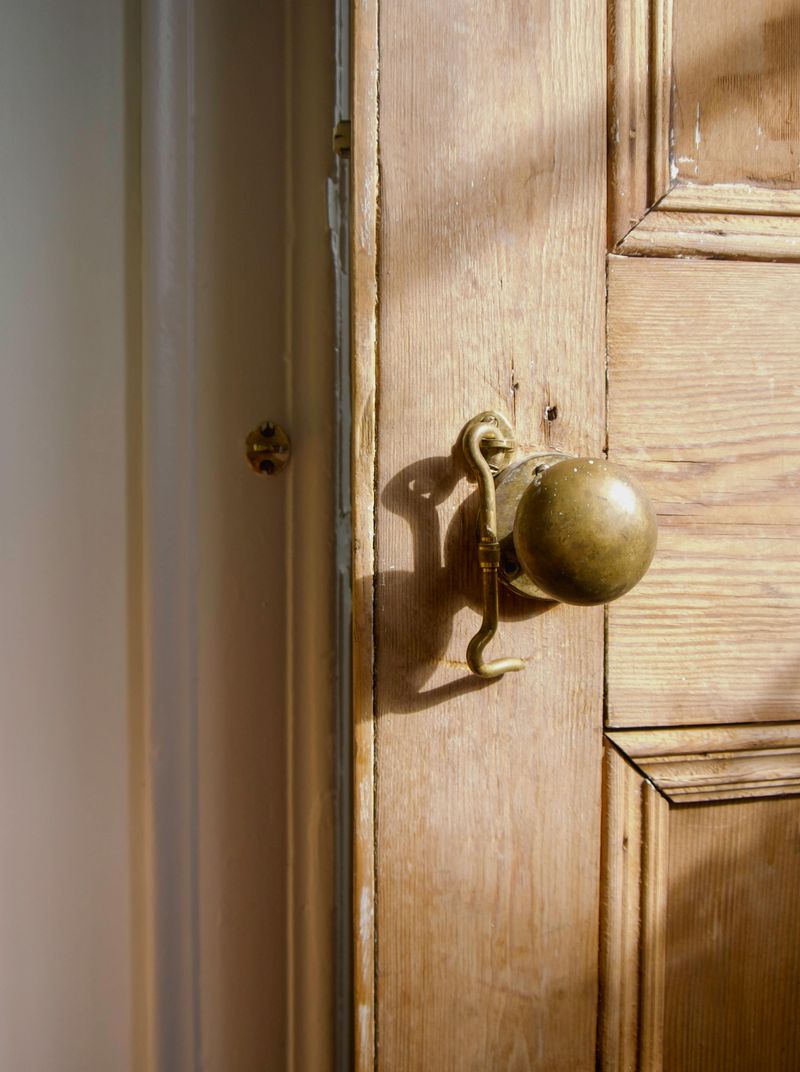
Remember when every doorknob, faucet, and light fixture gleamed with bright golden brass—a ’90s staple that once signaled luxury but now feels hopelessly out of date.
That overly polished, yellow-toned shine reads more gaudy than elegant today, especially as modern buyers favor brushed nickel, matte black, and stainless steel finishes that look cleaner and far more refined.
Brass also shows fingerprints, smudges, and water spots instantly, demanding constant polishing just to keep it presentable.
Buyers walking through your home will spot these dated accents immediately, making kitchens, bathrooms, and entryways feel stuck in a design time warp.
4. Whirlpool Jetted Tubs
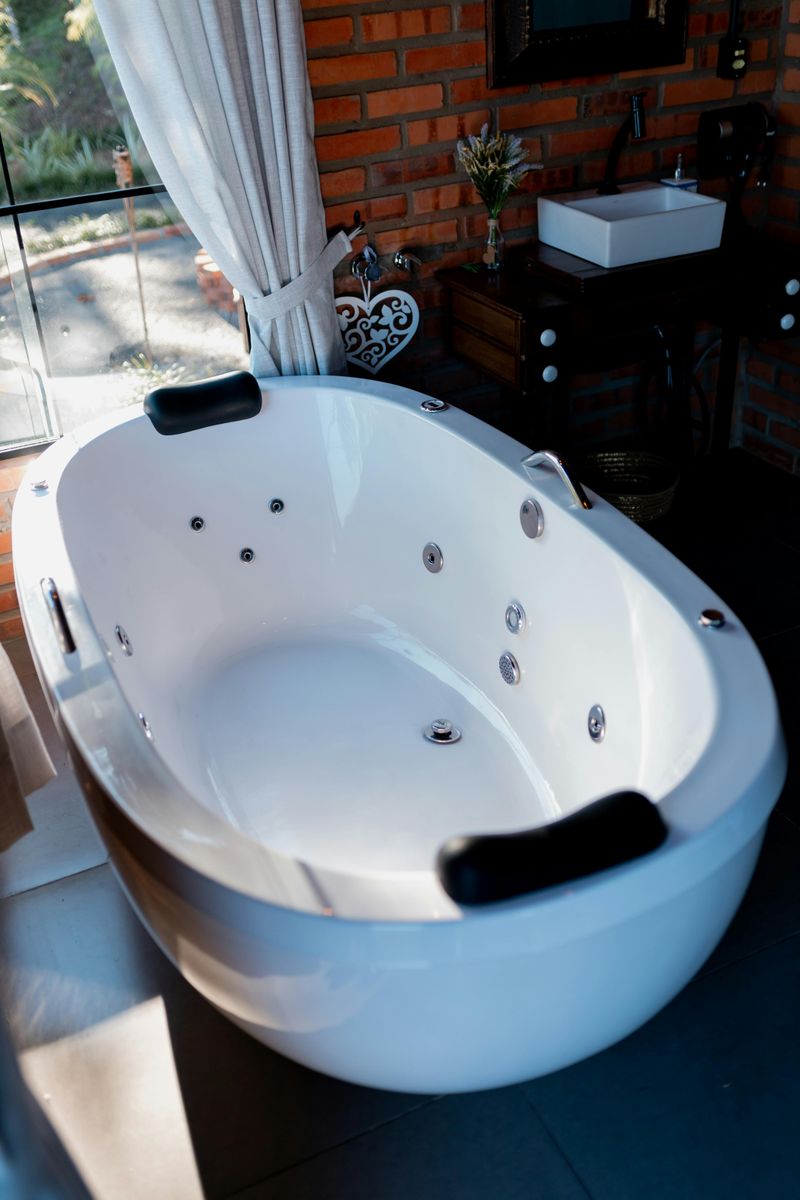
These oversized jetted tubs were considered the ultimate status symbol just a couple of decades ago, promising luxurious spa-like relaxation at home with bubbling jets and soft mood lighting.
Reality set in quickly, though, as many homeowners realized how rarely they actually used them, especially since filling such a massive tub wastes water and energy.
Keeping the jet system clean is another chore, requiring special cleaners and frequent maintenance to prevent mold and bacteria buildup inside the plumbing.
Today’s buyers view these bulky fixtures as outdated luxuries that eat up precious bathroom space better suited for double vanities or modern walk-in showers.
5. Shag Carpeting

Those ultra-thick, fuzzy fibers your toes could once sink into were considered groovy in the ’70s, but today they’re one of the most dreaded flooring choices a buyer can encounter.
Vacuuming shag carpet feels like an endurance test because dirt, crumbs, and pet hair disappear deep into the long strands, only to resurface later.
Spills and pet accidents seep into the fibers, creating lingering odors that seem impossible to remove no matter how thoroughly you clean.
Modern buyers overwhelmingly prefer hardwood, laminate, or low-pile carpet, so walking into a room covered in shag instantly sends them back in time—and not in a charming way.
6. Overly Compartmentalized Floor Plans
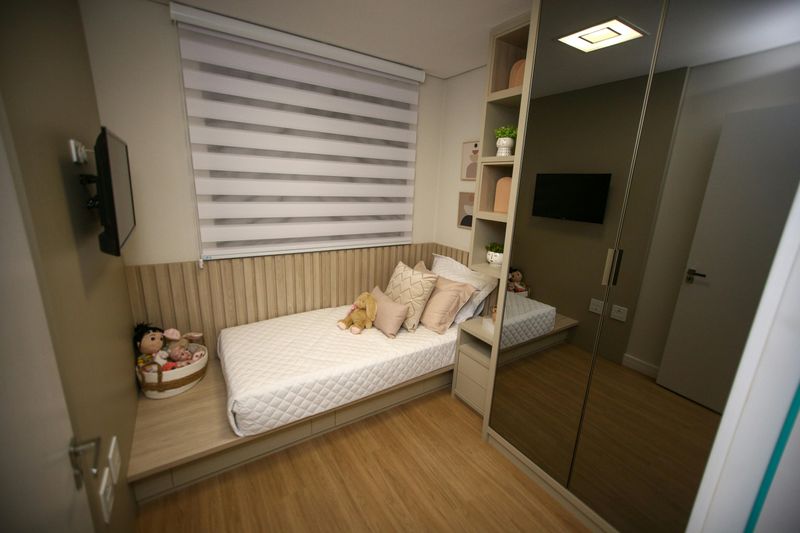
Older homes often consist of small, boxy rooms divided by walls and narrow doorways, each created for a single purpose with little flexibility or flow.
Modern families prefer open-concept layouts where the kitchen connects naturally to dining and living areas, making conversation easier and creating a more social, functional space.
Closed-off floor plans feel cramped and dim because natural light can’t move freely from room to room.
Buyers increasingly view these compartmentalized layouts as renovation projects rather than move-in-ready homes and often factor potential remodeling expenses into their decisions.
7. Glass Block Windows
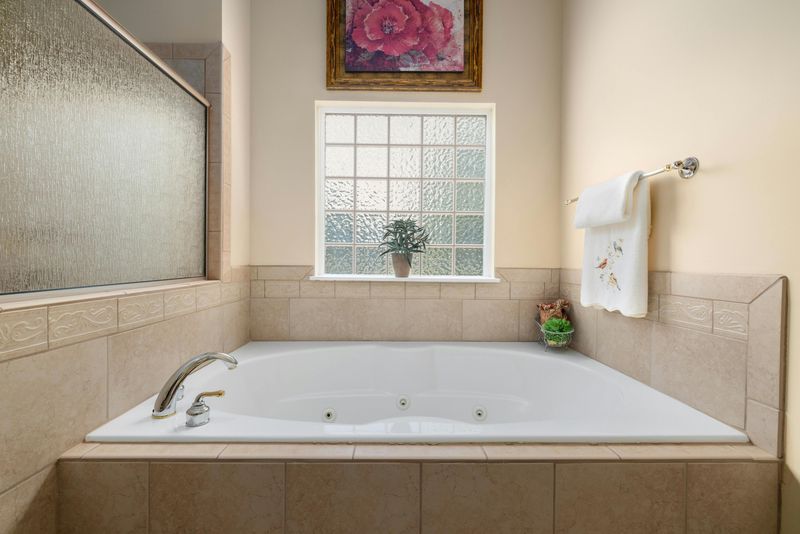
These chunky, translucent blocks offered privacy while still letting in some light, which made them popular in basements, bathrooms, and entryways throughout the ’80s and ’90s.
Unfortunately, they give homes an institutional feel, making spaces resemble hospitals or office buildings rather than warm, inviting living areas, and their heavy retro look clashes with today’s sleek, minimalist design trends.
Glass blocks also limit natural light compared to modern energy-efficient windows and provide few options for ventilation or clear outdoor views.
They’re difficult to repair or replace when cracked, so buyers now prefer windows that enhance a room’s style instead of dominating it.
8. Tiled Kitchen Countertops
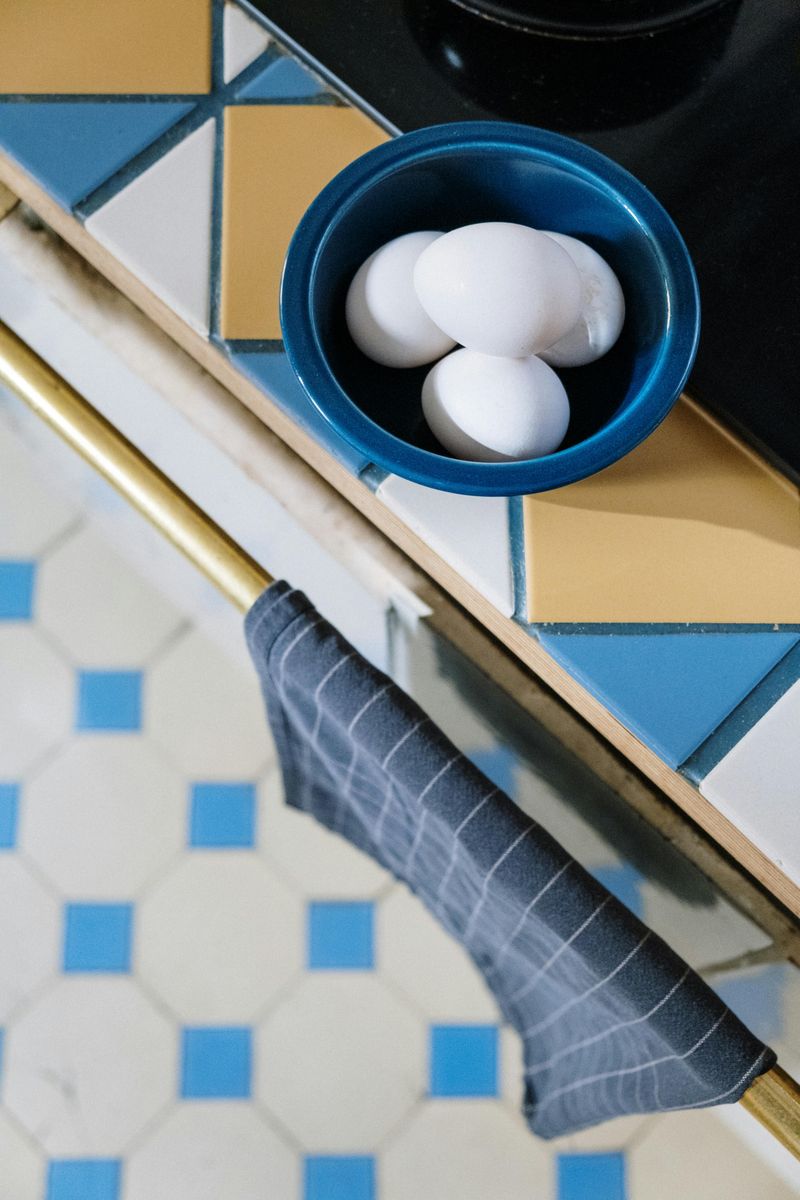
Ceramic tile once seemed like a practical and customizable choice for kitchen countertops, allowing homeowners to mix colors and patterns for a unique look at an affordable price.
But those grout lines quickly became notorious for trapping dirt, staining easily, and harboring bacteria no matter how frequently they’re scrubbed, while the uneven surface makes rolling dough, chopping vegetables, or even setting a glass down feel frustrating.
Modern buyers now expect smooth, seamless materials like granite, quartz, or butcher block that are both hygienic and visually appealing.
Tile counters instantly date a kitchen and signal to buyers that a full renovation is likely needed before the space feels usable.
9. Single-Pane Windows
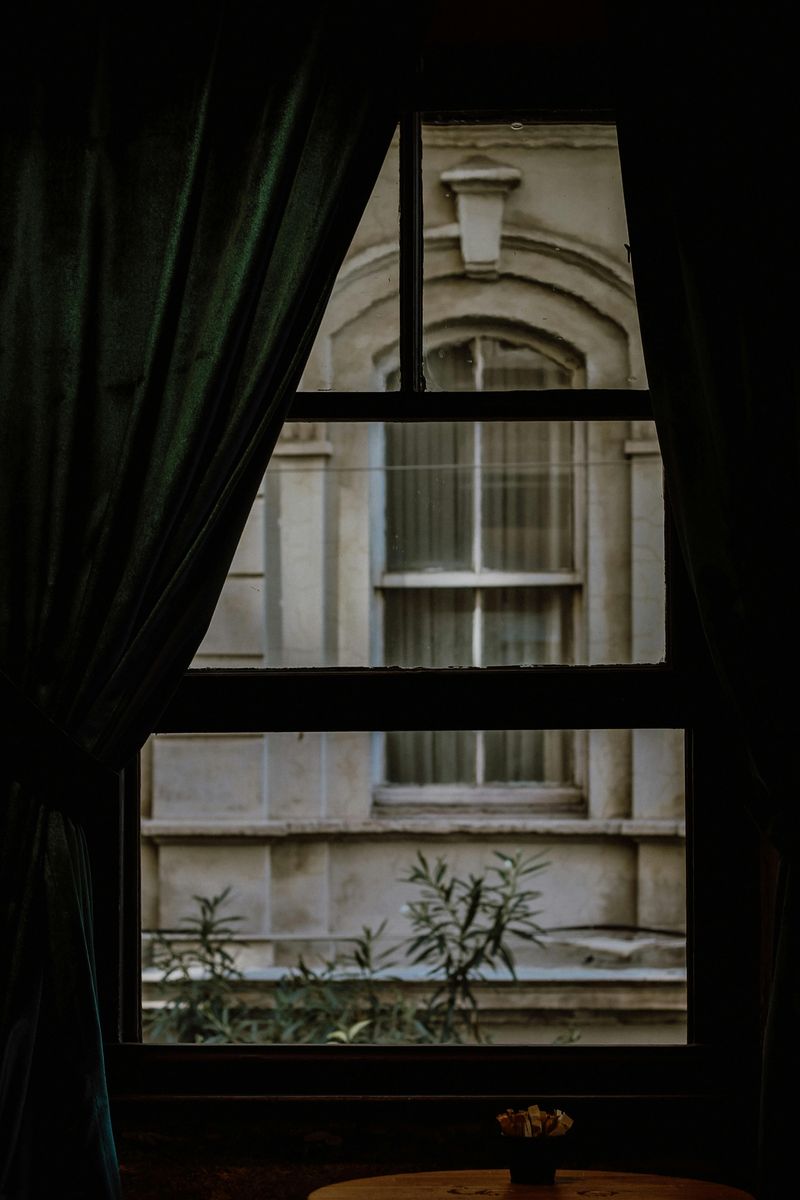
Image Credit: © Büşranur Aydın / Pexels
A single thin sheet of glass worked fine decades ago, but rising energy costs have turned these windows into major liabilities that leak heat in winter and cool air in summer.
Utility bills climb because the HVAC system must constantly work harder, and outside noise easily filters through, making restful sleep difficult near busy streets.
Condensation often forms where warm indoor air meets cold glass, leading to wood rot, mold, and long-term frame damage.
Buyers now expect double or triple-pane windows with low-E coatings and immediately factor costly replacements into their offers.
10. Sunken Living Rooms / Conversation Pits
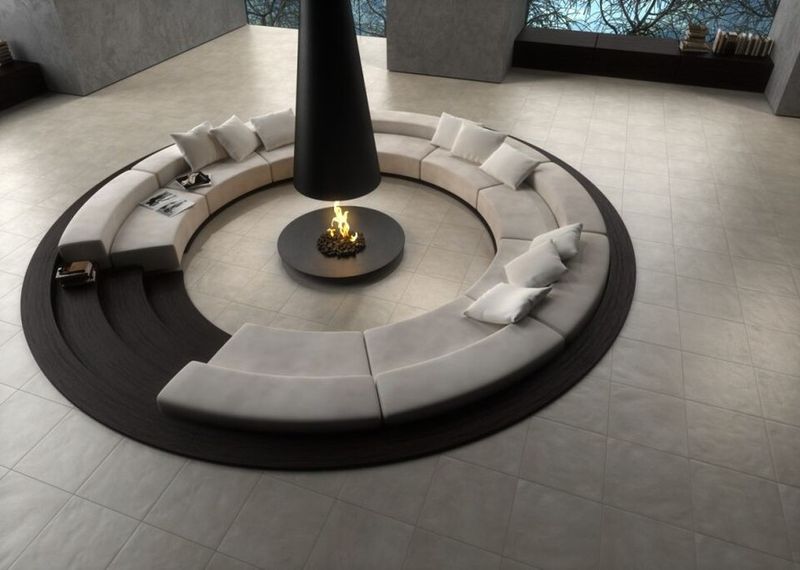
Dropping the living room a few steps below the rest of the home felt dramatic in the ’70s, creating conversation pits that offered distinct zones and architectural flair.
Today, though, they’re built-in trip hazards for children, older adults, and anyone navigating the space while carrying drinks or moving furniture.
Uneven floor levels make decorating difficult, and accessibility concerns pose major issues for people with mobility challenges.
What once seemed stylish now feels impractical and potentially dangerous, leading buyers to anticipate costly renovations to level the floors and create a seamless, modern living space.
11. Mirrored Walls
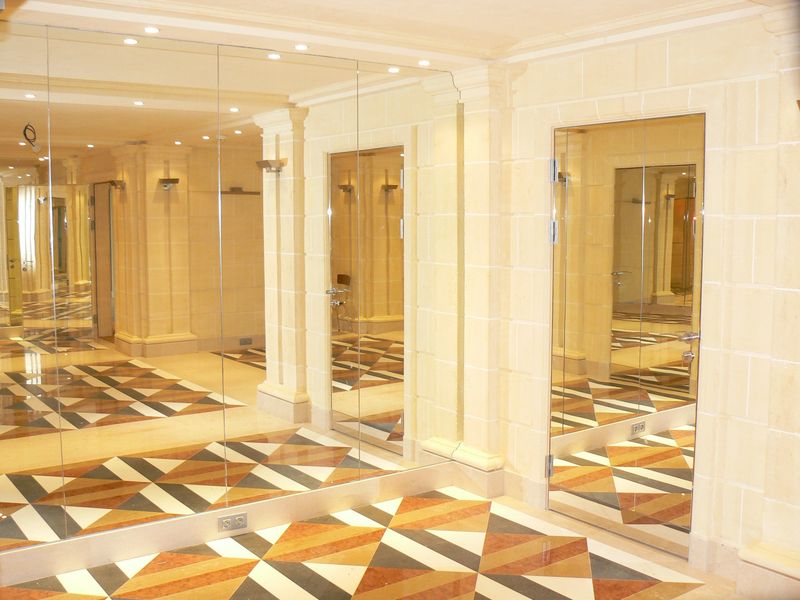
Image Credit: © Monaco Fenêtres / Unsplash
Mirrored walls were once used to make rooms feel bigger and brighter, but today they often have the opposite effect by making a space feel dated and overly theatrical.
Instead of adding elegance, they can overwhelm a room and highlight every mismatched finish, awkward angle, and furniture choice.
Many buyers also see them as high-maintenance, since fingerprints, streaks, and cracks are hard to ignore.
When a full mirrored wall is one of the first things you notice, it can make the entire home feel trapped in a design era that most people are eager to leave behind.