 MomSkoop
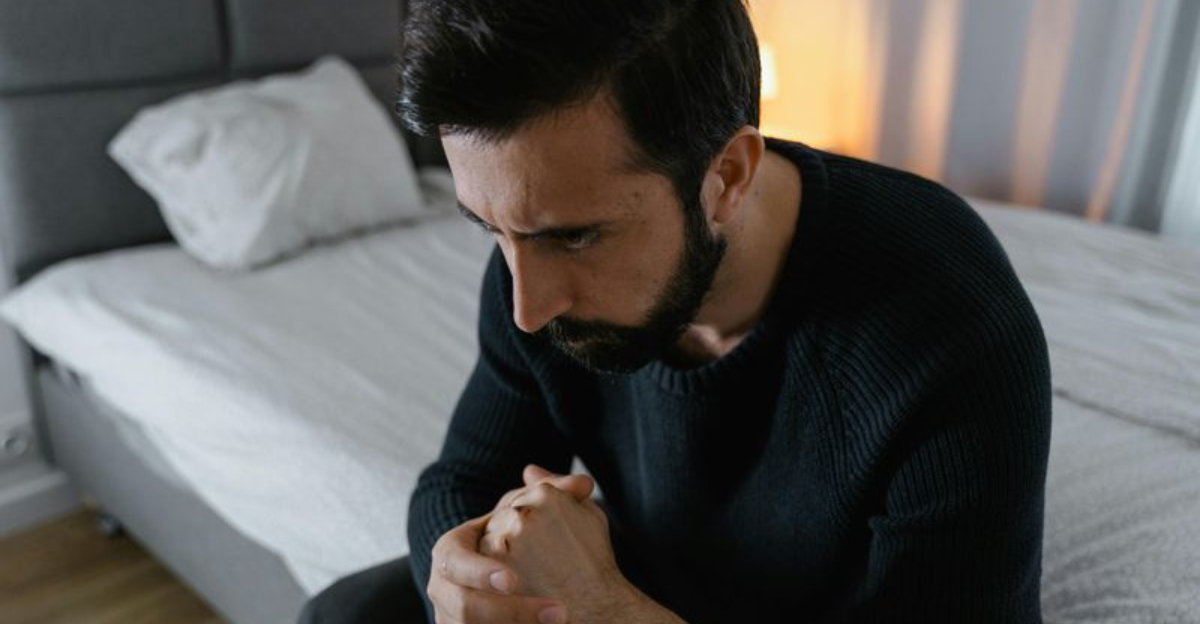
Trust is the foundation of any healthy relationship, whether romantic, friendship, or family. When someone shows destructive behaviors repeatedly, it’s a warning sign you shouldn’t ignore. Recognizing these red flags early can protect your emotional well-being and help you make better choices about who deserves your trust.
1. Constant Lying

Ever notice how some people can’t seem to tell the whole story?
When someone regularly bends the truth, they’re building walls instead of bridges.
He might hide important details, tell half-truths, or completely fabricate stories to dodge responsibility.
Each lie chips away at the foundation you’re trying to build together.
Honesty isn’t just about big things.
Small lies about where he was or what he did add up quickly.
Trust requires transparency, and when he controls situations through deception, he’s showing you exactly who he is.
Believe what you see, not what he promises.
2. Manipulation

Image Credit: © Anh Nguyen / Pexels
Feeling confused after conversations with him? That’s manipulation at work.
He might guilt-trip you into doing what he wants or twist your words until you question your own memory.
Gaslighting makes you doubt reality itself, leaving you wondering if you’re the problem.
Manipulators are experts at making their issues become your responsibility.
They’ll turn situations around so skillfully that you end up apologizing for things you didn’t do.
Your feelings are valid, and nobody should make you second-guess yourself constantly.
Healthy relationships involve honest communication, not mind games that leave you emotionally drained and uncertain.
3. Disrespect

Image Credit: © Viktoria Slowikowska / Pexels
Respect isn’t optional in relationships—it’s essential.
When he dismisses your feelings like they don’t matter or mocks your opinions in front of others, he’s showing contempt.
Belittling comments, whether public or private, reveal how little he values you.
Maybe he laughs at your dreams or rolls his eyes when you share something important.
These behaviors aren’t jokes or harmless teasing.
They’re deliberate attempts to make you feel small.
Someone who truly cares will lift you up, not tear you down.
Your thoughts and feelings deserve respect, and settling for less means accepting a relationship built on inequality.
4. Lack of Accountability

Image Credit: © Edward Jenner / Pexels
Watch what happens when things go wrong.
Does he own his mistakes, or does everyone else become the villain?
Someone who never admits fault is impossible to grow with.
He’ll blame circumstances, other people, or even you for his choices.
Taking responsibility means acknowledging when you’ve hurt someone and making genuine efforts to change.
Without accountability, the same problems repeat endlessly because he refuses to see his role in them.
Growth requires humility and self-awareness.
When he constantly shifts blame, he’s telling you that your feelings will always take a backseat to his ego.
Real maturity means owning your actions.
5. Controlling Behavior

Image Credit: © Andres Ayrton / Pexels
Your life should be yours to live.
When he starts dictating who you can see, what you wear, or how you spend your time, alarm bells should ring.
Control often starts subtly—a comment about your friends or suggestions about your clothes.
Before long, you’re asking permission for basic freedoms.
He might frame it as caring or protection, but real love trusts and respects boundaries.
Controlling behavior stems from insecurity and the need to dominate.
You’re a complete person with your own identity, not an extension of him.
Healthy partnerships involve two independent people choosing each other, not one person owning another.
6. Anger or Aggression

Image Credit: © Dmitry Demidov / Pexels
Walking on eggshells isn’t a relationship—it’s survival mode.
Frequent outbursts, intimidation tactics, or explosive reactions to minor issues create an atmosphere of fear.
Anger itself isn’t wrong, but how someone handles it reveals their character.
Does he punch walls, yell until you’re scared, or use his size to intimidate?
These aren’t just bad moments; they’re patterns that often escalate.
Healthy people manage frustration without making others feel unsafe.
You deserve peace, not chaos.
If his anger controls the household mood or makes you anxious about saying the wrong thing, that’s not love—it’s emotional terrorism.
7. Self-Centeredness

Image Credit: © Rafa Barros / Pexels
Relationships require give and take, not constant taking.
When everything revolves around his needs, wants, and schedule, you become supporting cast in his life story.
He might ignore your struggles while expecting you to drop everything for his problems.
Self-centered people view others as tools for their comfort rather than individuals with equal importance.
Your birthday gets forgotten, but his requires grand celebrations.
Your achievements get minimal attention while his demand praise.
Balance matters.
Partnership means both people’s needs receive consideration and care.
When you’re always sacrificing while he’s always receiving, resentment builds and connection dies.
You matter just as much.
8. Jealousy and Possessiveness

Image Credit: © Keira Burton / Pexels
A little jealousy might seem flattering at first, but excessive suspicion reveals deep insecurity.
When he checks your phone, interrogates you about innocent friendships, or accuses you of cheating without reason, he’s projecting his issues onto you.
Possessiveness isn’t love—it’s ownership mentality.
He might get angry when you talk to others or demand constant updates on your whereabouts.
These behaviors stem from his lack of self-worth, not your actions.
Trust is essential, and baseless jealousy poisons relationships slowly but surely.
You shouldn’t have to prove your loyalty constantly or defend normal social interactions.
Confidence and security make better partners than suspicion ever will.
9. Lack of Empathy

Image Credit: © ShotPot / Pexels
Empathy connects us as human beings.
When he shows little concern for your feelings or reacts coldly to your pain, connection becomes impossible.
Maybe you’re crying and he seems annoyed rather than comforting.
Perhaps he can’t understand why something hurt you, so he dismisses it as overreacting.
Empathy means trying to feel what others feel, even when you don’t fully understand.
Without it, relationships become one-sided and lonely.
You need someone who cares when you’re hurting, not someone who makes you feel foolish for having emotions.
Compassion isn’t weakness—it’s the glue that holds people together through difficult times.
Choose someone with a heart.
10. Inconsistent Behavior

Image Credit: © Alex Green / Pexels
Consistency creates safety in relationships.
When he’s loving one day and distant the next without explanation, you’re left constantly guessing.
Broken promises pile up as his words rarely match his actions.
This unpredictability keeps you emotionally off-balance, never knowing which version of him will show up.
You might find yourself working harder to please him, hoping to bring back the good days.
That’s exactly how this pattern traps people.
Hot-and-cold behavior isn’t mysterious or passionate—it’s unstable and exhausting.
Reliable partners show up consistently, keep their word, and maintain steady care.
You deserve stability, not an emotional roller coaster that leaves you dizzy and drained.