 MomSkoop
Ever wonder what foods the experts actually avoid? Nutritionists spend years studying what fuels our bodies best, so their choices matter. Some popular foods might seem healthy but hide sneaky ingredients that professionals skip entirely. Learning what they refuse to eat—and their smarter swaps—can help you make better choices too.
1. Flavored Yogurt
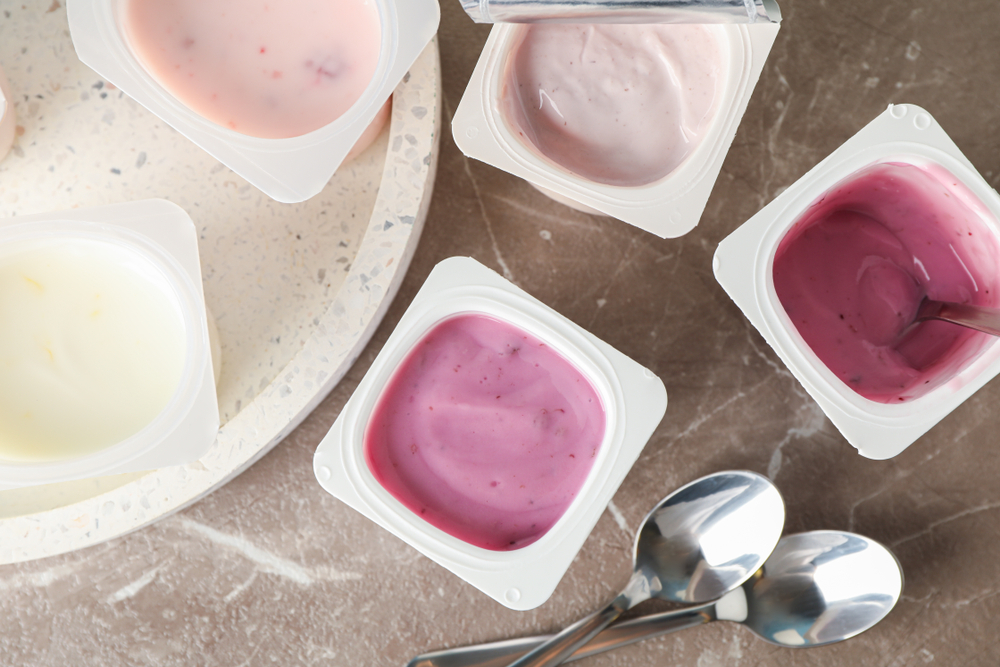
That strawberry yogurt in your fridge might contain more sugar than a candy bar.
Many brands pack their flavored versions with added sweeteners, artificial colors, and very little actual fruit.
Nutritionists know these products can spike blood sugar and leave you hungry soon after eating.
Instead, they grab plain Greek yogurt and add their own toppings.
Fresh berries, a drizzle of honey, or cinnamon give you control over sweetness without the junk.
This simple swap delivers more protein, fewer calories, and real nutrients your body can use.
Your taste buds might need a week to adjust, but soon you will not miss that artificial sweetness at all.
2. Diet Soda

Zero calories sounds great until you learn what replaces the sugar.
Artificial sweeteners in diet sodas can confuse your brain and body, sometimes making you crave even more sweet foods later.
Studies suggest these chemicals might mess with your gut bacteria and metabolism over time.
Nutritionists choose sparkling water with a splash of fruit juice instead.
Adding lemon slices, cucumber, or frozen berries creates a refreshing drink without weird chemicals.
Some even brew herbal tea and chill it for a flavorful alternative.
Your body gets hydration without the confusion, and you will not feel tricked by fake sweetness anymore.
3. Pre-Made Smoothies
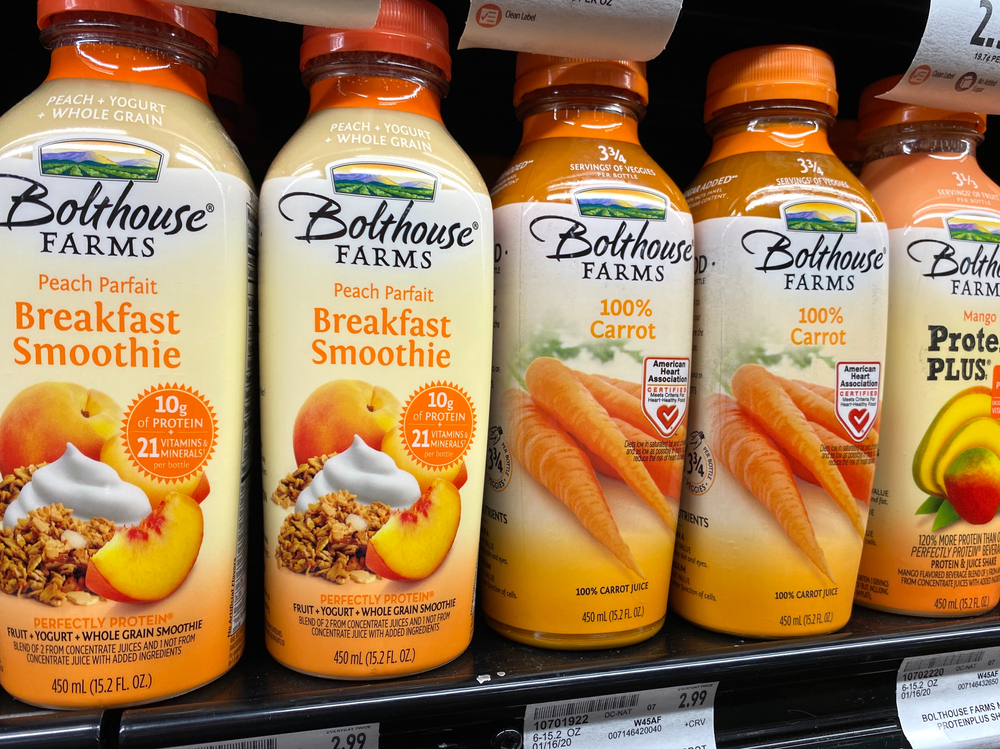
Grabbing a bottled smoothie seems like a healthy shortcut, right?
Wrong. Most store-bought versions contain fruit juice concentrates, added sugars, and barely any fiber since the pulp gets removed during processing.
One bottle can pack as much sugar as several donuts, causing energy crashes instead of sustained fuel.
Experts blend their own at home using whole fruits, leafy greens, and protein sources like nut butter or Greek yogurt.
Homemade versions keep all the fiber intact, helping you feel full longer.
Plus, you control exactly what goes in, avoiding sneaky additives and keeping your blood sugar stable throughout the morning.
4. Microwave Popcorn

That buttery smell might come from chemicals you cannot even pronounce.
Many microwave popcorn bags contain artificial flavorings and questionable compounds in their inner coatings.
Some brands load their products with excessive salt and hydrogenated oils that offer zero nutritional benefit.
Nutritionists air-pop plain kernels instead, then add their own seasonings.
Real butter, olive oil, nutritional yeast, or spices create delicious flavors without mystery ingredients.
Air-popped corn stays a whole grain snack packed with fiber.
You get the crunch and satisfaction minus the chemical cocktail, making movie night both tasty and truly healthy for everyone involved.
5. Granola Bars
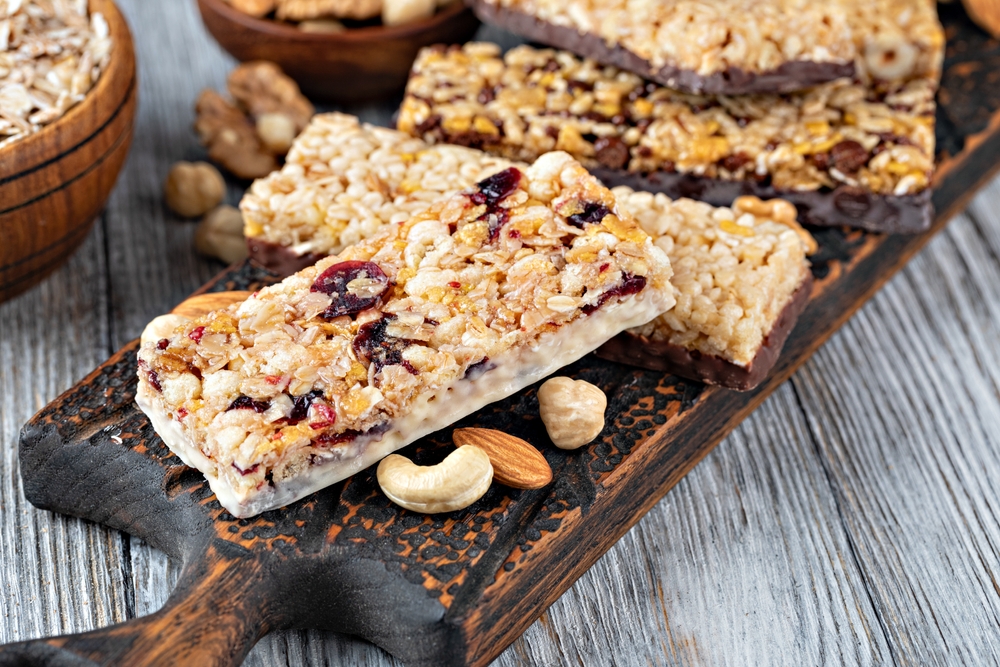
Most granola bars masquerade as health food while delivering candy bar nutrition.
Check the label and you will find corn syrup, chocolate chips, and barely enough oats to matter.
The fiber content stays low while sugar content soars, leaving you unsatisfied and reaching for more food within an hour.
Smart nutritionists make their own energy bites using dates, nuts, and oats.
These homemade versions stick together naturally without added sugars or weird binders.
You can prep a batch in fifteen minutes, store them in the fridge, and grab one whenever hunger strikes.
Real ingredients mean real energy that actually lasts.
6. Fat-Free Salad Dressing

When companies remove fat, they usually replace it with something worse.
Fat-free dressings compensate for lost flavor by adding sugar, salt, and thickeners that your body does not need.
Plus, without fat, your body cannot absorb important vitamins from those vegetables you are trying to eat healthily.
Nutritionists drizzle olive oil and vinegar directly on their salads instead.
Adding herbs, mustard, or lemon juice creates endless flavor combinations without processed ingredients.
Healthy fats help you feel satisfied and actually help your body use the nutrients in your greens.
Your salad becomes a real meal instead of just crunchy water.
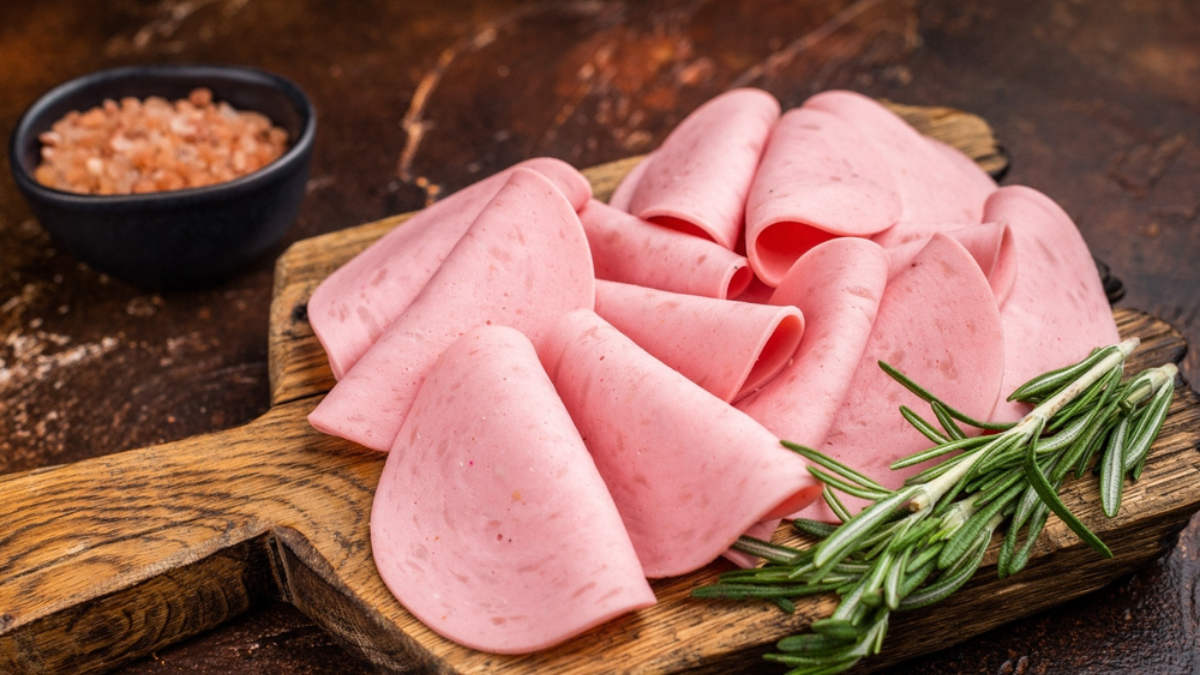
7. Processed Deli Meat

Convenience comes at a cost when sodium and preservatives dominate the ingredient list.
Deli meats often contain nitrates, excessive salt, and fillers that offer little nutrition.
Research links regular consumption of processed meats to various health concerns that nutritionists prefer to avoid entirely.
They roast chicken or turkey at home and slice it for sandwiches instead.
Leftover grilled chicken works perfectly, or you can bake a plain turkey breast on Sunday for the whole week.
This swap gives you real protein without chemicals, and you can control the seasoning.
Your sandwiches taste fresher and your body gets actual nutrition.
8. Breakfast Cereal
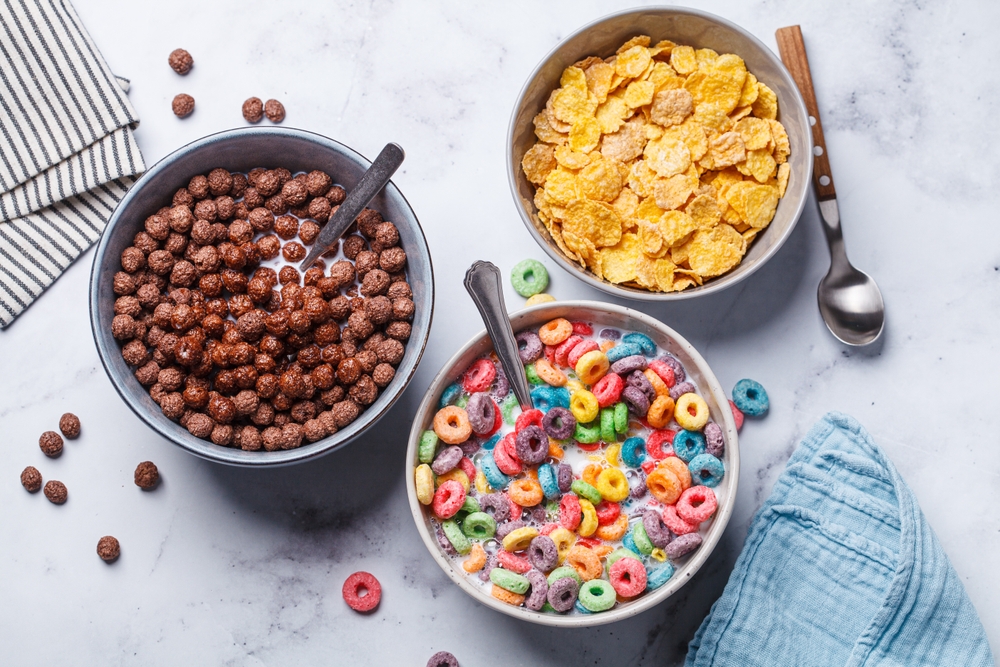
Bright colors and fun shapes usually signal one thing: loads of sugar.
Even cereals marketed as healthy often contain refined grains and sweeteners as their top ingredients.
The fiber content rarely matches the hype, and most people feel hungry again before lunch even arrives.
Nutritionists cook oatmeal or other whole-grain options that actually fill them up.
Steel-cut oats, quinoa porridge, or even savory grain bowls provide lasting energy without the sugar crash.
Toppings like nuts, seeds, and fruit add natural sweetness and crunch.
Breakfast becomes fuel that powers your morning instead of a sugar rush followed by a slump.
9. Margarine

Created in a lab to replace butter, margarine often contains partially hydrogenated oils.
These trans fats can raise bad cholesterol while lowering good cholesterol, creating a double problem for your heart.
Many brands also add artificial colors to make their product look more like real butter.
Nutritionists use small amounts of real butter or opt for olive oil instead.
Real butter contains vitamins your body recognizes and can process naturally.
When used in moderation, it adds flavor without the chemical processing.
Olive oil works great for cooking and provides healthy fats your heart actually needs.
Natural always beats artificial when it comes to what you put in your body.