 MomSkoop
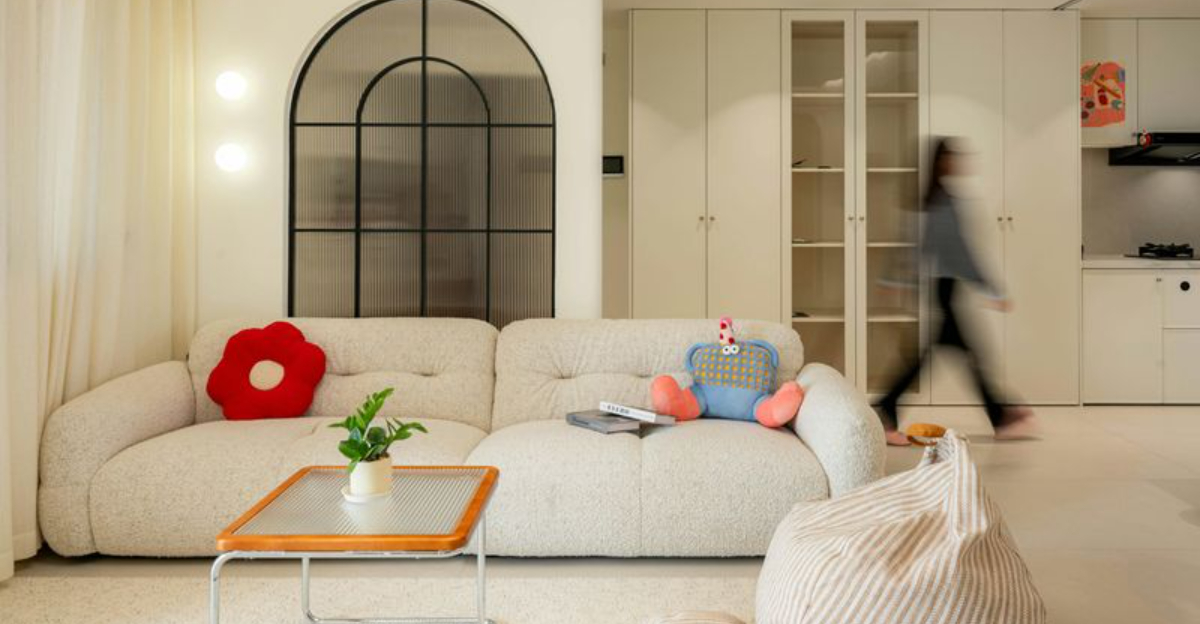
Creating a peaceful home doesn’t mean filling every corner with decorations and furniture. Sometimes, the best way to find calm is by simplifying what you already have. Minimalist decor focuses on keeping only what matters most, which helps your space feel open, organized, and refreshing. Whether you’re looking to redesign one room or your entire house, these ideas will show you how less truly can be more.
1. Embrace Neutral Color Palettes
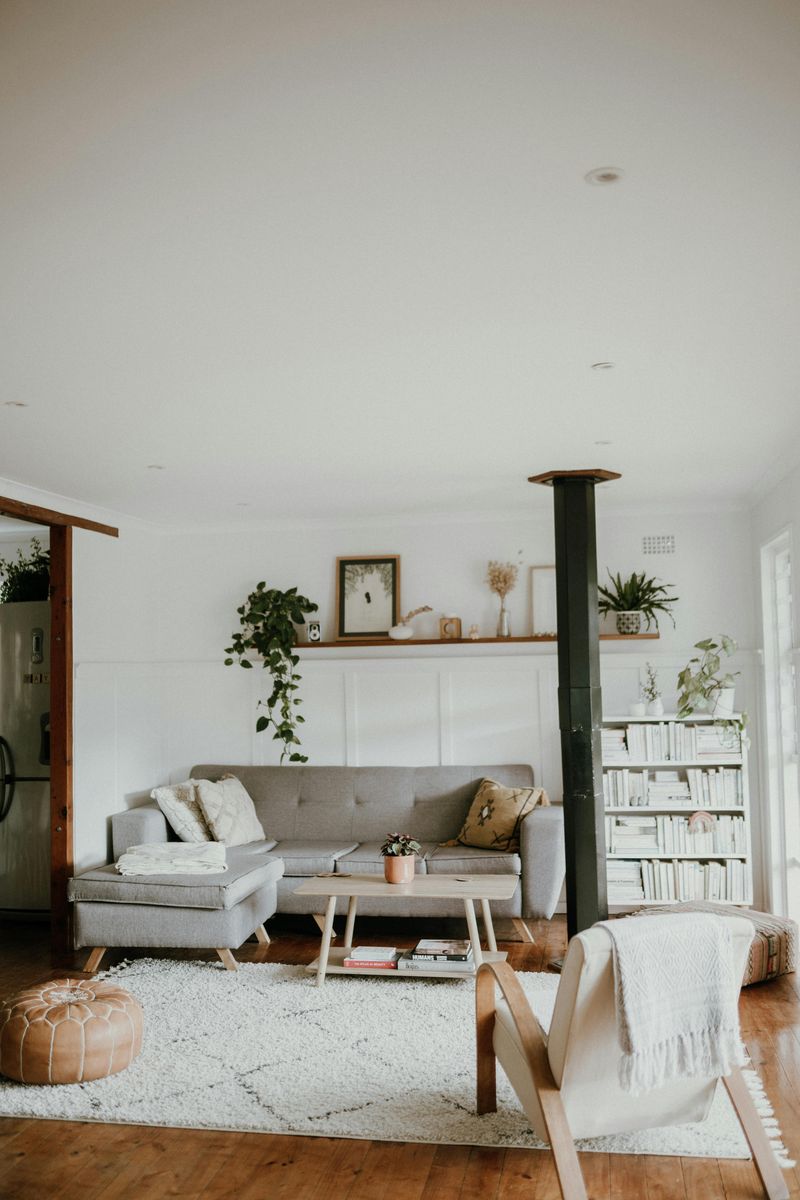
Soft whites, warm beiges, and gentle grays create a soothing backdrop that never feels overwhelming.
These colors work together like a quiet melody, giving your eyes a place to rest without distraction.
When you choose neutral tones, every piece of furniture and decoration gets a chance to shine without competing for attention.
You can add depth by mixing different shades of the same color family.
Cream walls paired with taupe cushions and ivory curtains create layers that feel cozy yet simple.
This approach makes rooms appear larger and brighter, especially when natural light flows through windows.
Neutral palettes also make it easier to switch accessories seasonally without clashing.
2. Clear Clutter from Surfaces
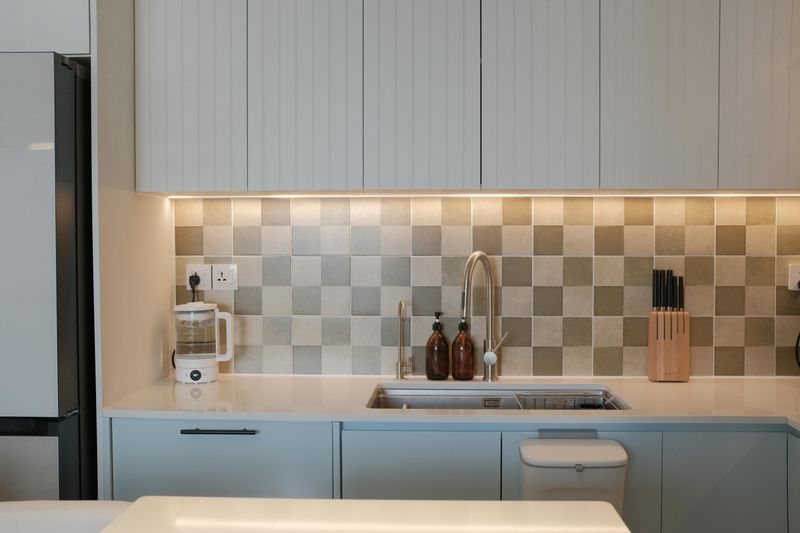
Have you ever noticed how calm you feel when countertops are empty?
Surfaces covered with random objects create visual noise that makes your brain work harder to relax.
Start by removing everything from your kitchen counters, coffee tables, and dressers.
Then, only put back items you use daily or truly love looking at.
A single vase or one favorite photo frame makes more impact than a crowded collection.
Hidden storage solutions like drawer organizers and closed cabinets help keep necessities nearby but out of sight.
When surfaces stay clear, cleaning becomes faster and your home instantly feels more spacious and welcoming.
3. Choose Furniture with Clean Lines
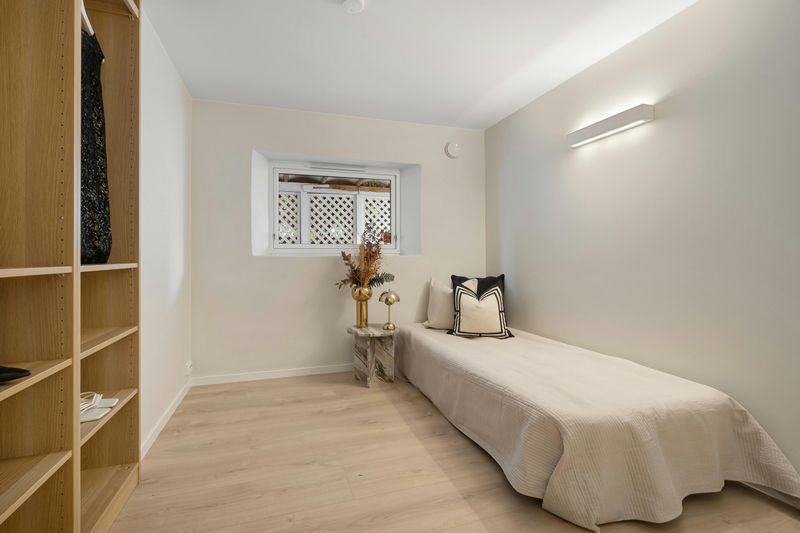
Furniture shapes can either calm your mind or create confusion.
Pieces with straight edges and simple silhouettes bring order to any room.
Think of a sleek sofa without ruffles, or a dining table with smooth legs instead of carved decorations.
These straightforward designs don’t demand attention, which helps spaces feel balanced.
Clean-lined furniture also tends to be more timeless, meaning it won’t look outdated in a few years.
You’ll find that rooms arranged with such pieces feel organized even when they’re lived in.
Plus, simpler furniture is often easier to move and rearrange when you want a fresh layout.
4. Let Natural Light Take Center Stage
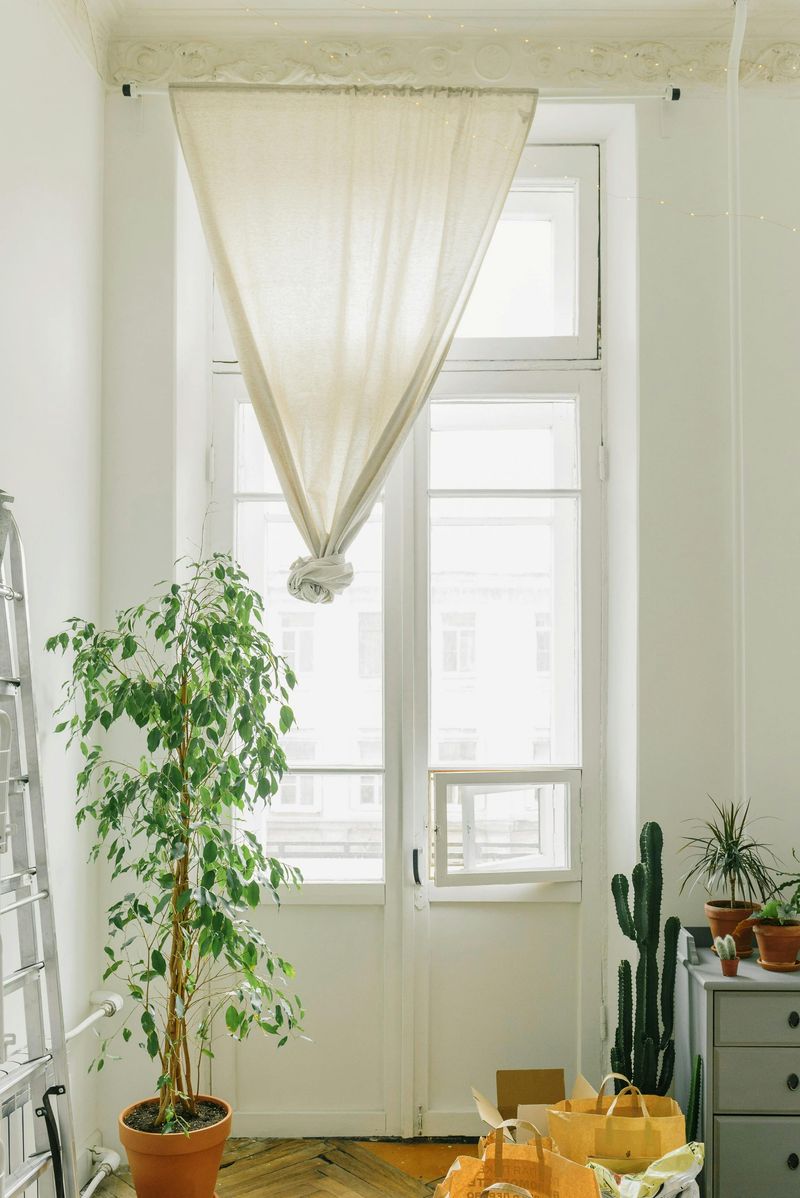
Sunlight is nature’s best decorator, and it’s completely free.
Instead of blocking windows with heavy curtains or blinds, use sheer fabrics that filter light gently.
This creates a soft glow that changes throughout the day, making rooms feel alive and connected to the outdoors.
Positioning mirrors across from windows bounces light deeper into spaces, brightening even darker corners.
Natural light also shows off your minimalist choices better than artificial lighting ever could.
When sunshine fills a room, you need fewer lamps and decorations to make it feel complete.
Opening curtains each morning becomes a simple ritual that instantly refreshes your entire home.
5. Incorporate Indoor Plants Sparingly
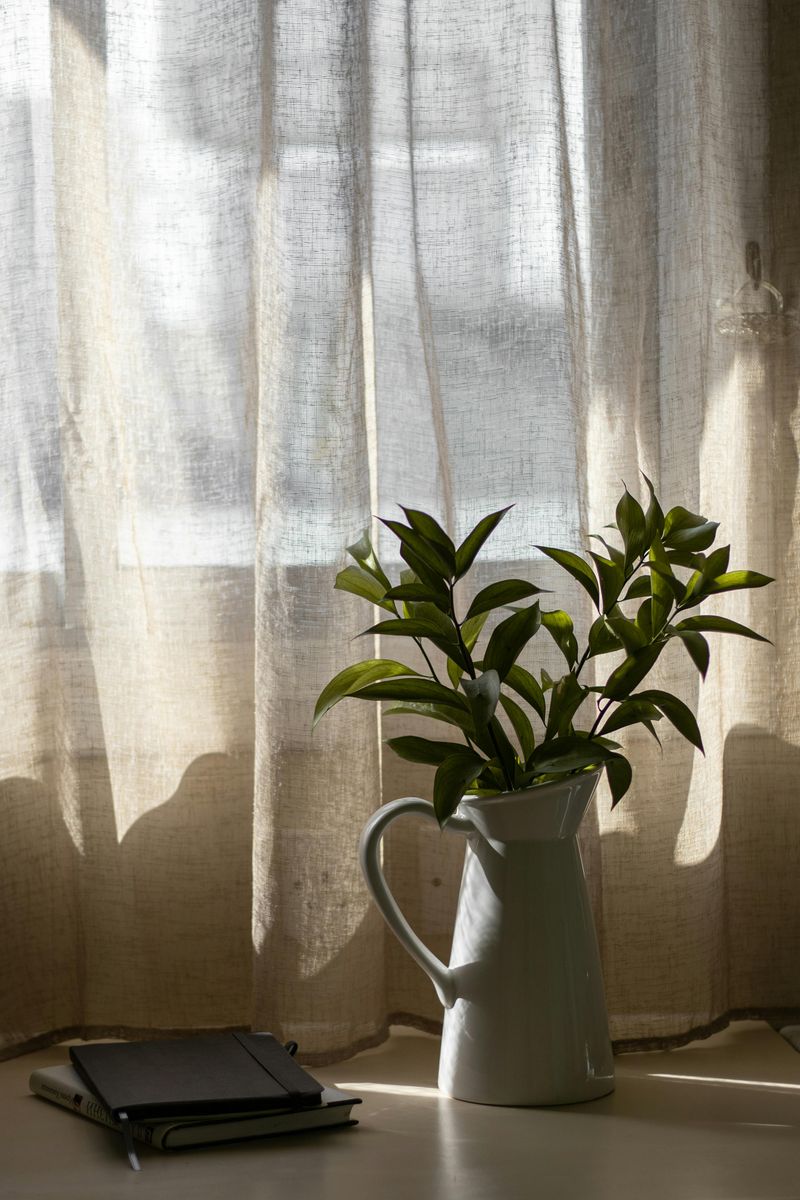
One well-placed plant can breathe life into a room without creating chaos.
Rather than filling shelves with tiny pots, choose a few larger plants that make bold, simple statements.
A tall snake plant in the corner or a single potted fern on a side table adds just enough greenery.
Plants improve air quality while bringing natural color and texture indoors.
Stick to simple containers in neutral colors so the focus stays on the plant itself.
Too many plants can make spaces feel crowded, but the right amount creates a fresh, organic connection to nature.
Choose low-maintenance varieties if you’re new to plant care so they stay healthy and beautiful.
6. Display Only Meaningful Artwork
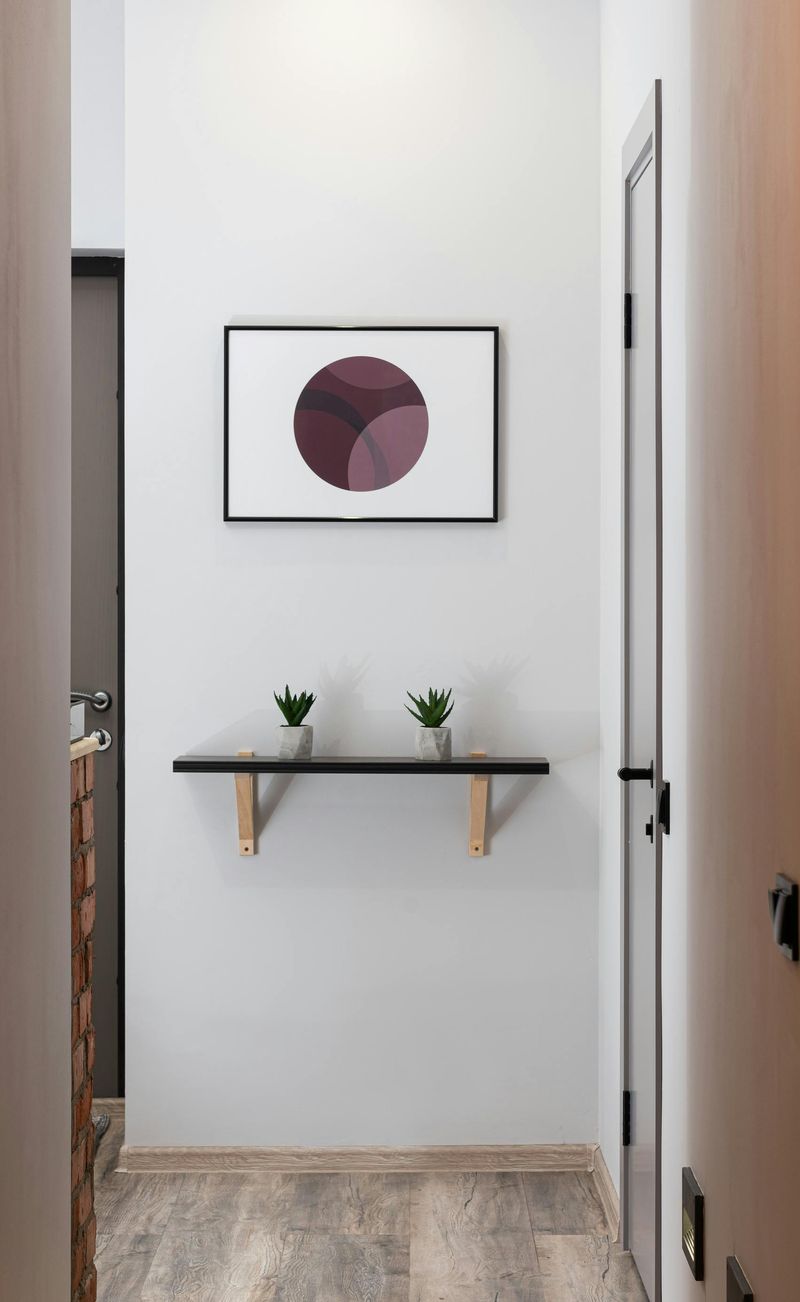
Walls covered in mismatched frames can feel like visual clutter.
Instead, select one or two pieces of art that genuinely speak to you and give them room to breathe.
A single large painting or photograph becomes a focal point that draws the eye naturally.
When artwork has space around it, viewers can appreciate the details and emotions it conveys.
Choose pieces with colors that complement your neutral palette rather than fight against it.
Abstract designs, simple landscapes, or black-and-white photography work especially well in minimalist spaces.
Quality matters more than quantity, so invest in art that makes you smile every time you see it.
7. Use Hidden Storage Solutions
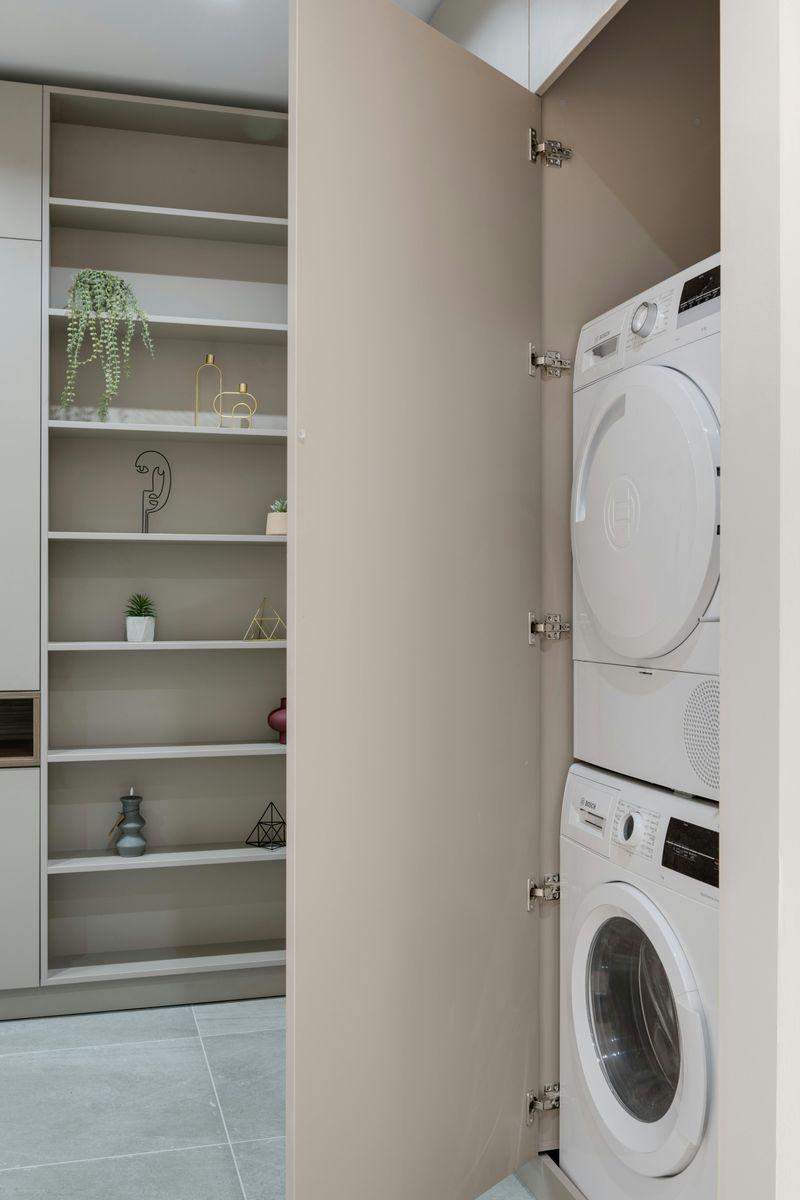
Everything you own doesn’t need to be on display.
Cabinets with smooth doors, ottomans with storage inside, and beds with drawers underneath keep belongings organized but invisible.
This way, you can own what you need without it taking over your visual space.
Built-in storage blends seamlessly with walls, making rooms look custom-designed and intentional.
Baskets with lids and boxes that match your decor also hide everyday items beautifully.
When guests visit, they’ll see calm surfaces instead of scattered possessions.
Hidden storage creates the illusion of owning less while actually just organizing better, which is the secret to minimalist living.
8. Stick to a Few Quality Textures
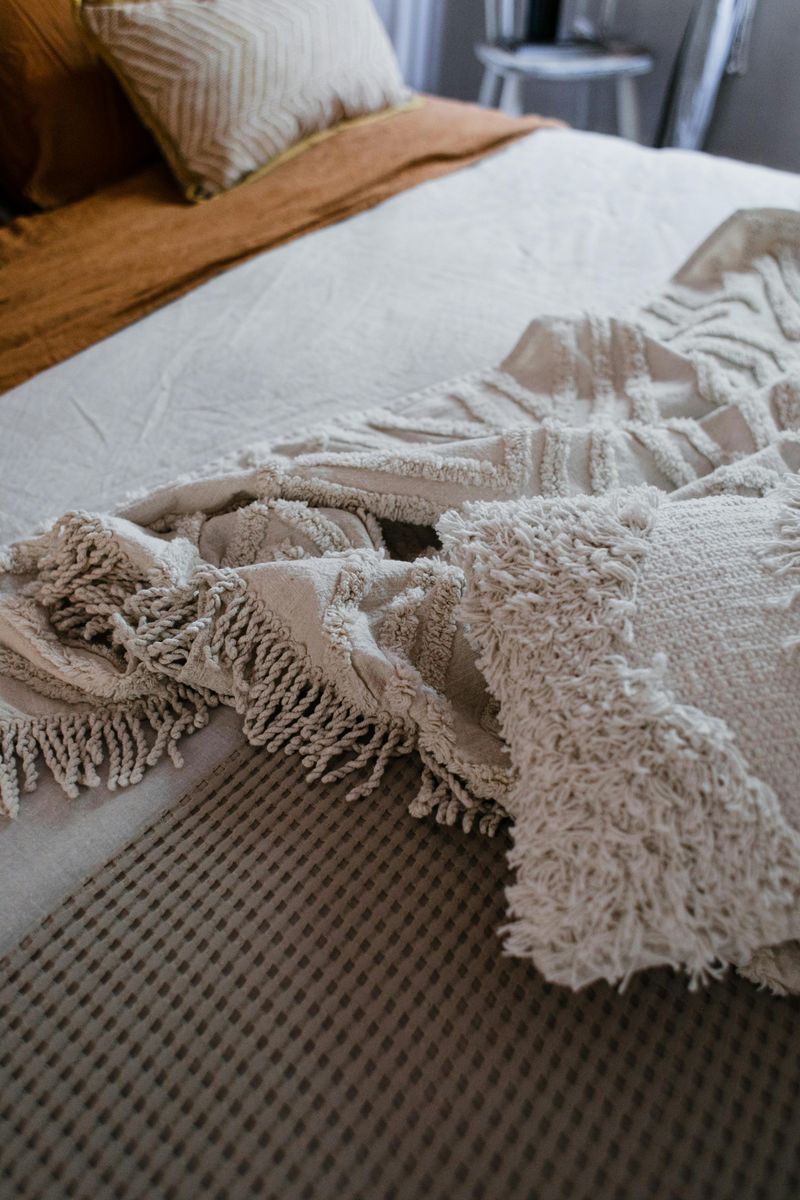
Minimalism doesn’t mean boring or cold.
Adding different textures like soft linen, smooth wood, and woven cotton creates warmth and interest.
A chunky knit blanket draped over a leather chair introduces contrast without adding color chaos.
Natural materials like stone, bamboo, and wool feel organic and calming to touch and see.
Keep your textures in the same color family so they complement rather than compete.
Layering a few quality textures makes spaces feel inviting and lived-in without appearing cluttered.
Your home becomes a place that appeals to multiple senses, creating comfort through simplicity and thoughtful choices.
9. Keep Floors Mostly Bare
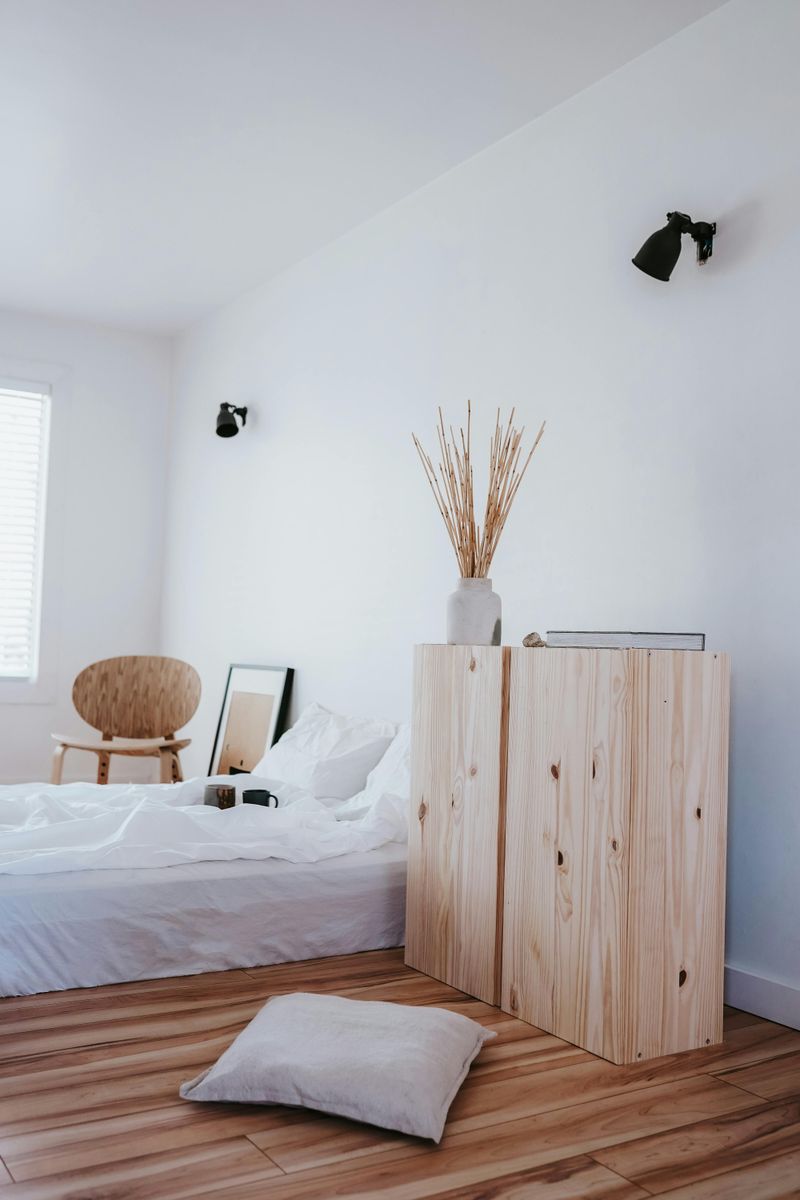
Covering every inch of flooring with rugs can make rooms feel smaller and busier.
Beautiful hardwood or tile deserves to be seen and appreciated as part of your design.
If you want some softness underfoot, choose one well-sized rug that anchors your furniture arrangement.
A simple rug in a neutral tone defines seating areas without overwhelming the space.
Bare floors are also easier to clean and maintain, which supports the minimalist goal of simplicity.
When floors stay mostly visible, rooms feel more open and movement flows naturally from space to space.
This approach highlights the architecture of your home rather than hiding it beneath layers.
10. Limit Decorative Accessories
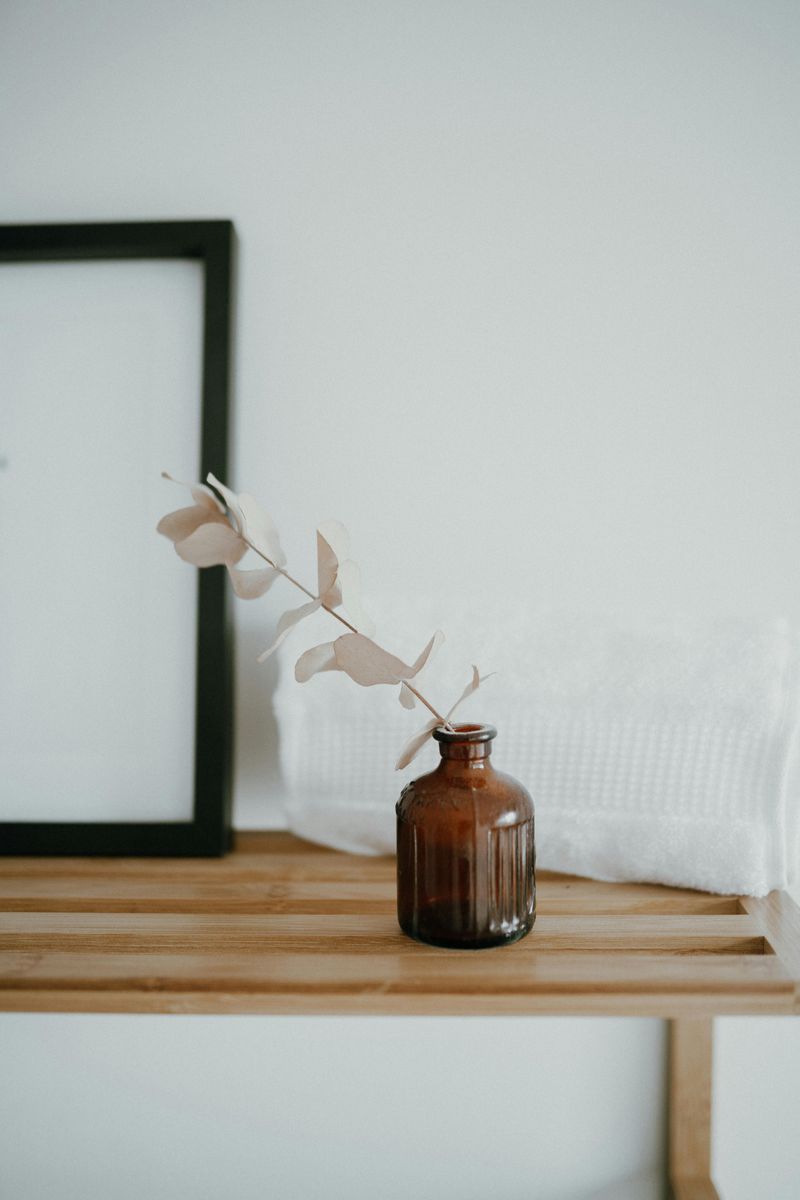
Collections of knickknacks might hold memories, but they can also create visual overload.
Challenge yourself to display only your absolute favorite pieces, giving each one breathing room.
Three thoughtfully arranged objects on a shelf look more intentional than twenty crowded together.
Grouping items in odd numbers (like three or five) creates natural balance that pleases the eye.
Rotate your accessories seasonally so you can enjoy different pieces without displaying everything simultaneously.
When each decoration has space around it, visitors actually notice and appreciate what you’ve chosen.
Less truly becomes more when quality and placement take priority over quantity.
11. Create Functional Zones
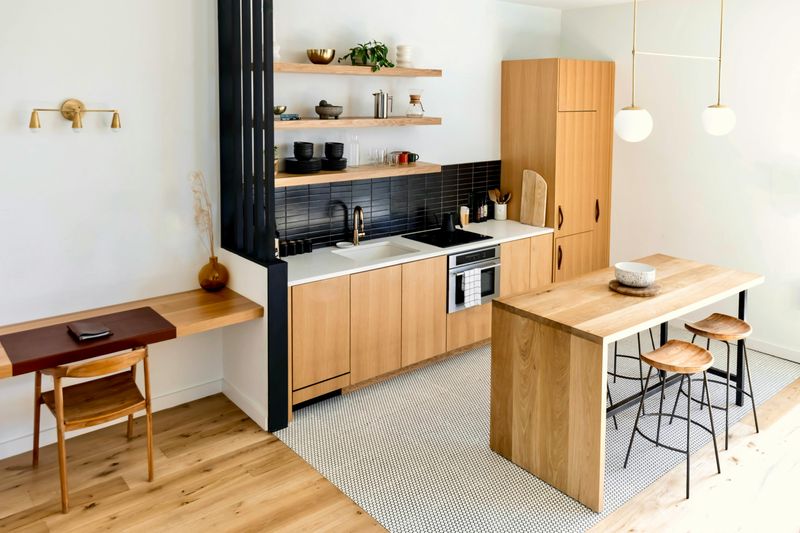
Even in small homes, different activities deserve their own dedicated spots.
A reading corner with one comfortable chair and good lighting serves its purpose without extra furniture.
Defining zones helps your brain switch between activities, like separating work areas from relaxation spaces.
Use furniture placement rather than walls or dividers to create these invisible boundaries.
A rug under the dining table or a bookshelf behind the sofa naturally marks where one zone ends and another begins.
When each area has a clear function, you’re less likely to accumulate random items that don’t belong.
This organization makes your home feel larger and more intentional in every square foot.
12. Practice the One-In-One-Out Rule
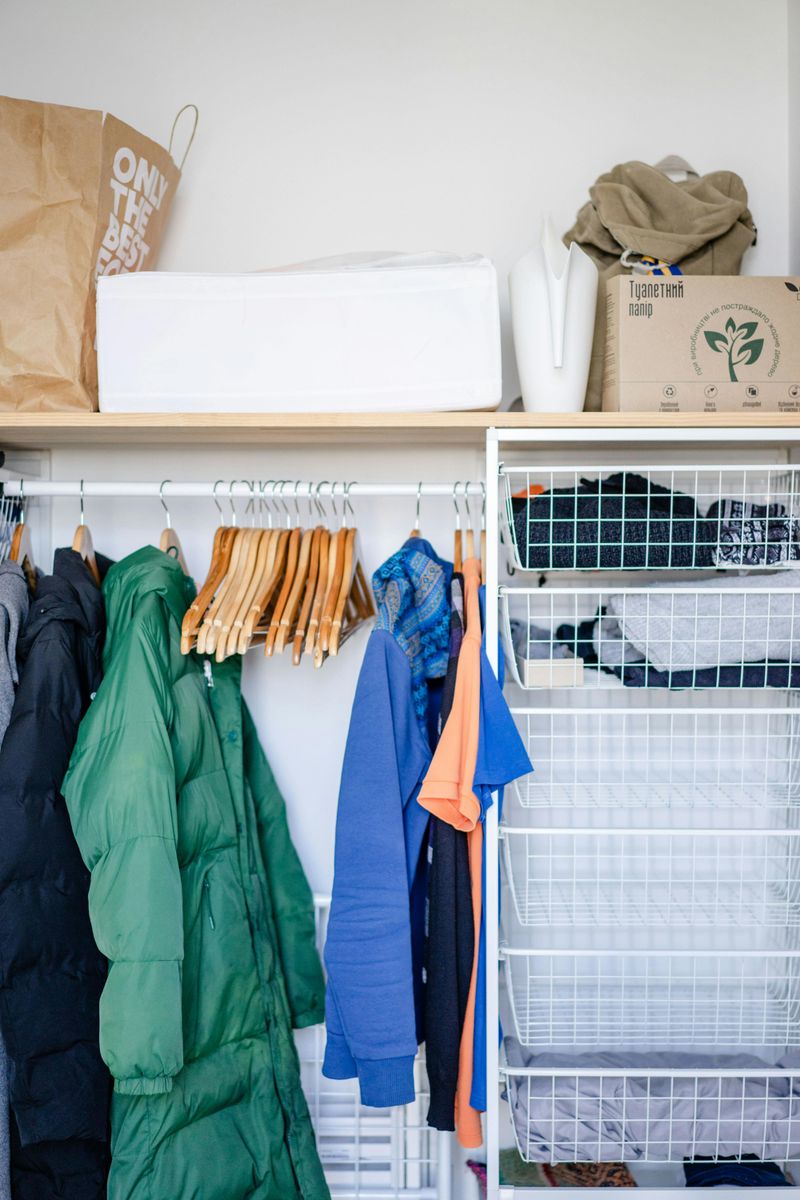
Maintaining minimalism requires ongoing effort, not just one big cleanout.
Every time you bring something new into your home, commit to removing something old.
This simple rule prevents gradual accumulation that slowly fills your peaceful spaces back up.
It also makes you think carefully before purchasing, asking whether new items truly add value.
Donate, sell, or recycle the things you remove so they can serve someone else.
Over time, this practice becomes automatic, and you’ll naturally choose quality over quantity.
Your home stays fresh and calm because clutter never gets the chance to creep back in and take over again.