 MomSkoop
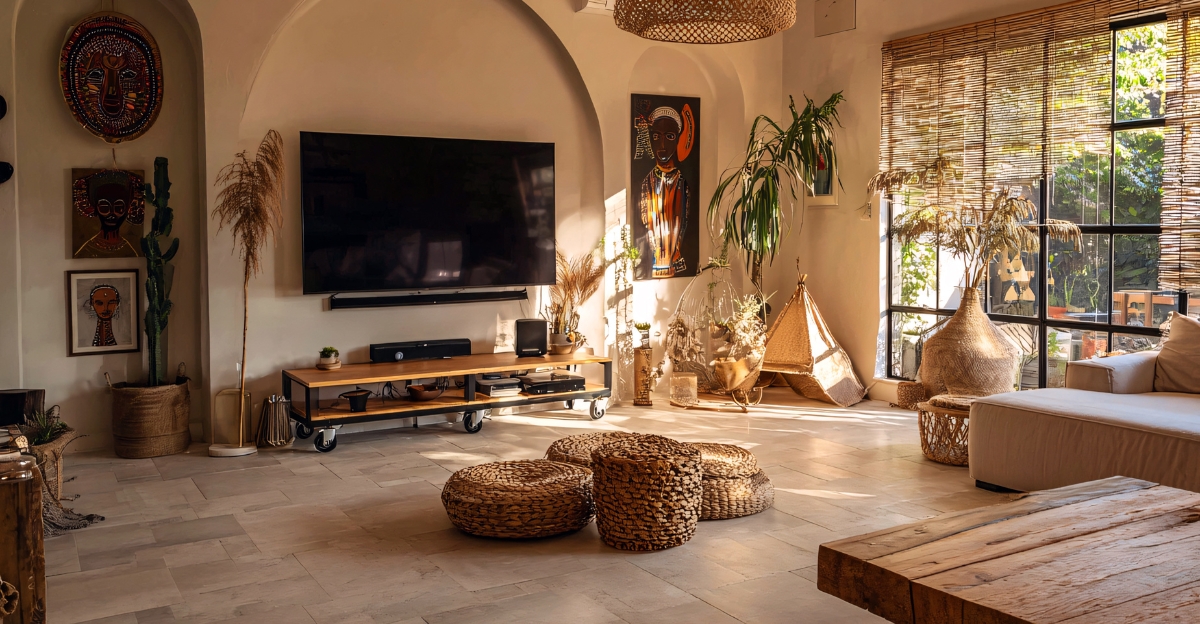
Your home is about to get a major glow-up.
As we move into 2026, interior design is shifting toward spaces that feel more personal, comfortable, and connected to nature.
These upcoming trends blend beauty with practicality, creating rooms that not only look amazing but also make everyday life better and more meaningful.
1. Biophilic Design
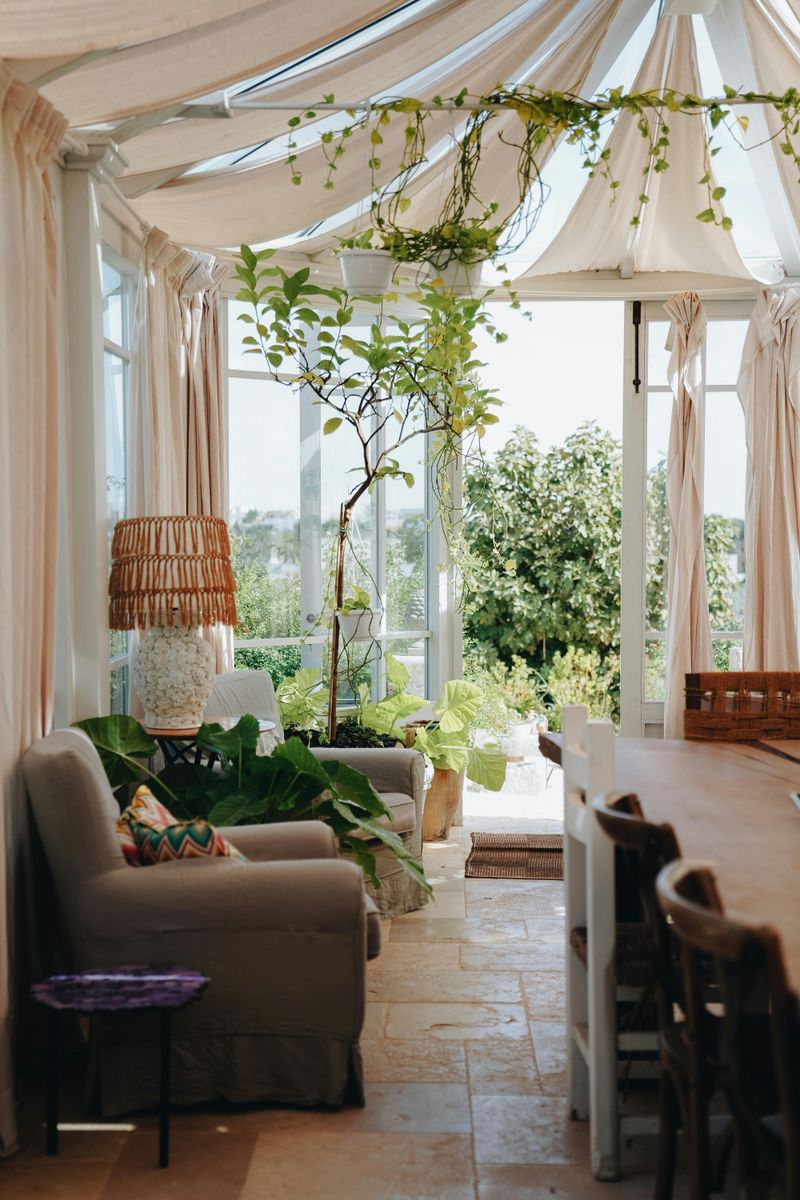
Bringing the outdoors inside is becoming more than just a trend—it’s a lifestyle.
Biophilic design focuses on connecting people with nature through plants, natural woods, and organic materials that make your space feel alive and fresh.
Imagine waking up surrounded by leafy greens, breathing cleaner air, and feeling calmer throughout your day.
Studies show that being around nature reduces stress and boosts mood, which is why designers are filling homes with everything from potted ferns to living plant walls.
Natural wood beams, stone accents, and bamboo furniture complete the look while keeping things eco-friendly and stylish.
2. Warm Minimalism
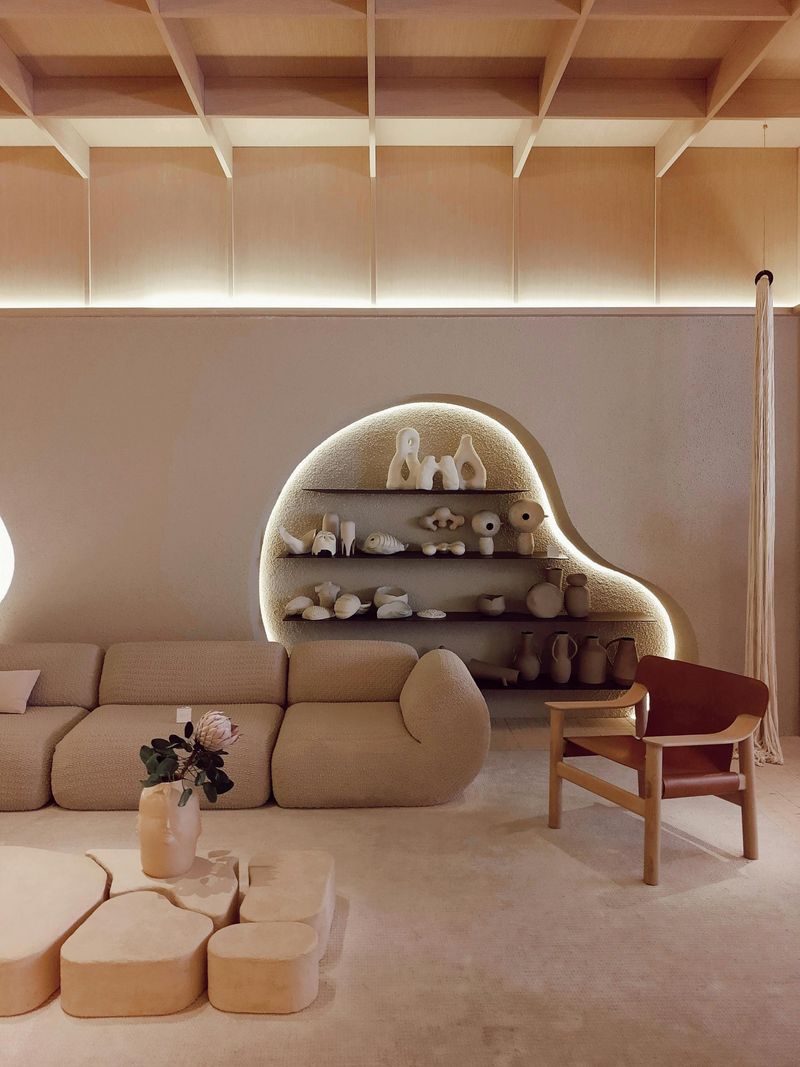
Cold, stark white rooms are officially out.
Warm minimalism takes the clean, simple look we love and adds cozy touches that make spaces actually feel like home.
Think soft beige walls, creamy linens, and furniture made from honey-toned woods.
The key is keeping things uncluttered while layering in warmth through textures like wool throws, cotton rugs, and linen curtains.
This style proves you don’t need lots of stuff to create a welcoming atmosphere.
A few well-chosen pieces in warm neutrals can make any room feel both peaceful and inviting, perfect for relaxing after a long day.
3. Rich Earthy Color Palettes
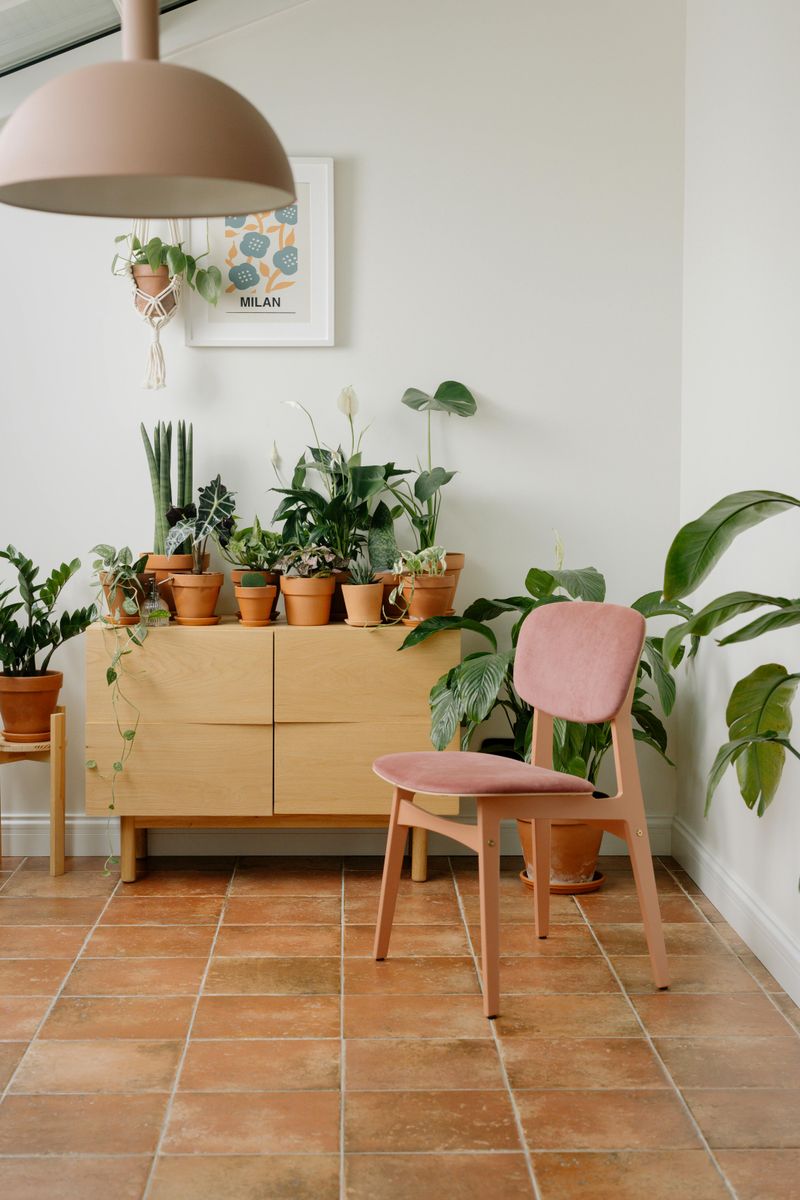
Bold, saturated colors inspired by nature are taking over in 2026.
Terracotta, olive green, mustard yellow, warm browns, and deep forest greens are replacing cool grays and pastels.
These earthy shades create rooms that feel grounded and comforting, like wrapping yourself in a warm blanket.
They work beautifully together, so you can mix terracotta walls with olive furniture and mustard accents without worrying about clashing.
Paint one accent wall in burnt orange or add deep green cabinets to your kitchen.
These colors bring energy and personality while staying connected to the natural world around us.
4. High-Quality Wood and Artisan Craftsmanship
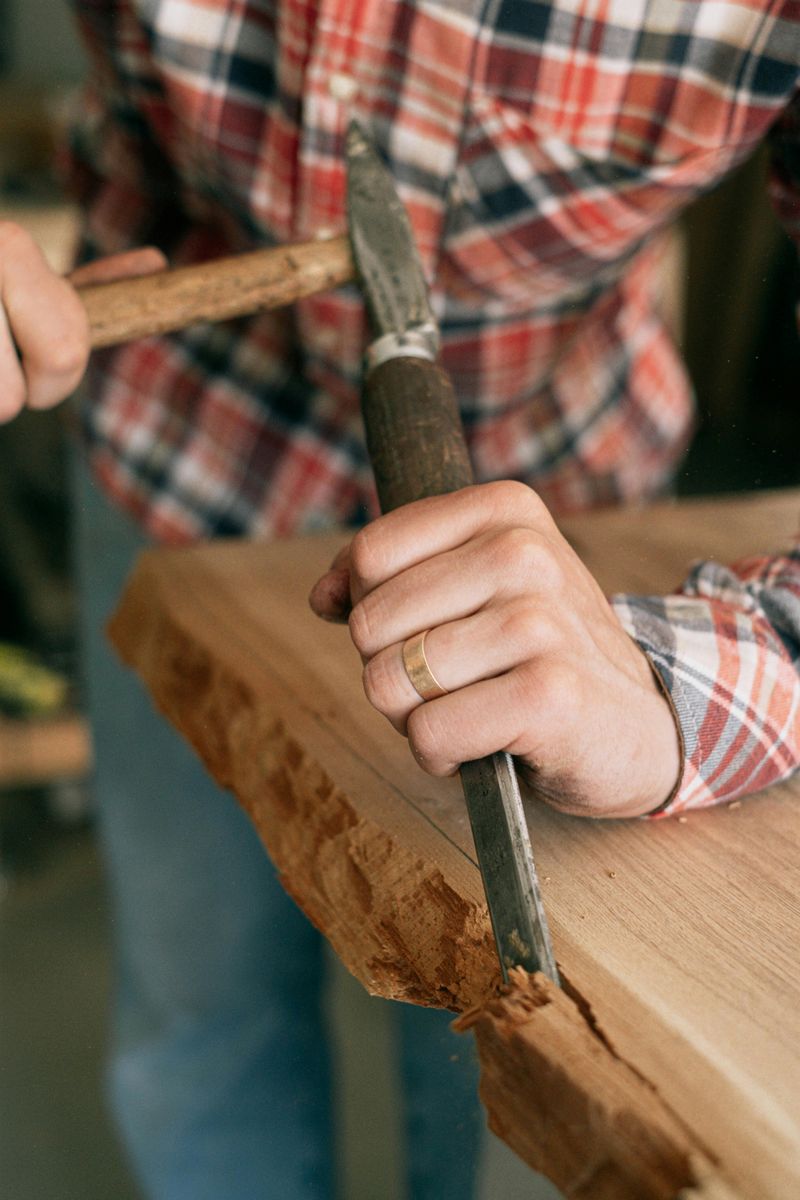
Mass-produced furniture is losing its appeal as people seek pieces with soul and story.
Dark, rich woods like walnut and mahogany are making a comeback, prized for their beauty and durability.
Artisan-crafted furniture shows the marks of human hands—slight variations in wood grain, hand-carved details, and unique joinery techniques.
These pieces become family treasures rather than disposable items you replace every few years.
Investing in quality craftsmanship means supporting skilled makers while creating interiors with character.
A handmade walnut dining table or mahogany bookshelf adds instant elegance and tells a story that factory furniture simply cannot match.
5. Textured Layers and Tactile Materials
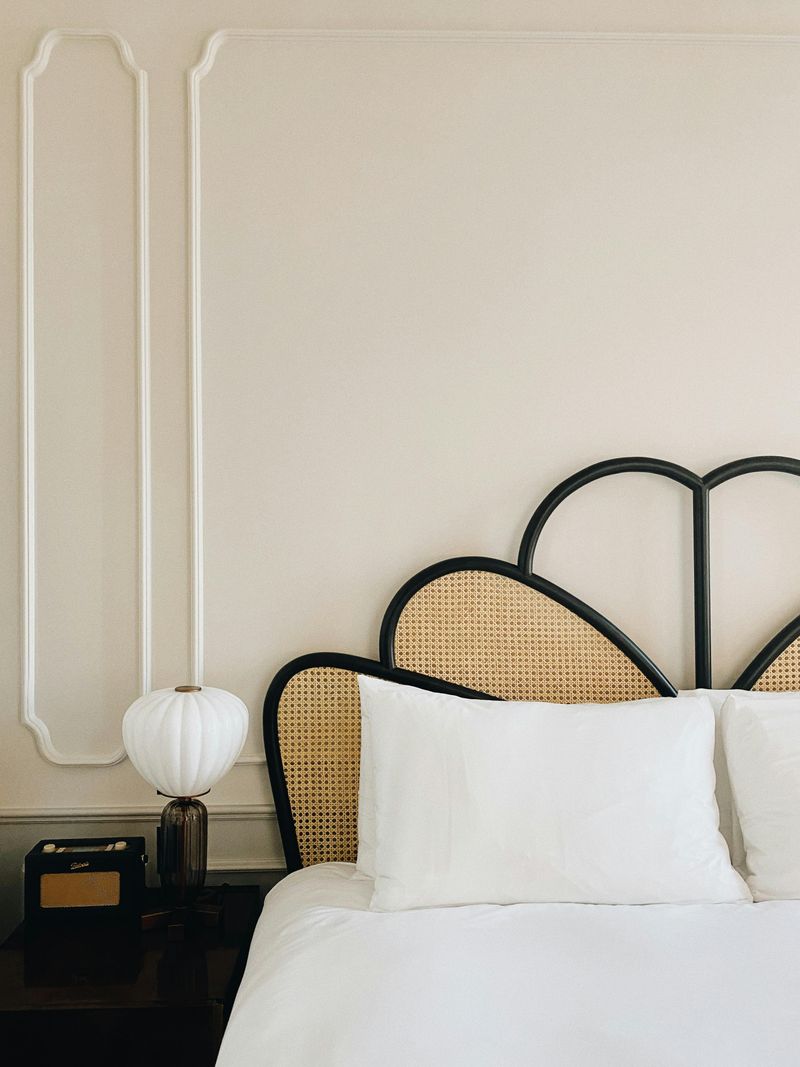
Flat, one-dimensional rooms are being replaced by spaces you can almost feel through a screen.
Layering different textures—linen, wool, stone, plaster, and natural fibers—creates visual interest and physical comfort.
Picture a linen sofa topped with chunky wool throws, sitting on a jute rug, next to plastered walls with a stone accent.
Each material adds its own personality while working together to create depth and warmth.
Mixing rough with smooth and matte with slightly glossy keeps eyes moving around the room.
These tactile touches invite you to reach out and experience your space, making home feel more engaging and alive.
6. Organic Shapes and Sculptural Furniture
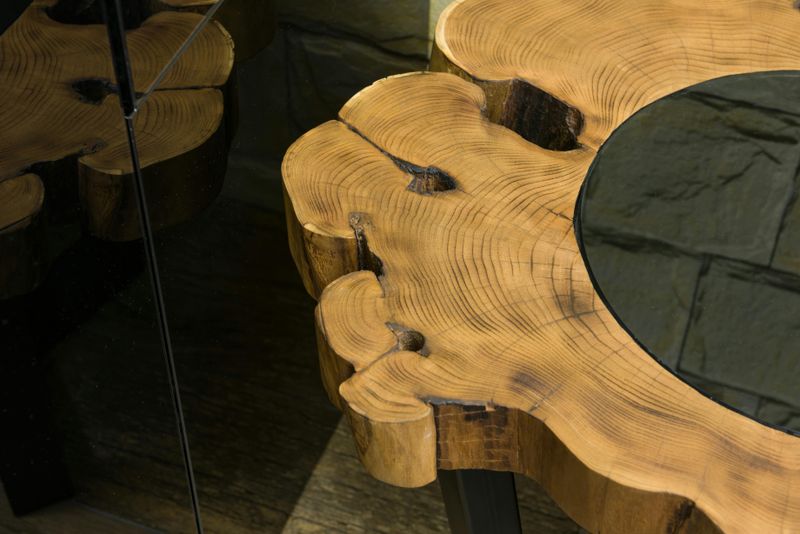
Sharp corners and rigid lines are giving way to flowing, sculptural pieces that feel more human and inviting.
Furniture with curves and organic shapes creates a softer, more relaxing atmosphere.
Rounded sofas, oval coffee tables, and chairs with flowing backs mimic forms found in nature.
These pieces work like functional art, adding beauty while remaining comfortable and practical for everyday use.
Cloud-like sofas and kidney-shaped mirrors soften spaces dominated by rectangular architecture.
This trend reflects our desire for gentleness and comfort in our homes, moving away from the hard edges that can make rooms feel cold or unwelcoming.
7. Smart and Sustainable Living
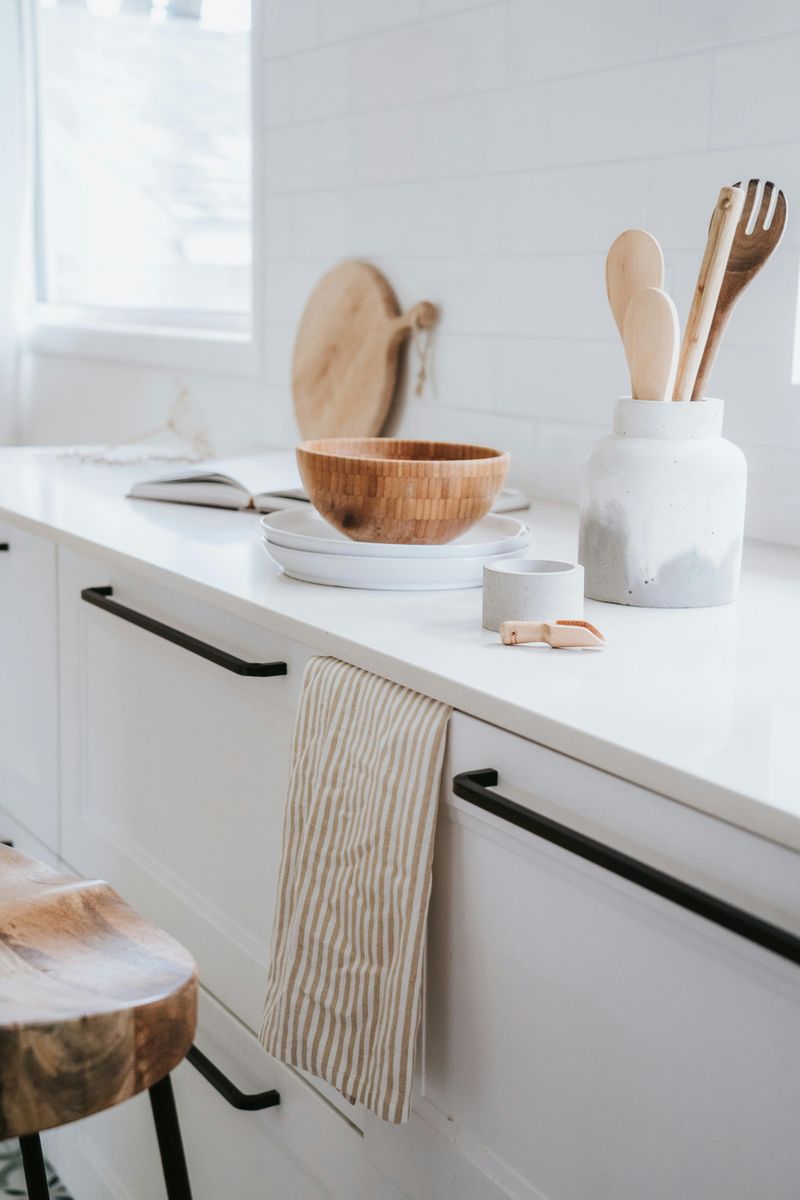
Technology and sustainability are joining forces to create homes that are both intelligent and environmentally responsible.
Smart thermostats, energy-efficient lighting, and recycled materials are becoming standard rather than luxury additions.
The best part?
Today’s smart tech hides seamlessly into beautiful design.
Voice-controlled systems, automated blinds, and app-managed lighting work invisibly, maintaining your home’s aesthetic while reducing energy consumption and environmental impact.
Choosing furniture made from recycled plastics, reclaimed wood, or sustainable bamboo helps the planet without sacrificing style.
This approach proves that being eco-conscious and having a gorgeous home aren’t mutually exclusive—they’re the perfect partnership.
8. Flexible Multifunctional Spaces
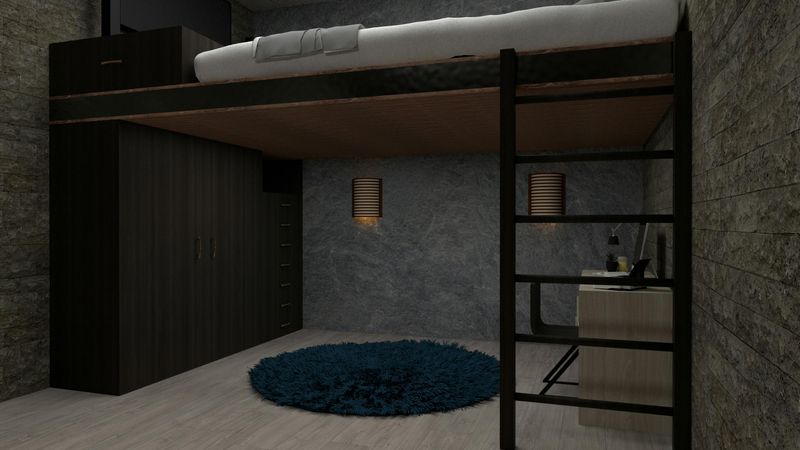
Homes are working harder than ever as we need rooms that adapt to multiple activities throughout the day.
Flexible design means creating spaces that easily transform from home office to workout area to relaxation zone.
Furniture plays a huge role here—think murphy beds that fold into walls, desks that convert to dining tables, and modular sofas that rearrange for different needs.
These smart solutions maximize every square foot without making spaces feel cluttered or chaotic.
Open floor plans with movable partitions let you customize your environment based on what you’re doing.
This adaptability reflects how we actually live today, juggling work, hobbies, and family time all under one roof.
9. Statement Ceilings and Architectural Details
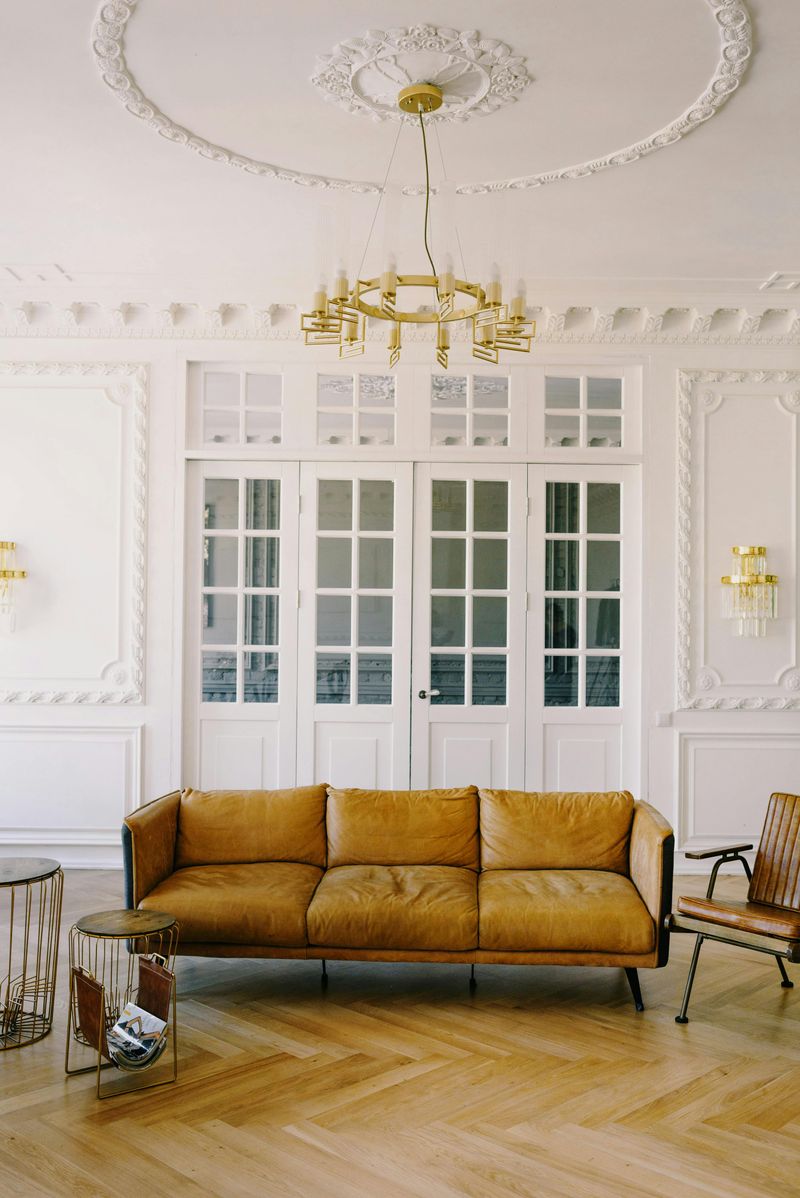
Designers are finally looking up—and down—instead of focusing only on walls.
Statement ceilings painted in bold colors, coffered designs, or exposed beams add drama and character to any room.
Floors are getting attention too, with patterned tiles, wide-plank hardwoods, and terrazzo making comebacks.
Built-in shelving, decorative molding, and textured wall treatments create architectural interest in even the simplest spaces.
A painted ceiling in deep navy or a herringbone wood floor becomes an instant conversation starter.
These details show that true design considers every surface, turning ordinary rooms into spaces with personality and sophistication that feels custom and intentional.
10. Personal Expressive Interiors
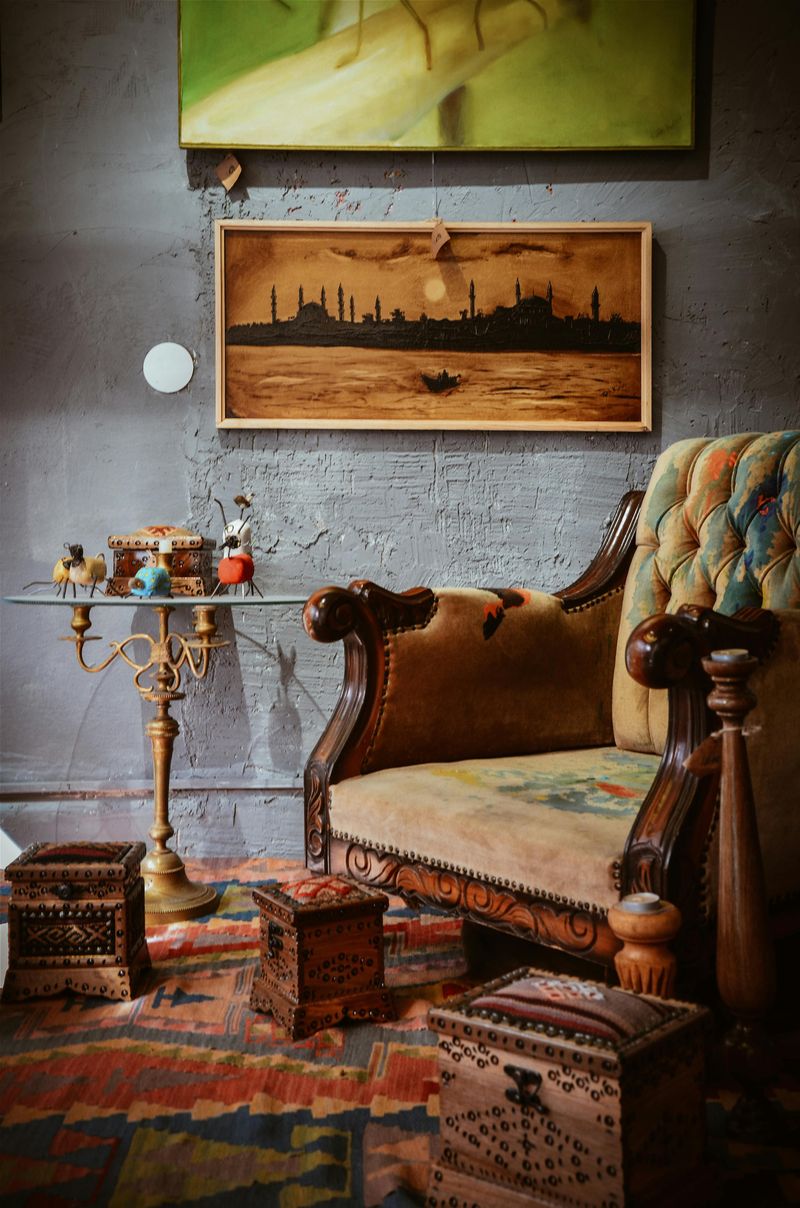
Cookie-cutter interiors are being replaced by homes that tell stories and reflect real personalities.
Mixing vintage finds with new pieces, displaying collections, and incorporating family heirlooms creates spaces with genuine character.
Your grandmother’s chair reupholstered in modern fabric, vacation souvenirs displayed as art, or a wall of family photos all add layers of meaning that generic decor cannot provide.
These personal touches make your home uniquely yours rather than looking like a showroom.
Eclectic combinations work when items share a common thread—maybe a color palette or era.
Embracing imperfection and personal history over perfection creates interiors with soul, warmth, and authenticity that guests remember long after they leave.