 MomSkoop
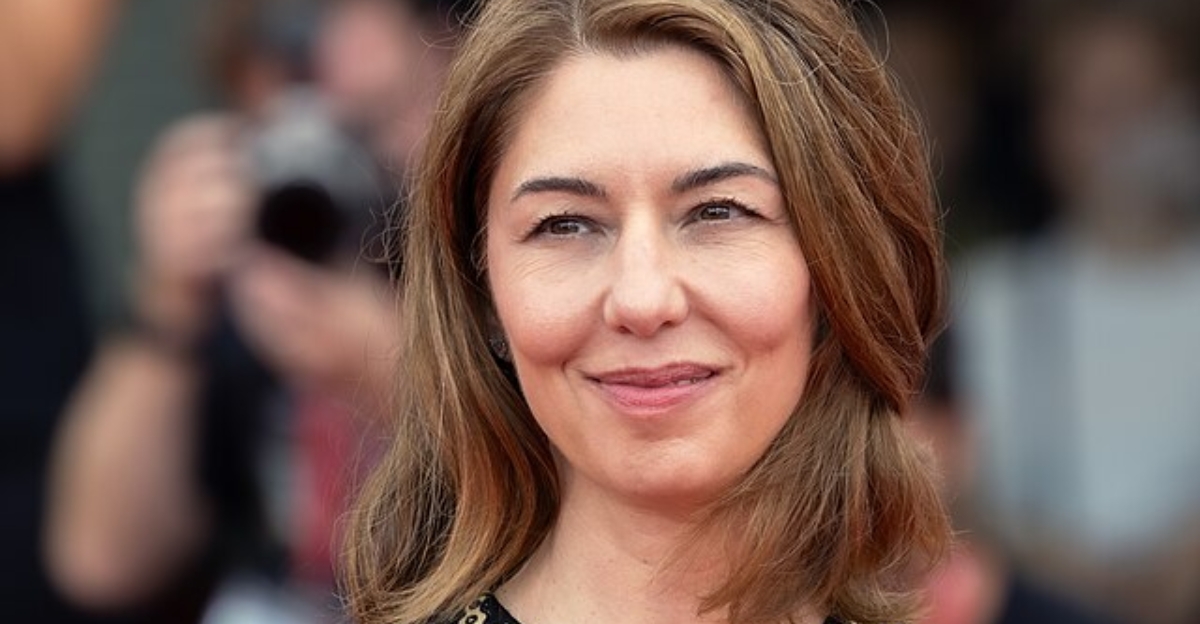
Hollywood has long been criticized for offering women limited, one-dimensional roles.
Thankfully, some filmmakers have broken that pattern by creating complex, powerful characters that showcase the full range of female talent.
These directors have crafted stories where women are heroes, leaders, survivors, and deeply flawed human beings—not just sidekicks or love interests.
Their work has changed the industry and inspired countless viewers around the world.
1. Greta Gerwig – Lady Bird, Little Women, Barbie
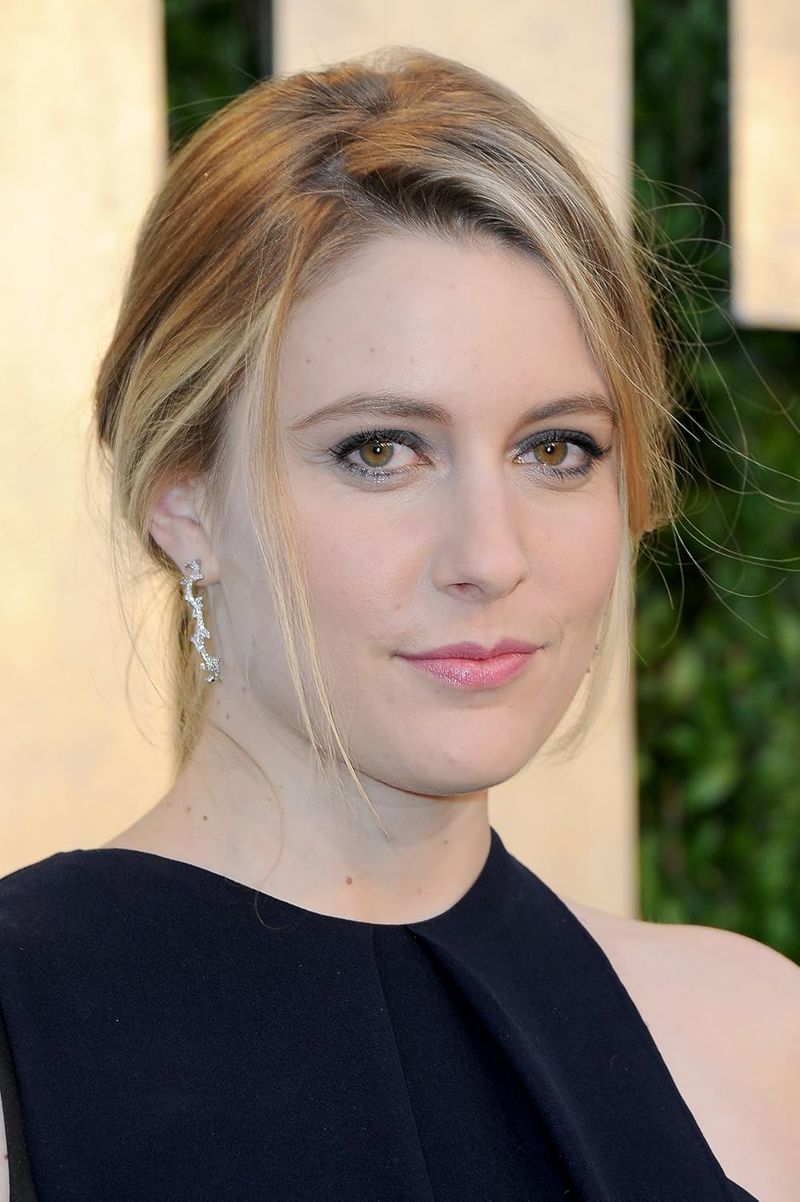
Greta Gerwig has become one of the most celebrated directors of her generation by putting authentic female experiences front and center.
Her debut film, Lady Bird, captured the messy, beautiful relationship between a teenage girl and her mother with humor and heart.
Little Women reimagined Louisa May Alcott’s classic novel, emphasizing Jo March’s artistic ambitions and independence.
Gerwig’s vision made the story feel fresh and relevant for modern audiences.
With Barbie, she turned a toy franchise into a thoughtful exploration of identity and feminism.
Gerwig’s films celebrate women’s dreams, struggles, and triumphs without simplifying their stories or reducing them to stereotypes.
2. Chloé Zhao – Nomadland, The Rider, Eternals
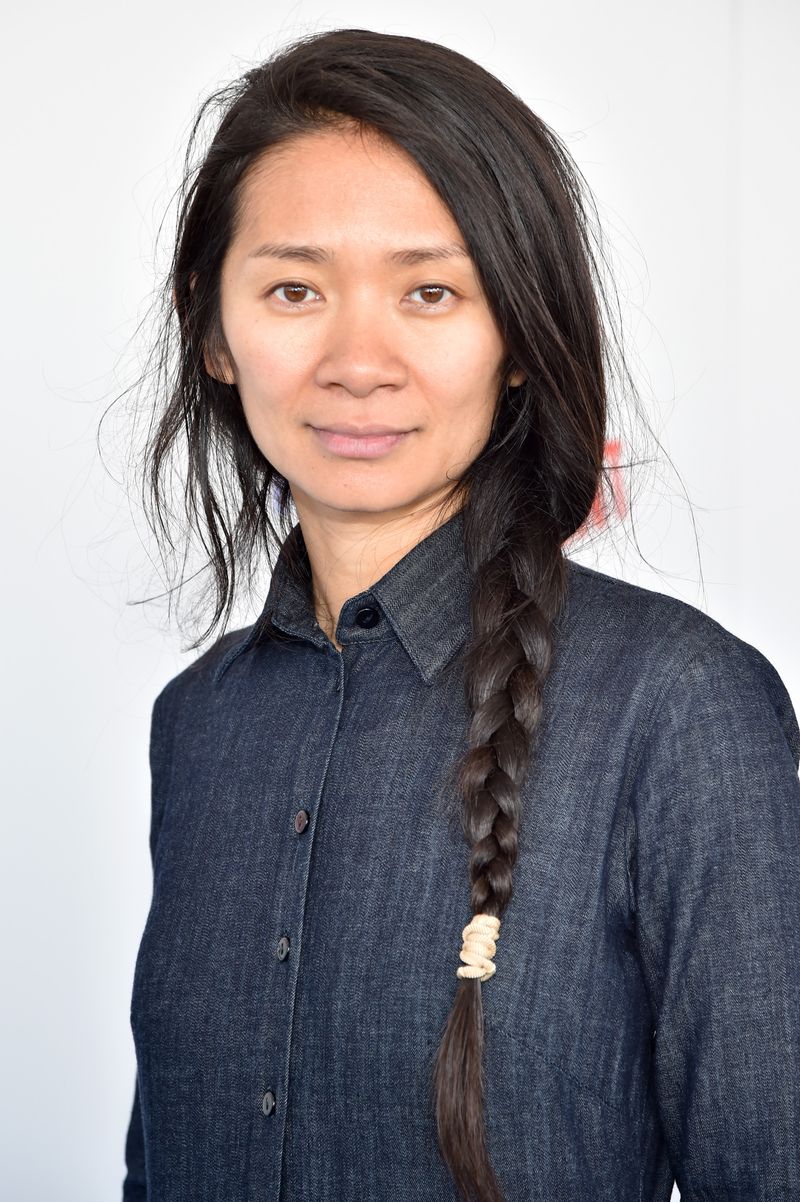
Chloé Zhao made history as the first woman of color to win the Best Director Oscar for Nomadland.
Her films focus on overlooked people living on society’s margins, especially women seeking meaning and connection.
Frances McDormand’s character in Nomadland is a widow who chooses freedom over comfort, traveling America’s backroads in a van.
Zhao’s quiet, poetic style lets her characters breathe and reveal their inner strength naturally.
Even in Eternals, a big-budget superhero movie, Zhao centered diverse female heroes with distinct personalities and motivations.
Her work proves that women’s stories deserve space in every genre, from intimate dramas to blockbuster spectacles.
3. Kathryn Bigelow – The Hurt Locker, Zero Dark Thirty
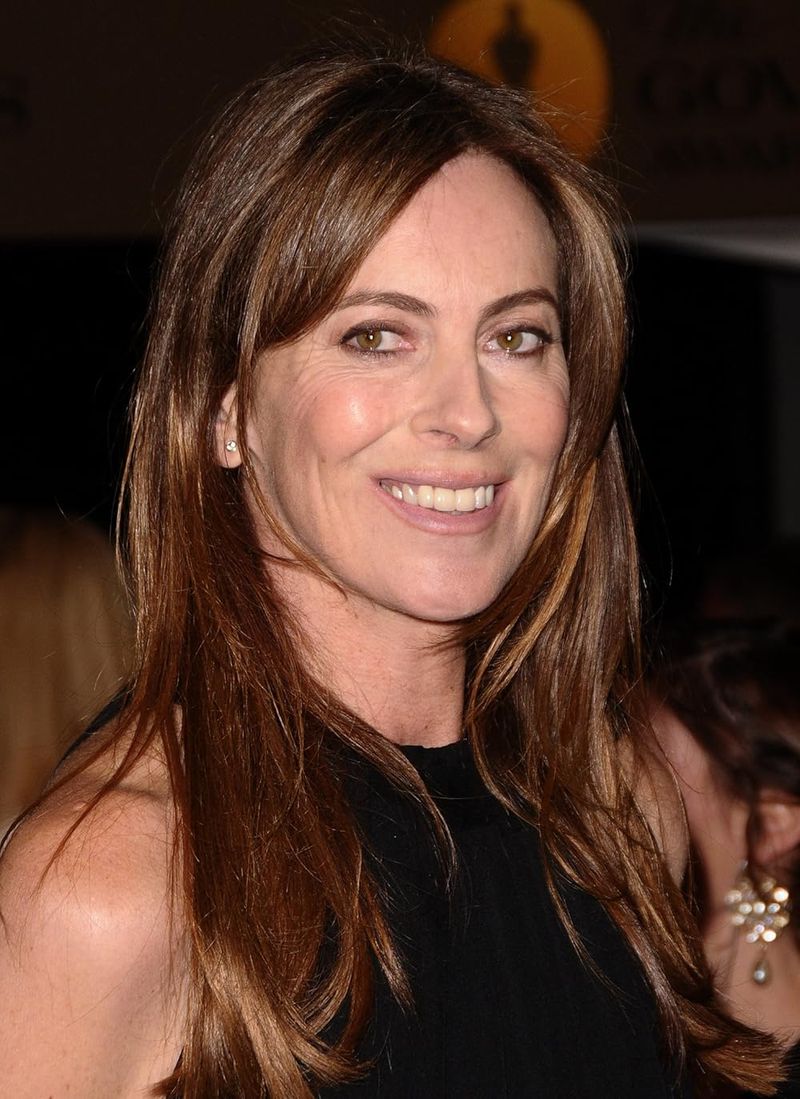
Kathryn Bigelow shattered glass ceilings by becoming the first woman to win the Best Director Oscar for The Hurt Locker.
She proved that women could excel in genres traditionally dominated by men, like war films and action thrillers.
Zero Dark Thirty featured Jessica Chastain as a determined CIA analyst hunting Osama bin Laden.
The character was brilliant, obsessive, and flawed—a fully realized human being rather than a token female presence.
Bigelow’s intense, visceral filmmaking style commands respect in Hollywood’s most competitive arena.
She opened doors for countless women directors who followed, showing that talent and vision matter more than gender stereotypes or outdated industry expectations.
4. Jane Campion – The Piano, The Power of the Dog, Bright Star
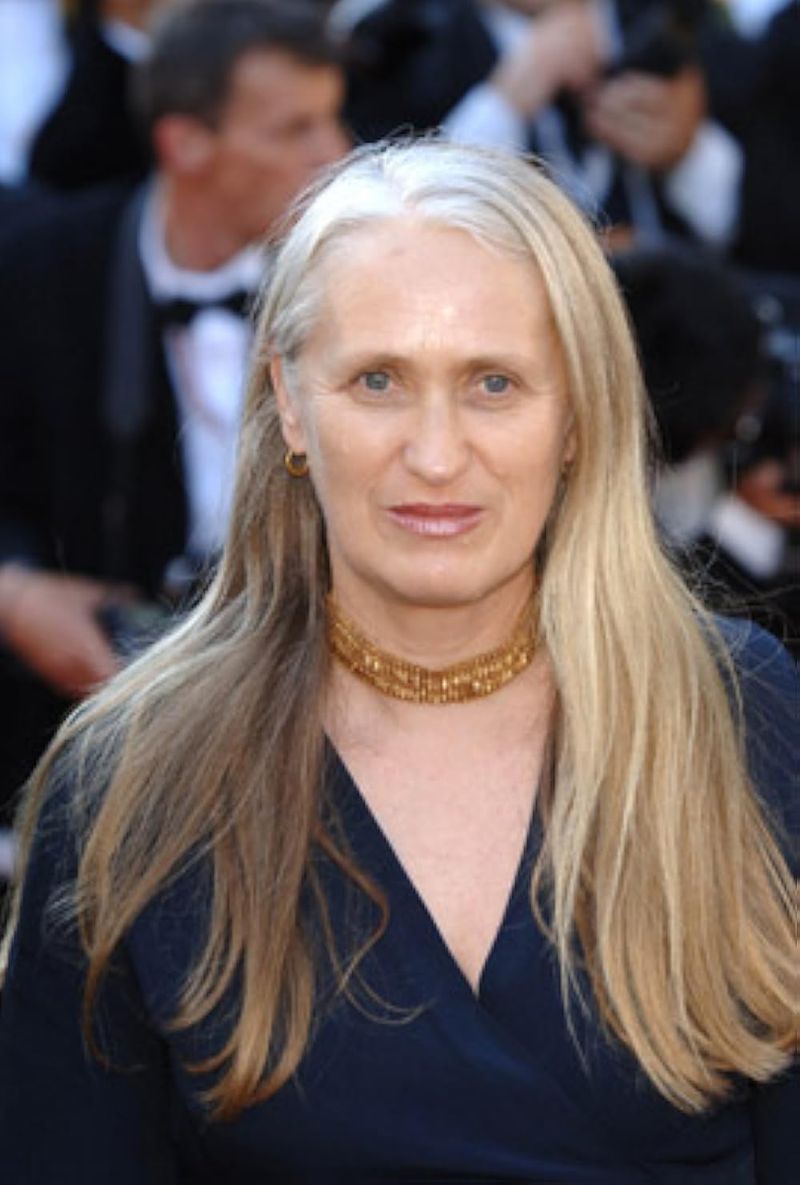
Jane Campion has spent decades crafting films about women who refuse to be silenced or controlled.
The Piano tells the story of a mute woman in 19th-century New Zealand who expresses herself through music and defies social expectations.
Her recent triumph, The Power of the Dog, explores toxic masculinity and features Kirsten Dunst as a widow navigating dangerous power dynamics.
Campion’s characters are survivors who find strength in unexpected places.
With two Best Director Oscar nominations decades apart, Campion proved her lasting influence.
She creates atmospheric, psychologically rich films that challenge viewers to see women as complex individuals with agency, desire, and the courage to shape their destinies.
5. Ava DuVernay – Selma, When They See Us, 13th
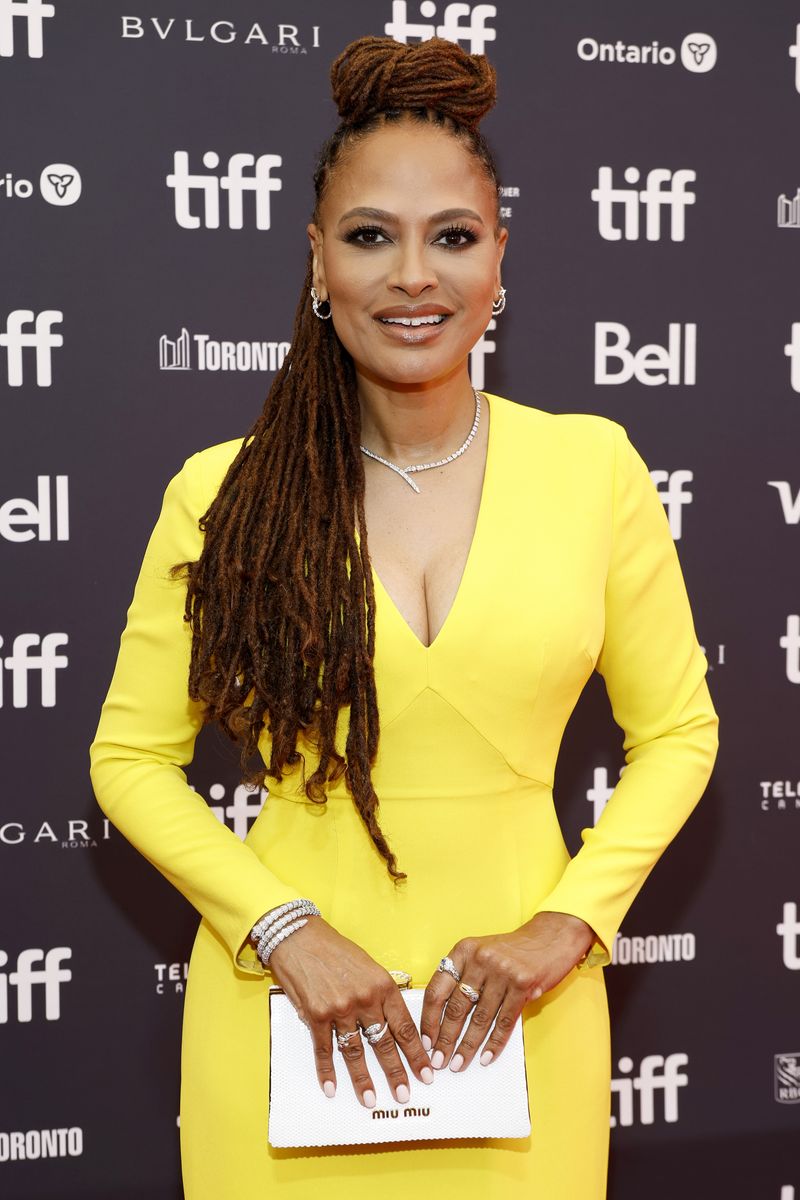
Ava DuVernay uses her platform to amplify voices that Hollywood has historically ignored, especially Black women.
Selma showcased Coretta Scott King and other women who were instrumental in the Civil Rights Movement but rarely get credit.
When They See Us highlighted the mother of one of the Central Park Five, showing her pain and determination.
DuVernay’s storytelling centers Black women’s experiences with dignity and nuance.
Her documentary 13th examines mass incarceration’s devastating impact on Black communities, featuring interviews with numerous female activists and scholars.
DuVernay consistently creates space for women to tell their truths, challenging Hollywood to recognize stories that matter beyond box office numbers.
6. Sofia Coppola – Lost in Translation, Marie Antoinette, Priscilla
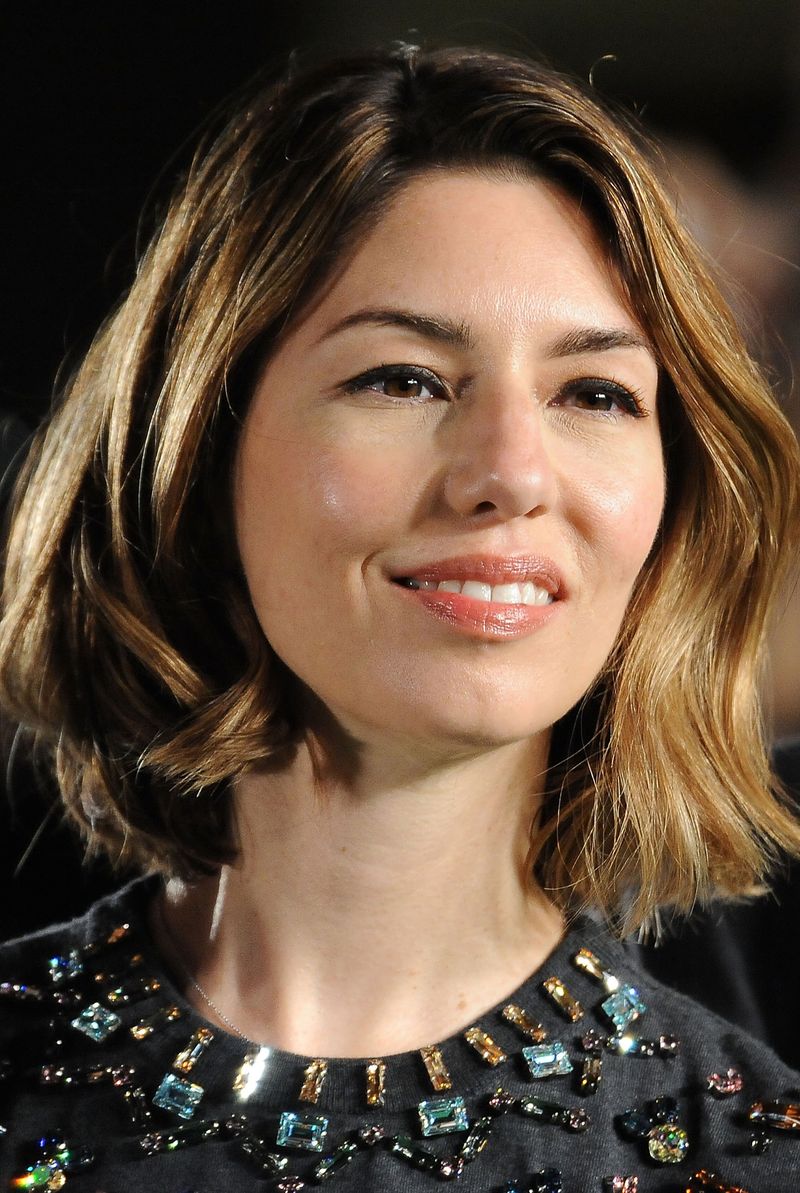
Sofia Coppola specializes in exploring the inner lives of women who feel trapped by fame, wealth, or societal expectations.
Lost in Translation gave Scarlett Johansson a breakout role as a young woman experiencing loneliness and existential uncertainty in Tokyo.
Marie Antoinette reimagined the French queen as a teenager thrust into an overwhelming situation, humanizing a historical figure often dismissed as frivolous.
Coppola’s dreamy visual style mirrors her characters’ emotional landscapes beautifully.
Priscilla tells the story of Priscilla Presley’s complicated relationship with Elvis from her perspective.
Coppola consistently gives voice to women whose stories have been overshadowed by the men around them, revealing their strength and vulnerability.
7. Patty Jenkins – Monster, Wonder Woman
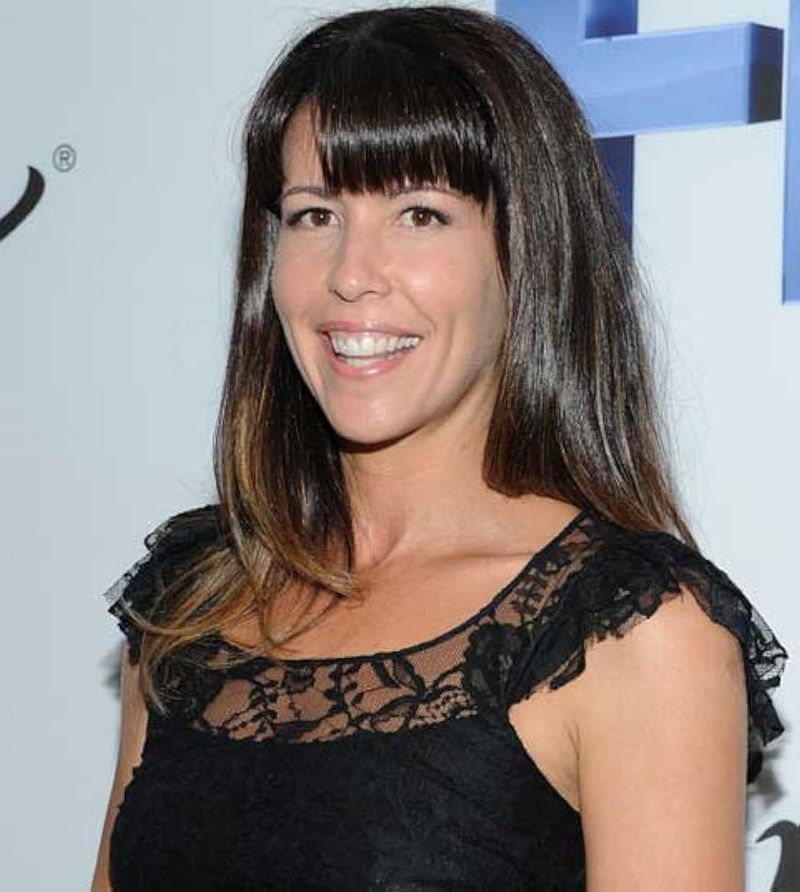
Patty Jenkins launched her career with Monster, which earned Charlize Theron an Oscar for playing serial killer Aileen Wuornos.
Jenkins refused to simplify Wuornos, instead presenting a damaged woman shaped by brutal circumstances and systemic failures.
Years later, Jenkins directed Wonder Woman, the first female-led superhero film in decades.
She created an inspiring hero who was powerful, compassionate, and optimistic—qualities rarely combined in female action characters.
Jenkins’ success proved that audiences were hungry for female-driven stories in every genre.
She demonstrated that women could helm massive blockbusters while maintaining emotional depth and character complexity, paving the way for more diverse superhero films and directors.
8. Denis Villeneuve – Arrival, Sicario
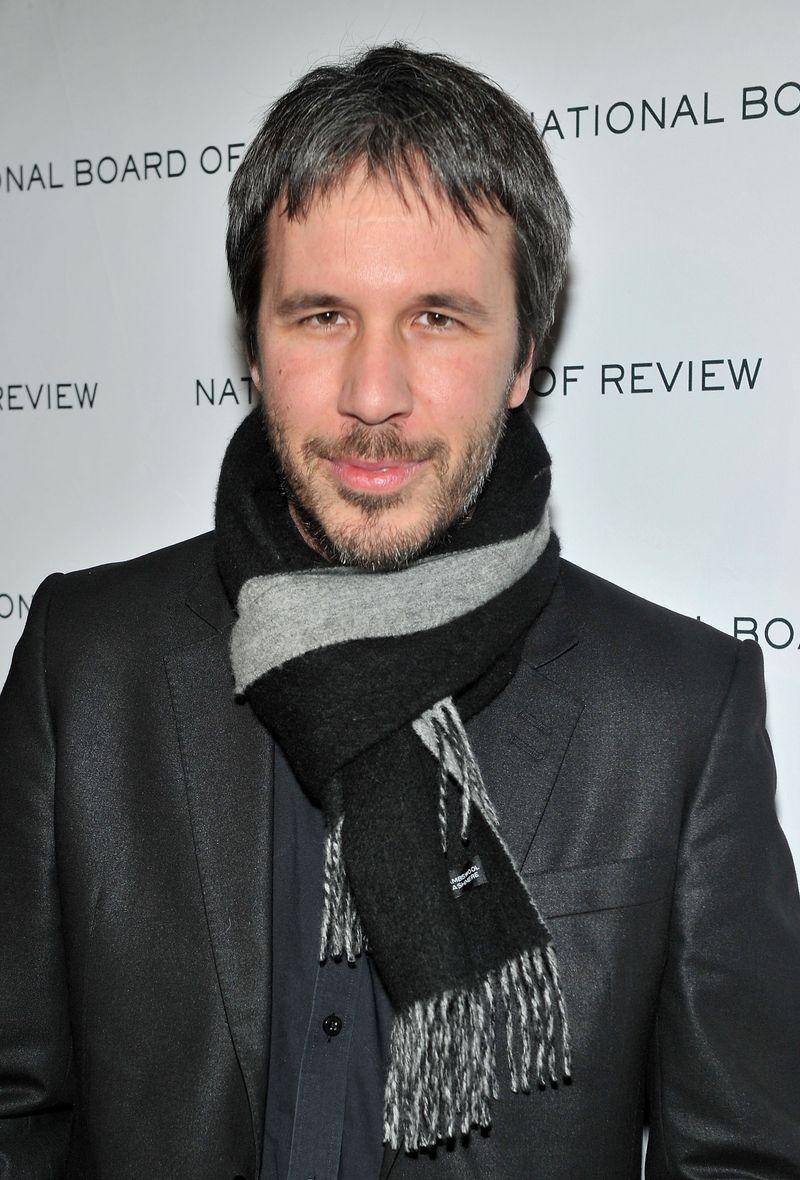
Denis Villeneuve consistently writes intelligent, capable women into his science fiction and thriller worlds.
Arrival centers on Amy Adams as a linguist tasked with communicating with aliens, making her intellect and empathy the key to saving humanity.
The film explores grief, motherhood, and sacrifice through a female lens rarely seen in sci-fi blockbusters.
Adams’ character drives the entire narrative without being sexualized or reduced to a supporting role.
In Sicario, Emily Blunt plays an FBI agent confronting corruption and violence along the Mexican border.
Villeneuve doesn’t shy away from showing her vulnerability while respecting her strength and moral compass.
His films prove that women belong in every genre as fully developed protagonists.
9. Pedro Almodóvar – All About My Mother, Volver, Julieta
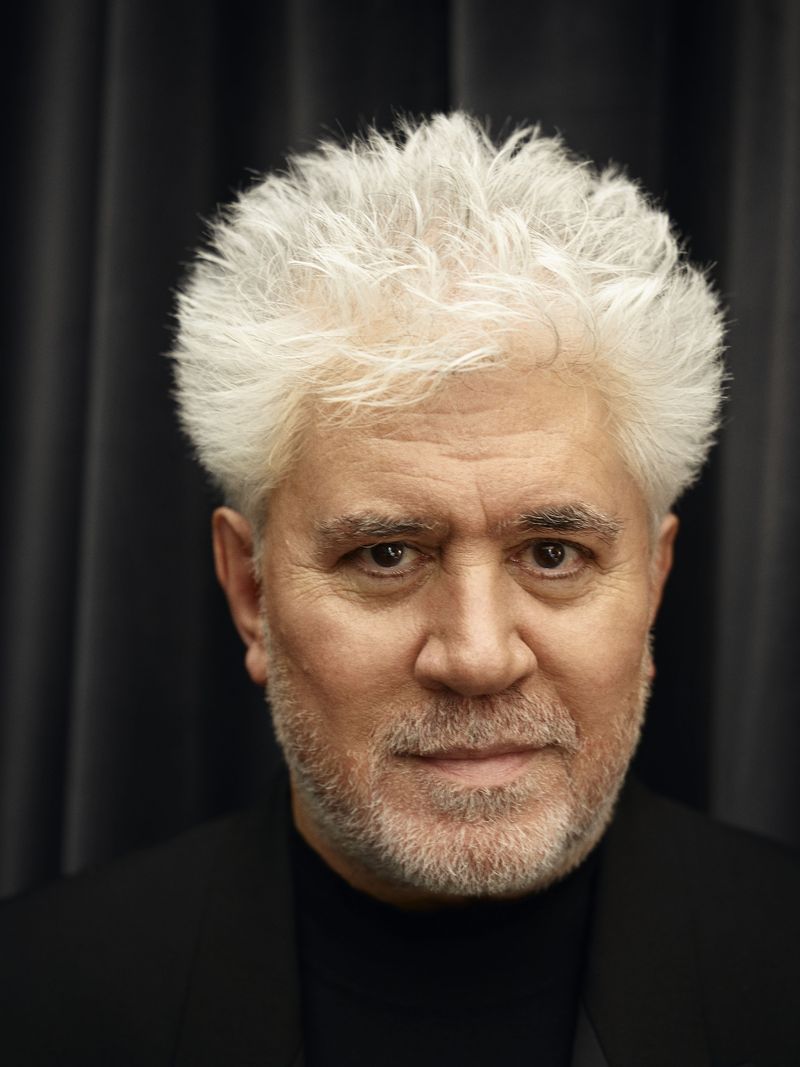
Spanish director Pedro Almodóvar has built his entire career celebrating women in all their complexity, pain, and joy.
All About My Mother follows a nurse navigating grief, motherhood, and transgender identity with compassion and vibrant storytelling.
Volver reunited Almodóvar with Penélope Cruz, showcasing a daughter dealing with family secrets and her mother’s possible ghost.
His films overflow with strong female friendships, resilience, and survival against overwhelming odds.
Julieta explores a mother’s decades-long search for her missing daughter, examining guilt and memory.
Almodóvar’s women are never perfect—they’re messy, passionate, flawed, and utterly human.
His dedication to female-centered narratives has influenced filmmakers worldwide and earned him international acclaim.
10. Andrea Arnold – Fish Tank, American Honey, Wuthering Heights
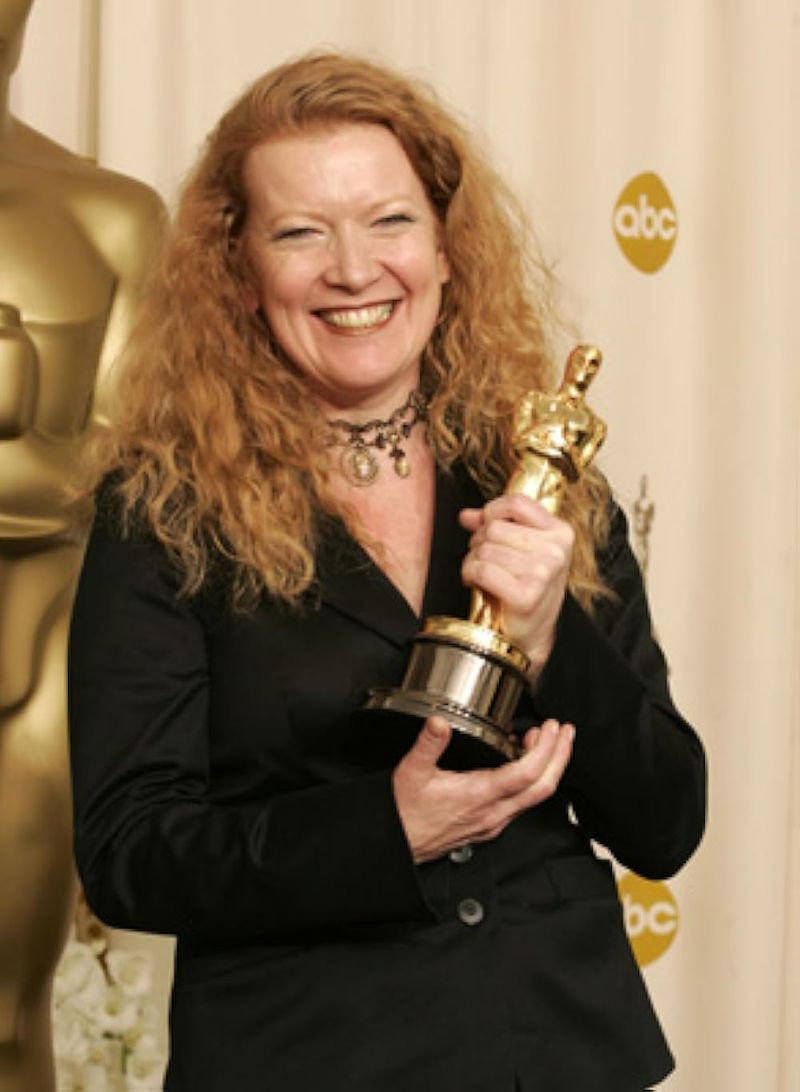
British director Andrea Arnold specializes in raw, unflinching portraits of young women struggling in working-class environments.
Fish Tank follows a teenage dancer in a London housing project who dreams of escaping her difficult circumstances through movement and art.
American Honey features a teenage runaway who joins a traveling magazine sales crew across the American Midwest.
Arnold’s handheld camera style creates intimacy, making viewers feel every emotion her characters experience.
Even her adaptation of Wuthering Heights centered on the passionate, doomed Catherine Earnshaw.
Arnold consistently gives voice to girls and women society overlooks, showing their desires, anger, and humanity without judgment or sentimentality.
Her films feel urgent and alive.
11. Yorgos Lanthimos – The Favourite, Poor Things
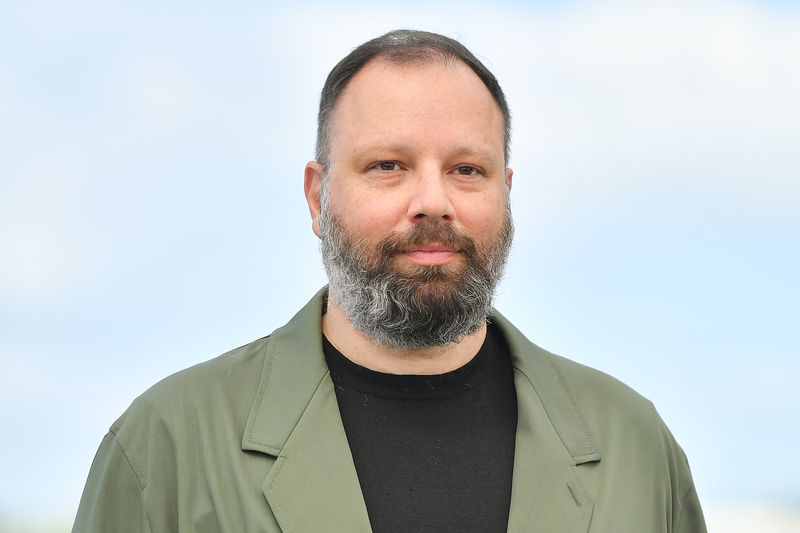
Greek director Yorgos Lanthimos creates bizarre, darkly comic worlds where women wield power in unexpected ways.
The Favourite features three women—Queen Anne, Lady Sarah, and Abigail—engaged in a ruthless power struggle in 18th-century England.
The film refuses to make any character purely sympathetic or villainous, instead presenting them as ambitious, flawed individuals pursuing their own interests.
All three actresses received major award recognition for their complex performances.
Poor Things stars Emma Stone as Bella Baxter, a woman reanimated with a child’s brain who embarks on a wild journey of self-discovery and liberation.
Lanthimos’ surreal style allows women to be strange, sexual, powerful, and free from conventional expectations or moral judgments.