 MomSkoop
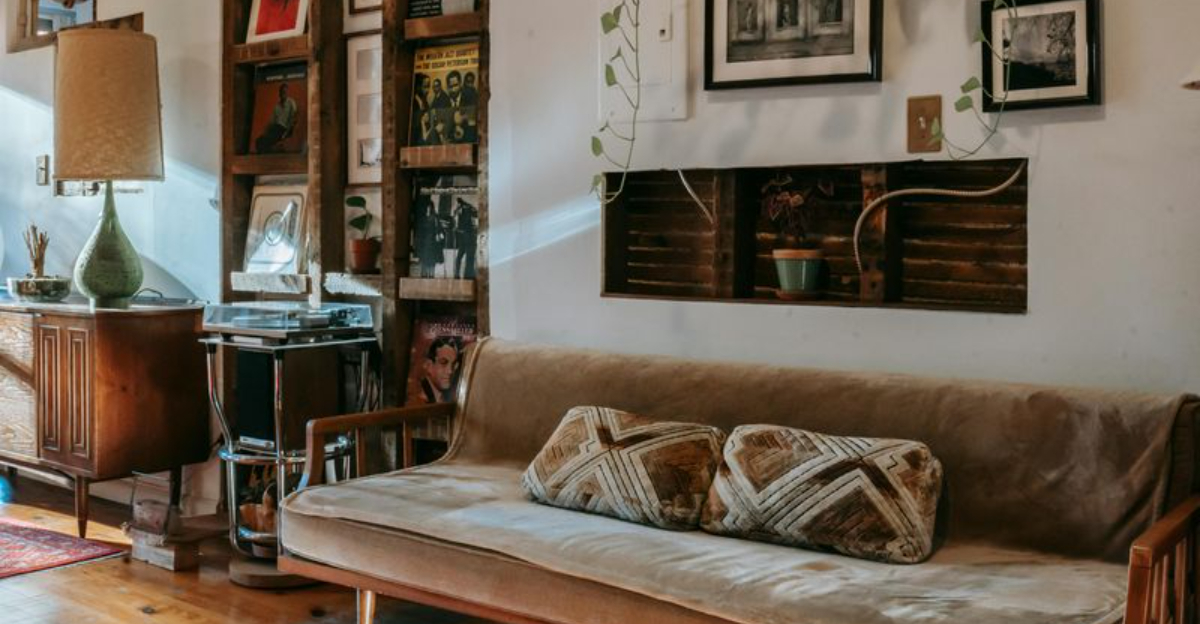
Have you ever walked into a room and felt like something was just off, but you couldn’t quite put your finger on it? Many homeowners unknowingly break basic design rules that can make their spaces feel cramped, cluttered, or unbalanced.
Understanding these common mistakes can help you create a home that looks professionally styled and feels comfortable. Here are the most frequently broken interior design rules and how to fix them.
1. Pushing All Furniture Against the Walls
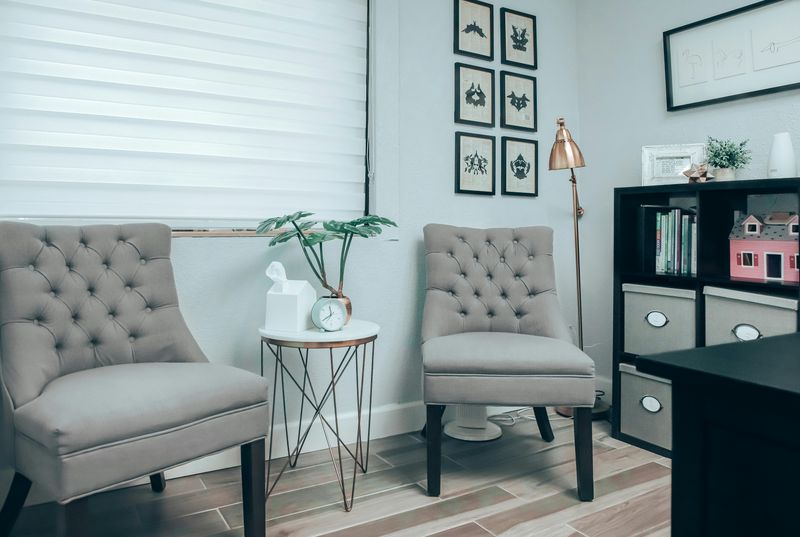
Most people think pushing every piece of furniture against the walls will make a room look bigger.
Actually, this creates an awkward bowling alley effect that makes spaces feel cold and uninviting.
Pulling furniture a few feet away from walls creates cozy conversation areas and makes rooms feel more intimate.
Even in small spaces, floating furniture can define zones and improve traffic flow.
Try arranging seating in a U-shape or around a central coffee table.
This simple change instantly makes your room feel more thoughtfully designed and welcoming to guests.
Your space will feel balanced rather than stretched.
2. Hanging Artwork Too High
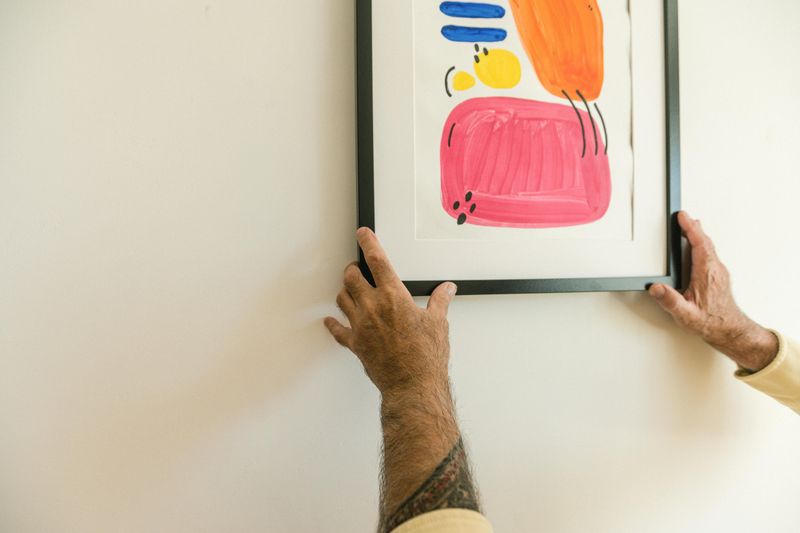
Walk into most homes and you’ll see pictures practically kissing the ceiling.
The center of your artwork should sit at eye level, which is typically around 57 to 60 inches from the floor.
When art hangs too high, it disconnects from your furniture and makes walls look oddly proportioned.
This rule applies whether you’re hanging a single piece or creating a gallery wall.
If you’re hanging art above a sofa, leave about six to eight inches between the furniture and the frame.
Proper placement creates visual harmony and makes your entire room feel more polished and intentional.
3. Choosing the Wrong Rug Size
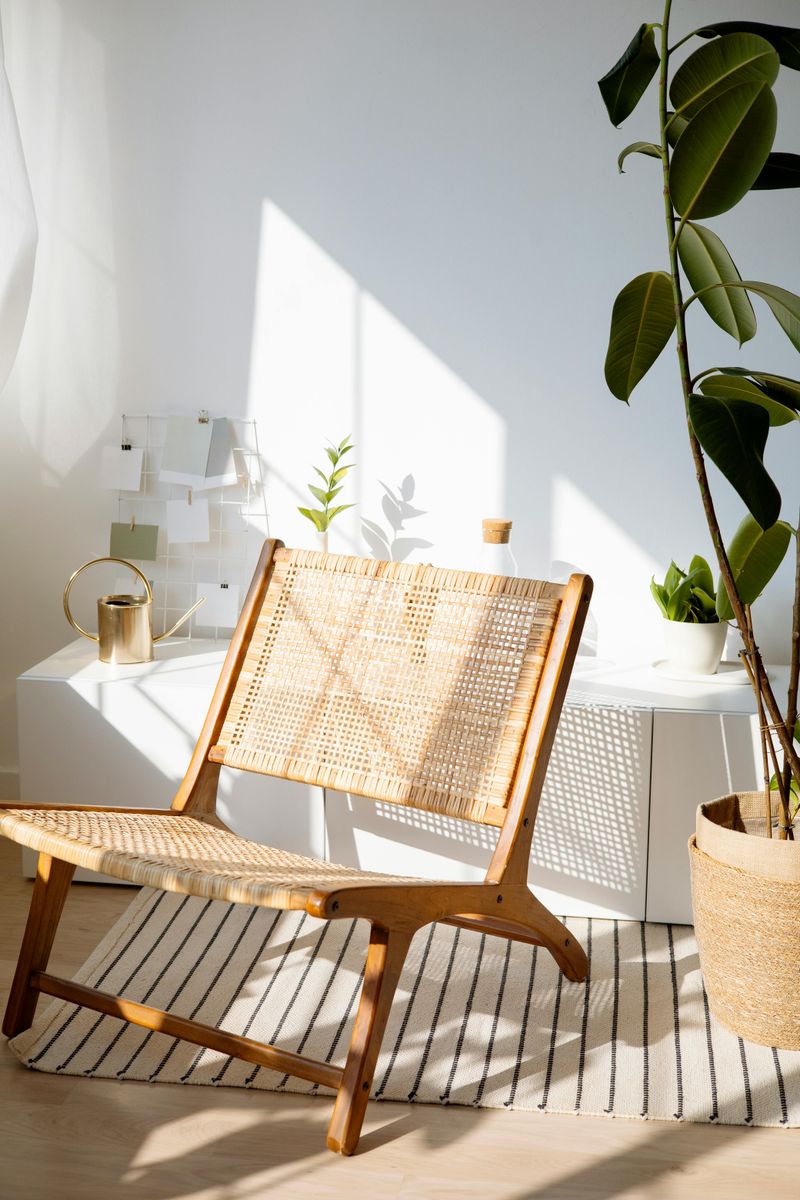
Nothing screams amateur hour quite like a tiny rug floating in the middle of a large room.
Your rug should be big enough that at least the front legs of all your furniture rest on it.
In dining rooms, the rug needs to extend beyond the table so chairs don’t fall off when pulled out.
Small rugs chop up your floor space and make rooms appear smaller than they actually are.
Going bigger creates a unified look that anchors your furniture grouping.
Yes, larger rugs cost more, but they’re worth the investment for the dramatic difference they make.
4. Ignoring Scale and Proportion
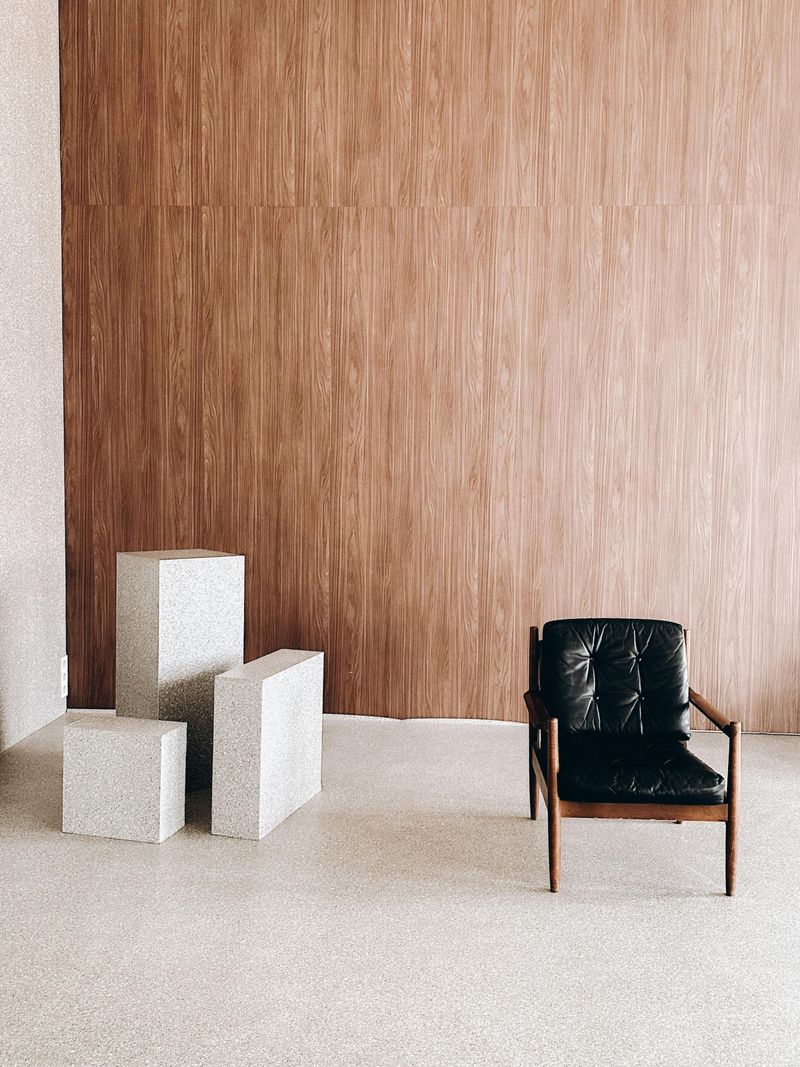
Ever seen a massive sectional crammed into a tiny apartment or a miniature loveseat lost in a huge living room?
Scale refers to how furniture relates to the room size, while proportion is how pieces relate to each other.
Mismatched scale makes spaces feel uncomfortable, even if you can’t immediately identify why.
A good rule is that furniture should fill about two-thirds of your floor space.
Coffee tables should be about two-thirds the length of your sofa.
Nightstands should roughly match your mattress height.
Getting these relationships right creates rooms that feel just right.
5. Using Only Overhead Lighting
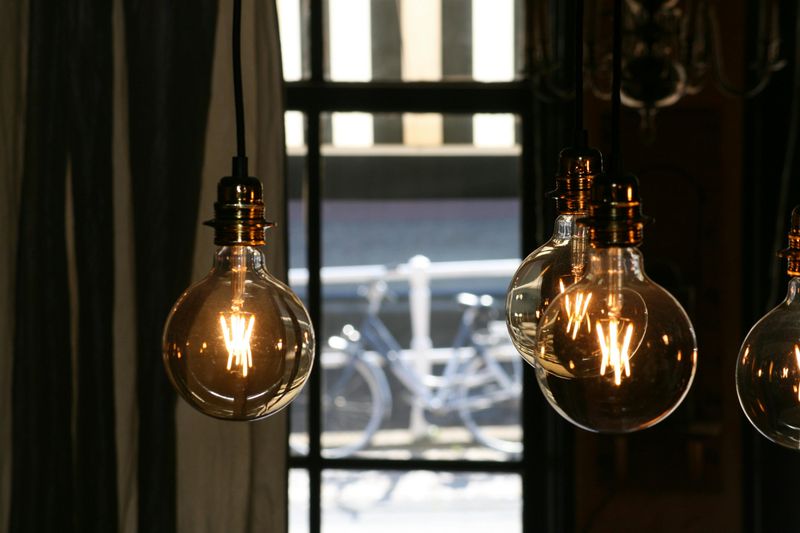
Flipping on a single overhead light is the fastest way to make any room feel like a doctor’s office.
Designers call this the kiss of death for ambiance.
Proper lighting requires layers: ambient, task, and accent lighting working together.
Table lamps, floor lamps, and wall sconces create pools of light at different heights throughout a room.
This approach adds warmth, depth, and flexibility to adjust lighting based on activities or mood.
Aim for at least three different light sources in every room.
Dimmer switches are your best friend for creating the perfect atmosphere anytime.
6. Matching Everything Perfectly
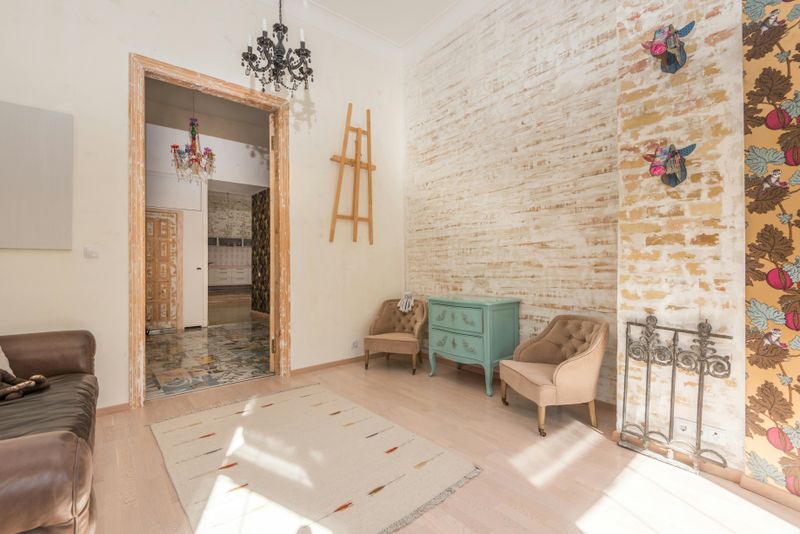
Buying an entire furniture set from one store might seem convenient, but it makes your home look like a showroom display.
Real, lived-in spaces develop character through mixing different styles, eras, and finishes.
Matching wood tones exactly throughout your home creates a flat, one-dimensional look.
Instead, aim for pieces that complement rather than duplicate each other.
Mix modern with vintage, pair different metals, and combine various textures.
The key is maintaining a cohesive color palette while varying everything else.
This approach creates spaces that feel curated and personal rather than staged and sterile.
7. Neglecting Window Treatments
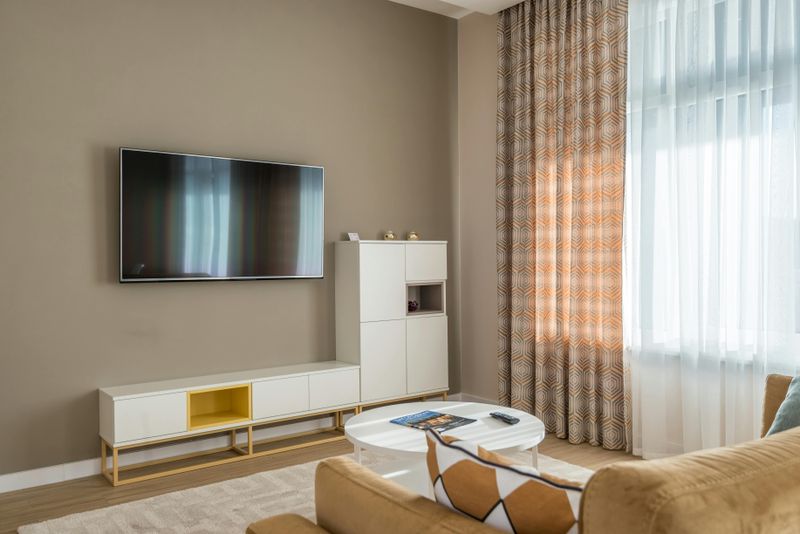
Bare windows or short, stubby curtains are missed opportunities that make rooms feel unfinished.
Curtains should hang from the ceiling down to the floor, not just frame the window opening.
Mounting rods close to the ceiling tricks the eye into seeing taller windows and higher ceilings.
The panels should be wide enough that when open, they don’t block the window glass.
Even inexpensive curtains hung properly make a bigger impact than fancy ones hung incorrectly.
Window treatments soften hard architectural lines and add essential texture to your walls.
They’re the finishing touch that separates decorated from done.
8. Forgetting About Traffic Flow
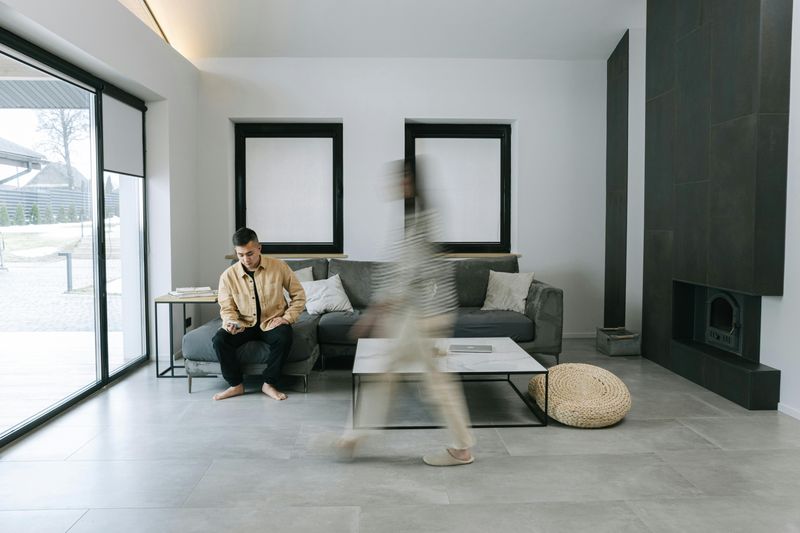
Beautiful furniture arrangements mean nothing if you’re constantly bumping into things or doing obstacle courses through your own home.
Main walkways need at least 30 to 36 inches of clearance for comfortable passage.
Around dining tables, allow 36 to 48 inches so people can pull out chairs without hitting walls or other furniture.
Before finalizing any furniture arrangement, physically walk through the space multiple times.
Consider how people will move from doorways to seating areas and between rooms.
Good traffic flow makes homes feel spacious and functional.
Sacrifice that extra chair if it blocks natural movement patterns.
9. Overdecorating with Too Many Accessories
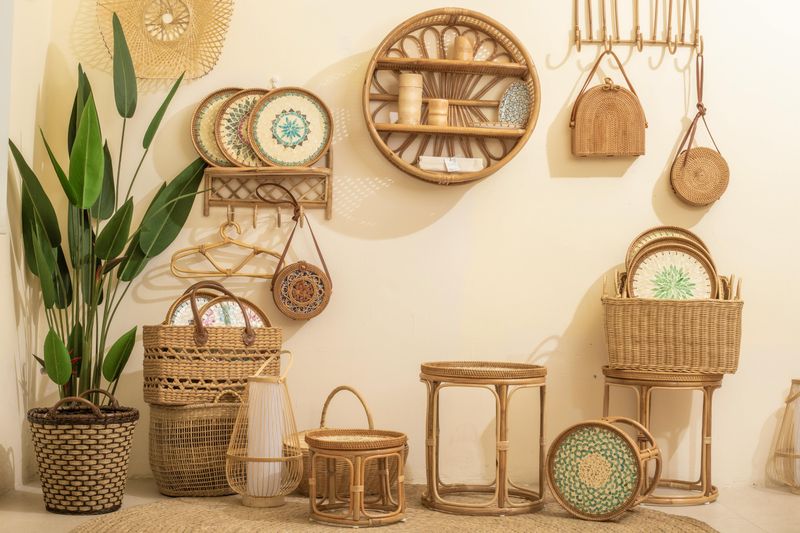
More isn’t always merrier when it comes to throw pillows, tchotchkes, and decorative objects.
Cluttered surfaces make even large rooms feel cramped and chaotic.
Every item in your home should either serve a purpose or bring you genuine joy.
Professional designers follow the rule of three: group objects in odd numbers for visual interest.
Leave empty space on shelves and tabletops so your eye has places to rest.
Negative space is just as important as the objects themselves.
Editing your accessories creates a cleaner, more sophisticated look that lets your best pieces shine without competing for attention.
10. Painting Before Choosing Furniture
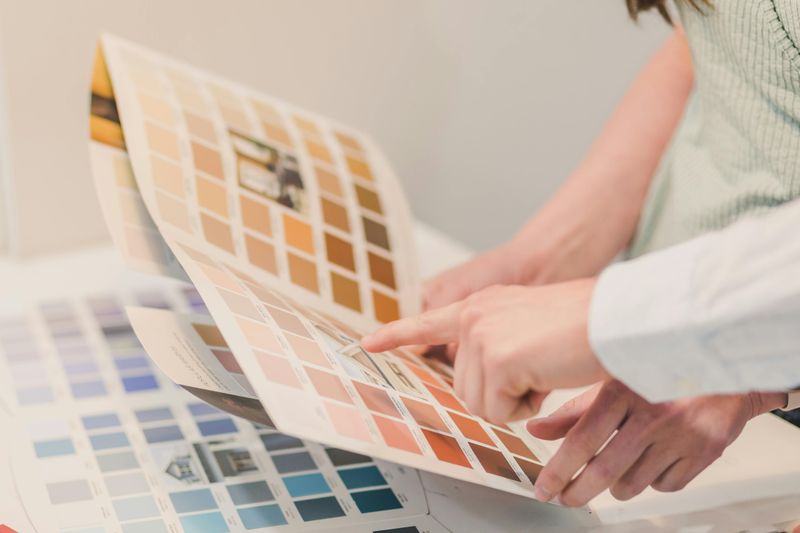
Countless homeowners paint their walls first, then struggle to find furniture that works with their color choice.
This backwards approach limits your options and often leads to compromise.
Paint comes in thousands of shades, but furniture and fabric selections are far more limited.
Start by selecting your major furniture pieces, rugs, and fabrics first.
Then choose paint colors that complement these larger investments.
It’s infinitely easier and cheaper to match paint to a sofa than the other way around.
Bringing fabric swatches to the paint store ensures perfect coordination and eliminates costly decorating mistakes before they happen.