 MomSkoop

Marrying someone older than you comes with its own unique set of experiences that many people never talk about openly. Age-gap relationships have become more common and accepted, but what is daily life actually like when your spouse has more years under their belt? Whether you’re considering this path or already living it, understanding the real dynamics can help you navigate your relationship with confidence and clarity.
1. Financial Stability Often Feels Like a Safety Net

Having a partner who’s already established in their career brings a certain peace of mind that’s hard to describe.
Bills get paid on time without the stress that younger couples often face.
There’s usually a home already purchased, retirement accounts growing, and emergency funds in place.
You might find yourself able to pursue passions or education without the same financial pressure.
However, this comfort can sometimes create an imbalance in decision-making power.
Money discussions require extra attention to ensure both partners feel equally valued.
The security is real, but maintaining your own financial independence matters just as much for a healthy partnership.
2. Different Energy Levels Can Challenge Your Social Life

Friday night might mean dancing until 2 AM for you, but your husband could be ready for bed by 10 PM.
This difference shows up everywhere—from weekend adventures to spontaneous road trips.
Your friends might invite you to music festivals while he prefers quiet dinners.
Finding middle ground becomes an ongoing conversation.
Some couples solve this by doing certain activities separately, which actually keeps the relationship fresh.
Others discover new hobbies that work for both energy levels.
The key is respecting that neither preference is wrong, just different.
Compromise and understanding turn this potential problem into an opportunity for personal growth and independence within your marriage.
3. He’s Already Done the Wild Years

Your husband probably isn’t interested in bar hopping or backpacking through hostels anymore.
He’s been there, done that, and collected the T-shirts along the way.
This means he brings a calm, settled energy to the relationship that can feel refreshing after dating younger guys.
There’s less drama and more stability.
But sometimes you might feel like you’re missing out on certain experiences that your peers are having.
You could want to explore and be spontaneous while he’s content staying home.
Balancing your need for adventure with his preference for routine requires honest communication about what you both need to feel fulfilled and happy together.
4. Conversations Go Deeper Than Surface Level

Your husband likely skips the small talk and gets straight to meaningful topics. Discussions about values, goals, and philosophy happen naturally.
He’s faced challenges that taught him important lessons he can share.
This depth can feel incredibly satisfying compared to relationships where conversations never go beyond weekend plans.
You learn from his perspective while offering your own fresh viewpoints.
The generational differences actually enrich your talks rather than limiting them.
However, you might occasionally feel like he’s lecturing rather than listening, so maintaining mutual respect in conversations remains essential for keeping that connection strong and balanced.
5. People Make Assumptions About Your Relationship

Strangers sometimes mistake your husband for your father, which gets awkward fast.
Friends might question your motives or assume you’re together for money.
Family members could express concern about the age difference.
These judgments sting, especially when your relationship is based on genuine love and compatibility.
Over time, you develop a thicker skin and learn to ignore outside opinions.
What matters is how you two feel about each other, not what the waiter thinks.
Some couples find humor in the assumptions, while others prefer keeping their relationship more private.
Either way, dealing with external judgment becomes part of your normal experience together.
6. His Past Includes More Complicated History

Your husband might have an ex-wife, grown children, or even grandchildren already in the picture.
This history isn’t something you can ignore or erase.
You’re joining an established family dynamic with its own rules and relationships.
Holidays might mean coordinating with his adult kids who are close to your age.
Financial obligations to previous families can affect your shared budget.
Emotional baggage from past relationships sometimes surfaces during conflicts.
Navigating these complexities requires maturity and patience from both of you.
The upside is that he’s learned from past mistakes and knows what makes relationships work, bringing valuable wisdom to your marriage that younger partners simply haven’t developed yet.
7. Health Concerns Enter the Picture Sooner

While you’re thinking about fitness trends, your husband might be managing blood pressure or joint pain.
Doctor appointments become more frequent and more serious.
You might face health scares that friends your age aren’t dealing with yet.
This reality can feel heavy and unfair at times.
Becoming a caregiver wasn’t necessarily part of your vision for your thirties or forties.
Yet many couples find that facing health challenges together actually strengthens their bond.
You learn to appreciate time together more fully.
Planning for the future includes difficult conversations about aging and mortality that most young couples postpone for decades, making your relationship surprisingly mature and grounded.
8. Pop Culture References Rarely Match Up

Your childhood cartoons are completely different from his.
Music preferences span different decades, and your idea of classic movies probably came out during his college years.
Inside jokes from your generation might get blank stares.
He references events you learned about in history class.
These differences can be charming and educational, giving you both chances to share your worlds.
You introduce him to current trends while he shares the context behind things you take for granted.
Sometimes, though, you just want someone who gets your references without explanation.
Finding shared interests that transcend generational gaps—like hiking, cooking, or travel—helps bridge the cultural divide between your experiences.
9. He’s More Set in His Ways

After living several decades a certain way, changing habits becomes harder.
Your husband has morning routines, dietary preferences, and lifestyle patterns deeply ingrained.
He might resist trying new restaurants or changing vacation spots.
His methods for handling tasks seem unnecessarily rigid to you.
This stubbornness can be frustrating when you want to shake things up or try different approaches.
On the flip side, his consistency provides structure and predictability.
You always know what to expect, which reduces certain kinds of relationship stress.
Learning to appreciate his stability while gently encouraging flexibility creates a balance that works for both of you over time.
10. Retirement Planning Dominates Financial Discussions

While your peers are buying first homes, you’re talking about retirement accounts and estate planning.
Your husband is thinking about leaving the workforce while you’re hitting your career stride.
This timing mismatch affects major life decisions.
Do you relocate for your job or his retirement dreams?
Financial advisors become regular parts of your life earlier than expected.
You’re making decisions about long-term care and inheritance while still feeling young yourself.
These conversations require maturity and forward thinking that can feel overwhelming.
However, being financially prepared and having clear plans provides security that many couples lack, giving you both peace of mind about the future together.
11. Your Timeline for Children Might Not Align

If you want kids, the conversation gets complicated quickly.
Your husband might already have grown children and feel done with that chapter.
He could worry about being an older dad or lacking energy for young kids.
Meanwhile, your biological clock is ticking with urgency.
This difference can become a major source of conflict if not addressed early and honestly.
Some couples find creative solutions like adoption or embracing a child-free lifestyle together.
Others realize this incompatibility is a dealbreaker.
Having these difficult conversations before marriage is crucial because compromising on children rarely works long-term for either partner’s happiness and fulfillment in the relationship.
12. Wisdom and Patience Replace Drama
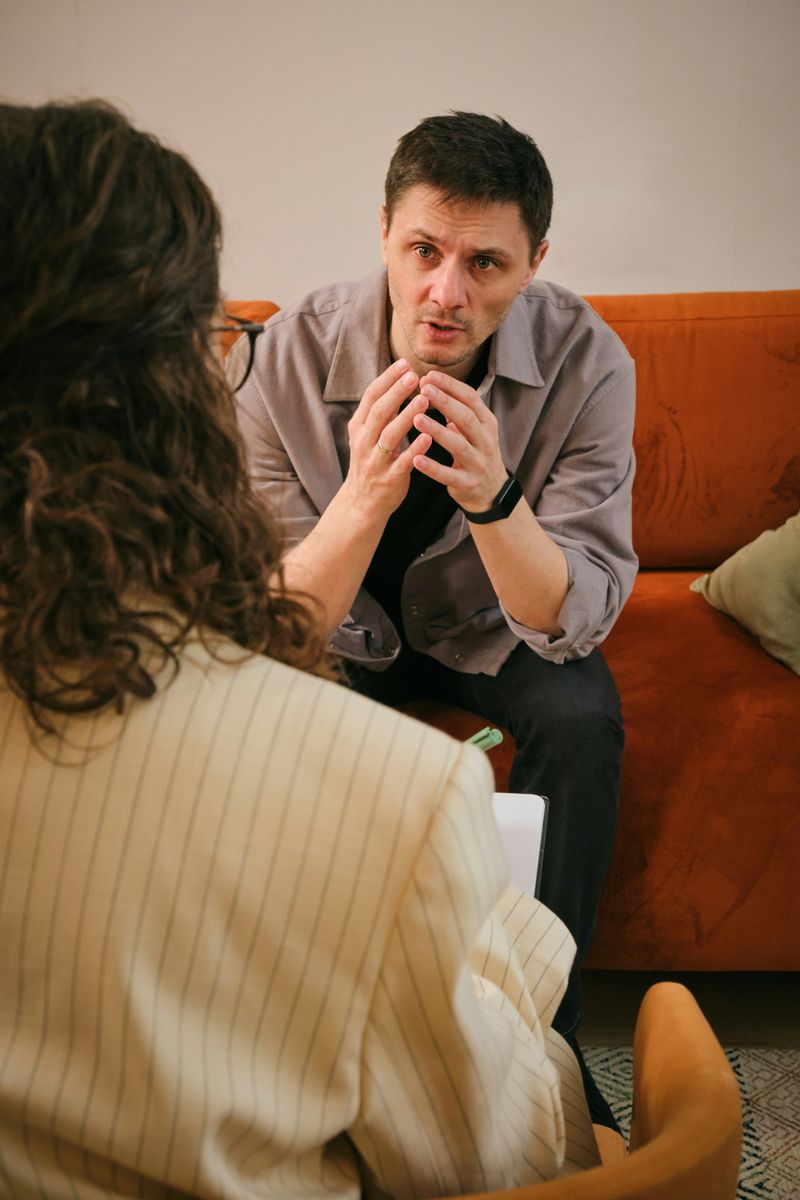
Arguments look different when your partner has decades of conflict resolution experience.
Your husband probably doesn’t yell or slam doors.
He’s learned that problems get solved through calm discussion rather than emotional outbursts.
This maturity can feel like a breath of fresh air.
He knows how to apologize genuinely and doesn’t hold grudges.
Petty jealousy and insecurity are largely absent from your relationship.
You spend less time on unnecessary drama and more on actually enjoying each other’s company.
This peaceful dynamic is often what draws younger women to older men in the first place, creating a stable foundation that makes everyday life significantly more pleasant.
13. The Future Includes Facing Loss Earlier

Nobody wants to think about becoming a widow, but the reality sits in the back of your mind.
Statistics suggest you’ll likely spend years alone after your husband passes.
Friends your age will still have their partners.
This awareness can create underlying anxiety about the future.
Some women find this thought paralyzing, while others decide that quality matters more than quantity.
You might face caring for an aging spouse while you’re still relatively young yourself.
These difficult realities require emotional strength and support systems beyond your marriage.
Yet many women say the love and partnership they experience makes these future challenges worthwhile, choosing present happiness over fears about what might come.