 MomSkoop

Changing what you eat can completely transform how your body works from the inside out. When protein takes center stage and carbs move to the sidelines, your system responds in some pretty fascinating ways.
Understanding these changes helps you make smarter choices about your meals and what might work best for your health goals.
1. Your Appetite Takes a Nosedive

Protein has this amazing superpower of making you feel satisfied for hours after eating.
Unlike carbs that digest quickly and leave you hunting for snacks, protein sticks around in your stomach longer.
Your brain gets signals that you’re full, so those constant hunger pangs start disappearing.
Many people notice they naturally eat less throughout the day without even trying.
This happens because protein affects hormones like ghrelin and leptin that control hunger.
Your body basically becomes better at recognizing when it’s had enough food.
Cravings for sugary treats often fade away too.
2. Fat Burning Kicks Into High Gear

With fewer carbs available, your body starts looking elsewhere for energy.
It turns to stored fat as its primary fuel source, kind of like switching from regular gas to reserves.
This metabolic shift is called ketosis when taken to the extreme.
Your liver begins breaking down fat into molecules called ketones.
These ketones travel through your bloodstream powering your muscles and brain.
People often notice their clothes fitting differently as body composition changes.
The scale might not drop dramatically at first, but measurements tell a different story.
3. Muscle Mass Gets Protected and Built

Protein acts like a construction crew constantly repairing and building muscle tissue.
When you eat enough of it, your body has all the amino acids needed for muscle maintenance.
This becomes especially important if you’re exercising or trying to lose weight.
Without adequate protein, your body might break down muscle for energy instead of fat.
Athletes and active people notice better recovery times between workouts.
Your muscles feel stronger and more defined over time.
Even older adults can maintain their strength better with higher protein intake.
4. Blood Sugar Levels Become More Stable

Carbs cause your blood sugar to spike and crash like a rollercoaster ride.
Protein, on the other hand, creates gentle waves instead of wild swings.
Your pancreas doesn’t have to work overtime pumping out insulin constantly.
This steadiness means you avoid that awful mid-afternoon energy crash.
People with prediabetes or type 2 diabetes often see improvements in their glucose readings.
Your mood stays more even throughout the day without the sugar-fueled ups and downs.
Mental clarity improves because your brain gets consistent fuel.
5. Your Metabolism Gets a Temporary Boost

Digesting protein actually burns more calories than processing carbs or fats.
This phenomenon is called the thermic effect of food, and protein wins by a landslide.
Your body uses about 20-30% of protein calories just breaking it down.
Compare that to only 5-10% for carbs and 0-3% for fats.
This means eating protein slightly increases your total daily calorie burn.
While it won’t replace exercise, every little bit helps when managing weight.
Think of it as a small bonus that adds up over time.
6. Water Weight Drops Quickly at First
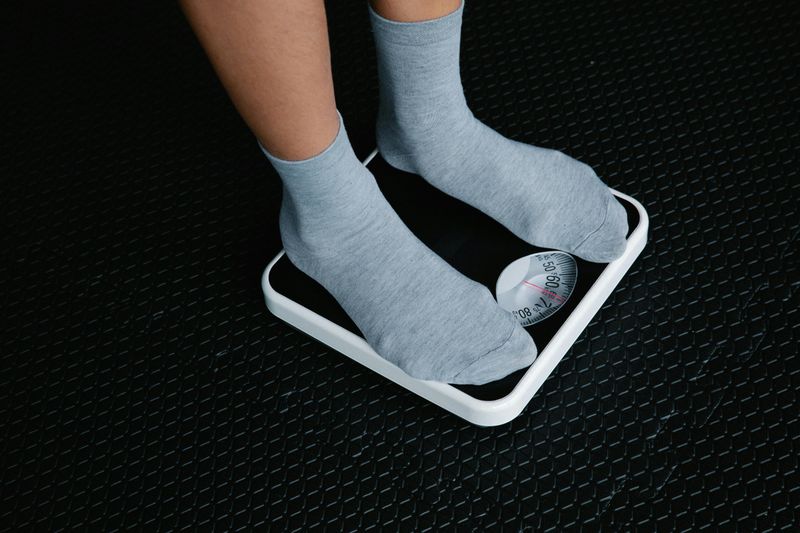
Carbohydrates hold onto water in your muscles and liver, about 3 grams of water per gram of carbs.
When you cut back on carbs, your body releases this stored water rapidly.
The first week often brings dramatic scale changes that are mostly water loss.
Your rings might fit looser and your face may look less puffy.
This isn’t true fat loss yet, but it can be motivating to see quick results.
Just remember to drink plenty of fluids to stay properly hydrated.
The initial whoosh eventually slows down to steadier progress.
7. Brain Fog Might Cloud Your Thinking Initially

Your brain loves running on glucose, which comes primarily from carbohydrates.
When you suddenly reduce carbs, there’s an adjustment period that can feel rough.
Some people experience what’s nicknamed the low-carb flu with headaches and fuzzy thinking.
Concentration becomes harder and you might feel mentally sluggish for a few days.
This temporary phase usually passes within a week as your body adapts.
Eventually, your brain learns to efficiently use ketones for fuel instead.
Many people report even sharper focus once they’re fully adapted.
8. Digestive Changes Might Surprise You

Switching to more protein and fewer carbs changes what’s happening in your gut.
Some people get constipated because they’re missing the fiber that often comes with carbs.
Others actually feel better because they’re eating fewer processed foods that caused bloating.
Your gut bacteria population shifts based on what you’re feeding it.
Adding vegetables and drinking more water helps keep things moving smoothly.
Pay attention to how your stomach feels and adjust your fiber sources accordingly.
Everyone’s digestive system responds a bit differently to dietary changes.
9. Kidney Function Comes Under Scrutiny
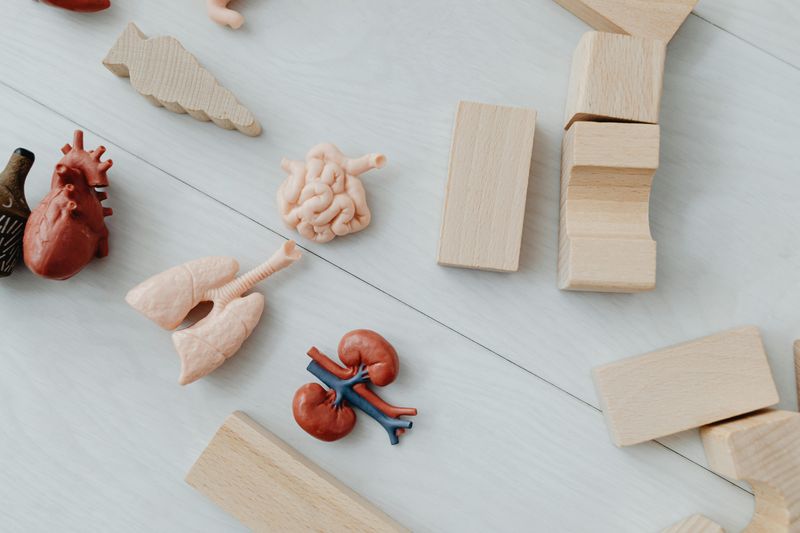
Your kidneys work hard filtering out waste products from protein breakdown.
For healthy people, this extra work isn’t usually a problem at all.
However, anyone with existing kidney issues should definitely talk to their doctor first.
Drinking plenty of water helps your kidneys flush out nitrogen waste efficiently.
Most research shows healthy kidneys handle higher protein just fine long-term.
The scary stories about protein damaging kidneys mostly apply to people already sick.
Still, staying hydrated is crucial when eating more protein than usual.
10. Energy Levels Fluctuate Before Stabilizing

Expect your energy to feel unpredictable during the first couple of weeks.
Your body is essentially learning to run on a different type of fuel.
Some days you might feel tired and sluggish, especially during workouts.
Your muscles are adjusting to burning fat instead of quickly available carbs.
Athletic performance often dips temporarily before bouncing back stronger.
Once adapted, many people report steady energy throughout the day without crashes.
Patience is key during this transition period as your metabolism rewires itself.
11. Bone Health Might Need Extra Attention

High protein intake increases calcium excretion through your urine slightly.
This has led to concerns about bone health over many years.
However, recent research suggests protein actually supports bone strength when calcium intake is adequate.
The key is making sure you’re getting enough calcium from dairy, leafy greens, or supplements.
Protein helps your body absorb calcium and build bone tissue effectively.
Older adults especially benefit from adequate protein for maintaining bone density.
Balance is the secret—protein plus calcium together create the best outcome.
12. Bad Breath Becomes an Unwelcome Guest

When your body produces ketones from burning fat, some escape through your breath.
This creates a distinctive fruity or metallic smell that others might notice.
It’s a sign your body is in fat-burning mode, but it’s not exactly pleasant.
Brushing your teeth more often and using mouthwash helps mask the odor.
Drinking extra water dilutes the ketones and reduces the smell somewhat.
Sugar-free gum or mints become your new best friends.
The good news is this side effect often decreases as your body becomes fully adapted.