 MomSkoop

Parenting is one of the toughest jobs in the world, and even the most loving, well-intentioned parents can accidentally encourage the very behaviors they’re trying to stop. Sometimes, small everyday habits—like how we respond to tantrums or set rules—can unintentionally make kids act out more.
Understanding these common mistakes can help you create a calmer, happier home where everyone feels heard and respected.
1. Inconsistent Rules and Boundaries

When bedtime is 8 p.m. on Monday but 10 p.m. on Tuesday, children get confused about what’s actually expected.
Kids thrive on predictability because it helps them feel safe and understand how the world works.
If rules shift depending on your mood or energy level, they’ll test boundaries constantly to figure out what’s real.
Consistency doesn’t mean being rigid—it means following through on what you say.
Write down key rules if it helps you stay on track.
Over time, steady expectations teach kids that their actions have predictable results, which naturally reduces acting out.
2. Giving Too Much Attention to Misbehavior

Ever notice how a child who’s quietly playing gets ignored, but the moment they throw a toy, everyone comes running?
Even negative attention—like scolding, lecturing, or arguing—can feel rewarding to a child who craves connection.
Kids quickly learn that misbehavior gets a bigger reaction than good behavior.
Psychologists call this unintentional reinforcement.
Instead, try giving brief, calm consequences and then shifting your focus back to positive moments.
The more attention you give to what’s going right, the less kids will need to act out to be seen.
3. Not Following Through on Consequences
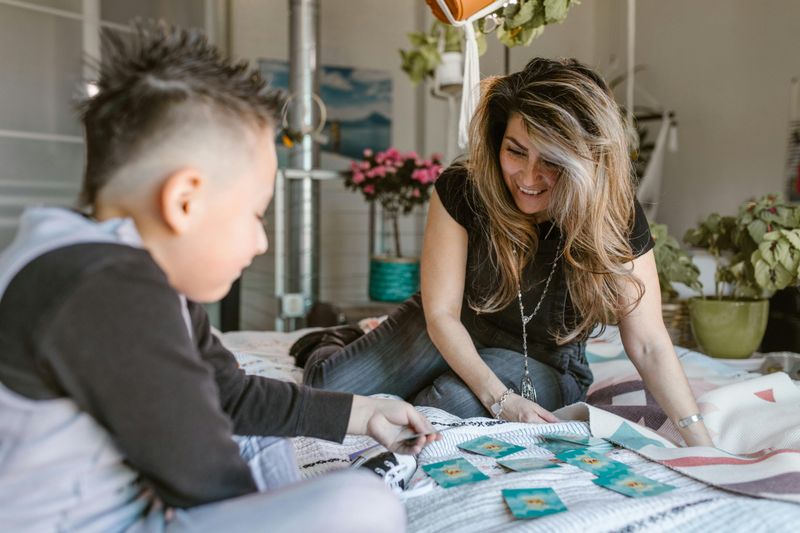
You said no screen time if homework isn’t done, but then you gave in after ten minutes of whining.
Sound familiar? When consequences aren’t enforced, kids learn that rules are negotiable and that persistence pays off.
This teaches them to push harder next time.
Following through doesn’t mean being harsh—it means being reliable.
If you set a limit, stick to it calmly and kindly.
Kids need to trust that your words match your actions.
That trust actually makes them feel more secure and less likely to test you constantly.
4. Overreacting Emotionally

Yelling, crying, or losing your temper might feel like a release, but it often makes things worse.
Big emotional reactions can scare kids or teach them that drama is how problems get solved.
Some children even find the intensity exciting and will act out again just to see the fireworks.
Staying calm doesn’t mean you’re not upset—it means you’re modeling emotional control.
Take a breath, step away if needed, and respond when you’re ready.
Your calm energy helps your child calm down too, breaking the cycle of escalation.
5. Lack of Positive Reinforcement

Imagine working hard on something and no one notices. You’d probably stop trying, right?
Kids feel the same way.
When good behavior goes unnoticed, they may decide it’s not worth the effort.
Negative behavior, on the other hand, almost always gets a reaction.
Catch your child doing something right—even small things like sharing or using a calm voice.
A simple smile, high-five, or verbal praise goes a long way.
Positive reinforcement doesn’t spoil kids; it motivates them to keep making good choices.
6. Unclear Expectations

Telling a child to behave or be good sounds clear, but what does it actually mean?
Vague instructions leave kids guessing, and when they guess wrong, they get in trouble for something they didn’t fully understand.
Instead, be specific: Use your inside voice, put your shoes by the door, or sit while you eat.
Clear expectations remove confusion and set kids up for success.
They’re more likely to cooperate when they know exactly what you want.
Think of it like giving directions—details matter.
7. Ignoring Emotional or Physical Needs

A hungry, tired, or overstimulated child is a ticking time bomb.
Kids don’t always have the words to say they’re uncomfortable, so their bodies do the talking—through whining, tantrums, or defiance.
Before jumping to discipline, check in: When did they last eat?
Are they overtired?
Did they just spend two hours in a loud, crowded place?
Meeting basic needs first can prevent meltdowns altogether.
Pack snacks, build in quiet time, and watch for signs of sensory overload.
A little prevention goes a long way.
8. Overusing No or Constant Criticism

If every other sentence is don’t do that or stop it, kids start tuning you out.
Constant negativity can make children feel like they can’t do anything right, leading to resentment or rebellion.
Instead of always saying no, try redirecting: Instead of climbing on the couch, let’s build a fort on the floor.
Positive language keeps communication open and cooperative.
Kids respond better when they feel guided rather than criticized.
Save your no for the big stuff, and watch how much more they listen.
9. Not Offering Choices or Autonomy
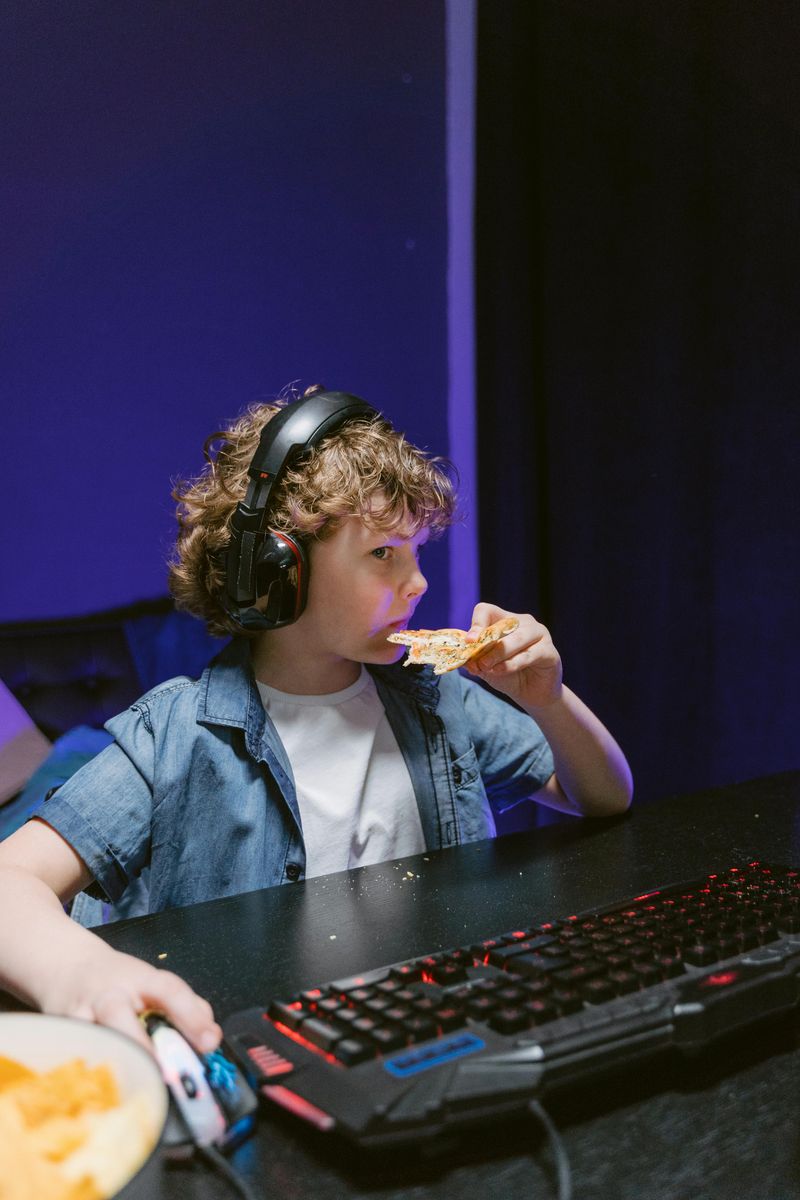
Nobody likes feeling powerless, especially kids who are still figuring out their place in the world.
When every decision is made for them, children may push back through defiance or tantrums.
Offering simple choices—like which shirt to wear or whether to have carrots or cucumbers—gives them a sense of control.
It’s not about letting them run the show; it’s about respecting their growing independence.
Choices teach decision-making and reduce power struggles.
A little autonomy can lead to a lot more cooperation.
10. Modeling Stress or Impatience

Kids are like sponges—they soak up everything you do, not just what you say.
If you’re constantly stressed, snapping at people, or losing patience, don’t be surprised when your child does the same.
They learn how to handle emotions by watching you.
Modeling calm, patience, and healthy coping strategies teaches them how to manage their own big feelings.
It’s okay to be human and make mistakes—just own them and show how you recover.
Your behavior is their blueprint.