 MomSkoop
Growing up in the ’70s, ’80s, and ’90s meant navigating a whole new world of health food trends that promised better living through questionable nutrition science.
Gen Xers sat down to dinner tables filled with foods their parents swore were healthier alternatives to traditional favorites.
Many of these so-called superfoods have since been debunked or replaced by newer science, but they remain etched in memory as the taste of good intentions gone wrong.
1. Carob: The Chocolate Impostor
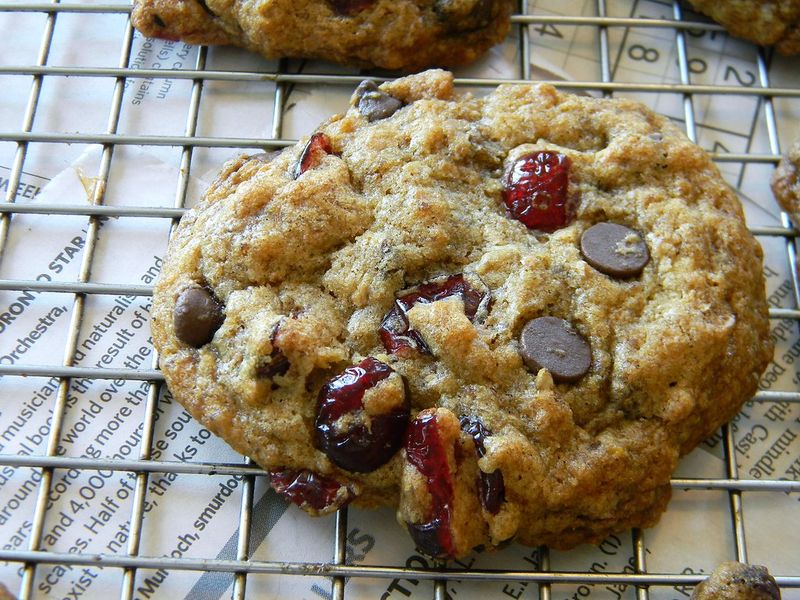
Every Gen X kid remembers the disappointment of biting into what looked like a chocolate chip cookie, only to discover the bitter truth of carob.
Parents swapped real chocolate for this bean-based substitute, convinced it was healthier because it contained less sugar and fat.
The flavor never quite matched up, leaving kids everywhere feeling betrayed by brown chips that promised joy but delivered sadness.
Carob came from the carob tree and was marketed as naturally sweet and caffeine-free.
Health food stores stocked carob everything: chips, bars, and powder.
Despite its supposed benefits, most kids could spot the difference immediately and weren’t fooled by the switch.
2. Sesame-and-Honey Candy Squares

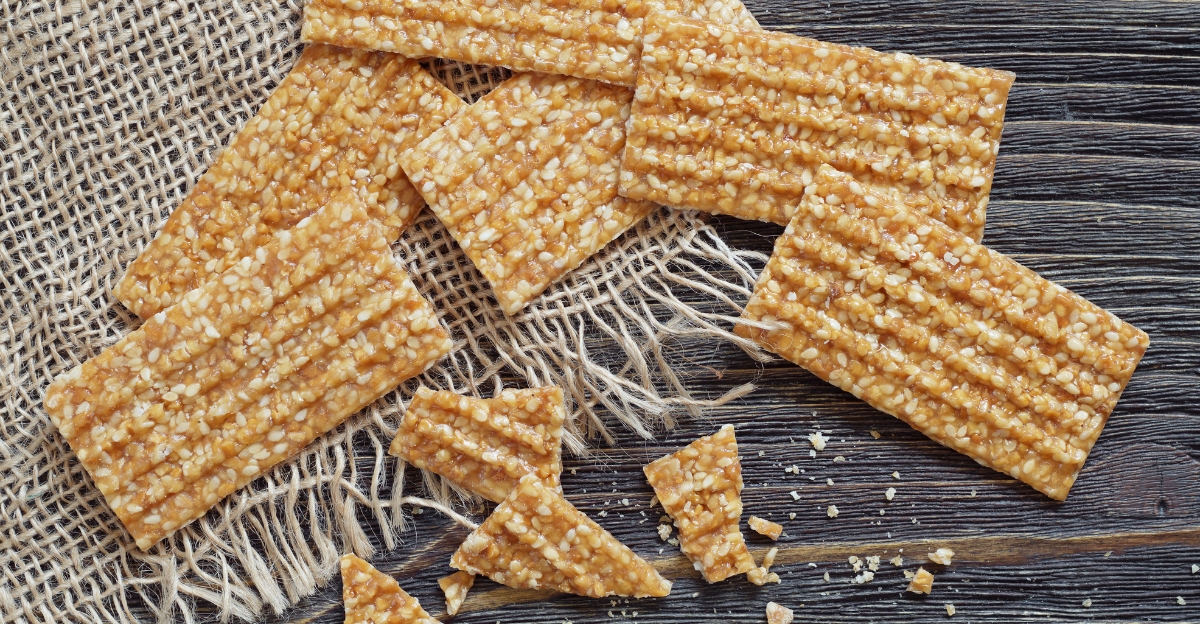
Health food stores in the ’70s and ’80s proudly displayed golden blocks of sesame seeds held together with honey, calling them nutritious treats.
These sticky squares were sold as wholesome alternatives to candy bars, packed with protein and natural sweetness.
Parents felt virtuous handing these out, believing they were making smart snacking choices for their children.
The reality?
These bars were basically sugar bombs disguised as health food.
Honey is still sugar, and the calorie count often matched or exceeded regular candy.
Plus, they had an uncanny ability to cement themselves to your teeth, making every bite a dental adventure that lasted well beyond the initial chewing.
3. Vegetable Juice Cleanses
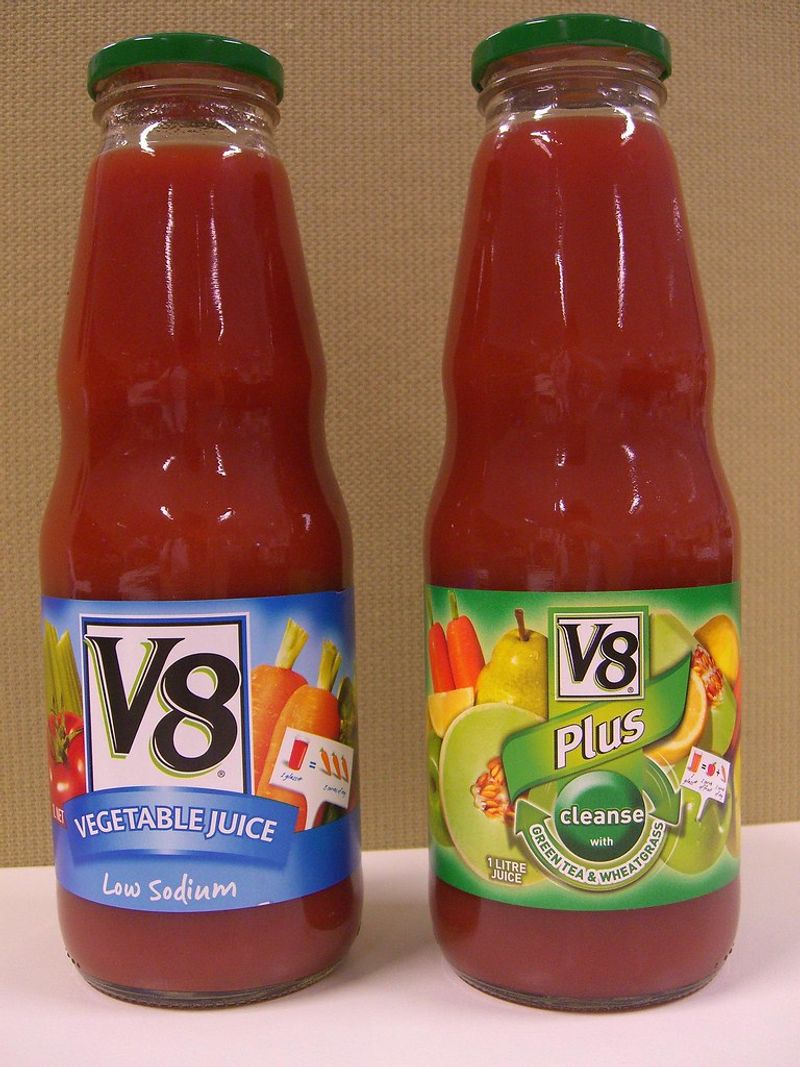
Long before green juice became an Instagram trend, Gen X parents were gulping down thick vegetable juice blends that tasted like liquid salad.
V8 and similar concoctions promised a full serving of vegetables in every can, making them the original meal replacement drinks.
Some folks even attempted homemade juice cleanses, believing that flooding the body with vegetable juice would flush out toxins and restore health.
These drinks were loaded with sodium and often contained added sugars to make them palatable.
The whole concept of juice cleanses lacked scientific backing, but that didn’t stop health-conscious adults from enthusiastically embracing the trend and occasionally forcing it upon their skeptical children.
4. Egg Whites and Egg Substitutes

Scrambled eggs suddenly became suspicious when nutritionists declared war on cholesterol in the yolk.
Gen X breakfast tables saw the rise of pale, rubbery egg white omelets and mysterious yellow liquids poured from cartons labeled as egg substitutes.
Parents dutifully separated eggs, tossing the flavorful yolks down the drain while cooking up the bland whites, convinced they were protecting their families from heart disease.
Egg Beaters became a household name, offering convenience alongside supposed health benefits.
The irony is that egg yolks contain most of the egg’s nutrients, including vitamins and healthy fats.
Modern science has mostly cleared whole eggs, but an entire generation grew up thinking the best part was actually the worst.
5. Skim Milk: The Watery Disappointment
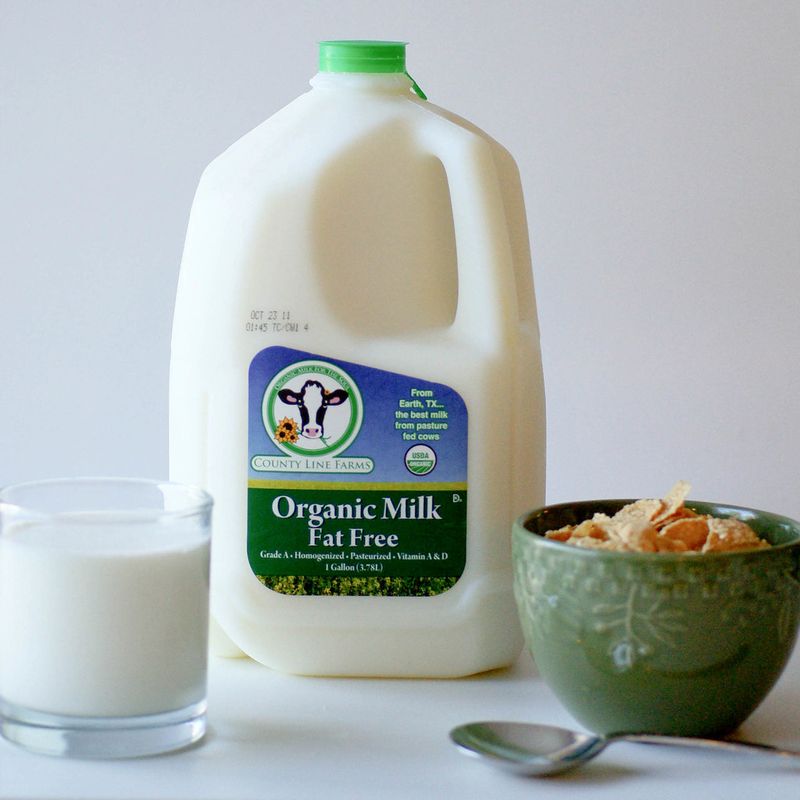
Fat became public enemy number one, and whole milk was an early casualty of the low-fat craze.
Refrigerators across America suddenly stocked bluish-white liquid that resembled milk but tasted like water with a vague dairy memory.
Families were told that removing the fat made milk healthier, ignoring the fact that fat helps your body absorb vitamins and keeps you feeling satisfied.
Cereal floated sadly in bowls of skim milk while kids everywhere missed the creamy richness of the real thing.
Schools switched to serving only low-fat or non-fat milk options.
Decades later, research suggests that full-fat dairy might actually be better for you, making this sacrifice seem particularly pointless in hindsight.
6. Tofu: The Protein Nobody Wanted
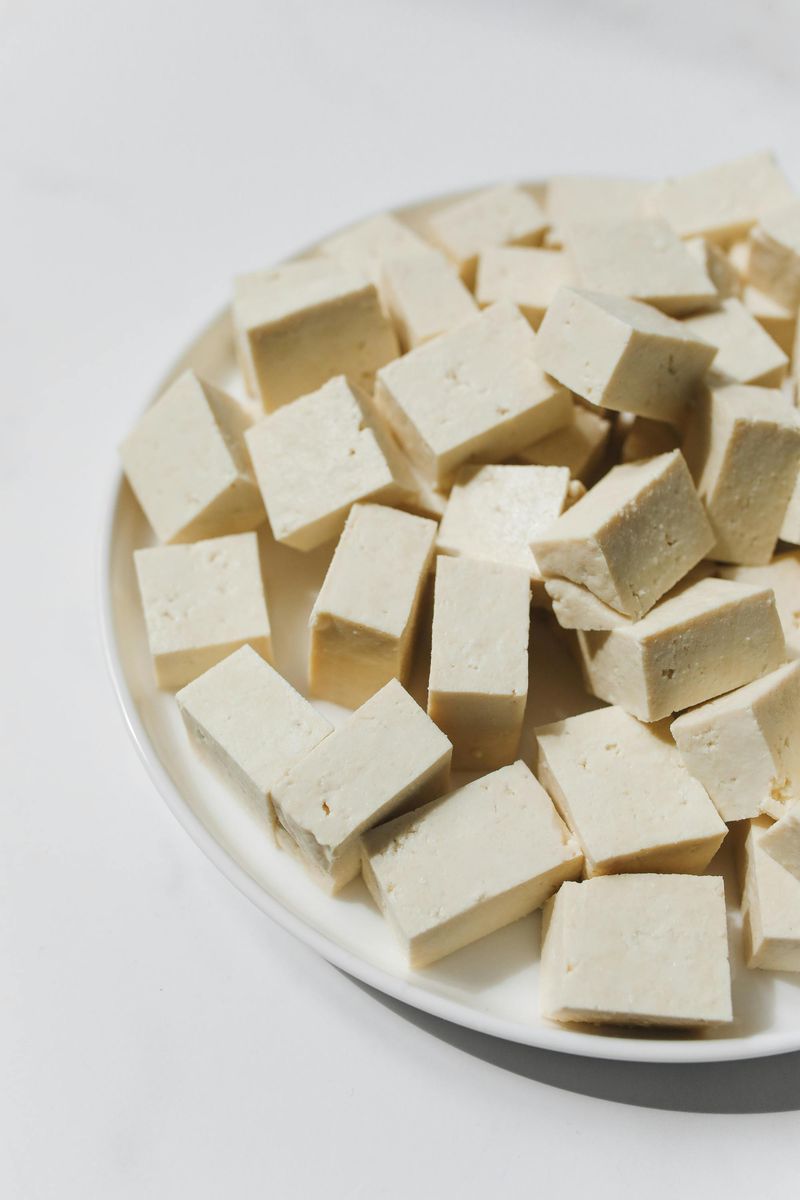
White, jiggly blocks of tofu appeared in Gen X kitchens as the miracle protein that would revolutionize healthy eating.
Derived from soybeans, tofu was praised for being low in calories and high in protein while containing no cholesterol.
Parents experimented with countless recipes, trying desperately to make this flavorless sponge appealing to children who just wanted chicken nuggets.
Tofu scrambles, tofu burgers, and tofu stir-fries became regular dinner experiments, often with disastrous results.
Without proper seasoning and preparation, tofu tastes like absolutely nothing, which is exactly what most kids thought of it.
While tofu has its place in cuisine when prepared correctly, the bland, undercooked versions served in many households left lasting trauma.
7. Margarine: The Butter Betrayal

Butter vanished from many Gen X households, replaced by tubs of spreadable margarine in the name of heart health.
Made from vegetable oils, margarine was marketed as a healthier alternative because it contained no cholesterol and less saturated fat.
Commercials promised that you couldn’t believe it wasn’t butter, but everyone absolutely could tell the difference.
The plastic texture and artificial taste never quite matched the real thing, especially when melted on toast or corn.
What nobody mentioned was that margarine was loaded with trans fats, which turned out to be far worse for your heart than butter ever was.
This spectacular backfire in nutrition advice left an entire generation feeling foolish for years of eating what was essentially flavored oil.
8. Wheat Germ Sprinkled Everywhere

Small jars of toasted wheat germ appeared in pantries, ready to be sprinkled onto anything that would hold still long enough.
This nutty-tasting powder was the nutritional fairy dust of the health food movement, added to yogurt, cereal, smoothies, and baked goods.
Parents believed that wheat germ’s vitamins, minerals, and fiber would transform any meal into a nutritional powerhouse.
The slightly bitter taste and grainy texture didn’t always improve dishes, but that didn’t stop determined health enthusiasts from sprinkling away.
Wheat germ does contain beneficial nutrients, but the small amounts typically used didn’t make much nutritional difference.
Still, having that jar in the cupboard signaled that you were serious about healthy eating, even if nobody actually enjoyed eating it.
9. Rice Cakes: Styrofoam Snacks
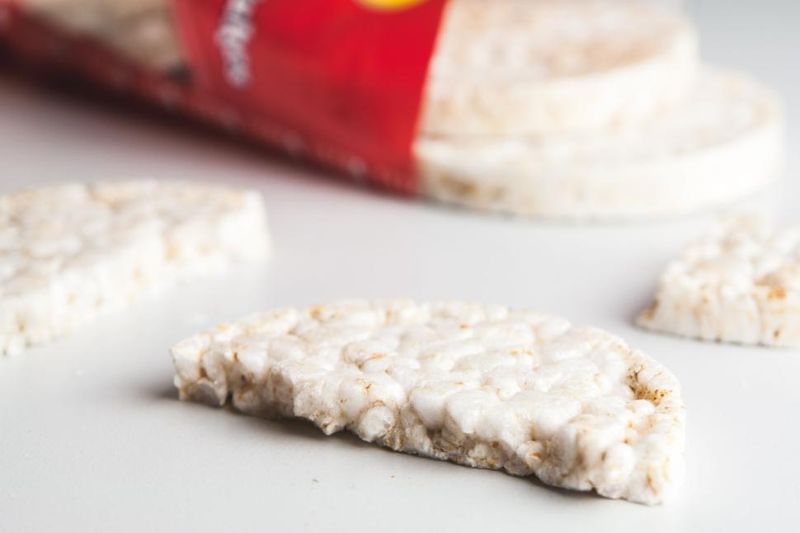
Crunchy, bland, and resembling packing material, rice cakes became the quintessential diet snack of the ’80s and ’90s.
These airy discs were celebrated for being fat-free and low in calories, making them the perfect guilt-free munch.
Dieters everywhere kept stacks of rice cakes on hand, munching through them while dreaming of potato chips and cookies.
The problem was that rice cakes were nutritionally empty and left you hungry ten minutes later.
They ranked high on the glycemic index, causing blood sugar spikes that actually made you hungrier.
Despite tasting like crunchy air with a hint of cardboard, rice cakes flew off shelves.
Flavored varieties tried to improve things, but even caramel and chocolate couldn’t save this disappointing snack.
10. Shake ‘N Bake: Oven-Fried Fantasy
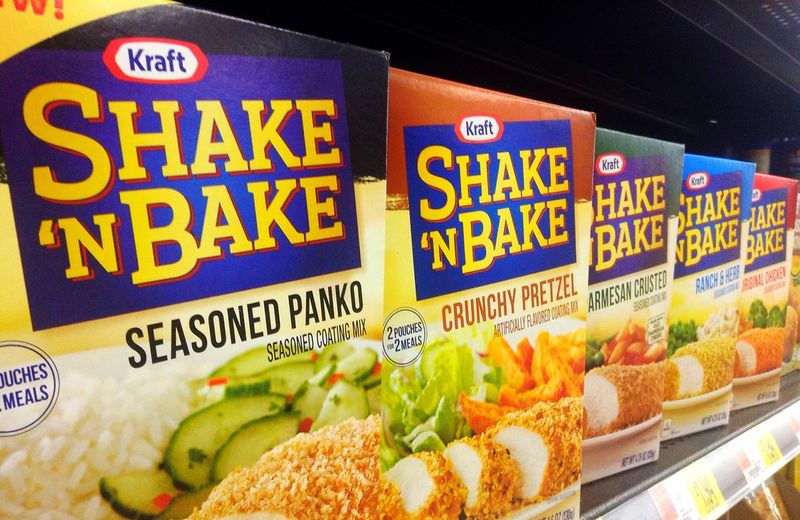
Crispy fried chicken was declared too unhealthy, so Shake ‘N Bake arrived to save dinner with its promise of oven-baked crunch.
Kids got to help by shaking chicken pieces in bags filled with seasoned breadcrumbs, then watching them bake instead of fry.
Commercials insisted this was just as good as the real thing while being much better for you because it used less oil.
The coating never quite achieved the satisfying crispiness of actual fried chicken, often turning out somewhat soggy or falling off in patches.
While it did reduce fat content compared to deep frying, the high sodium levels and processed ingredients weren’t exactly health food.
Still, it felt like a reasonable compromise for families trying to eat better without giving up their favorite flavors completely.
11. Bran Muffins: Fiber-Packed Bricks

Dense, dark, and loaded with fiber, bran muffins became the breakfast of choice for health-conscious Gen Xers and their parents.
Coffee shops and bakeries proudly displayed these hefty muffins, often studded with raisins and promising to keep your digestive system running smoothly.
They were positioned as the responsible alternative to donuts and Danish pastries, the breakfast that proved you were an adult who made sensible choices.
Despite their healthy reputation, many bran muffins were actually calorie bombs packed with sugar and oil to make all that fiber palatable.
A single muffin could contain as many calories as several donuts.
The fiber content was real, though, sometimes working a little too well and sending people scrambling.
12. Veggie Burgers: Garden Disappointment
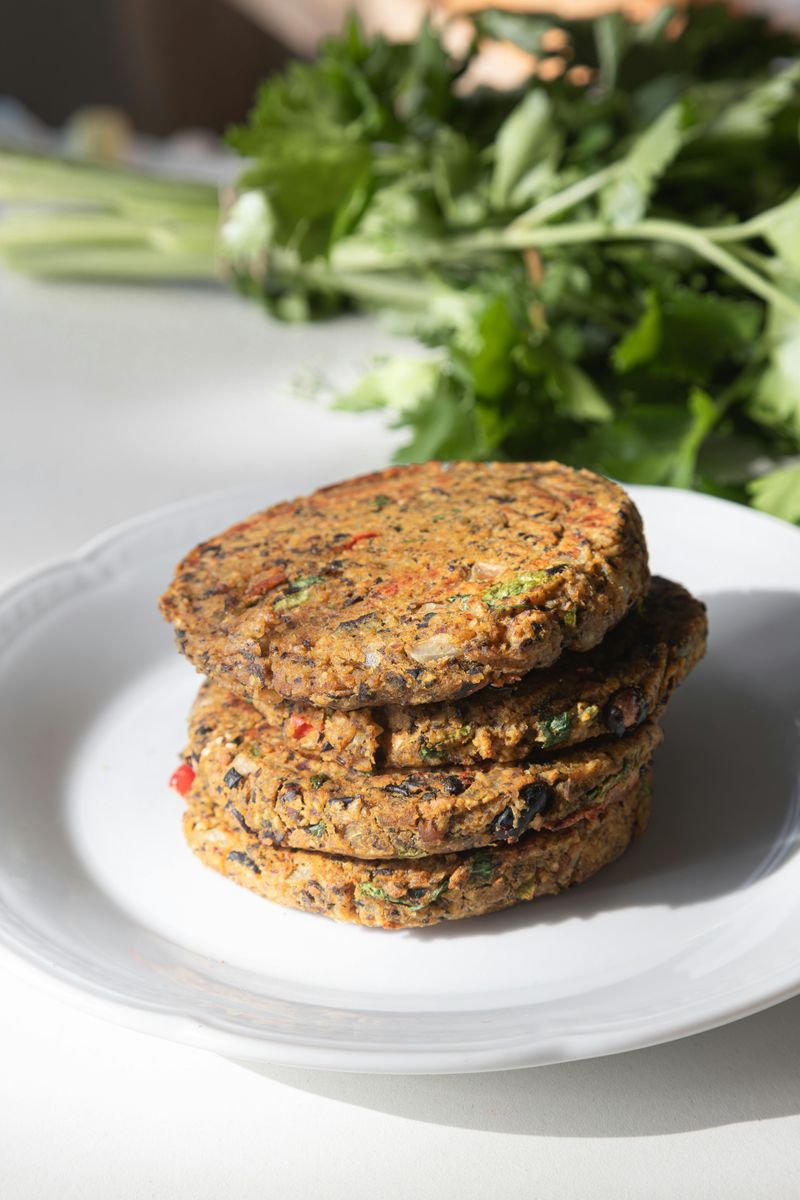
Frozen veggie patties promised to deliver burger satisfaction without the meat, appealing to health-conscious families trying to reduce their intake of red meat.
These discs of compressed vegetables, grains, and mysterious binding agents were grilled up and served on buns, often fooling absolutely nobody.
Early versions were particularly notorious for their mushy texture and flavor profiles that ranged from vaguely vegetable-like to completely unidentifiable.
Kids poked at them suspiciously while parents insisted they were delicious and much healthier than beef.
The patties often fell apart during cooking or stuck to the grill in frustrating ways.
While modern veggie burgers have improved dramatically, those early attempts left many Gen Xers with lasting skepticism about plant-based meat alternatives.
13. Low-Fat Everything
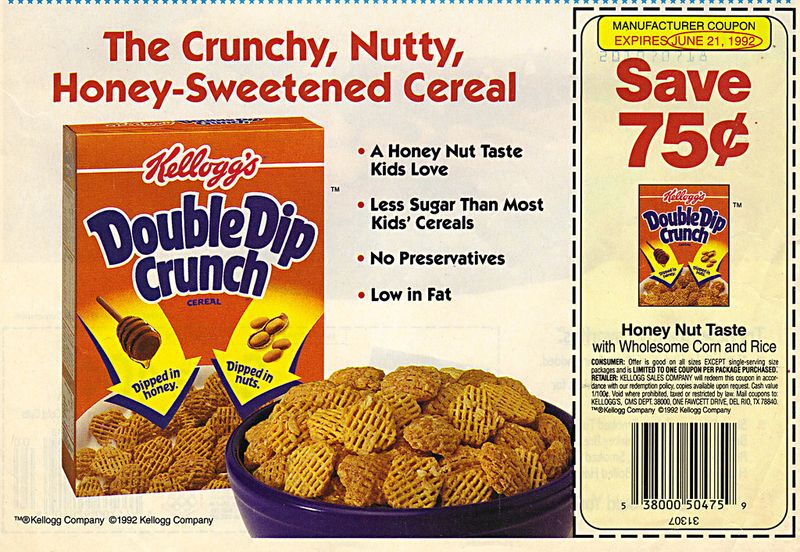
Entire grocery store aisles transformed as manufacturers slapped low-fat labels on everything imaginable: cookies, chips, cheese, ice cream, and salad dressing.
The message was clear and simple: fat makes you fat, so removing it makes food healthy.
Families filled their carts with these products, believing they could eat more as long as the fat content was reduced or eliminated.
What got lost in translation was that removing fat often meant adding sugar, salt, and artificial ingredients to maintain flavor and texture.
Low-fat foods frequently left people unsatisfied and hungrier, leading to overeating.
The low-fat craze also demonized healthy fats that bodies actually need.
This massive dietary experiment failed spectacularly, but not before an entire generation grew up eating bland, unsatisfying versions of their favorite foods.