 MomSkoop

Marriage is a journey that comes with highs and lows, and sometimes doubts creep in.
When a man starts questioning whether he married the right person, certain patterns begin to stand out in his mind.
Understanding these focus points can shed light on what might be missing or misaligned in the relationship, and possibly open doors to healing and growth.
1. Lack of Emotional Connection

When someone feels emotionally distant from their partner, it can be one of the most painful experiences in a marriage.
A husband might notice that conversations feel shallow or that his wife doesn’t really listen when he shares his thoughts and feelings.
He may feel invisible in his own home, as though his emotions don’t matter or aren’t valued.
This sense of being unheard or unseen creates a wall between two people who should be closest.
Over time, the absence of emotional support makes him wonder if they were ever truly compatible.
Without that deep connection, everything else in the relationship starts to feel hollow and unfulfilling.
2. Constant Communication Issues

Ever notice how some couples seem to speak entirely different languages even when using the same words?
Communication breakdowns can turn even simple conversations into battlegrounds filled with misunderstandings and hurt feelings.
Arguments become more frequent, and resolution feels impossible because neither person feels truly heard.
Some couples fall into patterns of avoidance, where important topics are swept under the rug to prevent another fight.
A husband stuck in this cycle might start believing his wife just doesn’t get him.
The frustration builds, and what should be teamwork starts feeling like constant opposition, leaving both partners exhausted and disconnected from one another.
3. Mismatch in Long-Term Goals

Picture two people rowing a boat in completely different directions—that’s what happens when life goals don’t align.
One partner might dream of climbing the corporate ladder while the other values a simpler, slower lifestyle.
Disagreements about money management, whether to have children, or where to live can create serious tension.
These aren’t small issues that fade away; they’re fundamental differences that shape the entire future.
A man facing this reality may feel trapped between his own dreams and his commitment to the marriage.
When compromise feels impossible and neither person wants to sacrifice their vision, doubt naturally creeps in about whether they chose the right life partner.
4. Different Values or Moral Priorities

What matters most to you?
That question reveals a person’s core values, and when couples clash on fundamental beliefs, the relationship suffers deeply.
Maybe one person prioritizes family time above everything, while the other puts career success first. Perhaps their views on honesty, loyalty, or even how to treat others don’t match up.
These moral differences aren’t just about disagreeing on small matters—they reflect who someone is at their deepest level.
A husband noticing these gaps might feel like he’s living with a stranger whose worldview contradicts his own.
Shared values create unity, but when they’re missing, the foundation of the marriage feels shaky and uncertain.
5. Feeling Unappreciated
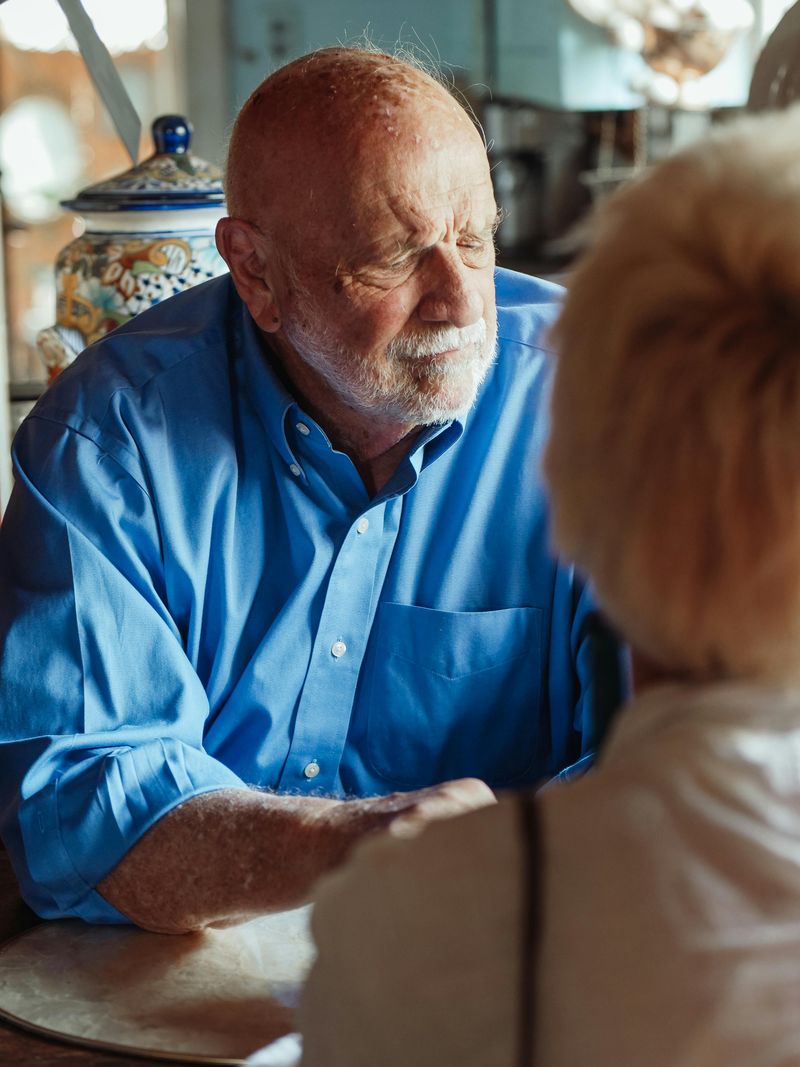
Nothing drains the life out of a relationship faster than feeling taken for granted.
When a man works hard, contributes to the household, and tries to be a good partner, he naturally wants acknowledgment.
If his efforts go unnoticed while every small mistake gets magnified, resentment builds quickly.
He starts keeping score, noticing everything she doesn’t do rather than appreciating what she does.
This negative focus poisons the relationship from the inside out.
Gratitude and appreciation are like oxygen for love—without them, affection suffocates.
When he feels his contributions don’t matter, he questions whether she even values him, leading to doubts about the entire marriage and his place in it.
6. Decline in Physical Affection or Intimacy

Physical connection serves as a powerful language of love and desire between partners.
When that spark fades, the distance becomes painfully obvious.
A husband might notice fewer kisses, less cuddling on the couch, or a significant drop in intimate moments.
This decline makes him feel unwanted, unattractive, or like he’s become just a roommate instead of a romantic partner.
The rejection stings, and over time, he may stop initiating altogether to avoid the hurt.
Physical intimacy isn’t just about passion—it’s about feeling desired and connected on a deeper level.
Without it, loneliness creeps into the marriage, and he wonders if the chemistry was ever really there.
7. Critical or Negative Behavior

Imagine coming home and bracing yourself for criticism instead of feeling welcomed.
When a wife constantly points out flaws, makes demands, or dismisses her husband’s ideas, the home stops feeling like a safe haven.
He might feel like nothing he does is ever good enough.
Every conversation becomes a potential minefield where he could be judged or belittled.
This pattern of negativity wears down his confidence and makes him question why he’s even trying.
A partner should be your biggest cheerleader, not your harshest critic.
When the balance tips too far toward judgment and away from support, he starts wondering if life would be easier with someone more accepting and encouraging.
8. Lack of Respect

Respect forms the bedrock of any healthy relationship, and without it, everything crumbles.
A man who feels belittled, controlled, or dismissed by his wife experiences a unique kind of pain.
Maybe she makes important decisions without consulting him, mocks his opinions in front of others, or treats him like a child who can’t be trusted.
This behavior chips away at his self-worth and dignity.
Nobody wants to spend their life with someone who doesn’t take them seriously or value their input.
When respect disappears, love struggles to survive.
He begins questioning not just the marriage but his own judgment in choosing someone who doesn’t honor him as an equal partner.
9. Incompatibility in Conflict Style
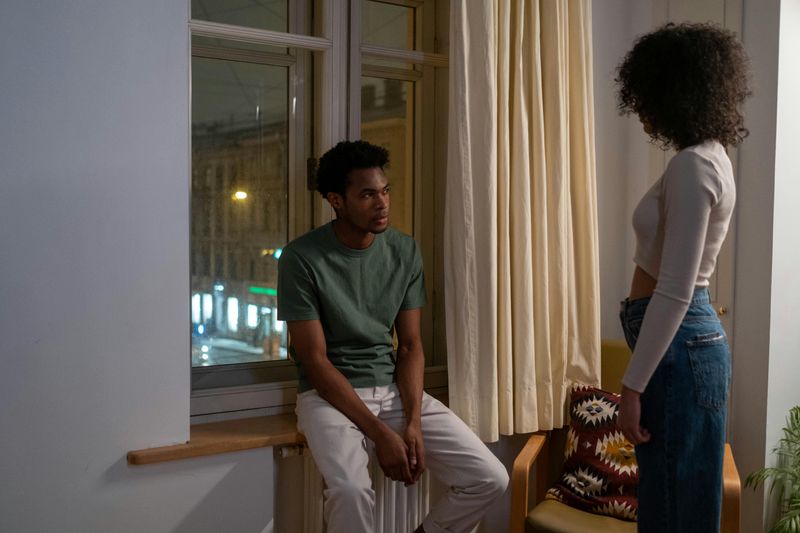
How do you fight?
That question matters more than most people realize.
Some individuals need to talk through problems immediately, while others require space to process emotions first.
When one partner confronts issues aggressively and the other retreats into silence, neither person gets what they need.
The pursuer feels ignored, and the avoider feels attacked.
This mismatch creates a destructive cycle where problems never truly get resolved.
A husband caught in this pattern might feel exhausted from either constant battles or the silent treatment.
Healthy conflict leads to growth, but incompatible fighting styles lead to damage.
He wonders if finding someone who handles disagreements similarly would make life significantly easier.
10. Different Lifestyle Habits

Small differences can snowball into major sources of frustration over time.
One person might be a neat freak while the other leaves messes everywhere.
Maybe she’s a spender and he’s a saver, or their ideas about social life clash—she wants constant plans while he craves quiet evenings at home.
These daily habits shape the rhythm of life together.
When routines and preferences consistently conflict, tension builds.
He might feel like they’re constantly negotiating or compromising on basic living preferences.
What seemed like minor quirks during dating become major irritations in marriage.
Eventually, he questions whether they’re simply too different in their everyday approaches to build a harmonious life together.
11. Loss of Fun or Companionship

Remember when you used to laugh together until your sides hurt?
When companionship fades, marriage becomes more about obligation than joy.
A husband might realize they rarely do anything fun together anymore.
They’ve become two people sharing space rather than partners sharing life.
The friendship that should anchor the romance has disappeared, replaced by routine and responsibility.
They function like roommates splitting bills rather than lovers building memories.
This loss of playfulness and connection leaves him feeling lonely even when she’s right there.
He starts wondering if other couples have more fun together and whether he’s missing out on the joy and adventure that marriage should bring.
12. Comparisons to Others

Social media and everyday observations can plant dangerous seeds of doubt.
When a man sees other couples who seem happier, more affectionate, or more compatible, comparisons become inevitable.
He notices friends whose wives support their dreams or couples who still hold hands after years together.
These observations make him question what he’s missing in his own marriage.
While every relationship has private struggles, the grass often looks greener elsewhere.
He wonders if he settled or made the wrong choice.
This comparison trap is dangerous because it focuses on idealized versions of other relationships while magnifying problems in his own.
Eventually, this mental exercise convinces him that happiness exists just beyond his current situation.