 MomSkoop

Ever wonder what separates truly sharp minds from the rest? Scientists have identified specific everyday behaviors that consistently show up in people with exceptional cognitive abilities.
These aren’t about test scores or fancy degrees—they’re observable patterns in how intelligent people think, communicate, and interact with the world around them. Recognizing these traits might help you understand your own mental strengths better.
1. You notice patterns that others miss

Your mind works like a pattern-detecting machine, constantly finding connections between seemingly unrelated things.
While others see random events, you spot the underlying structure.
This could mean recognizing behavioral trends in people, predicting outcomes based on past experiences, or seeing how different ideas link together.
Research shows that pattern recognition is a hallmark of high intelligence.
Your brain naturally organizes information into meaningful categories and relationships.
This skill helps you solve problems faster and make better predictions about future events.
You might finish people’s sentences accurately or guess plot twists before they happen because your brain has already mapped out the logical progression.
2. You remember small details without trying
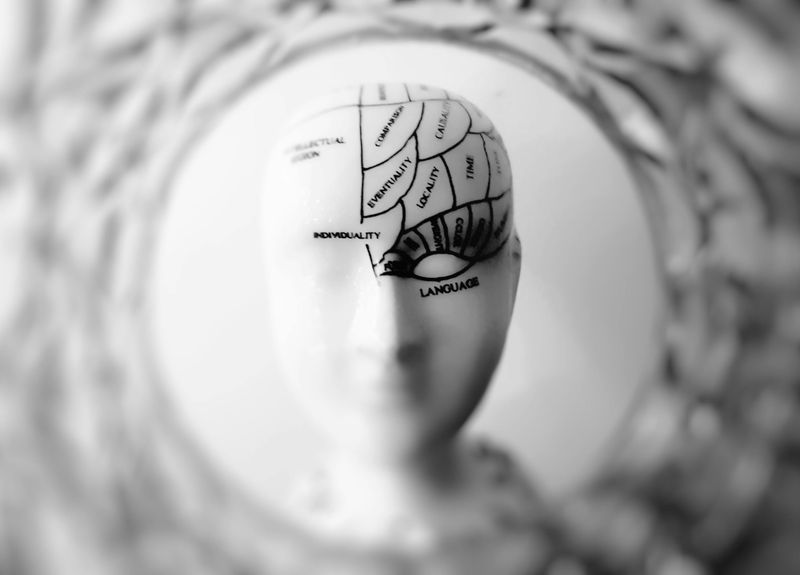
People with strong cognitive abilities often recall tiny facts from conversations weeks ago without making any special effort.
Their brains naturally file away information that others might overlook completely.
This isn’t about having a photographic memory—it’s more like their mind automatically bookmarks interesting details for later use.
Maybe you remember someone mentioning their cat’s name once, or the exact color of a shirt from last month.
These mental snapshots happen effortlessly because your brain processes and stores information more efficiently than average.
Friends might be amazed when you bring up something they barely remember saying.
This ability makes you incredibly thoughtful and attentive in relationships and work situations.
3. You learn skills unusually quickly

When tackling something new, you grasp the fundamentals way faster than your peers expect.
What takes most people weeks might take you just days.
Your brain efficiently builds mental models of how things work, letting you skip unnecessary steps.
This rapid learning isn’t about working harder—it’s about processing information more effectively.
You instinctively understand underlying principles rather than just memorizing steps.
Teachers and coaches probably noticed this about you early on.
Whether it’s picking up a sport, learning software, or understanding complex concepts, your mind quickly adapts and integrates new knowledge into your existing framework of understanding.
4. You question everything

Nothing gets a free pass in your mind—you automatically challenge assumptions and dig deeper into explanations.
While others accept information at face value, you’re asking why things work that way.
This constant questioning isn’t about being difficult; it’s your brain’s way of building accurate mental models of reality.
Highly intelligent people rarely settle for surface-level understanding.
You want to know the mechanisms behind things, the reasons for rules, and the logic supporting claims.
This habit can sometimes frustrate people who prefer simple answers.
But your skeptical approach protects you from misinformation and helps you develop truly deep knowledge about topics that interest you.
5. You automatically self-correct

Mid-sentence, you’ll catch yourself saying something inaccurate and immediately fix it without anyone pointing it out.
Your internal monitoring system runs constantly, checking your own thoughts and statements for errors.
This metacognitive ability—thinking about your own thinking—is strongly associated with higher intelligence.
You notice when your logic has flaws or when you’ve misspoken.
Rather than getting defensive, you simply adjust and move forward with better information.
This self-correction happens so naturally that you might not realize how unusual it is.
Many people struggle to recognize their own mistakes, but your brain treats accuracy as a priority worth maintaining constantly.
6. You dislike small talk and prefer deep conversations

Weather chat and surface-level pleasantries feel like torture when your mind craves substantial discussion.
You’d rather skip the formalities and jump straight into meaningful topics like ideas, philosophies, or complex problems.
This preference isn’t snobbery—it’s that your brain needs more stimulation than basic exchanges provide.
Research indicates that intelligent people find greater satisfaction in deeper conversations that challenge their thinking.
Small talk simply doesn’t engage enough of your cognitive capacity.
You probably light up when someone wants to discuss something genuinely interesting.
Those rare conversations where you explore big questions or analyze complicated situations leave you feeling energized rather than drained.
7. You’re hyper-aware of your surroundings

Walking into a room, you immediately register who’s there, the mood, background sounds, and small environmental changes.
Your sensory processing system captures far more information than most people’s does.
You notice when furniture gets moved, when someone’s energy shifts, or when something feels slightly off.
This heightened awareness stems from your brain’s ability to process multiple information streams simultaneously.
You’re not trying to be observant—it just happens automatically.
Sometimes this can feel overwhelming in chaotic environments.
But this trait also makes you excellent at reading situations quickly and responding appropriately to subtle social cues that others completely miss.
8. You learn from other people’s mistakes

Watching someone else fail teaches you just as effectively as experiencing failure yourself.
Your brain extracts lessons from observed experiences, not just personal ones.
When a coworker’s approach backfires or a friend makes a poor decision, you mentally file away what went wrong and adjust your own behavior accordingly.
This vicarious learning is incredibly efficient—you gain wisdom without paying the price of mistakes yourself.
It’s like having access to everyone else’s life lessons as learning material.
Highly intelligent people excel at this observational learning.
You don’t need to touch the hot stove yourself when you’ve seen others get burned.
9. You get easily bored with repetitive tasks

Doing the same thing repeatedly makes your mind feel like it’s suffocating.
Your brain craves novelty and complexity, so routine tasks that others find comforting feel unbearable to you.
This isn’t laziness or lack of discipline—it’s that your cognitive system needs more challenge to stay engaged.
Intelligent minds require stimulation the way bodies require movement.
When tasks become predictable, your brain essentially goes on strike from boredom.
You probably automate or optimize repetitive work whenever possible.
Finding ways to add variety or challenge to mundane tasks helps, but you’ll always prefer work that keeps your mind actively problem-solving rather than running on autopilot.
10. You’re naturally funny

Humor requires connecting unexpected ideas quickly—and your brain excels at making those surprising connections.
You spot the absurdity in situations and express it in ways that make people laugh.
This comedic ability isn’t just entertainment; it’s actually a sign of linguistic intelligence and creative thinking.
Studies link humor production with higher cognitive abilities because it demands mental flexibility and rapid idea association.
You need to understand multiple perspectives simultaneously to craft effective jokes.
Your wit probably comes out spontaneously rather than through rehearsed jokes.
The best humor happens when your quick mind spots the perfect unexpected angle in a conversation.
11. You talk to yourself to process information

Muttering through problems out loud isn’t weird—it’s a sophisticated cognitive strategy your brain uses naturally.
Verbalizing thoughts helps you organize complex information and work through logical sequences.
Speaking activates different brain pathways than silent thinking, giving you additional processing power.
Research shows that people who talk to themselves while problem-solving often perform better on cognitive tasks.
It’s like giving your brain an external working memory to manipulate ideas more effectively.
You might narrate your reasoning, debate options aloud, or verbally walk through steps.
This self-talk isn’t a sign of anything wrong—it’s your intelligent mind using every available tool to think more clearly.