 MomSkoop
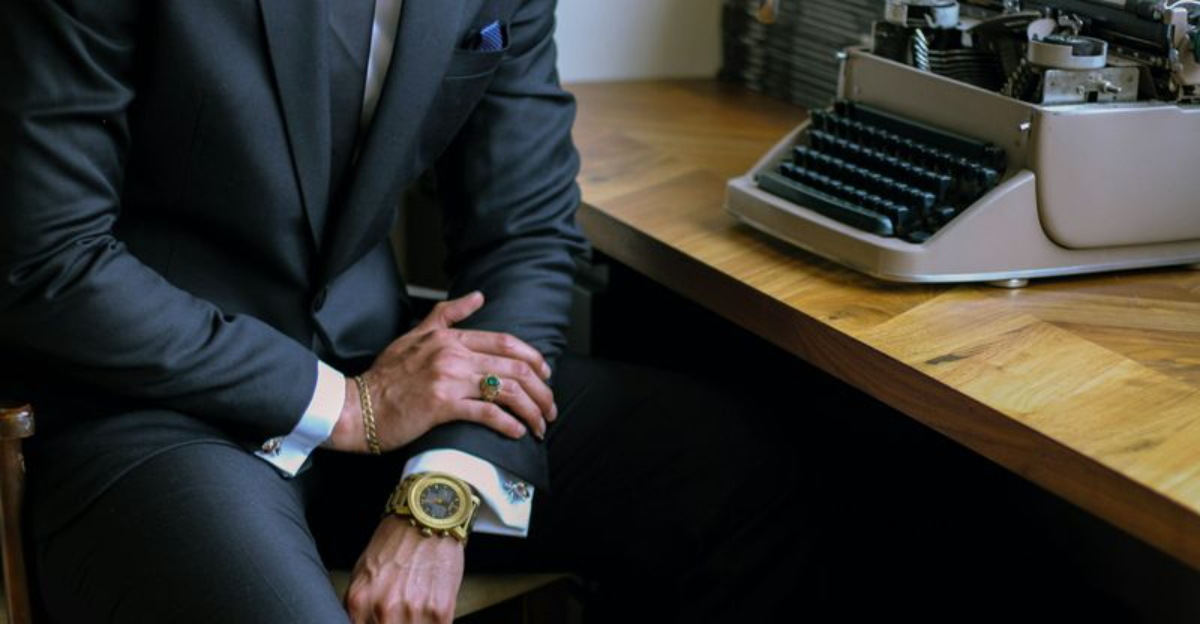
Accessories may seem like small details, but they can shape the overall impression an outfit makes. From watches and wallets to sunglasses and jewelry, certain choices tend to stand out more than others.
These 12 men’s accessories are the kinds of details women may notice and form opinions about, whether it comes down to style, condition, or how well they suit the person wearing them.
1. Shoes (Condition and Appropriateness)
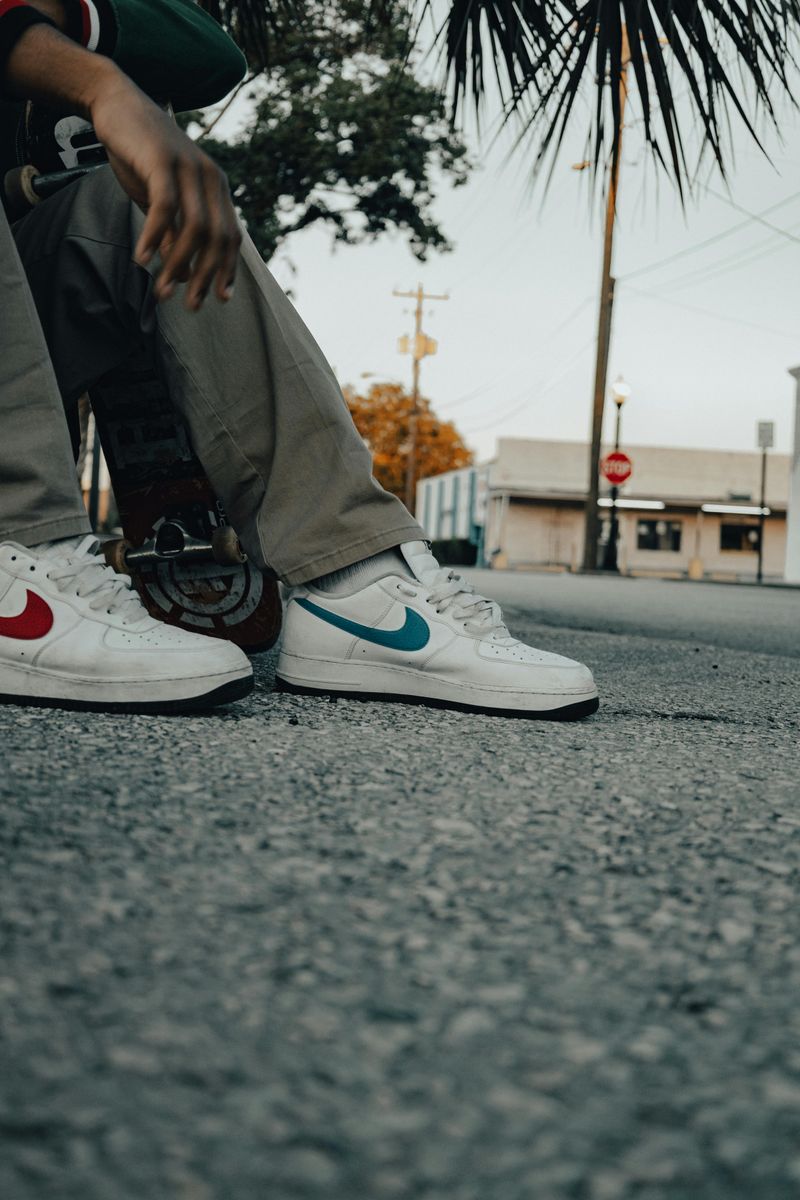
Footwear creates the foundation of every outfit, yet many men overlook its importance.
Scuffed leather, dirt-caked sneakers, or flip-flops at a dinner party send immediate signals about carelessness.
Women often glance down first, assessing whether shoes match the occasion and reflect basic grooming standards.
Wearing gym shoes to a wedding or formal loafers to the beach shows a disconnect from social expectations.
Clean, well-maintained shoes suggest someone who pays attention and respects the setting.
Even affordable footwear looks sharp when properly cared for.
Conversely, expensive shoes lose their appeal when covered in grime or falling apart at the seams.
The condition of your shoes reflects how you approach other responsibilities in life.
2. Watch
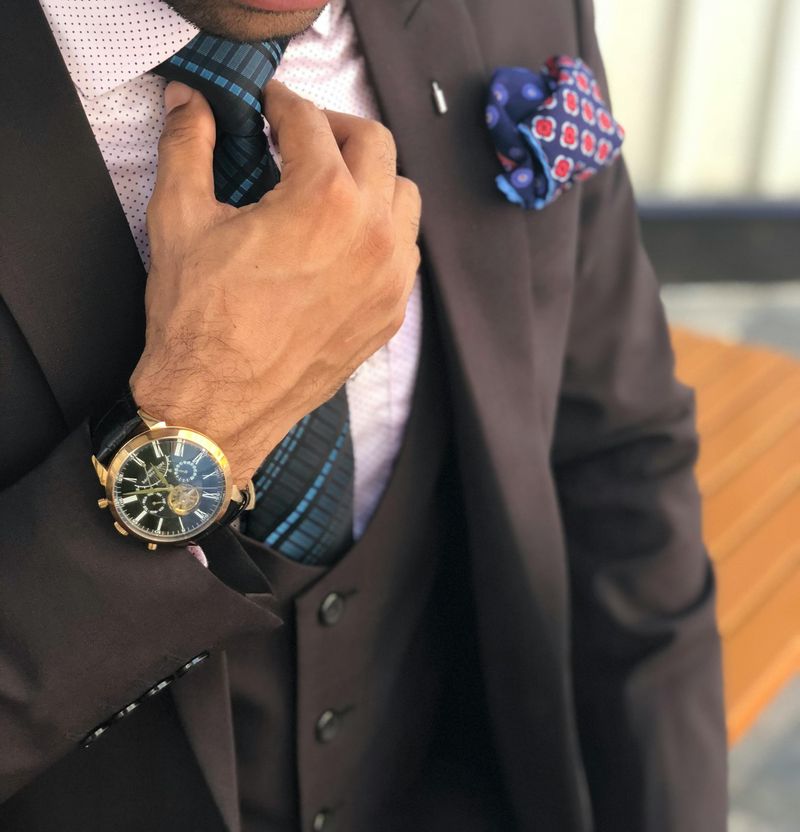
Timepieces reveal more about values than most men expect.
An oversized novelty watch with unnecessary gadgets screams immaturity, while obvious knockoffs of luxury brands signal insecurity about status.
Women recognize when someone tries too hard to project wealth through accessories.
A simple, well-chosen watch—whether vintage or modern—communicates confidence without shouting for attention.
It shows you understand restraint and make deliberate choices.
Fake Rolexes or Omegas are spotted faster than you think, creating awkwardness rather than admiration.
On the flip side, wearing no watch at all can seem perfectly fine in casual settings.
The key lies in authenticity and appropriateness for your actual lifestyle and budget.
3. Belt
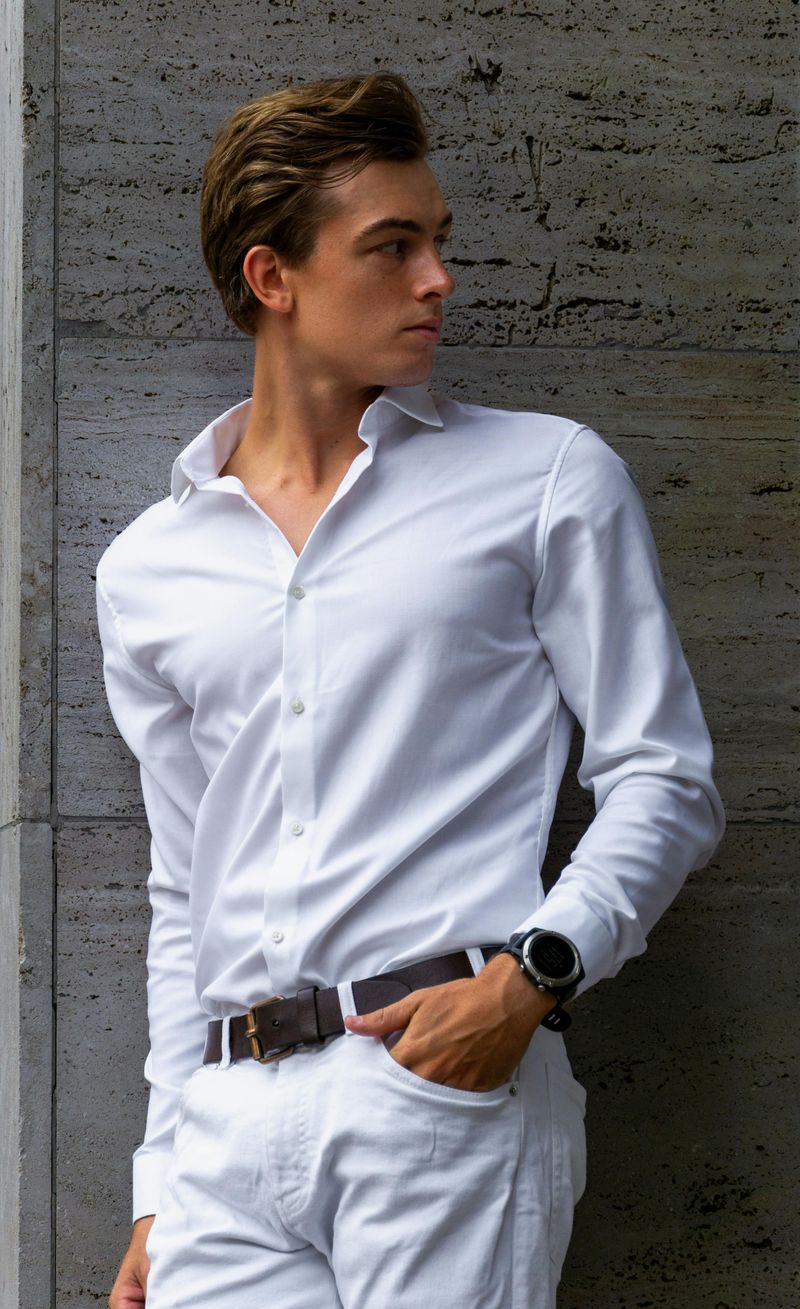
Belts might seem like minor details, but mismatches stand out immediately to observant eyes.
Wearing a brown belt with black shoes creates visual discord that suggests carelessness about coordination.
Overly decorative buckles—especially those with logos, skulls, or Western flair in urban settings—often read as trying too hard or being stuck in the past.
Frayed, cracked leather tells a story of neglect.
Meanwhile, a simple belt that complements shoe color shows attention to classic style rules.
Women notice these coordination details because they reflect broader habits.
Someone who can’t match a belt likely struggles with other aspects of presentation.
Subtlety wins here; the belt should hold up your pants without demanding attention.
4. Wallet
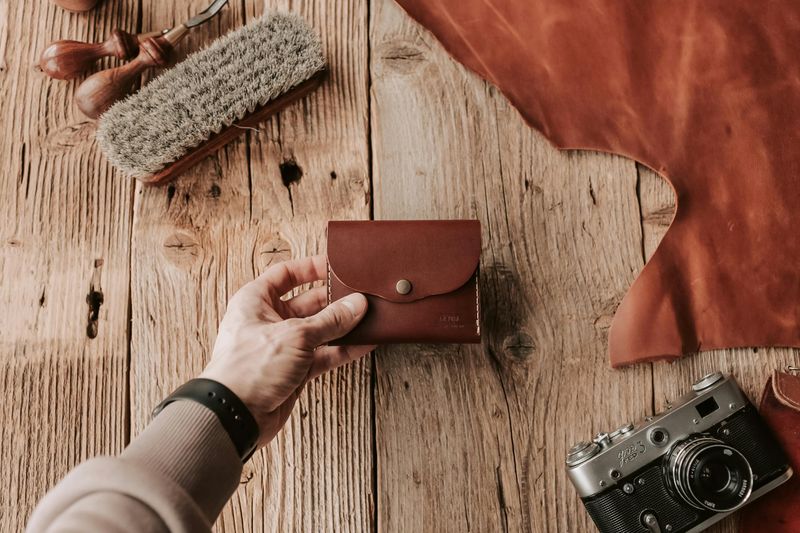
Your wallet reveals organizational habits every time you pull it out to pay.
Bulging wallets stuffed with old receipts, expired cards, and random papers suggest chaos in other life areas.
Velcro closures immediately transport observers back to middle school, regardless of your actual age.
Frayed, discolored leather that’s falling apart shows an inability to replace things when needed.
Women interpret these signals as potential red flags about responsibility and maturity.
A slim, well-maintained wallet implies you keep your life organized and practice restraint.
It doesn’t need to be expensive—just clean and functional.
Digital wallets are perfectly acceptable too, showing you’ve adapted to modern convenience while staying organized.
5. Sunglasses

Sunglasses either enhance facial features or completely overwhelm them, with little middle ground.
Poorly fitting frames that slide down your nose or oversized lenses that dominate your face create unflattering proportions.
Cheap gas station sunglasses with flimsy plastic and distorted lenses are instantly recognizable.
Chasing every trend—like wearing tiny 90s Matrix glasses when they don’t suit your face shape—demonstrates poor self-awareness.
Women notice when sunglasses seem like a costume rather than a practical accessory.
Well-chosen frames complement face shape and personal style without screaming for attention.
Classic styles like aviators or wayfarers work for most men when properly sized.
Quality doesn’t always mean expensive, but it does mean thoughtful selection.
6. Jewelry (Rings, Chains, Bracelets)
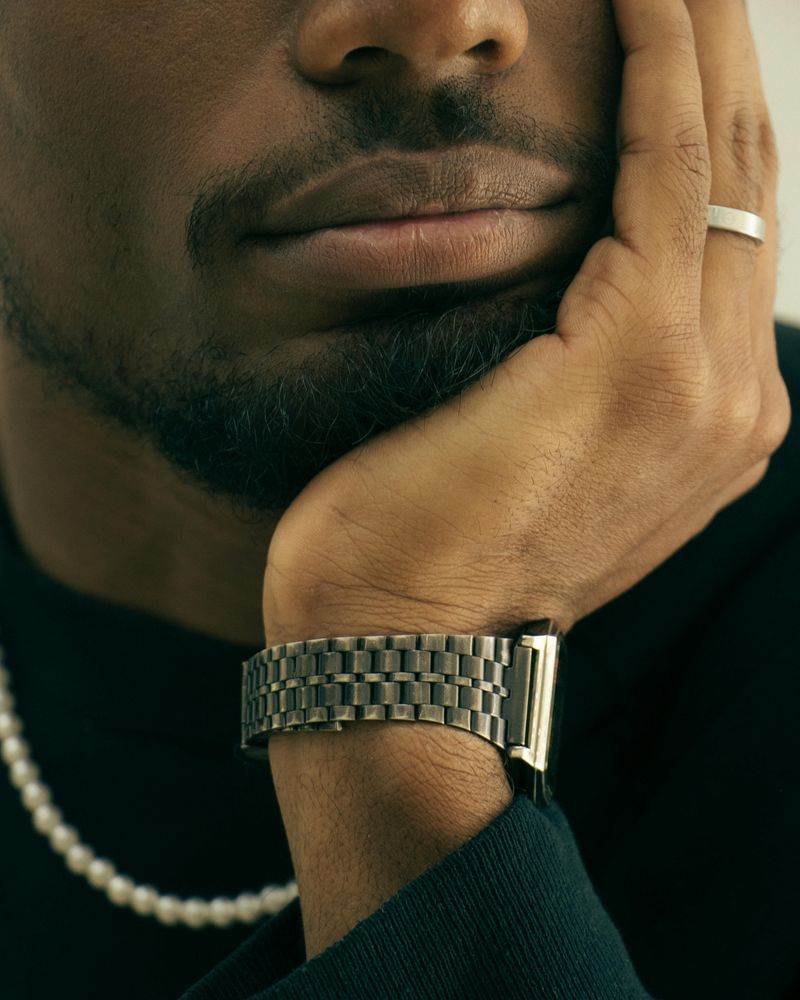
Jewelry walks a fine line between personal expression and compensation for insecurity.
Excessive gold chains, multiple rings on every finger, or stacked bracelets often appear performative rather than authentic.
Women frequently interpret heavy jewelry as overcompensation—trying to project confidence that isn’t genuinely felt.
Minimal, intentional pieces tell a different story.
A simple wedding band, family heirloom ring, or single meaningful bracelet suggests groundedness and purpose.
These choices reflect comfort in your own skin without needing external validation.
Flashy jewelry demands attention in ways that can feel desperate or immature.
The rule of thumb: if your accessories compete with your personality, you’re wearing too much.
Confidence shines through restraint, not through bling.
7. Backpack or Bag
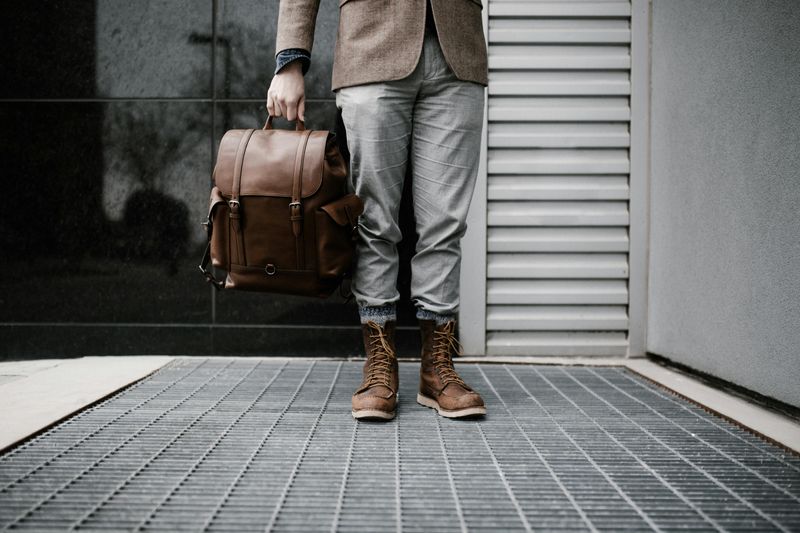
Bags telegraph life stage and professional awareness faster than almost any other accessory.
Carrying the same frayed backpack from college into your thirties suggests arrested development.
Using a gym duffel for work meetings shows confusion about professional boundaries and appropriate contexts.
Overly tactical bags with military-style patches in everyday civilian settings often seem like unnecessary posturing.
Women notice these disconnects because they suggest someone hasn’t adapted to adult expectations.
A clean, structured messenger bag or simple briefcase communicates maturity and situational awareness.
Even casual backpacks work fine when they’re age-appropriate, clean, and match the setting.
Your bag should carry your belongings without broadcasting insecurity or confusion about who you are.
8. Hat or Cap
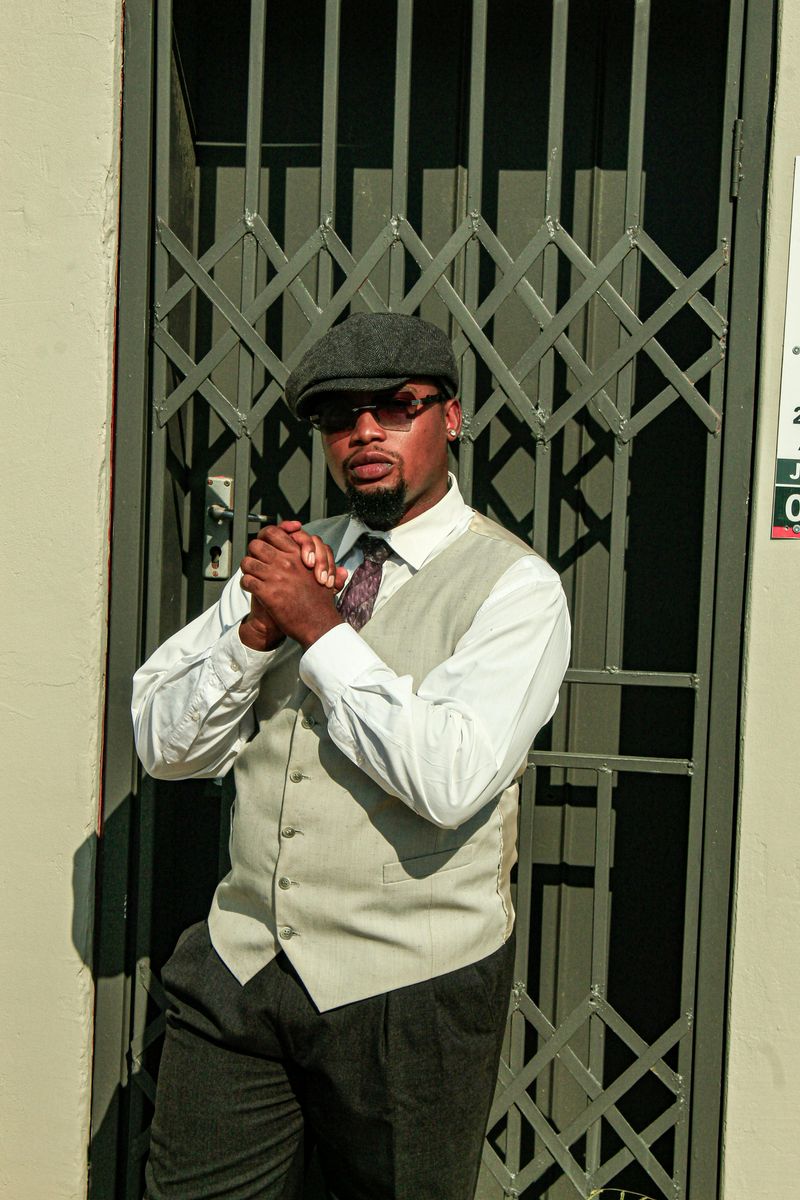
Hats serve practical purposes outdoors but become problematic when treated as permanent fixtures.
Wearing caps indoors, especially at restaurants or during conversations, signals poor social awareness.
Ill-fitting hats that sit too high or low on the head look awkward and unintentional.
Overly branded caps covered in logos often seem like free advertising rather than personal style choices.
Women sometimes interpret hats worn constantly as hiding something—thinning hair, bad haircut, or lack of grooming confidence.
A well-chosen hat worn appropriately shows you understand context and social norms.
Baseball caps work great for casual outdoor activities but lose their charm in formal or intimate settings.
Knowing when to remove your hat demonstrates respect and confidence in your appearance.
9. Phone Case
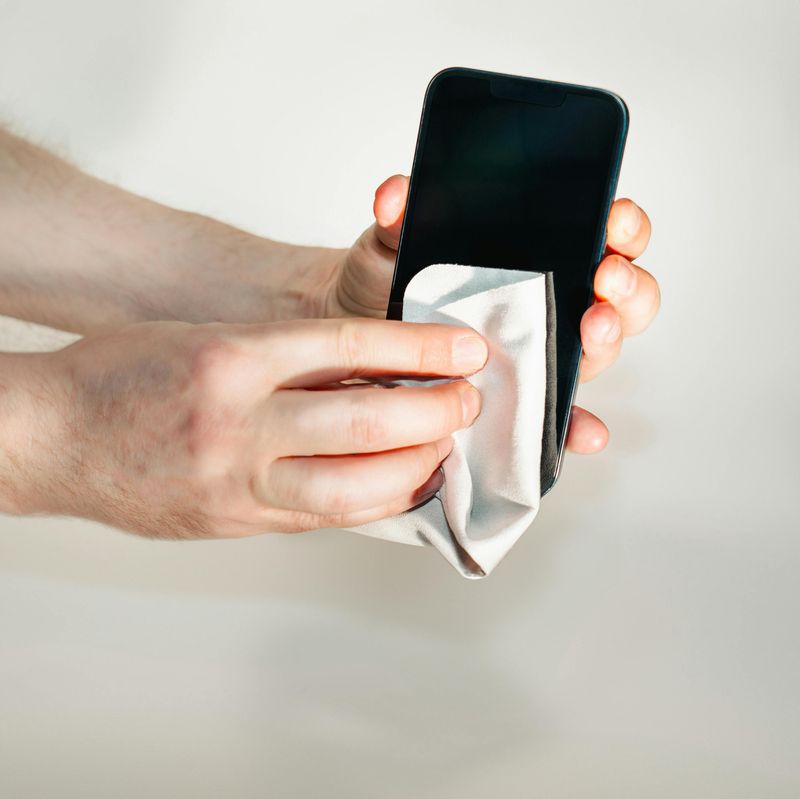
Phones live in our hands constantly, making them extensions of personal hygiene and responsibility.
Cracked screens suggest either carelessness or an inability to prioritize basic maintenance.
Novelty cases featuring cartoon characters, memes, or juvenile designs rarely age well past teenage years.
Extremely dirty phones covered in grime, food residue, or mysterious stains raise immediate concerns about cleanliness habits.
Women notice these details because phones touch faces, hands, and surfaces throughout the day.
A clean phone with a simple protective case shows you take care of your possessions.
It doesn’t require an expensive case—just one that’s functional, clean, and age-appropriate.
Your phone represents how you handle responsibility for valuable items in your daily life.
10. Fragrance (or Lack Thereof)
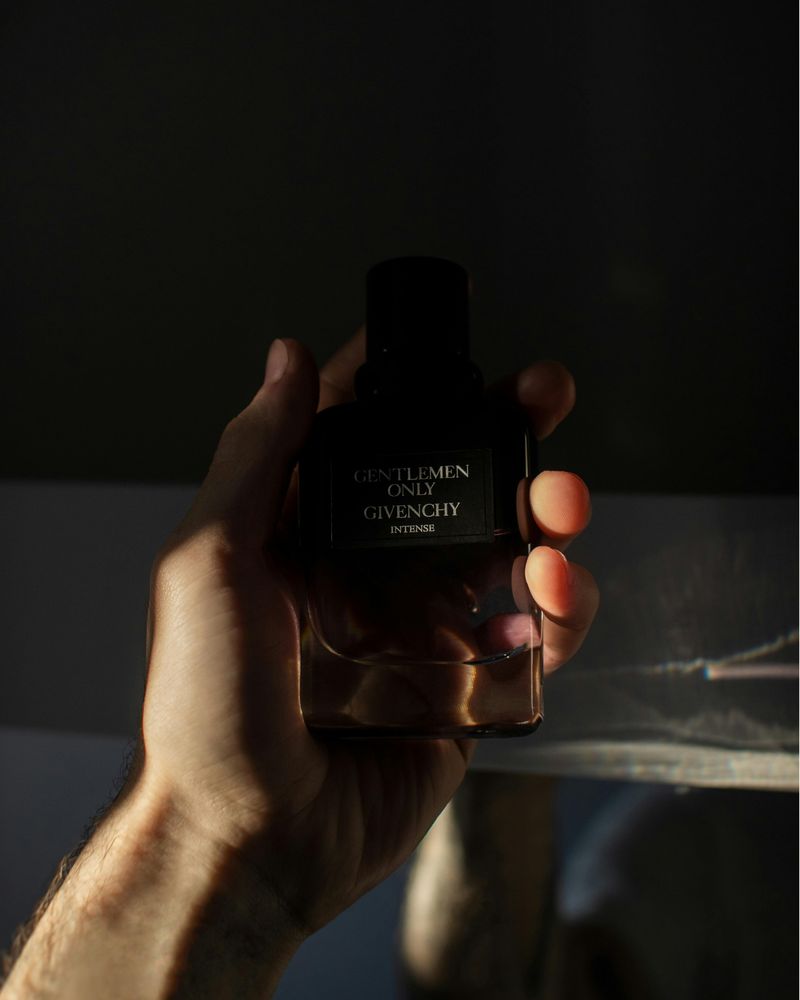
Scent memory creates powerful impressions, making fragrance choices critically important.
Overpowering cologne that announces your presence before you enter a room gets judged more harshly than wearing none at all.
Bathing in fragrance suggests insecurity or lack of awareness about personal space boundaries.
Women prefer subtlety—scent should be discovered during closer interactions, not broadcast across rooms.
Quality matters less than application; even expensive fragrances become offensive when overused.
Complete absence of scent is perfectly acceptable, especially when paired with good hygiene.
The ideal approach involves one or two strategic sprays on pulse points, allowing natural body chemistry to blend with the fragrance.
Remember: if people can smell you from several feet away, you’ve applied too much.
11. Tie
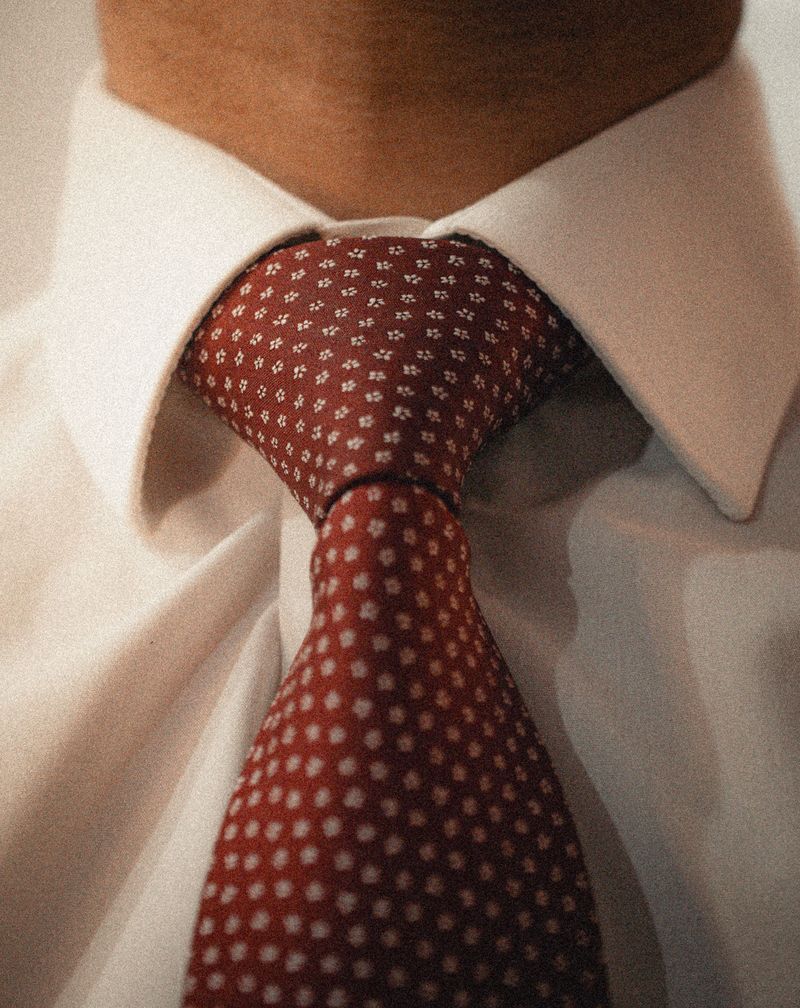
A tie can save an outfit or sink it before dinner even starts.
Women often notice whether the color fits the shirt, the width suits the jacket, and the knot looks neat instead of rushed.
Wild novelty prints may get a laugh, but they rarely suggest polish or good taste.
A stained blade, crooked length, or puffy knot can make an otherwise sharp man seem careless.
Keeping one or two simple ties in solid or classic patterns helps quite a lot.
Learn a clean knot, check the mirror, and let the tie support your style rather than steal attention today.
12. Socks
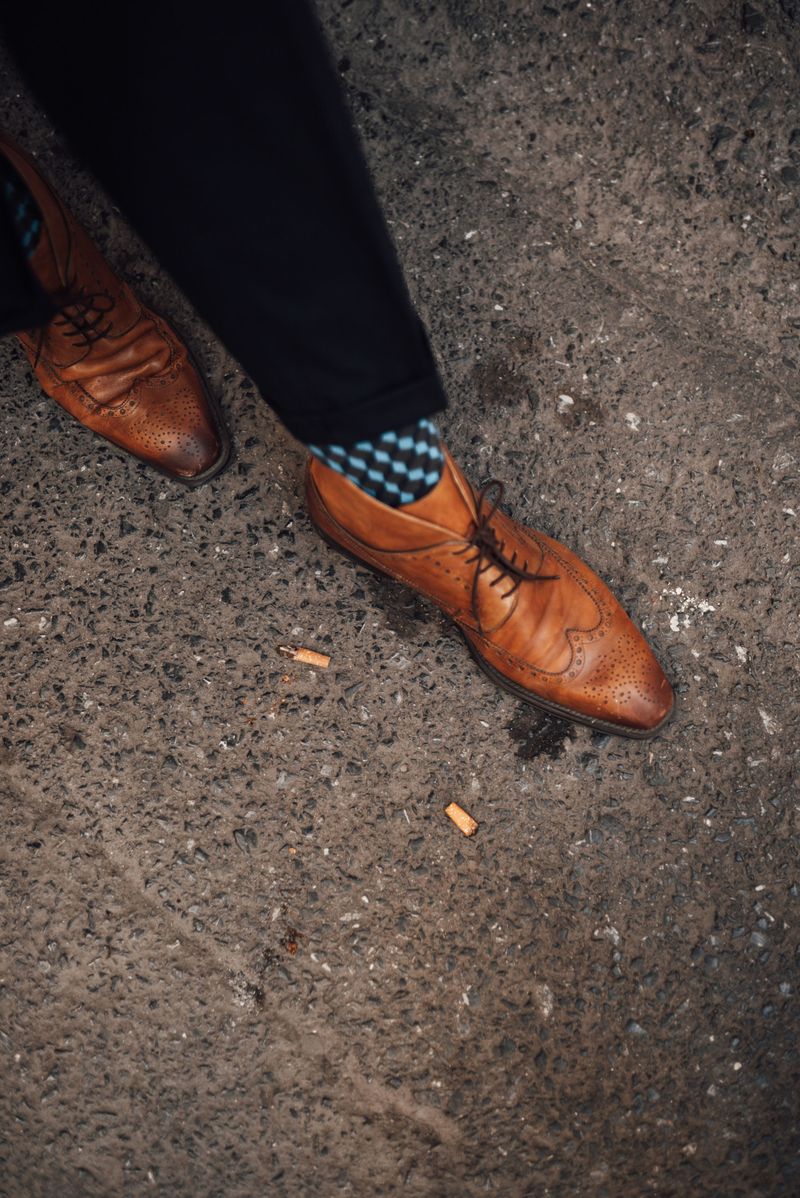
Funny socks peek out fast, and people notice more than men think.
Women usually read them as a small clue about effort, maturity, and whether a guy understands where he is going.
Gym socks with dress shoes, worn-out heels, or loud cartoon pairs at a formal event can throw off the whole look.
Clean, well-fitted socks that match the pants or shoes tend to feel thoughtful and pulled together.
Texture matters too, especially when you sit down and the cuff shows.
Keep a few solid pairs for work, dates, and weddings, and save the playful patterns for casual days instead.