 MomSkoop

Getting older brings wisdom and experience, but it can also create unexpected challenges in our relationships. Sometimes, without even realizing it, we develop habits and patterns that push people away instead of bringing them closer. Understanding these patterns can help us build stronger connections with family, friends, and partners as we age.
1. Becoming Set in Your Ways

As years pass, many people find comfort in routines and familiar patterns.
While routines provide stability, being too rigid can make it hard to adapt to other people’s needs and preferences.
Friends and family members might feel like you’re unwilling to compromise or try new things together.
Flexibility helps relationships thrive because it shows you value others’ ideas and experiences.
When you insist on always doing things your way, loved ones may feel unheard or unimportant.
Making small adjustments to accommodate others demonstrates care and keeps relationships fresh.
Remember, being open to change doesn’t mean losing yourself—it means growing with the people you love.
2. Holding Onto Past Grudges

Unresolved conflicts from years ago can weigh heavily on relationships as time goes on.
Carrying resentment creates invisible walls between you and others, making genuine connection nearly impossible.
Old hurts might resurface during conversations, causing unnecessary tension and misunderstandings.
People who hold grudges often find themselves feeling isolated because others avoid sensitive topics.
Forgiveness doesn’t mean forgetting what happened—it means choosing peace over bitterness.
Letting go of past grievances opens space for healing and deeper emotional bonds.
When you release old anger, you give relationships a chance to move forward with trust and understanding.
3. Comparing Everything to the Past

Constantly saying things were better in the old days can frustrate younger generations and peers alike.
While nostalgia feels comforting, excessive comparisons make others feel like their present experiences don’t matter.
Nobody enjoys feeling judged against an idealized version of the past they never experienced.
Living in memories prevents you from appreciating the good things happening right now.
Each generation faces unique challenges and creates meaningful moments worth celebrating.
Finding value in both past experiences and present realities helps bridge generational gaps.
Sharing memories becomes more enjoyable when balanced with curiosity about others’ current lives and perspectives.
4. Withdrawing From Social Activities

Many older adults gradually pull away from gatherings, clubs, and social events they once enjoyed.
Isolation might feel easier than making effort, but it weakens existing relationships over time.
Friends eventually stop inviting people who consistently decline or cancel plans.
Staying connected requires energy, yet the emotional rewards far outweigh the effort involved.
Social withdrawal often stems from fatigue, health concerns, or fear of being a burden.
However, loved ones genuinely want your company and value your presence in their lives.
Even small social interactions—coffee with a friend or family video calls—help maintain important bonds and combat loneliness.
5. Refusing to Embrace Technology

Technology has become the primary way many people communicate, share experiences, and stay connected today.
Resisting digital tools can create communication barriers between you and younger family members.
Grandchildren might share important moments through texts, photos, or video calls you’re missing out on.
Learning basic technology doesn’t require expertise—just willingness to try and ask for help.
Your loved ones will gladly teach you because they want to include you in their digital world.
Staying technologically connected shows you’re making effort to meet others where they are.
Simple skills like texting or video chatting can dramatically strengthen relationships across distances and generations.
6. Being Overly Critical or Judgmental
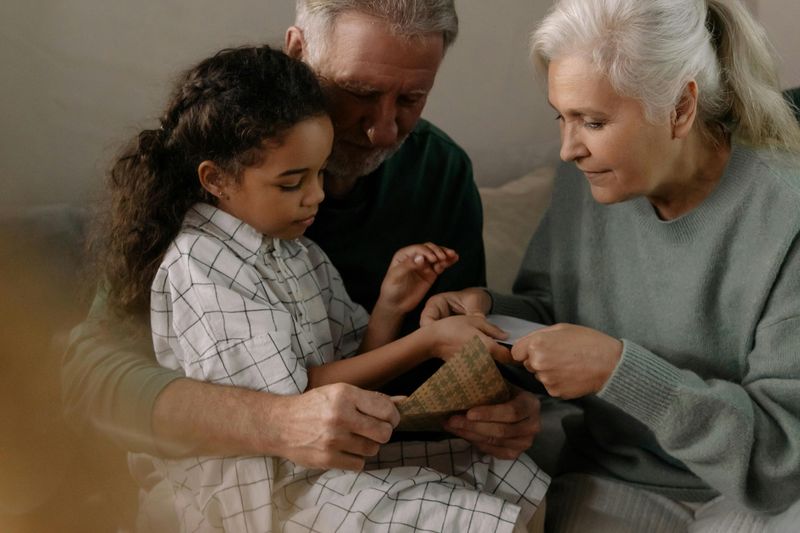
With age comes experience, but sometimes that experience turns into harsh judgment of others’ choices.
Constantly criticizing how people dress, parent, work, or live pushes them away quickly.
Adult children especially struggle when parents can’t accept their independent decisions and lifestyles.
Everyone wants support and encouragement, not endless commentary about what they’re doing wrong.
Critical attitudes create defensive responses instead of open, honest conversations.
Offering advice only when asked shows respect for others’ autonomy and intelligence.
Relationships flourish when people feel accepted for who they are, not who you think they should become.
7. Dominating Conversations With Your Problems
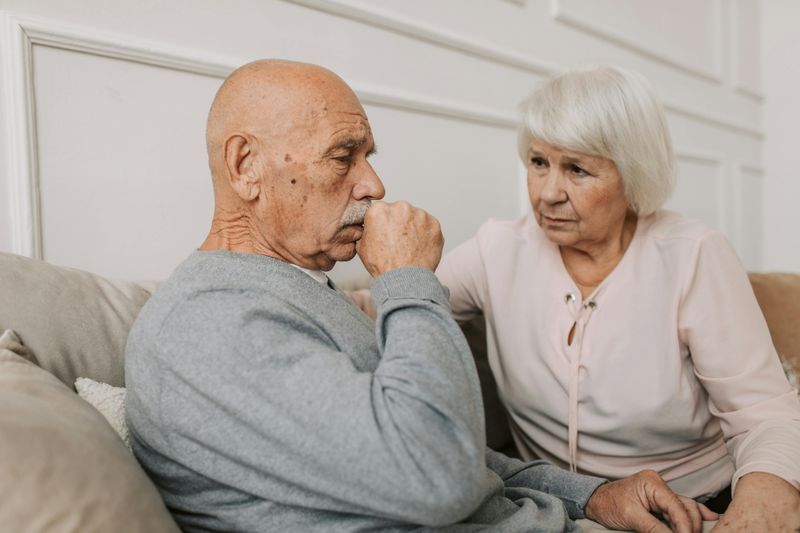
Health concerns and personal challenges naturally increase with age, but they shouldn’t monopolize every conversation.
When someone always talks about their ailments, others begin avoiding interactions to protect their own energy.
Balance matters—sharing struggles is healthy, but so is showing interest in others’ lives.
People want two-way relationships where both parties feel heard, valued, and supported.
Asking questions about others’ experiences demonstrates genuine care beyond your own concerns.
Remember, younger people face significant stresses too, even if they seem different from yours.
Creating space for mutual sharing strengthens bonds and prevents relationships from feeling one-sided or exhausting.
8. Expecting Others to Read Your Mind

Assuming loved ones should automatically know what you need or want creates unnecessary confusion and hurt feelings.
People aren’t mind readers, regardless of how long they’ve known you or how close you are.
Unspoken expectations lead to disappointment when others inevitably fail to meet them.
Clear, direct communication prevents misunderstandings and builds trust in relationships.
Saying what you need feels vulnerable, but it’s far more effective than silent resentment.
Family members genuinely want to help and support you—they just need guidance about how.
Expressing your feelings and desires openly gives others the chance to show up for you meaningfully.
9. Resisting Help or Support
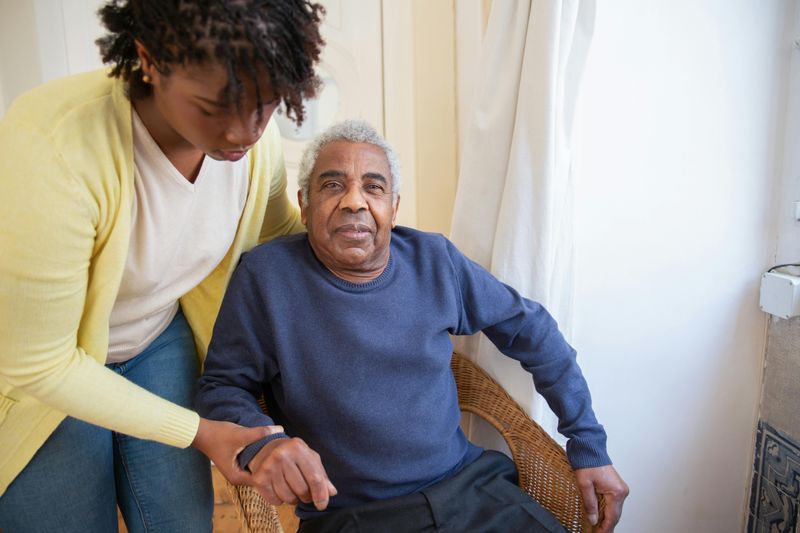
Pride and independence are valuable traits, but refusing all help can damage relationships and create dangerous situations.
When you constantly reject assistance, loved ones feel rejected, unneeded, and worried about your wellbeing.
Accepting help isn’t weakness—it’s recognizing that everyone needs support sometimes, regardless of age.
Your children or friends offer help because they care deeply, not because they think you’re incapable.
Allowing others to assist you actually strengthens relationships by creating opportunities for connection and reciprocity.
Stubbornness might feel like maintaining dignity, but it often leads to isolation instead.
Finding balance between independence and accepting support keeps you safe while preserving important emotional bonds.