 MomSkoop
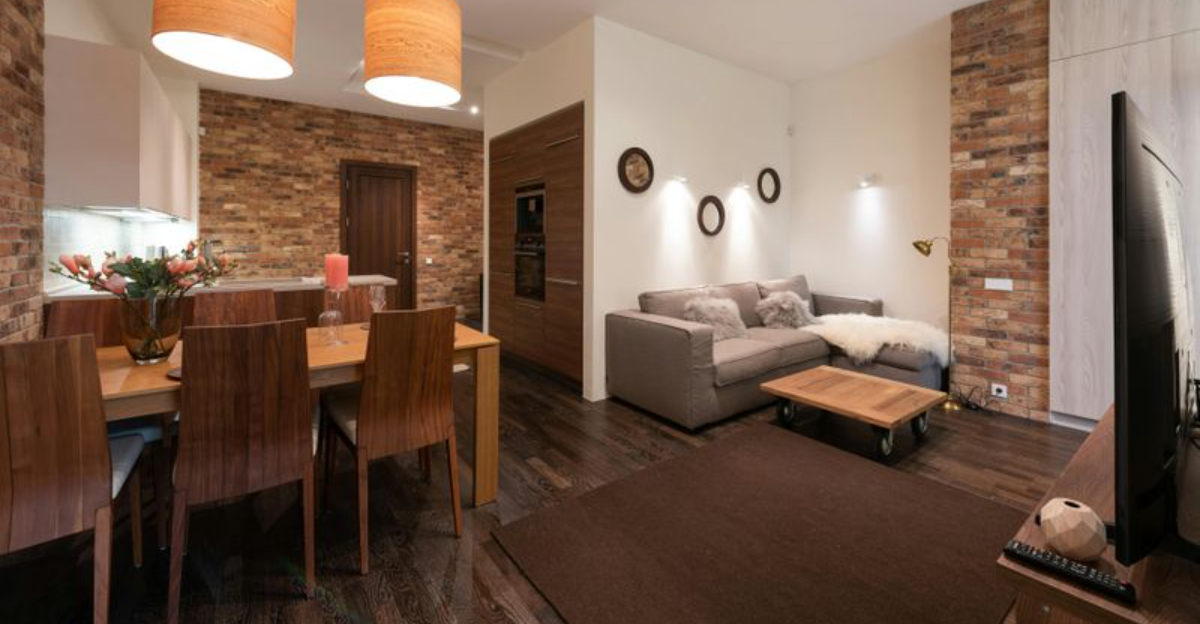
Creating a beautiful home doesn’t have to be complicated or stressful. Professional interior designers have discovered certain choices that work well in almost any space, no matter your style or budget.
These proven ideas can transform your rooms from ordinary to extraordinary while keeping things practical and timeless. Whether you’re starting fresh or updating what you already have, these designer-approved strategies will help you make confident decisions that you’ll love for years to come.
1. Neutral Paint Colors on Walls

Soft grays, warm beiges, and creamy whites create a backdrop that never goes out of style.
These colors make rooms feel bigger and brighter while giving you endless freedom to change your furniture and decorations whenever you want.
Neutral walls act like a blank canvas where your personality can shine through accessories, artwork, and textiles.
They also appeal to almost everyone, which becomes especially important if you ever decide to sell your home.
Best of all, neutral doesn’t mean boring—you can choose warm or cool tones to match your personal taste and the natural light in your space.
2. Hardwood or Wood-Look Flooring
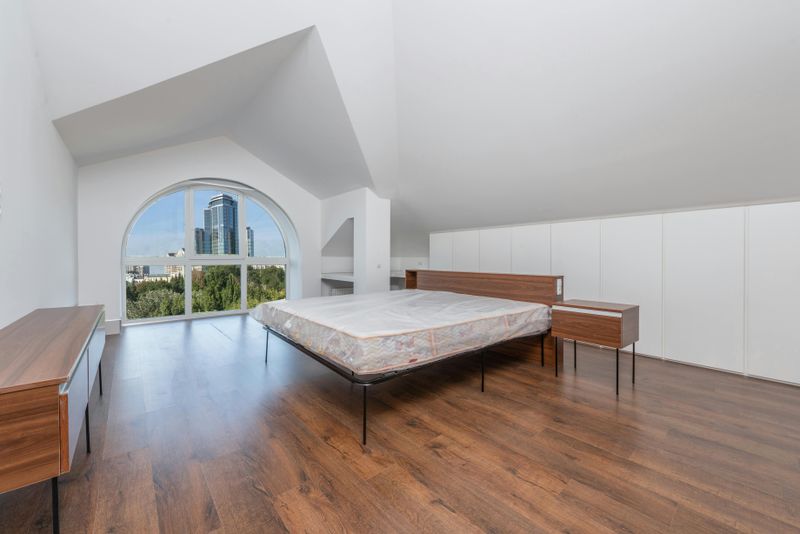
Did you know that wood floors have been valued for centuries because they truly stand the test of time?
Real hardwood or modern wood-look alternatives bring warmth and natural beauty to any room.
Unlike carpets that trap dust and allergens, wood surfaces are easy to clean and maintain for busy families.
They work beautifully with every decorating style, from farmhouse charm to sleek modern looks.
Wood floors also add real value to your property, making them a smart investment that pays off in both beauty and resale potential.
3. Layered Lighting Throughout Rooms
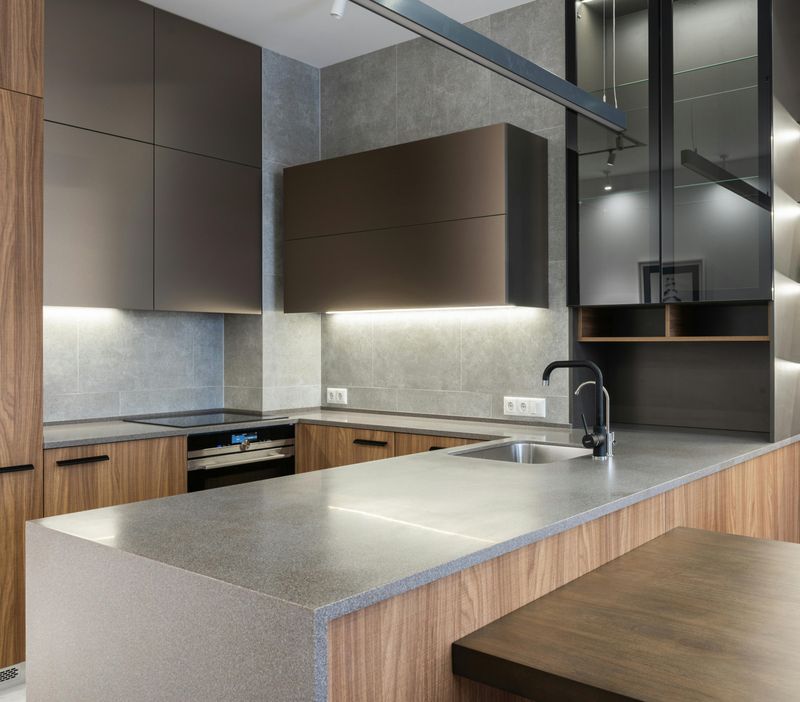
Relying on just one ceiling light leaves rooms feeling flat and uninviting.
Designers always combine different types of lighting—overhead fixtures, table lamps, and accent lights—to create depth and atmosphere.
This approach lets you adjust the mood for different activities, whether you’re reading, entertaining guests, or watching movies.
Layering also eliminates harsh shadows and dark corners that make spaces feel smaller.
With proper lighting variety, even the simplest room transforms into a warm and welcoming environment that feels professionally designed.
4. Large Area Rugs to Define Spaces

Picture walking into a room where everything feels connected and purposeful—that’s the magic of a well-placed area rug.
These textile anchors pull furniture together and tell your eyes where one space ends and another begins.
In open floor plans, rugs become especially important for separating dining areas from living zones without building walls.
They also add softness underfoot, reduce noise, and introduce color or pattern in a changeable way.
Designers recommend choosing rugs large enough that at least the front legs of your furniture sit on them for the most polished look.
5. Statement Mirrors for Reflection and Light
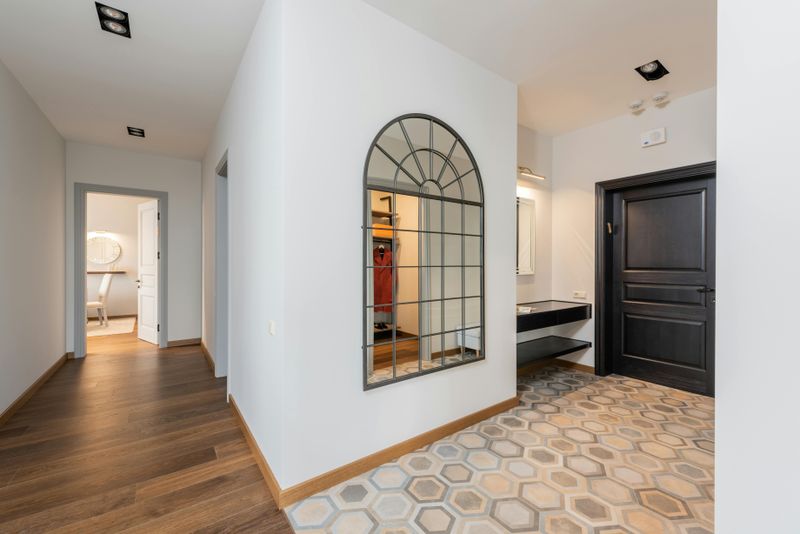
Mirrors work like magic tricks in interior design, instantly making rooms appear twice as large.
They bounce natural light around spaces, brightening even the darkest corners without adding a single window.
A beautiful mirror becomes a functional artwork that serves multiple purposes at once.
Placing mirrors opposite windows maximizes their light-reflecting superpowers, while positioning them across from attractive views brings the outdoors inside.
Whether you choose modern and frameless or ornate and vintage, mirrors remain one of the most versatile tools in a designer’s toolkit for transforming any room.
6. Classic White or Subway Tile in Bathrooms
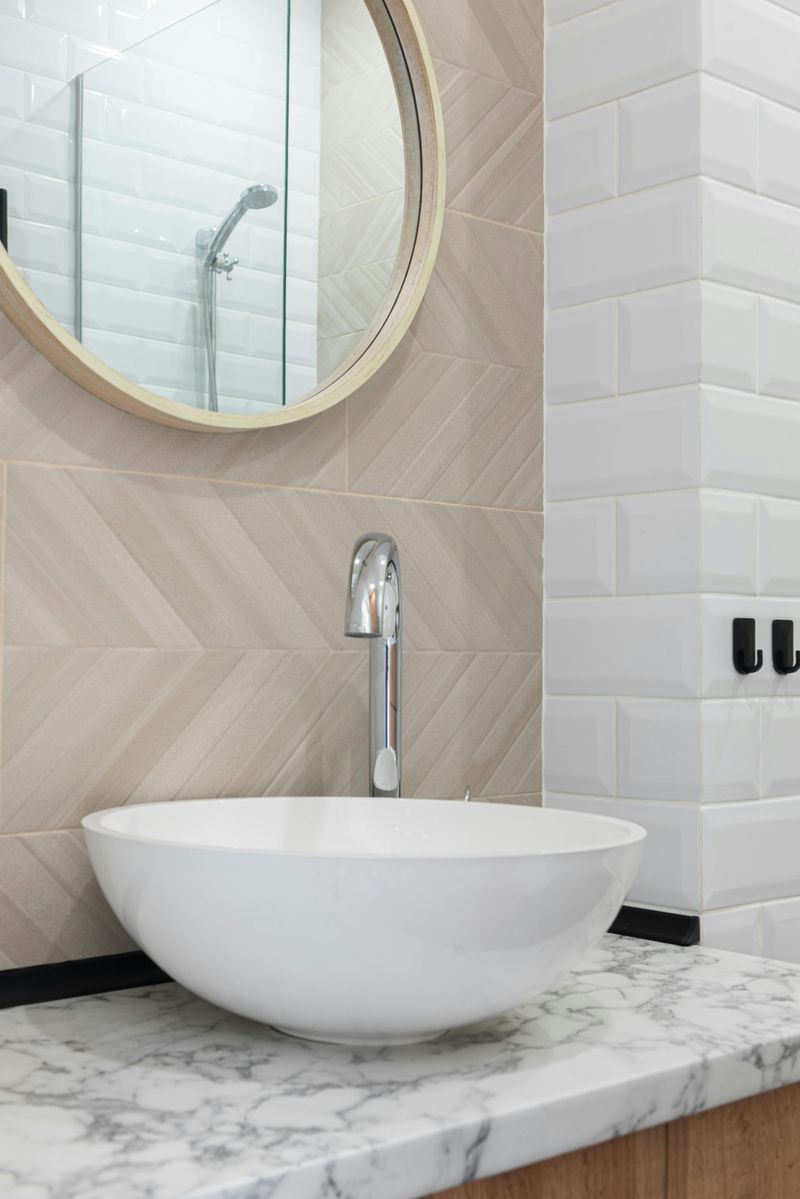
Some design choices feel fresh decade after decade, and white tile definitely tops that list.
Subway tile especially has graced stylish bathrooms for over a century because its simple rectangular shape complements any decorating direction.
White creates a clean, spa-like atmosphere that makes small bathrooms feel more spacious and airy.
These tiles are incredibly practical too—they hide water spots better than darker colors and remain easy to clean.
You can personalize the look by changing grout colors, trying different laying patterns, or mixing in accent tiles without replacing the entire surface.
7. Built-In Storage Solutions
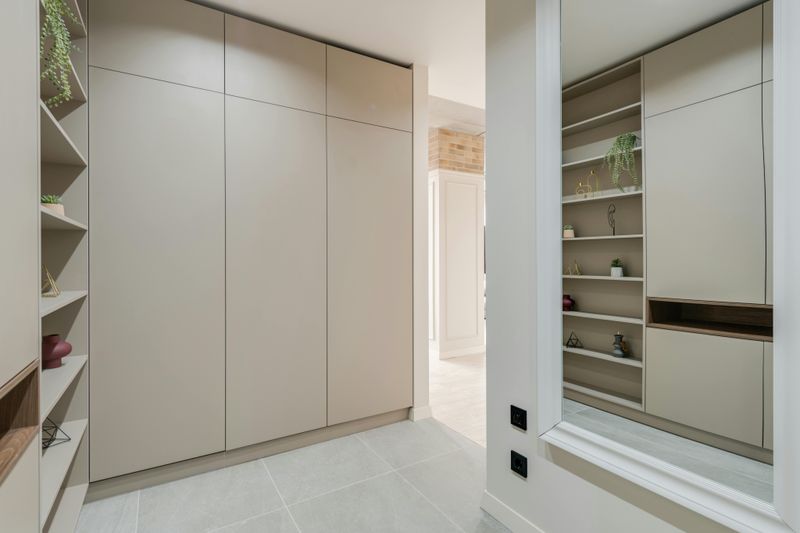
Clutter disappears like magic when you have designated places for everything.
Built-in shelves, cabinets, and window seats maximize every inch of available space while looking like they’ve always belonged there.
Unlike freestanding furniture that leaves awkward gaps, custom storage fits perfectly and creates clean lines throughout your home.
These solutions work especially well in challenging spots like under stairs, around windows, or in narrow hallways.
Though they require more upfront investment than buying ready-made furniture, built-ins add significant value and make daily life so much easier and more organized.
8. Natural Materials and Textures
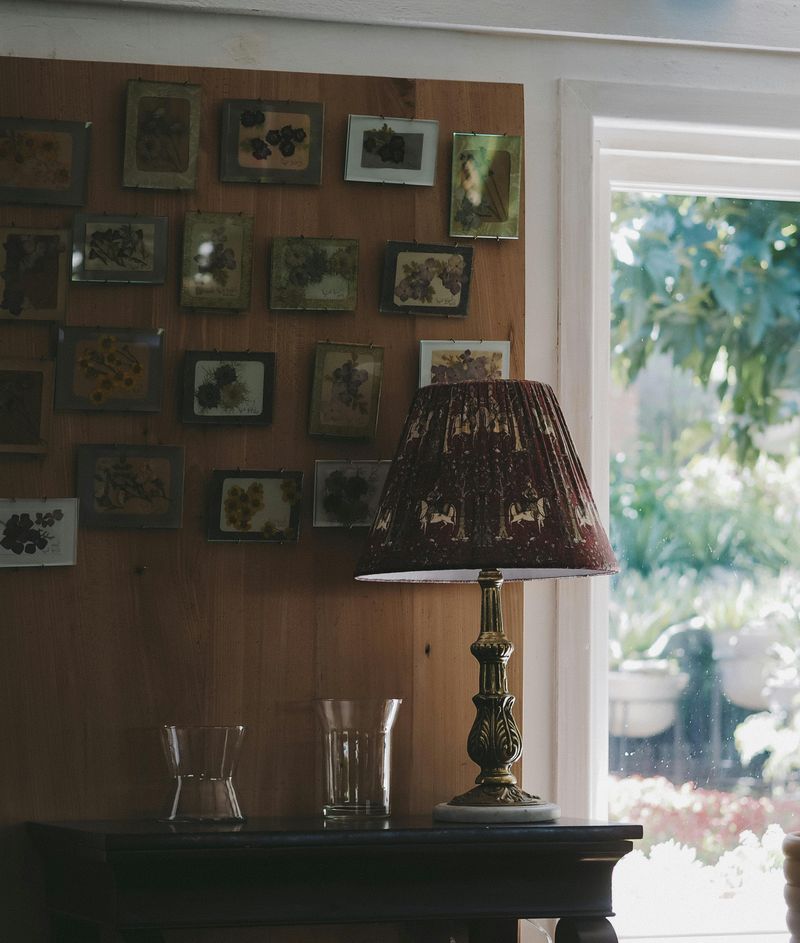
Ever notice how rooms with wood, stone, cotton, and wool just feel more comfortable?
Natural materials connect us to the outdoors and create warmth that synthetic alternatives simply cannot match.
Mixing different textures—smooth leather, nubby linen, rough wood—adds visual interest and depth without needing bold colors.
These organic elements age beautifully, developing character over time rather than just looking worn out.
They also promote healthier indoor air quality since many natural materials breathe better and contain fewer chemicals than manufactured products, making your home both beautiful and better for your family.
9. Greenery and Indoor Plants
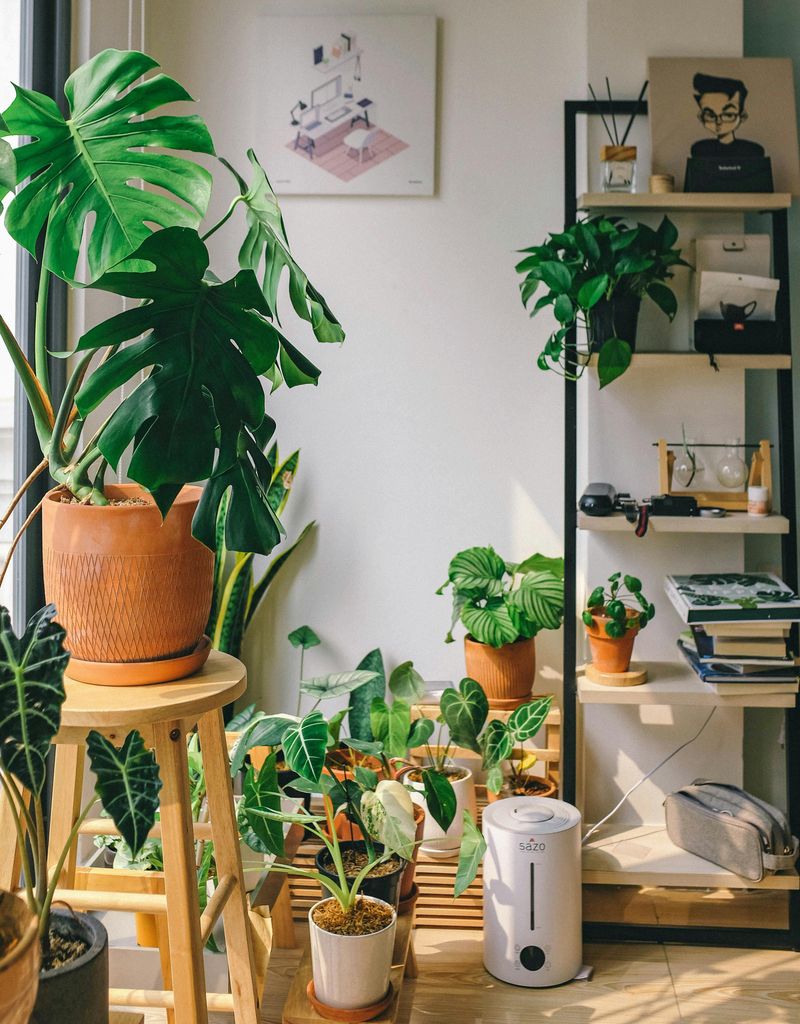
Nothing breathes life into a room quite like living plants swaying gently near a window.
Greenery softens hard edges, adds pops of color, and literally improves your air quality by filtering toxins.
Plants create a connection to nature that humans instinctively crave, especially in urban environments.
Even people without green thumbs can succeed with low-maintenance varieties like pothos, snake plants, or succulents.
Designers use plants as living sculptures, choosing containers that complement the room’s style while bringing organic shapes that contrast beautifully with straight lines and angles found in most furniture.
10. Quality Window Treatments

Windows dressed in beautiful fabric immediately elevate a room from basic to refined.
Hanging curtains high—near the ceiling rather than right above the window frame—creates the illusion of taller walls and grander proportions.
Floor-length panels add elegance while providing practical benefits like privacy, light control, and insulation against heat and cold.
Neutral fabrics in linen or cotton work with any color scheme and won’t look dated in a few years.
Well-chosen window treatments frame your views like artwork and complete the overall design story of your space with polish and sophistication.
11. Timeless Furniture Silhouettes
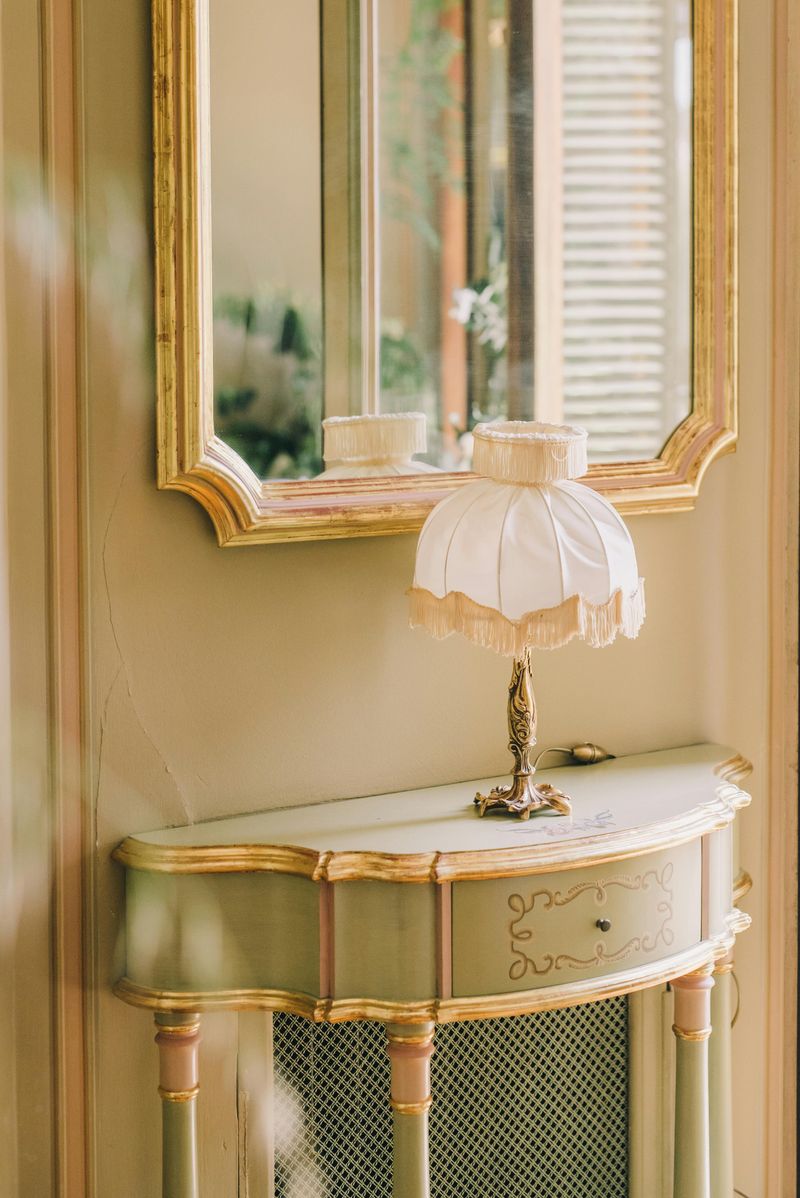
Trends come and go, but certain furniture shapes remain stylish generation after generation.
Clean lines, balanced proportions, and quality construction define pieces that transcend temporary fads.
Think mid-century modern chairs, traditional wingbacks, or simple parsons tables—their designs have proven their staying power.
Investing in classic silhouettes means you won’t need to replace furniture every few years when styles shift.
You can easily update the look of timeless pieces with different pillows, throws, or surrounding decor while the foundational furniture remains constant, saving money and reducing waste over time.