 MomSkoop

Not every main character wins our hearts. Some TV leads frustrate us with their selfish choices, bad attitudes, or questionable morals.
Whether they’re meant to be flawed antiheroes or just poorly written, these characters spark debates among fans about whether we should root for them or against them. Here are fourteen lead characters from popular shows that left viewers shaking their heads.
1. Ted Mosby (How I Met Your Mother)
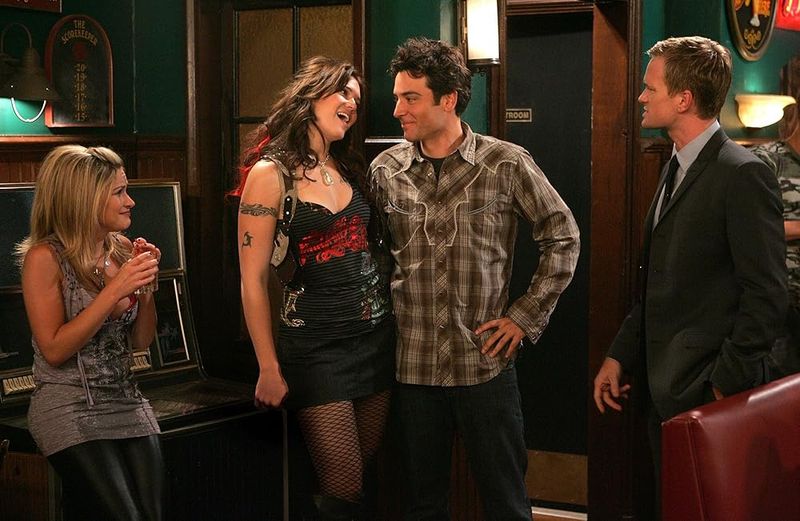
Ted spends nine seasons telling his kids about finding their mother, but along the way, he reveals himself to be pretty insufferable.
His romantic gestures often cross into creepy territory, like stealing a blue French horn or refusing to accept when women reject him.
He acts like he’s this hopeless romantic, but really he’s judgmental about his friends’ relationships while making terrible choices himself.
Ted corrects people’s grammar constantly and thinks he’s smarter than everyone around him.
His treatment of women throughout the series shows a pattern of selfishness disguised as sensitivity.
Many fans found themselves rooting for literally anyone else to be the main character by the final season.
2. Carrie Bradshaw (Sex and the City)
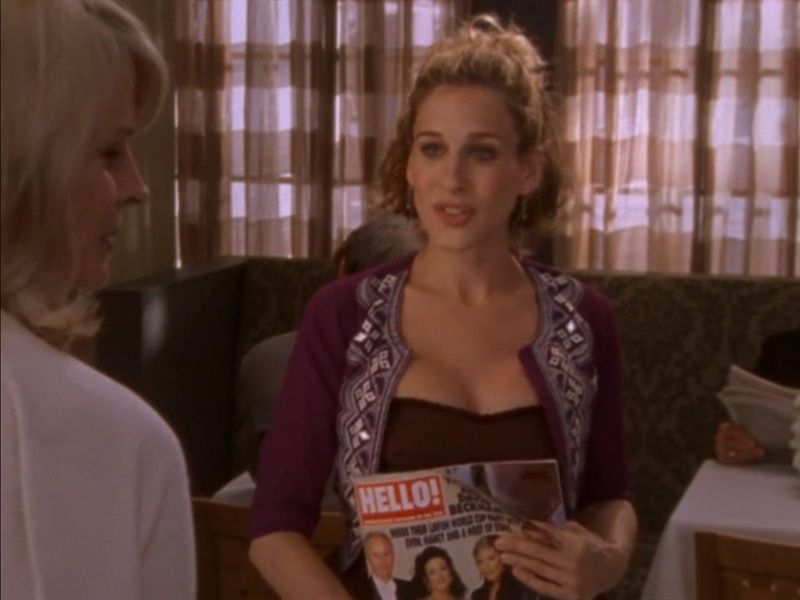
Writing a newspaper column about relationships doesn’t automatically make you a good friend or person.
Carrie constantly centers every conversation around herself, even when her friends desperately need support during their own crises.
Her financial decisions are baffling for someone who complains about money.
She spends forty thousand dollars on shoes but can’t afford her apartment, then gets mad when Charlotte won’t immediately offer her cash.
The way she treats Aidan after cheating on him with Big shows her inability to take real responsibility.
She judges her friends harshly for their choices while making equally questionable ones herself, expecting everyone to support her unconditionally without offering the same in return.
3. Walter White (Breaking Bad)

Starting as a desperate cancer patient trying to provide for his family sounds sympathetic.
But Walter’s transformation into Heisenberg reveals the darkness that was probably always there, just waiting for an excuse to emerge.
His ego drives every destructive decision, not love for his family like he claims.
He poisons a child, watches Jesse’s girlfriend die, and builds a drug empire that destroys countless lives.
The writers intentionally made him increasingly horrible to challenge viewers who kept rooting for him.
By the end, even Walter admits he did it all for himself because he liked feeling powerful.
His journey from sympathetic teacher to monster makes him fascinating but absolutely unlikable as a person.
4. Piper Chapman (Orange Is the New Black)

Piper arrives at Litchfield prison acting like her privileged problems matter more than anyone else’s actual struggles.
She constantly positions herself as the victim while treating other inmates like they’re beneath her or just interesting stories for later.
Her self-awareness is practically nonexistent.
She starts a prison panty business, manipulates people for her own gain, and acts shocked when there are consequences.
The show’s ensemble cast is far more interesting and sympathetic than Piper ever manages to be.
She makes everything about herself even when it clearly isn’t, and her journey lacks the growth that would make her redeemable.
Fans often wished the show would focus on literally anyone else’s story instead.
5. Ross Geller (Friends)
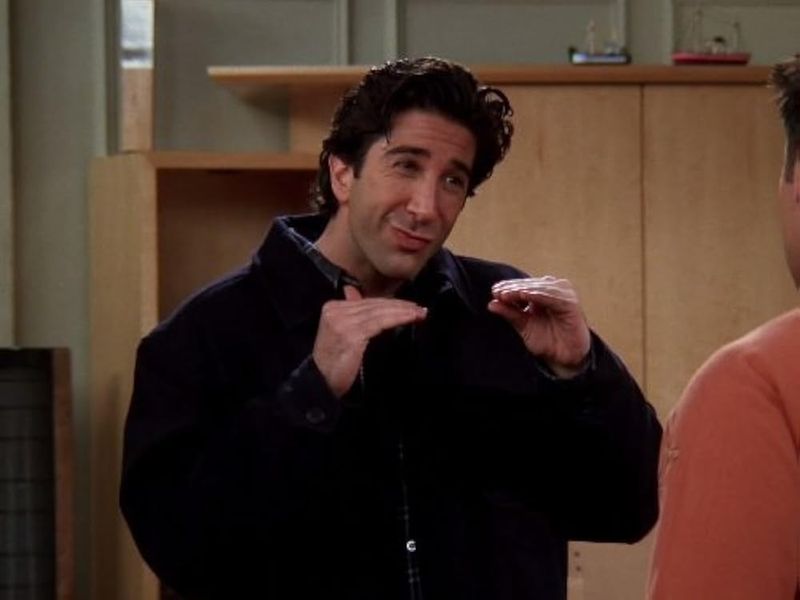
Jealousy and possessiveness define Ross’s relationships more than actual love or respect.
He creates an enemies list, gets irrationally angry about a coworker, and refuses to admit when he’s clearly wrong about anything.
His “we were on a break” excuse ignores how hurtful his actions were to Rachel.
He tries to sabotage her career opportunities because they might inconvenience him, showing he values control over her happiness.
Ross throws tantrums when things don’t go his way, like the sandwich incident or his refusal to get his marriage annulled.
His treatment of every girlfriend follows the same toxic pattern of insecurity and manipulation.
Despite being written as lovable, his behavior throughout ten seasons reveals someone exhausting to be around.
6. Elena Gilbert (The Vampire Diaries)

Everything revolves around Elena, and she knows it.
Two vampire brothers fight over her for eight seasons while she bounces between them, seemingly unable to consider how her choices affect anyone else in Mystic Falls.
Her decisions put her friends in constant danger, yet she acts surprised when they’re upset about it.
She manipulates people’s emotions and makes choices based on what she wants in the moment rather than considering consequences.
The show treats her as this ultimate prize everyone should sacrifice themselves for, which gets old quickly.
Her character lacks the depth that supporting characters have, making her the least interesting person in her own story.
Fans frequently wished the show would focus on the compelling characters surrounding her instead.
7. Don Draper (Mad Men)
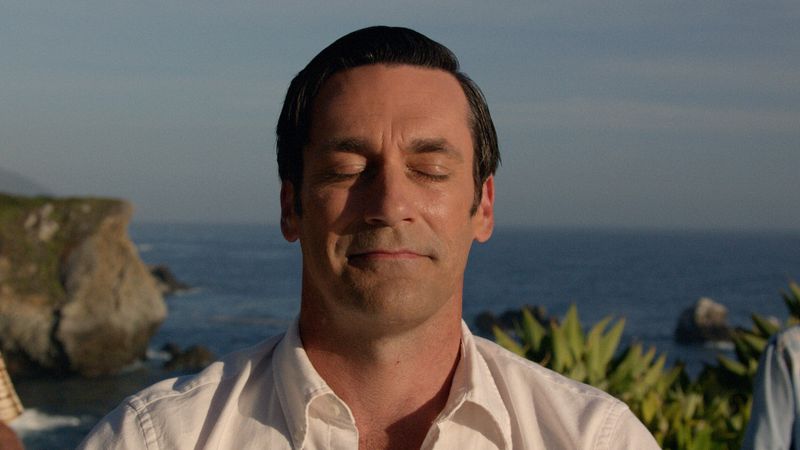
Built entirely on lies, Don’s whole identity is stolen from a dead man.
He’s undeniably charismatic and brilliant at advertising, but his personal life is a disaster of his own making through constant dishonesty and infidelity.
His treatment of women is terrible even by 1960s standards.
He uses them, lies to them, and discards them when they become inconvenient or demand honesty from him.
Don runs from every real emotional connection, preferring alcohol and affairs to actual vulnerability.
His children suffer from his emotional absence, and his wives endure his betrayals.
While the show examines his complexity brilliantly, he remains someone you’d never want to actually know.
His cool exterior can’t hide the emptiness underneath.
8. Hannah Horvath (Girls)

Self-absorption reaches new heights with Hannah, who believes her experiences deserve to be chronicled as the voice of a generation.
She treats friends like supporting characters in her personal drama rather than people with their own valid struggles.
Her relationships are disasters because she can’t see beyond her own needs and insecurities.
She makes terrible choices, refuses advice, then acts shocked when things go wrong exactly as predicted.
The show intentionally presents her as flawed, but many viewers found her more annoying than relatable.
She lacks basic consideration for others and takes without giving back.
Her journey toward maturity happens so slowly that watching her becomes frustrating rather than insightful, making viewers question why they should care about her story at all.
9. Frank Underwood (House of Cards)
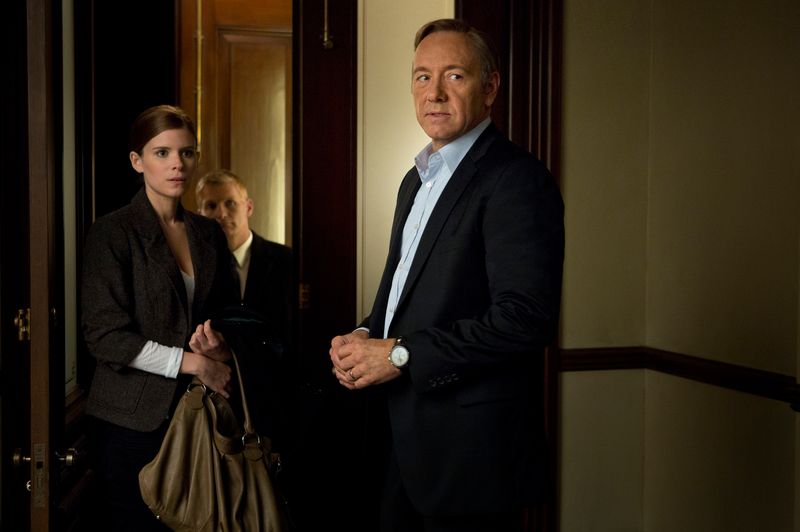
Charm and intelligence make Frank compelling to watch, but he’s absolutely monstrous in his actions.
He murders, manipulates, and destroys anyone standing between him and power without a shred of genuine remorse.
His fourth-wall-breaking monologues let us inside his calculating mind, revealing someone completely devoid of empathy.
He views people as chess pieces to be sacrificed for his ambitions.
Unlike antiheroes with some redeeming qualities, Frank has none.
His relationship with Claire is built on mutual ruthlessness rather than love.
He represents the worst possibilities of political ambition taken to sociopathic extremes.
While fascinating as a character study, he’s intentionally designed to be morally reprehensible, making him impossible to root for despite his undeniable charisma and strategic brilliance.
10. Rory Gilmore (Gilmore Girls)

Starting as an ambitious, book-loving student, Rory’s character arc becomes increasingly frustrating as she grows up.
She handles criticism poorly, acts entitled to success without putting in necessary work, and makes selfish romantic choices that hurt people.
Her treatment of her boyfriends is questionable at best.
She cheats, leads people on, and expects them to wait around while she figures out what she wants.
The revival series made her even more unlikable by showing her as an unsuccessful adult who blames everyone but herself.
She has an affair with an engaged man and acts like opportunities should fall into her lap.
The entitled behavior that seemed like teenage growing pains becomes her actual personality, disappointing fans who wanted to see her succeed.
11. Jax Teller (Sons of Anarchy)

Claiming he wants to lead his motorcycle club away from violence, Jax instead makes decisions that create more bloodshed with each season.
His hypocrisy becomes the defining feature of his character as he judges others for the same violence he commits.
He’s impulsive and emotional, leading the club into wars that get members killed.
His treatment of Tara shows possessiveness disguised as love, and he can’t handle when she wants something different than what he’s decided.
Jax positions himself as morally superior while being just as brutal as the enemies he fights.
His quest to honor his father’s vision becomes an excuse for terrible choices.
By the series end, he’s destroyed almost everything and everyone around him while claiming good intentions.
12. Meredith Grey (Grey’s Anatomy)

Dark and twisty sounds romantic until you watch Meredith make the same emotional mistakes for nineteen seasons.
She’s constantly drowning in self-pity, pushing people away, then getting upset when they respect her boundaries.
Her indecisiveness with Derek drags on painfully, and she treats other people’s problems as less important than her ongoing emotional crisis.
She makes impulsive decisions that affect patient care and her colleagues’ lives.
Meredith’s narration about how hard everything is becomes exhausting when everyone around her faces equally difficult situations with more grace.
She expects unconditional support while offering judgment in return.
Her character’s refusal to grow beyond her emotional patterns makes her frustrating as a lead, especially compared to more dynamic characters surrounding her in the hospital.
13. Raymond Reddington (The Blacklist)
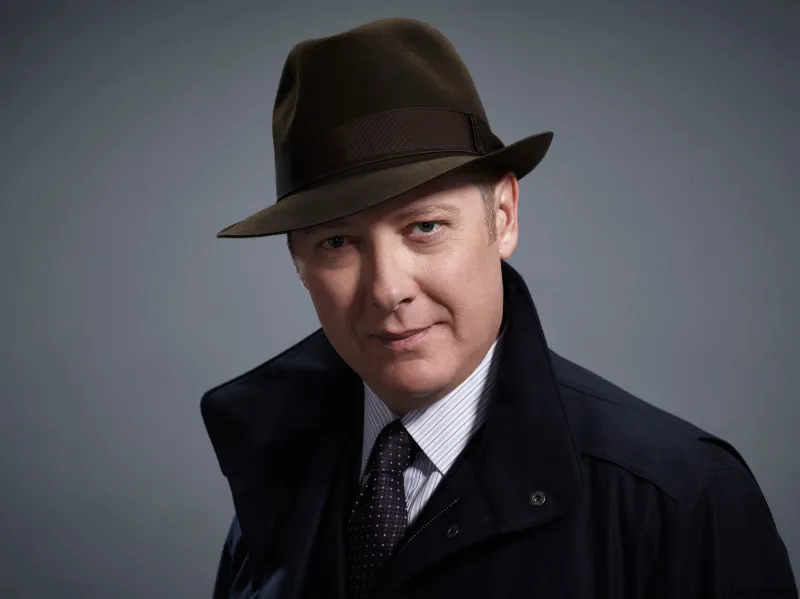
Charisma and wit make Red entertaining, but his constant manipulation of everyone around him grows tiresome.
He claims to protect Elizabeth while putting her in danger repeatedly through his criminal activities and mysterious motivations.
His refusal to give straight answers about anything frustrates both characters and viewers.
He speaks in riddles and stories, controlling information to maintain power over people who deserve honesty.
Red’s charm masks his willingness to kill without hesitation when it serves his purposes. He’s built a criminal empire on violence and betrayal while expecting loyalty from others.
The show’s mystery boxes pile up across seasons without satisfying answers, making his opacity feel like manipulation of the audience too.
His entertaining personality can’t fully compensate for his fundamentally selfish and destructive nature.
14. Joe Goldberg (You)

Joe narrates his stalking and murder as if they’re romantic gestures, revealing a deeply disturbed mind that justifies horrific actions as love.
He breaks into homes, reads private messages, and eliminates anyone he views as obstacles to his obsessions.
His internal monologue tries to make viewers sympathize with him, but his actions are inexcusable.
He’s a serial killer who genuinely believes he’s the good guy in every situation.
The show deliberately makes him unlikable despite his narration trying to win us over.
He represents the danger of someone who can’t distinguish between love and possession.
His intelligence makes him more dangerous, not more sympathetic.
While the series examines toxic masculinity cleverly, Joe remains intentionally irredeemable, challenging viewers who might find him attractive or misunderstood.