 MomSkoop

Ever wonder what little habits make people cringe but never say anything about?
Some everyday actions quietly bother those around you, yet most folks stay silent to avoid awkwardness.
Understanding these unspoken judgments can help you navigate social situations with more awareness and consideration for others.
1. Talking with food in your mouth

Nobody wants to see half-chewed food while having a conversation.
Talking while eating creates an uncomfortable viewing experience that most people find disgusting but rarely mention out of politeness.
Your words also become harder to understand when your mouth is full.
People strain to listen, which makes conversations frustrating.
Taking a moment to swallow before speaking shows basic table manners and respect.
This simple pause makes dining with you much more pleasant for everyone involved.
Remember, finishing your bite takes just a few seconds and prevents awkward moments at meals.
2. Not washing hands after using the restroom
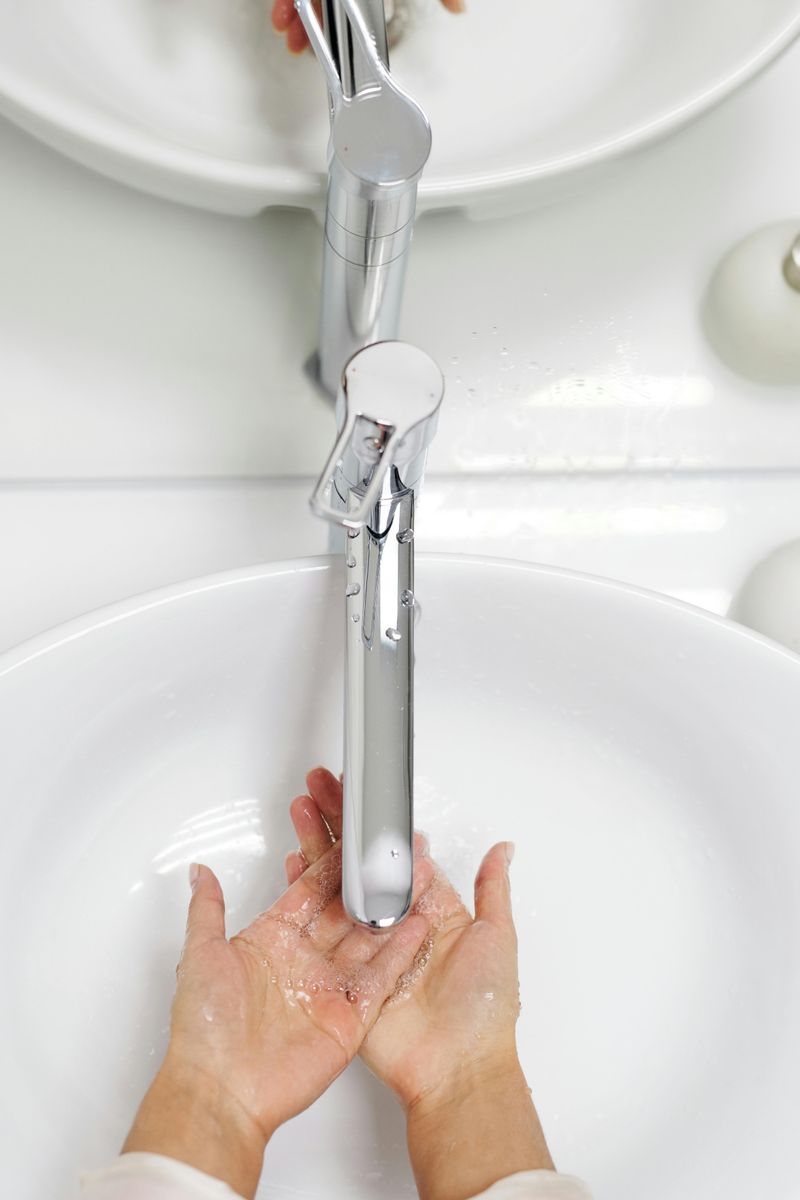
Skipping handwashing after bathroom visits spreads countless germs to everything you touch afterward.
Door handles, phones, and shared items become contaminated, putting others at risk for illness.
Most people notice when someone exits a restroom without stopping at the sink.
They mentally note this unhygienic behavior but feel too uncomfortable to call it out directly.
Proper handwashing takes only twenty seconds and dramatically reduces disease transmission.
Using soap and warm water protects both your health and the wellbeing of those around you.
Making this habit automatic shows consideration for community health standards everyone expects.
3. Leaving smelly leftovers in the fridge for weeks
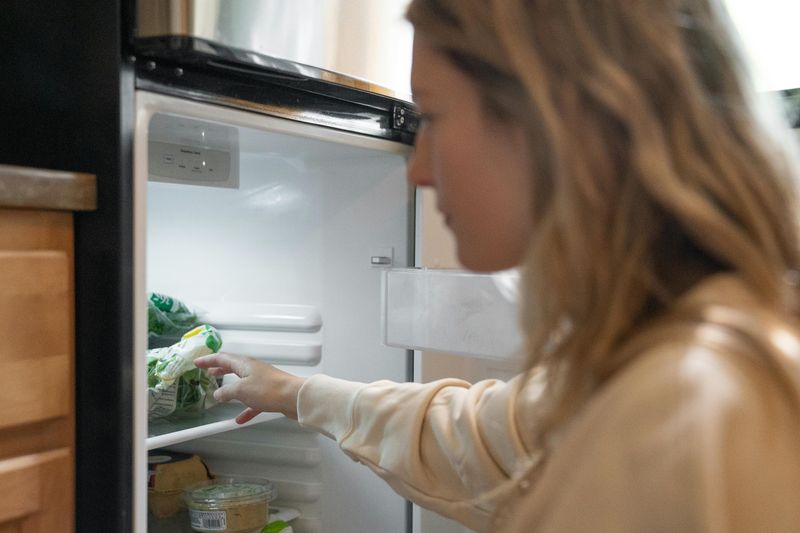
Forgotten food containers gradually transform into science experiments that assault everyone’s nose.
When roommates or family members open the refrigerator, they encounter unpleasant odors from your neglected meals.
Old leftovers also take up valuable space others could use.
People feel frustrated having to navigate around your moldy containers but often avoid confrontation.
Setting a weekly reminder to check expiration dates keeps your fridge fresh and considerate.
Tossing spoiled food promptly prevents smells from spreading to other items.
Your household will silently appreciate coming home to a clean-smelling kitchen instead of mystery stenches emanating from forgotten takeout boxes.
4. Clipping nails in shared spaces
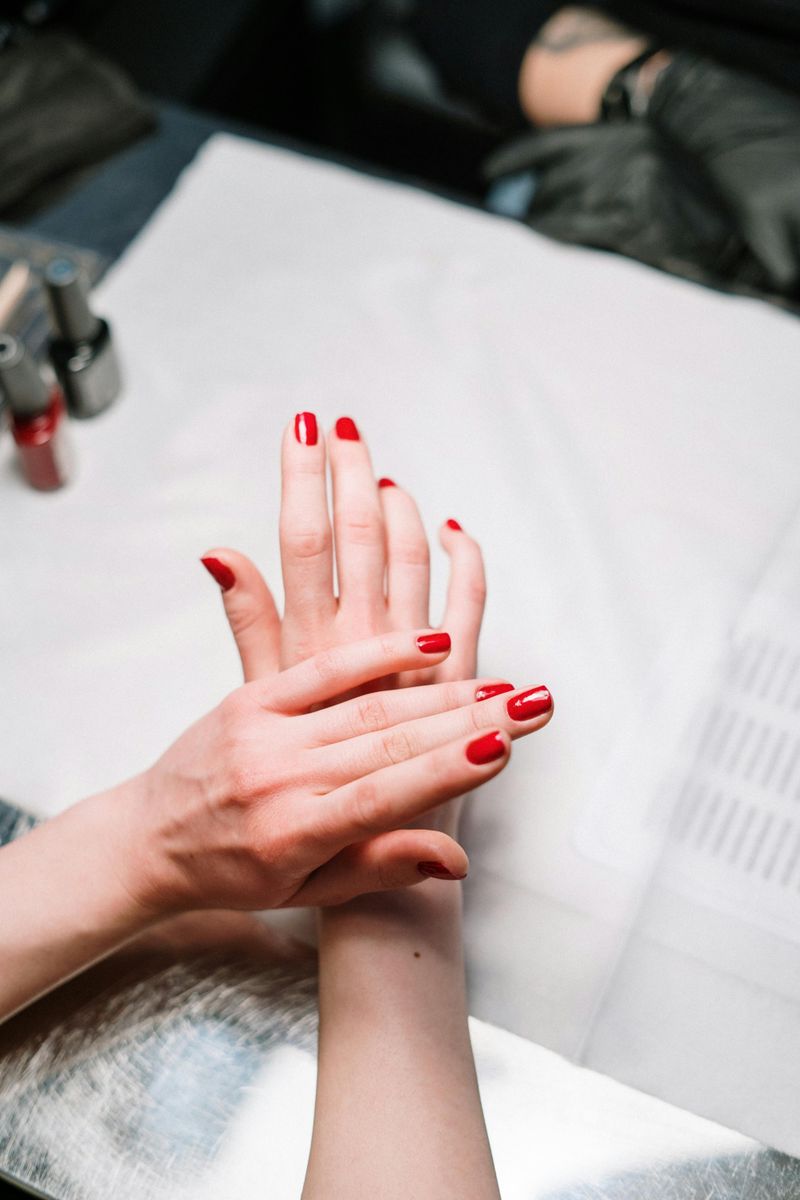
Few things gross people out more than watching someone trim their nails at a desk or on the couch.
The snipping sound alone makes others uncomfortable, while flying nail clippings add another level of disgust.
Public grooming belongs in private bathrooms, not common areas where people eat or relax.
Coworkers and family members internally recoil but usually stay quiet to avoid embarrassing you.
Taking nail care to the bathroom with proper cleanup shows awareness of social boundaries.
This personal hygiene task takes minimal time in private and spares others from witnessing your grooming routine.
Keeping such activities behind closed doors maintains everyone’s comfort level.
5. Sneezing or coughing without covering your mouth

Uncovered sneezes launch thousands of droplets into the air, spreading germs across several feet.
People nearby instinctively recoil when witnessing this, worried about catching whatever you might be carrying.
Using your elbow or a tissue takes zero extra effort but makes a huge difference.
This courteous gesture shows you care about not making others sick.
Even if you feel healthy, covering coughs and sneezes remains essential etiquette.
Invisible particles travel farther than you realize, landing on surfaces and people around you.
Developing this reflexive habit protects community health and shows basic consideration that everyone silently expects from those around them.
6. Touching shared surfaces then eating without cleaning hands

Grabbing snacks immediately after handling doorknobs, keyboards, or shopping carts transfers countless bacteria to your food.
Observers notice this careless behavior and mentally judge your hygiene standards.
Shared surfaces collect germs from dozens or hundreds of people daily.
Touching these then eating without washing seems oblivious to basic cleanliness.
Carrying hand sanitizer or simply washing before meals prevents unnecessary illness.
This quick step between touching public items and consuming food demonstrates awareness of how germs spread.
People around you will respect your attention to hygiene, even if they never voice their relief at not sharing food with someone who ignores contamination risks.
7. Not replacing the toilet paper roll when it’s empty
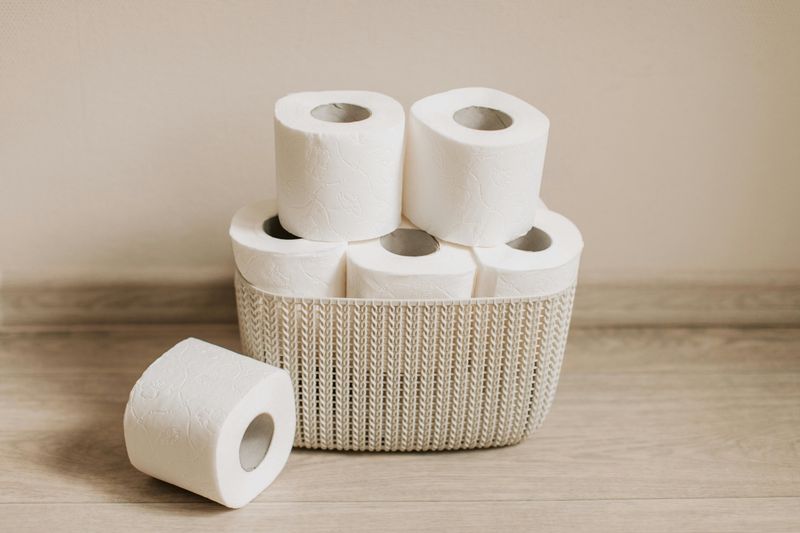
Running out of toilet paper creates panic for the next person who discovers your laziness.
This inconsiderate oversight forces others into uncomfortable situations that could have been easily prevented.
Replacing an empty roll takes literally ten seconds.
Choosing not to do this signals you expect others to clean up after you, which breeds quiet resentment.
Keeping spare rolls nearby and swapping them when empty shows basic household responsibility.
Family members and roommates notice who contributes to shared spaces versus who takes without giving back.
This tiny action speaks volumes about whether you think of others or only yourself in communal living situations.
8. Wearing shoes on clean indoor floors

Shoes track in dirt, bacteria, and whatever else you stepped in outside throughout the day.
Many cultures consider this practice deeply disrespectful, though Americans often overlook it.
Hosts who maintain spotless homes internally cringe when guests refuse to remove footwear.
They rarely demand shoe removal to avoid seeming rude or uptight.
Asking about shoe preferences when entering someone’s home shows cultural awareness and respect.
Removing shoes at the door keeps floors cleaner and reduces allergens indoors.
This considerate gesture requires minimal effort but demonstrates you value maintaining the cleanliness standards of spaces you visit, something homeowners deeply appreciate even without saying so.
9. Leaving wet towels lying everywhere

Damp towels tossed on beds or floors create mildew smells and potential mold problems.
Roommates and family members grow frustrated finding your soggy towels draped over furniture instead of hanging properly.
Wet fabric needs air circulation to dry, which doesn’t happen crumpled in piles.
This careless habit damages towels and creates unpleasant odors throughout living spaces.
Hanging towels on racks after use prevents mustiness and shows household consideration.
Taking two seconds to spread them properly extends their freshness and keeps shared spaces tidy.
People living with you will silently celebrate not having to move your damp towels or smell that distinctive mildew scent wafting through rooms.
10. Picking something up off the floor and immediately putting it in your mouth

Floors harbor countless germs, dirt particles, and bacteria from shoes and spills.
Watching someone retrieve dropped food and eat it anyway makes observers question their overall hygiene standards.
The five-second rule is a myth that doesn’t actually protect you from contamination.
Germs transfer instantly upon contact, regardless of how quickly you grab something.
Tossing floor food and getting a fresh piece shows sensible judgment about cleanliness.
This small sacrifice prevents potential illness and avoids grossing out anyone watching.
People silently judge this behavior more harshly than you might imagine, viewing it as a sign of questionable hygiene practices overall.