 MomSkoop
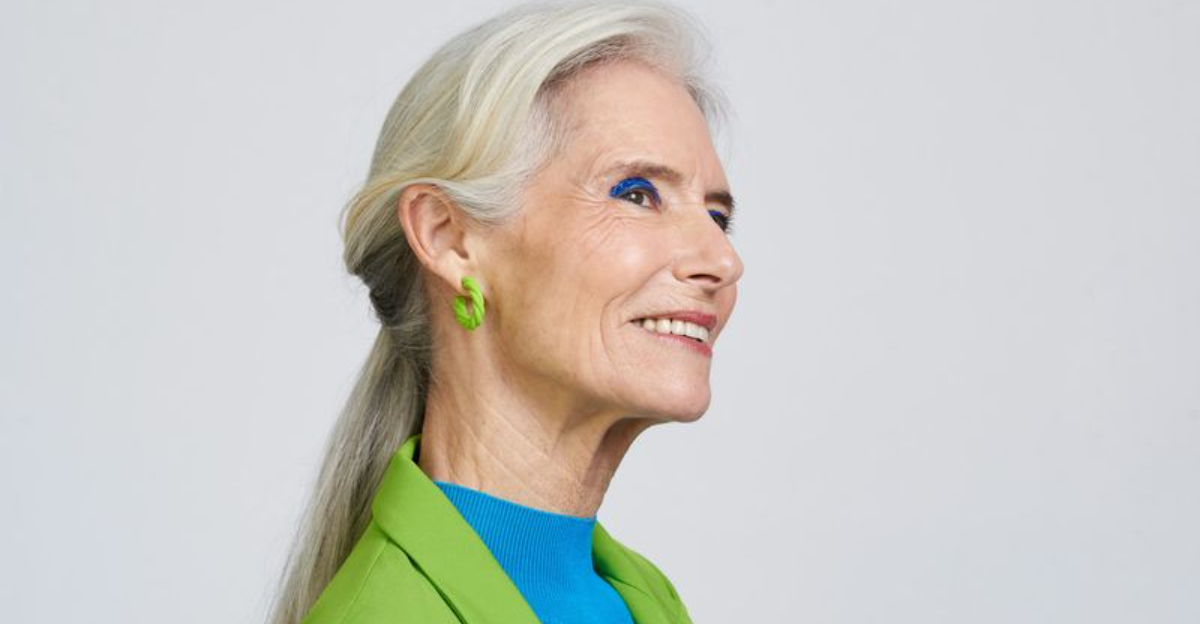
Makeup should enhance your natural beauty, not work against it. As skin matures, certain products and techniques that once worked perfectly can start to emphasize lines, dullness, or texture instead of creating that fresh, radiant finish you want.
The good news is that with a few simple adjustments, you can update your routine and achieve a more youthful, polished appearance that celebrates your age with confidence.
1. Using Heavy, Full-Coverage Foundation
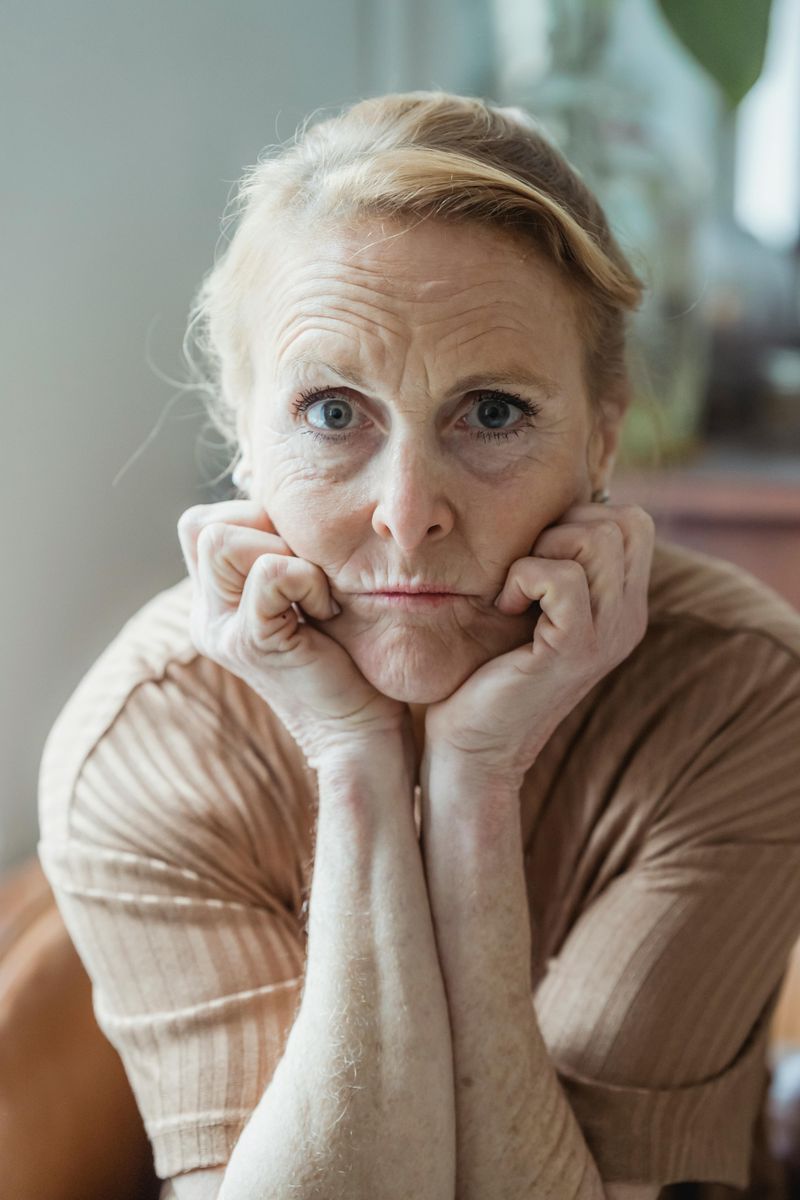
Thick foundation might seem like the answer to covering imperfections, but it actually draws more attention to fine lines and wrinkles.
Heavy formulas have a tendency to settle into creases throughout the day, making texture more visible rather than hiding it.
Mature skin benefits far more from lightweight, hydrating foundations or even tinted moisturizers that let your natural skin peek through.
These products move with your face instead of sitting on top like a mask.
Look for formulas labeled as luminous, dewy, or hydrating to achieve that fresh-faced glow.
Your skin will appear smoother and more radiant without the cakey buildup that ages your appearance.
2. Skipping Skin Prep
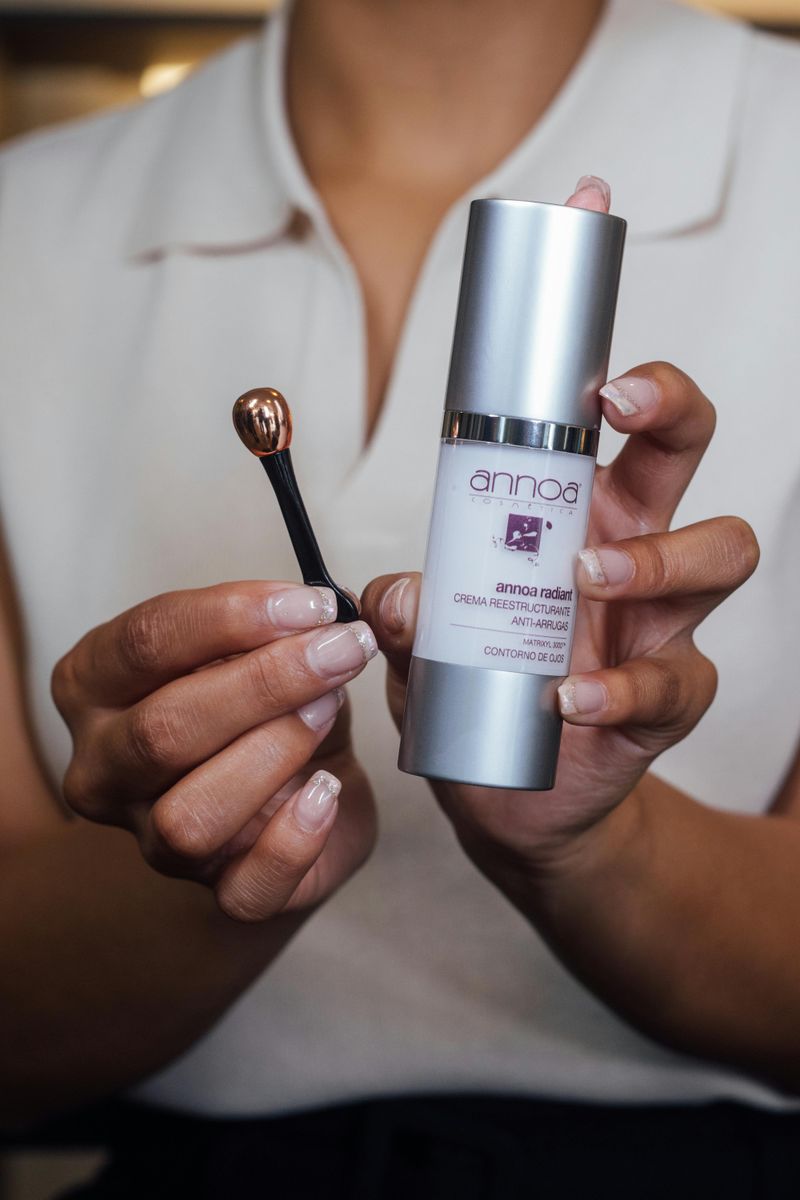
Jumping straight into makeup without preparing your canvas is a recipe for disappointing results.
Dry, unprepped skin causes foundation to cling to rough patches and emphasize every little flaw.
Moisturizer creates a smooth, hydrated base that helps makeup glide on effortlessly.
Primer adds another layer of protection, filling in pores and fine lines while extending the wear time of your products.
Think of skin prep as the foundation for your foundation—it makes everything else work better.
Take those extra few minutes each morning to hydrate and prime, and you’ll notice your makeup looks fresher and more polished all day long.
3. Overusing Powder
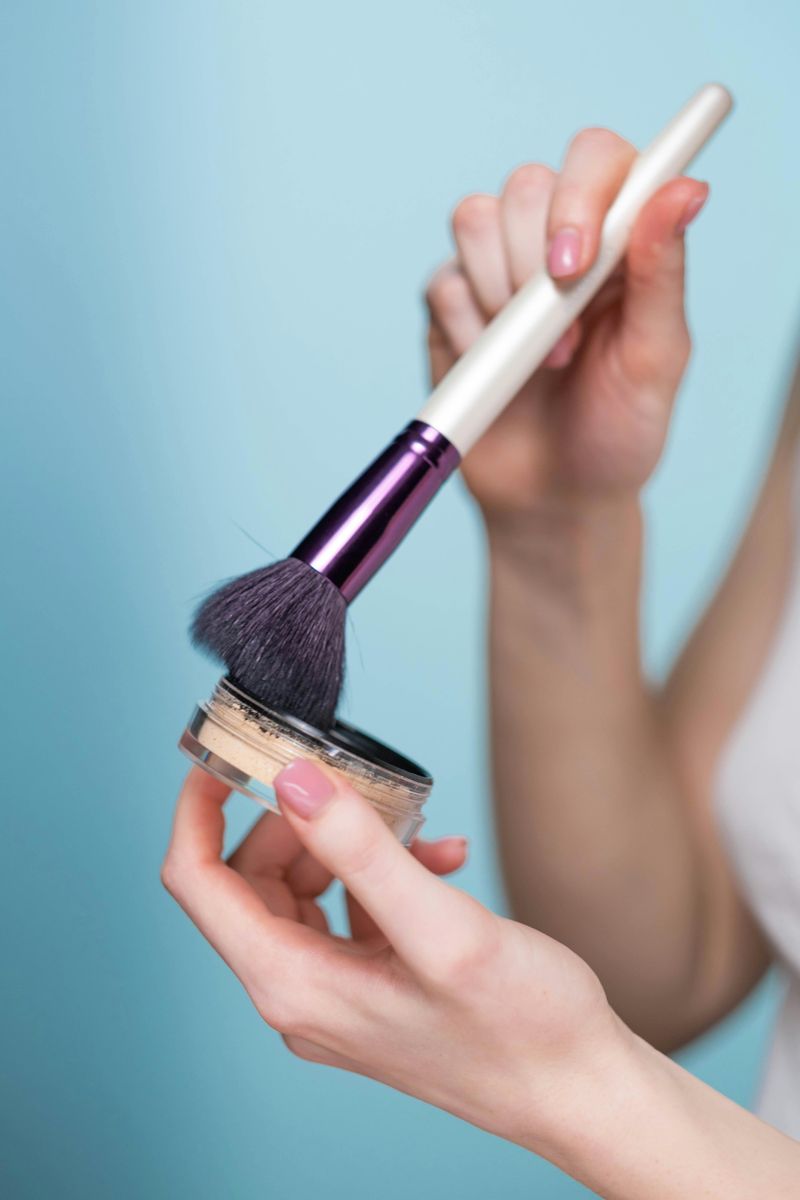
Powder can be helpful for controlling shine, but too much of it creates a dull, flat appearance that emphasizes wrinkles.
When you pile on layers of powder, it settles into every crease and makes skin look older and more textured.
Instead of powdering your entire face, focus only on areas that truly get oily—usually the T-zone.
Use a light hand with a fluffy brush, and consider switching to a finely milled translucent powder that won’t look heavy.
Many women over 60 find they can skip powder altogether by choosing long-wearing, semi-matte foundations.
Your complexion will maintain more dimension and luminosity without that dusty, overdone finish that adds years to your face.
4. Choosing Matte Everything
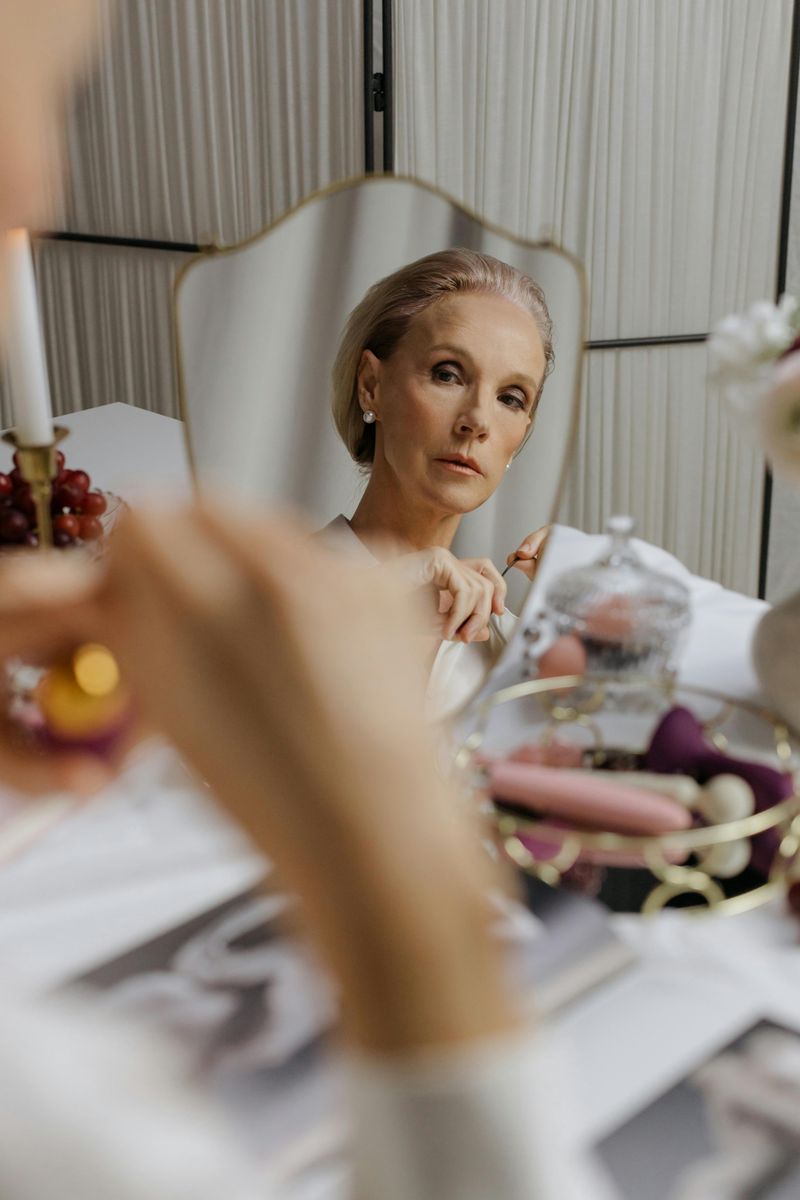
Ultra-matte makeup finishes were trendy for a while, but they can drain all the life and vitality from mature faces.
Completely flat textures make skin appear dull and lifeless, emphasizing dryness rather than creating that healthy, youthful radiance.
Soft satin or luminous finishes reflect light in flattering ways that minimize the appearance of lines and imperfections.
These textures give skin a plump, hydrated look that naturally appears more youthful.
You don’t need to go full-on glittery or shiny—just a subtle glow makes all the difference.
Choose foundations, blushes, and highlighters with gentle luminosity to bring back that fresh-faced vibrancy you’re looking for without looking overdone or greasy.
5. Applying Dark, Harsh Eyeliner
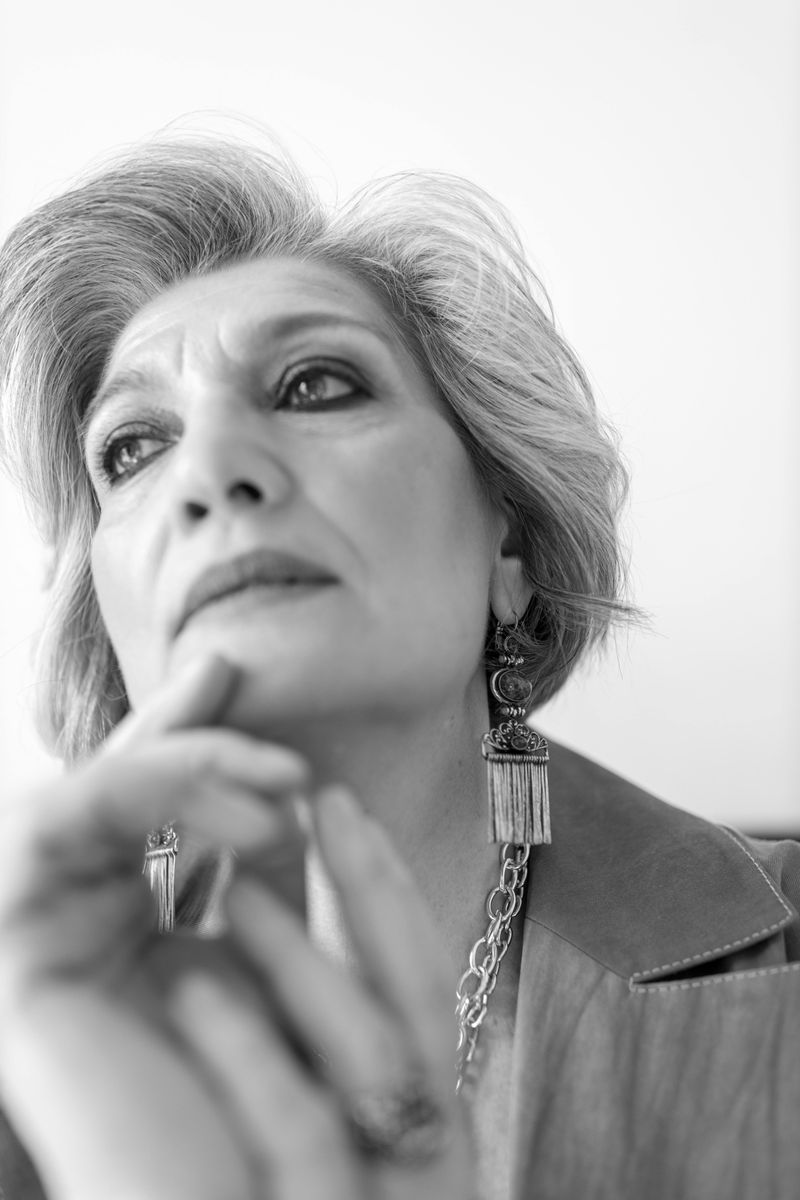
Thick black eyeliner all around the eyes can actually make them look smaller and more closed off.
This harsh look tends to age the face by creating heavy, unflattering lines that draw attention to sagging or hooded lids.
Softer shades like brown, charcoal, navy, or plum offer definition without the severity of jet black.
These gentler colors open up the eyes and create a more approachable, youthful appearance.
Try lining just the upper lash line or smudging a softer shade along the outer two-thirds of your lids.
You can also use a lighter hand with pencil liner instead of dramatic liquid formulas for a more natural effect that still enhances your eyes beautifully.
6. Ignoring Eyebrows
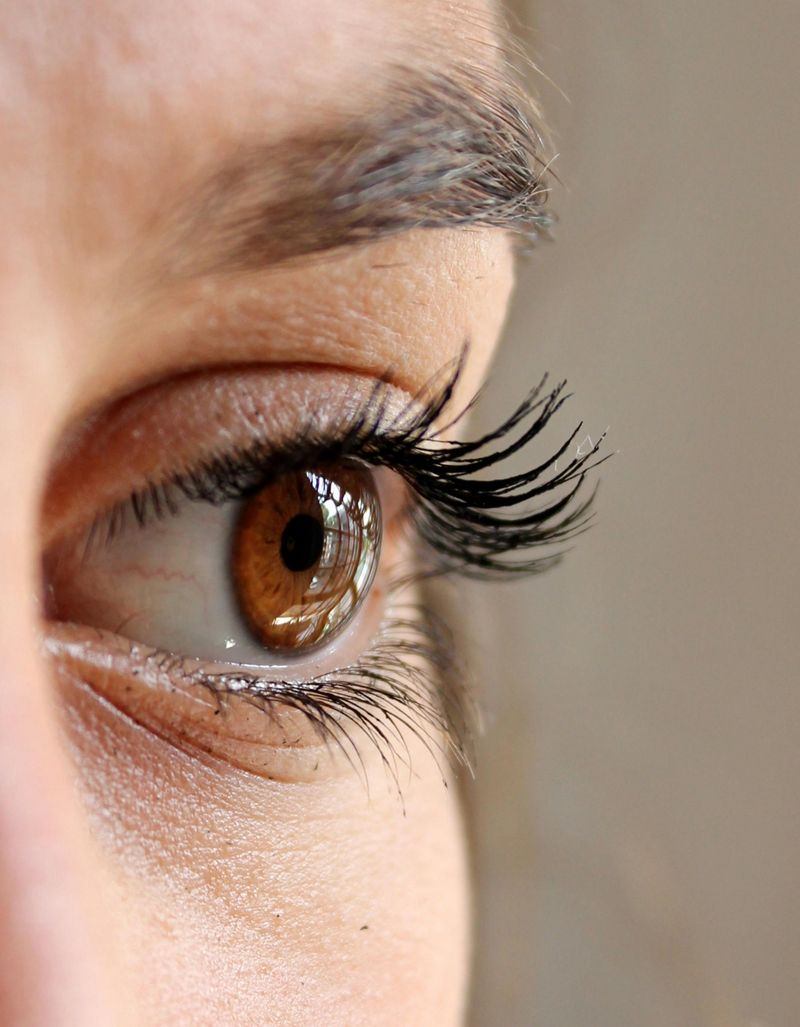
Over-plucked or faded eyebrows can significantly age your entire face by removing structure and balance.
Brows frame your eyes and give your face definition—without them, features can appear washed out or droopy.
Filling in sparse areas with a brow pencil or powder restores that youthful shape and symmetry.
Choose a shade close to your natural hair color, or go slightly lighter if your brows have darkened with age.
Use light, feathery strokes to mimic natural hairs rather than drawing harsh lines.
Well-groomed brows instantly lift your appearance and make you look more polished and awake, proving that this small step makes a surprisingly big difference in your overall look.
7. Using Frosty or Glittery Eyeshadows
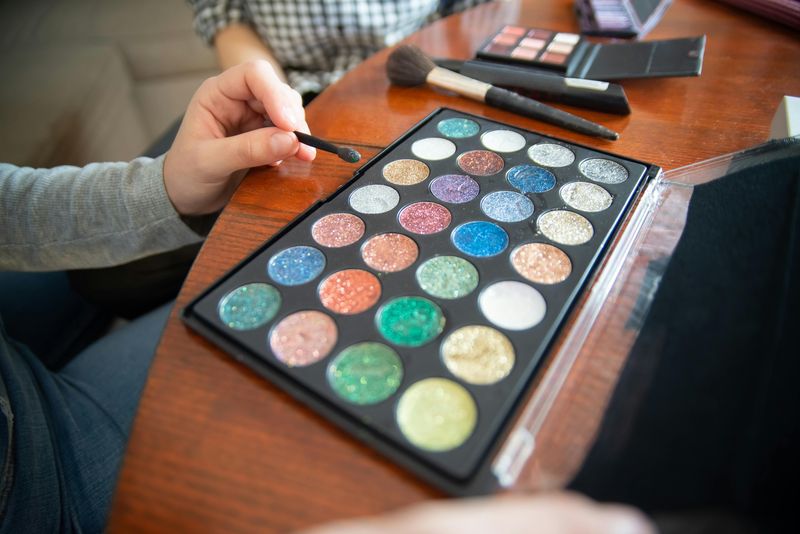
Chunky glitter and frosty shimmers were fun in decades past, but they emphasize crepey eyelids and make texture more noticeable.
These shiny particles settle into fine lines and wrinkles, drawing attention to exactly what you’re trying to minimize.
Soft satin finishes or finely milled sheens provide just enough dimension without the harsh sparkle.
These sophisticated textures catch the light beautifully while smoothing over imperfections rather than highlighting them.
Stick with neutral tones in champagne, taupe, soft bronze, or mauve for an elegant look that enhances your eyes.
You’ll still get that pretty, dimensional effect without looking dated or emphasizing areas you’d rather keep subtle and refined.
8. Applying Blush Too Low or Too Heavily
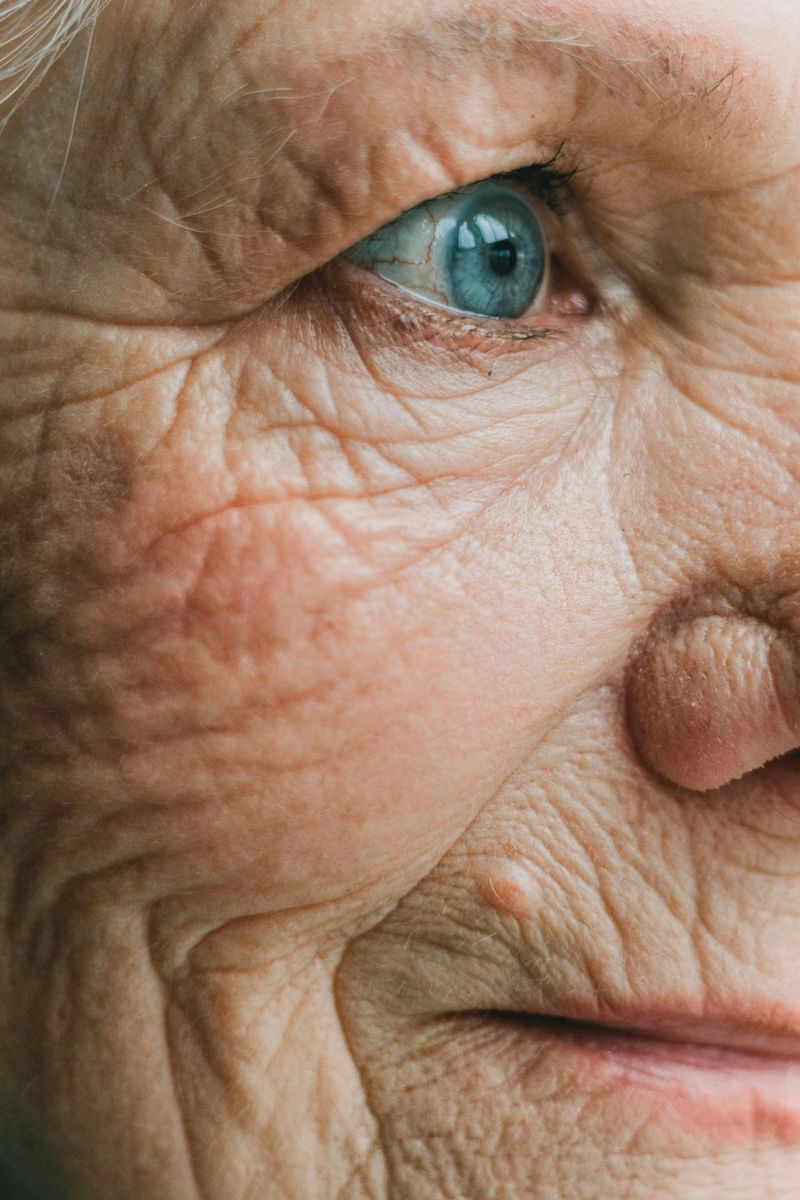
Heavy-handed blush application or placing color too low on the cheeks creates a dragging effect that pulls your face downward.
This mistake makes you look tired and older by emphasizing sagging rather than lifting your features.
Apply blush lightly and place it higher on the cheekbones, sweeping toward your temples.
This technique creates an instant lifting effect that mimics where natural color appears when you smile.
Cream or liquid blushes blend more seamlessly into mature skin than powder formulas, giving a fresh, natural flush.
Choose soft pink, peach, or berry shades depending on your skin tone, and remember that less is always more—you can build up color gradually for a youthful, healthy glow.
9. Wearing Very Dark or Dry Lipsticks
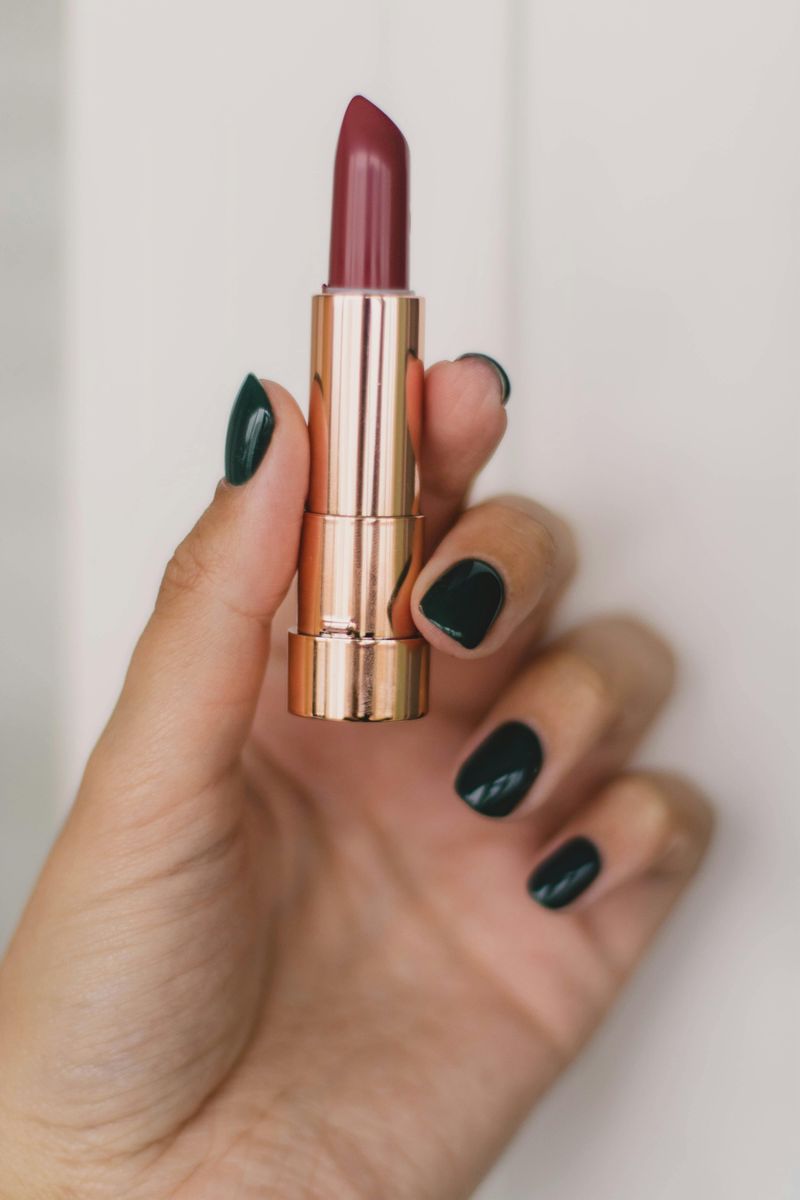
Deep, matte lipsticks can make lips appear thinner and more shriveled, especially when they’re dry or feathery in texture.
Dark shades also tend to emphasize lines around the mouth and make teeth look less bright by comparison.
Creamy or satin formulas in softer tones are far more flattering and forgiving on mature lips.
These hydrating textures plump up the appearance of lips while preventing that shrunken look that ultra-matte products create.
Try rosy pinks, soft corals, mauves, or berry shades that complement your skin tone without overwhelming your face.
Adding a touch of gloss to the center of your lips creates dimension and fullness for an even more youthful, kissable finish.
10. Skipping Lip Liner
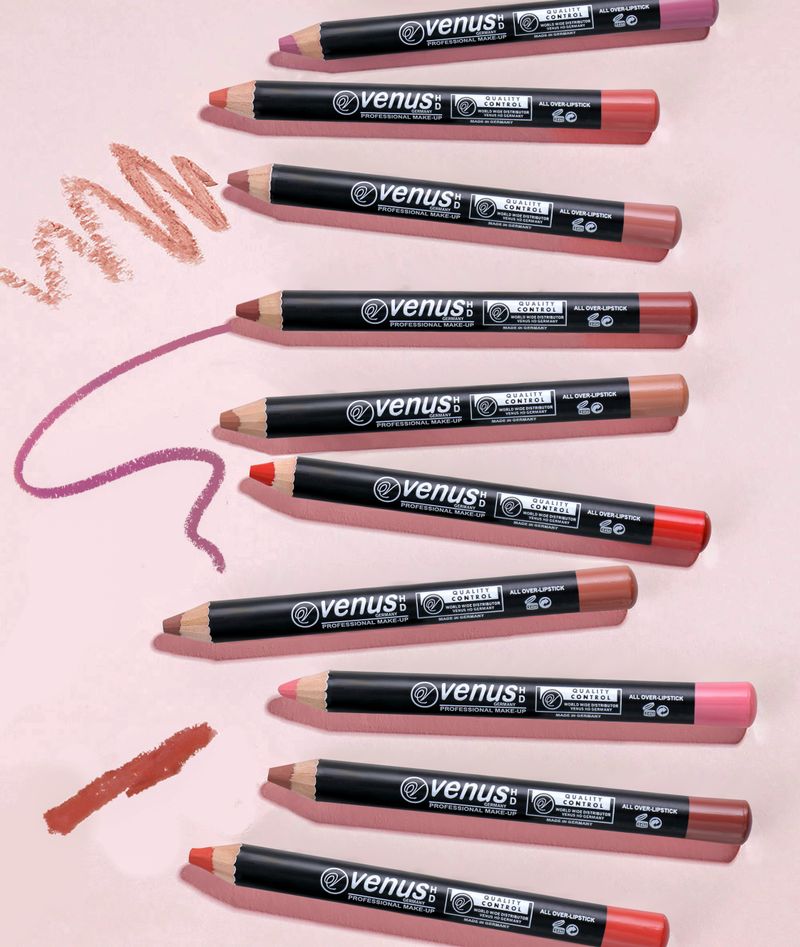
Without liner, lipstick has a tendency to bleed into the fine lines surrounding your mouth, creating an unflattering, messy appearance.
This feathering effect makes you look less polished and draws attention to wrinkles you’d rather minimize.
A neutral lip liner that matches your natural lip color helps define your lip shape and creates a barrier that prevents color from migrating.
You can line just outside your natural lip line to add subtle fullness if desired.
Fill in your entire lips with liner before applying lipstick for even longer-lasting color that won’t budge.
This simple extra step keeps your makeup looking fresh and precise all day, giving you confidence that your lips look perfectly defined from morning to night.
11. Using Concealer That’s Too Thick or Light
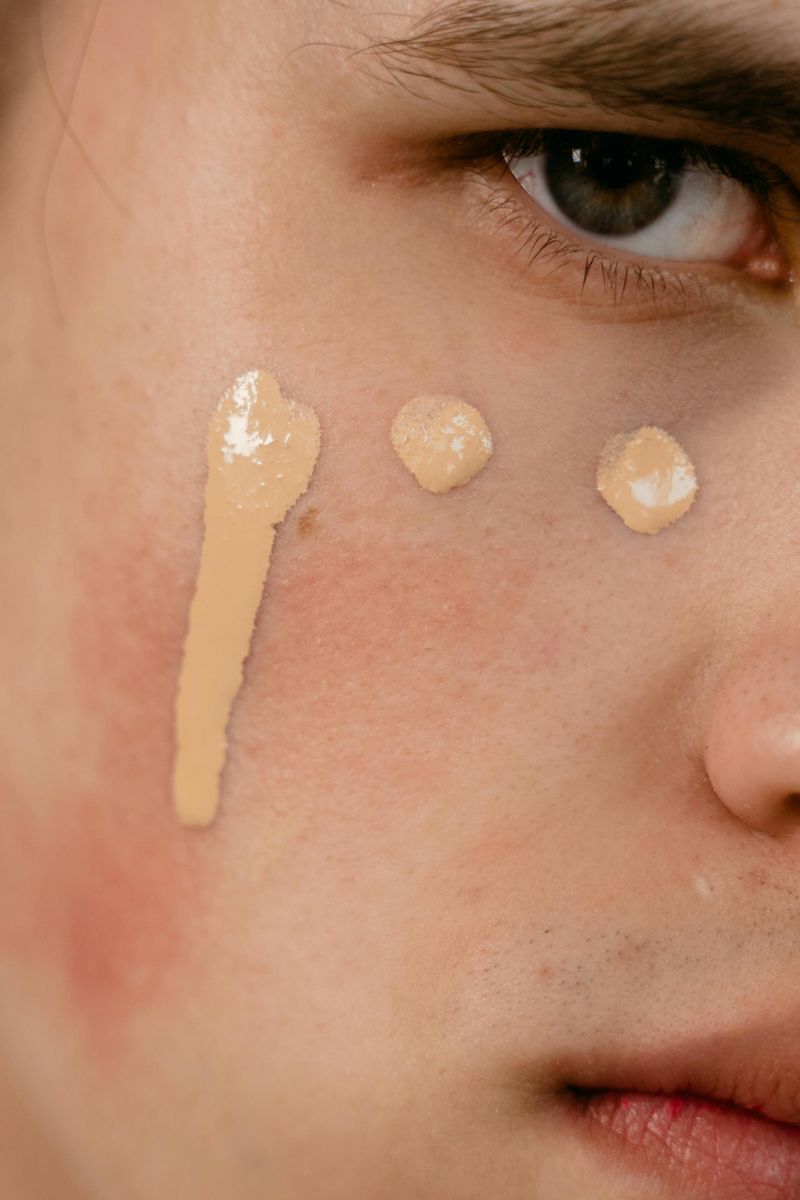
Heavy concealer or shades that are far too light can crease badly under the eyes and actually draw more attention to dark circles and fine lines.
Thick formulas settle into wrinkles throughout the day, creating unflattering texture that emphasizes aging.
Choose a concealer just one or two shades lighter than your foundation, and apply it in thin layers that you blend thoroughly.
Lightweight, hydrating formulas work best for the delicate under-eye area, which needs moisture rather than heavy coverage.
Set concealer with just a tiny amount of powder if needed, or skip powder altogether to prevent creasing.
Less is truly more when it comes to this tricky area—buildable coverage looks far more natural and youthful than thick, mask-like application.
12. Sticking to the Same Makeup Routine for Decades
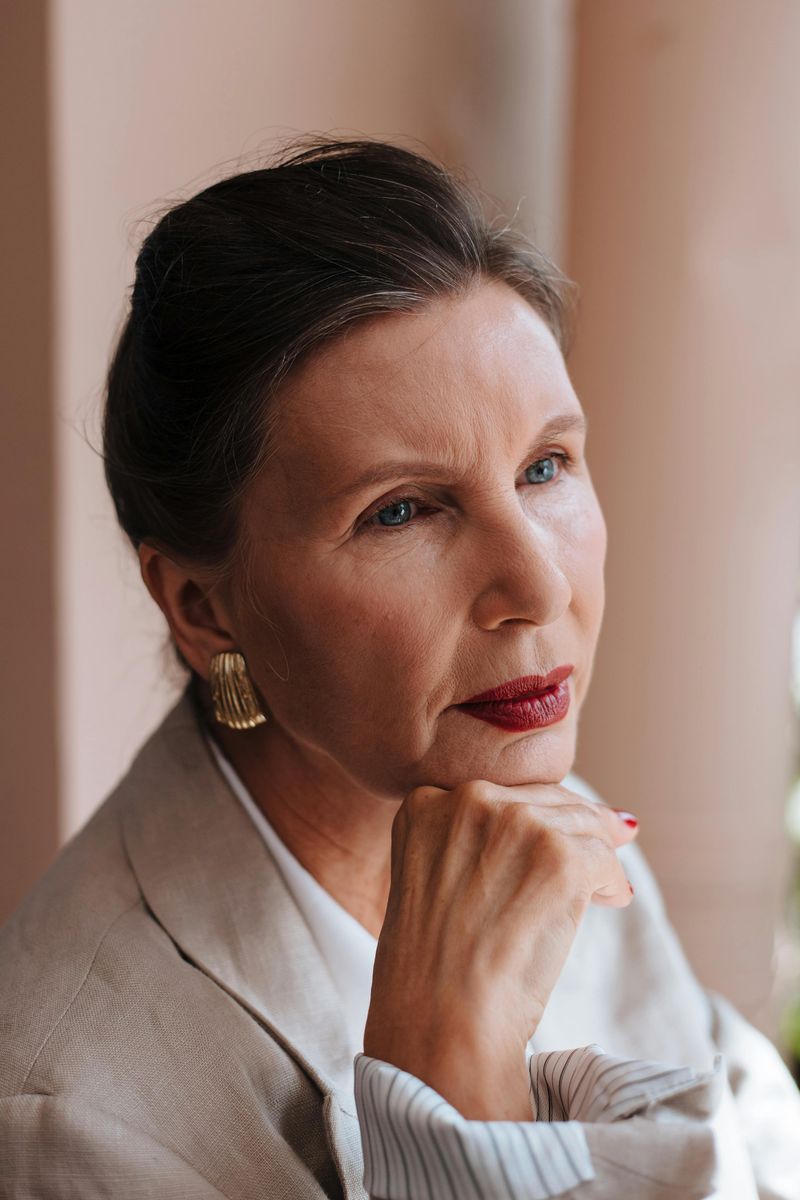
What worked beautifully in your 30s or 40s might not be the most flattering approach now that your skin has changed.
Makeup trends evolve, product formulas improve, and your face naturally requires different techniques as it matures.
Updating your routine doesn’t mean abandoning your signature style—it simply means adapting to what works best for your current features.
Experimenting with new formulas, lighter application methods, and softer color choices can dramatically refresh your entire appearance.
Consider getting a professional makeup consultation or watching tutorials specifically designed for mature skin.
You might discover game-changing products or techniques that make you look and feel more confident, proving that it’s never too late to learn something new and exciting.