 MomSkoop
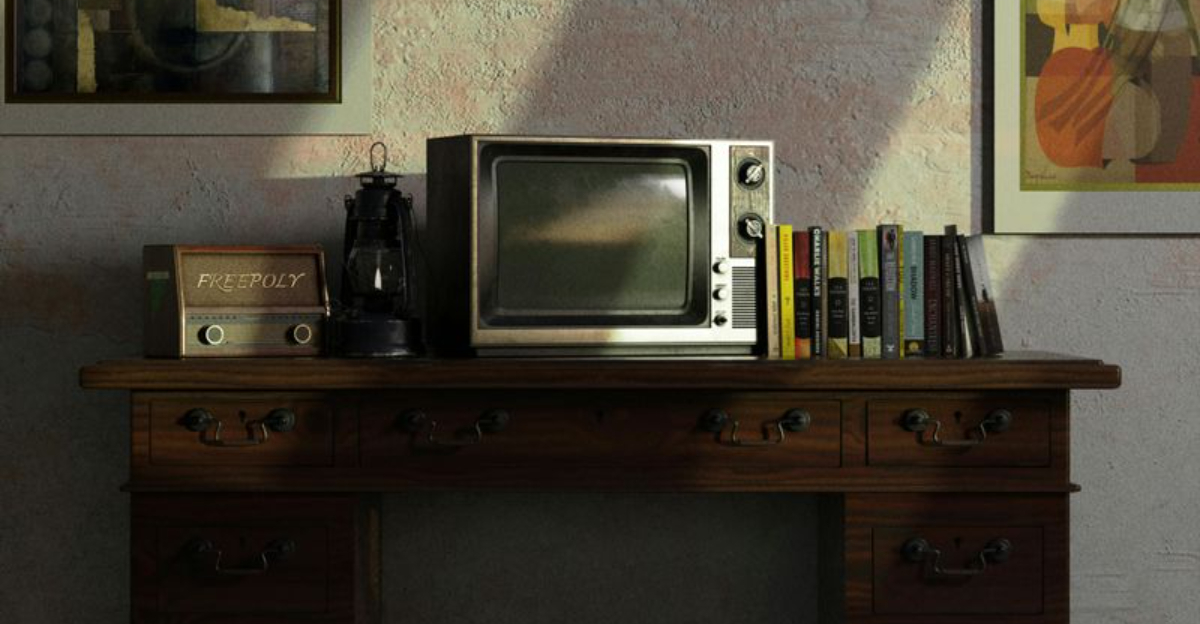
Growing up in the Baby Boomer generation meant experiencing a world that looked very different from today. Everyday items and experiences that seemed permanent have quietly faded into history, replaced by modern technology and changing lifestyles.
From the way people communicated to how they entertained themselves, countless familiar things have vanished from our daily lives. This nostalgic journey explores thirteen once-common items that defined the Boomer era but have now largely disappeared.
1. Milk Delivery

Remember when fresh milk appeared on your doorstep like magic every morning?
The friendly neighborhood milkman drove his route before sunrise, leaving cold glass bottles in insulated boxes.
Families placed empty bottles outside for pickup, and the milkman would replace them with fresh dairy products.
This personal service created a special bond between the delivery person and customers who saw him several times each week.
Refrigeration improvements and supermarket convenience eventually made this charming tradition unnecessary.
Today, most people have never experienced the satisfying clink of glass milk bottles or the cream layer that floated to the top.
2. Rotary Phones
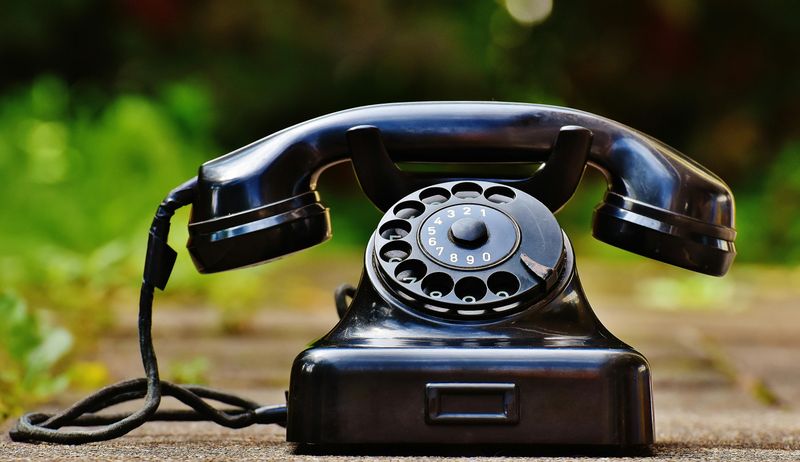
With a heart full of patience, Boomers mastered the art of dialing phone numbers one finger rotation at a time.
Each number required inserting your finger into the corresponding hole and rotating the dial clockwise until it hit the metal stop.
Wrong numbers meant starting the entire tedious process over again.
The satisfying mechanical clicking sound became the soundtrack of telephone conversations across America.
These heavy, virtually indestructible devices lasted for decades and came in trendy colors like avocado green and harvest gold.
Kids today would struggle to understand how anyone tolerated such slow communication technology.
3. Typewriters
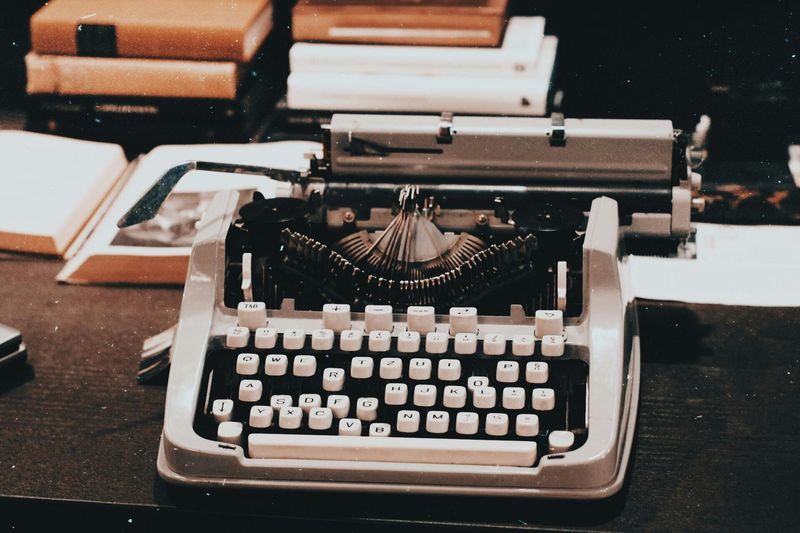
The rhythmic clacking of typewriter keys once filled offices, newsrooms, and home studies across the country.
Writers hammered away at metal keys that struck ink-soaked ribbons against paper, creating permanent impressions with each letter.
Mistakes required messy correction fluid or starting completely over on a fresh sheet.
Carbon paper allowed making copies, but the process was far from perfect.
Touch-typing became an essential skill taught in schools, and secretaries were valued for their speed and accuracy.
The satisfying ding at the end of each line signaled time to manually return the carriage.
4. TV Test Patterns
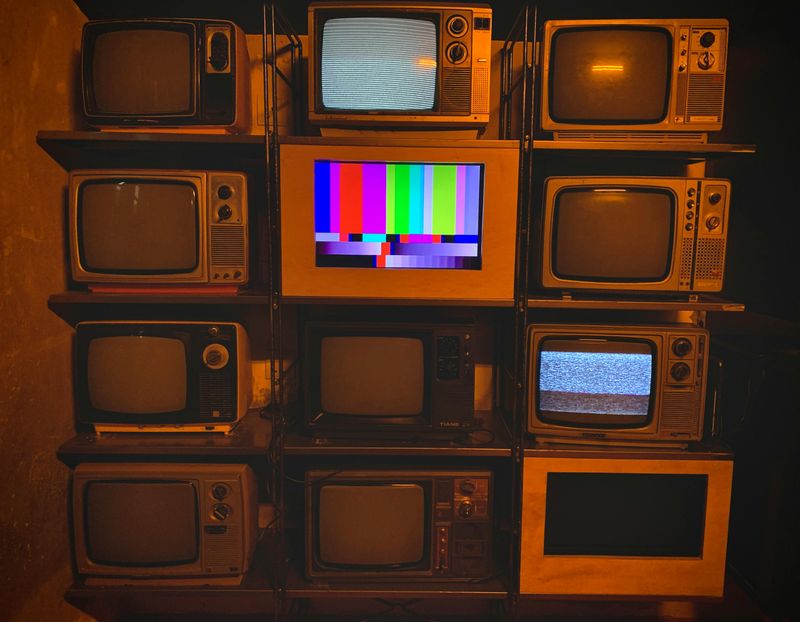
Did you know? Television stations actually stopped broadcasting for several hours each night, leaving only a geometric test pattern on screen.
The famous Indian Head pattern or colorful bars appeared when programming ended, usually around midnight or 1 AM.
A high-pitched tone accompanied the image, creating an eerie atmosphere in darkened living rooms.
This concept seems bizarre to modern viewers accustomed to endless streaming content available any time.
Boomers learned that entertainment had scheduled hours, and late-night TV watching meant staring at static or test patterns until morning programming resumed.
5. Record Stores
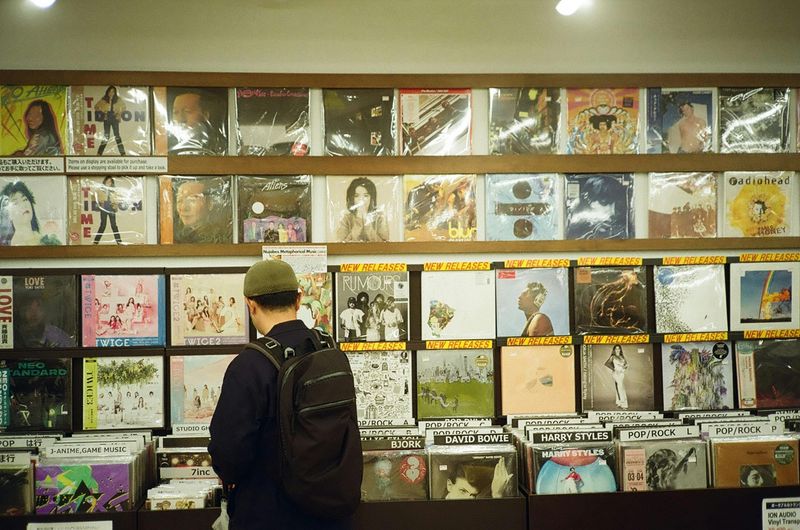
Every weekend adventure included browsing through bins of vinyl albums at the local record store.
Music lovers spent hours flipping through records, examining album artwork, and discovering new artists.
Knowledgeable staff offered recommendations, and listening stations let customers preview albums before purchasing.
The distinctive smell of new vinyl and cardboard sleeves filled these cultural gathering spots.
Buying music was a social experience that connected people through shared tastes and passionate discussions.
Tower Records, Sam Goody, and countless independent shops have vanished, replaced by invisible digital downloads that lack the tactile joy of physical albums.
6. Phone Booths
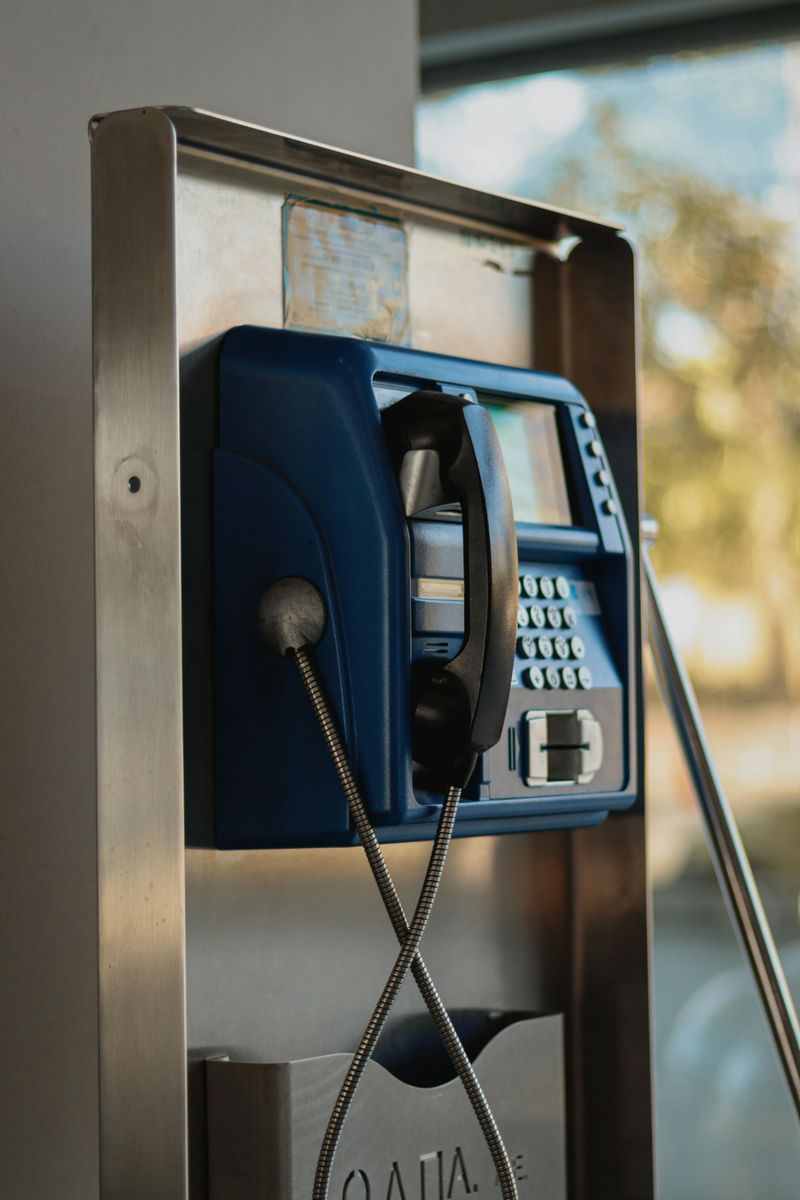
Superman needed them for quick changes, and everyone else needed them for emergency calls when away from home.
These glass or metal enclosures stood on street corners, in gas stations, and outside restaurants everywhere.
Each booth contained a payphone, phone book, and sometimes a small bench.
Callers fed coins into slots while operators occasionally assisted with collect calls.
The privacy they offered was precious in an era before mobile phones.
Today, these communication lifelines have become rare relics, with most Americans carrying smartphones that make public phones completely obsolete.
7. Paperboys

Before dawn broke, young entrepreneurs pedaled through neighborhoods tossing rolled newspapers onto driveways and porches.
This classic first job taught responsibility, time management, and customer service to generations of teenagers.
Paperboys collected payments door-to-door each month, learning valuable money-handling skills.
The canvas delivery bag became a badge of honor worn proudly across the shoulder.
Rain, snow, or shine, these dedicated kids ensured morning news arrived reliably.
Adult carriers in vehicles have largely replaced the bicycle-riding youth, while digital news has reduced physical newspaper subscriptions dramatically.
8. Drive-In Theaters
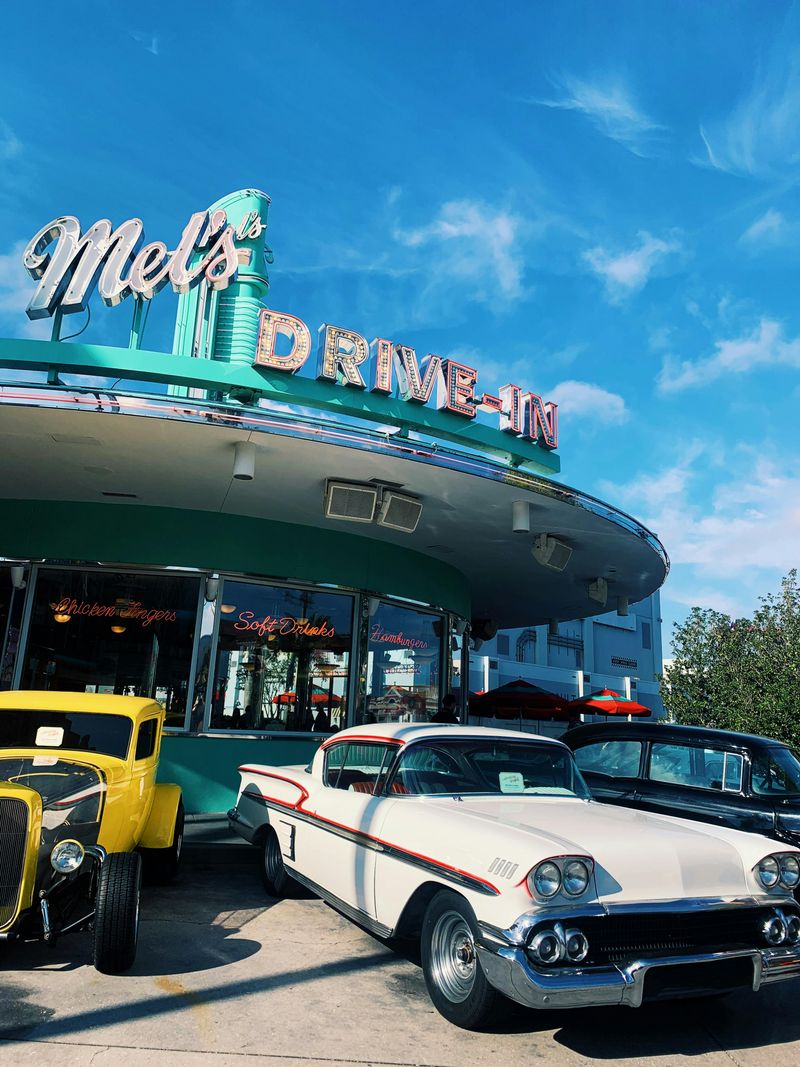
Summer nights at the drive-in created magical memories under starry skies.
Families arrived in station wagons, backing into spots to watch movies projected on enormous outdoor screens.
Metal speaker boxes hung on car windows, delivering tinny but exciting audio.
Kids wore pajamas and played on playground equipment before showtime.
Teenagers found romantic privacy in the back rows, while parents enjoyed affordable entertainment for the whole family.
The concession stand intermission featured dancing hot dogs and popcorn animations that became iconic.
Most drive-ins closed as land values increased and multiplex theaters offered superior picture and sound quality.
9. Metal Ice Cube Trays

Making ice required strength, patience, and occasionally a few choice words.
These aluminum trays featured a lever mechanism that theoretically released frozen cubes when lifted.
Reality involved wrestling with stuck ice, bending the tray back and forth, and sometimes running warm water underneath.
The metal conducted cold efficiently but often bonded stubbornly to ice.
Fingers frequently got pinched in the mechanical release lever.
Modern plastic trays and automatic ice makers have eliminated this frustrating kitchen chore entirely.
Yet some Boomers remember these contraptions with odd fondness, perhaps because successfully extracting ice felt like a genuine accomplishment.
10. Library Card Catalogs

Finding books meant mastering the mysterious Dewey Decimal System and navigating rows of wooden drawers.
Each small drawer contained hundreds of index cards typed with book information, organized by author, title, or subject.
Researchers pulled out long drawers, flipping through cards to locate call numbers for desired books.
The process required concentration, patience, and decent handwriting to copy information correctly.
Librarians were essential guides through this complex filing system.
Computerized databases have replaced these beautiful wooden cabinets, making searches instant but removing the tactile satisfaction of physically hunting through cards.
11. Manual Car Windows
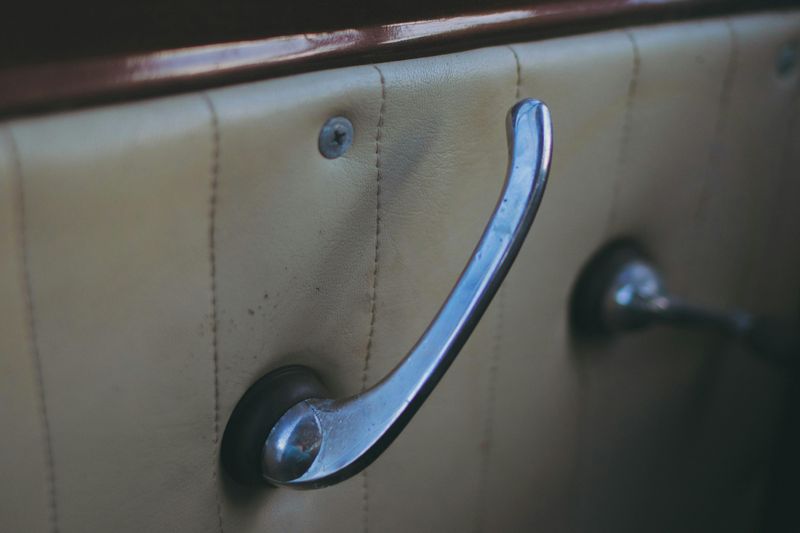
Building arm muscles happened every time you needed fresh air while driving.
Passengers cranked circular handles in clockwise circles, manually raising and lowering car windows through pure physical effort.
The mechanism occasionally stripped gears, leaving windows stuck in inconvenient positions.
Reaching across to roll down the passenger window while driving required impressive flexibility.
Kids quickly learned that playing with window cranks annoyed parents on long trips.
Power windows gradually became standard features, making manual cranks seem primitive and exhausting.
Today, many young people have never experienced the simple satisfaction of cranking a window open themselves.
12. Ashtrays Everywhere
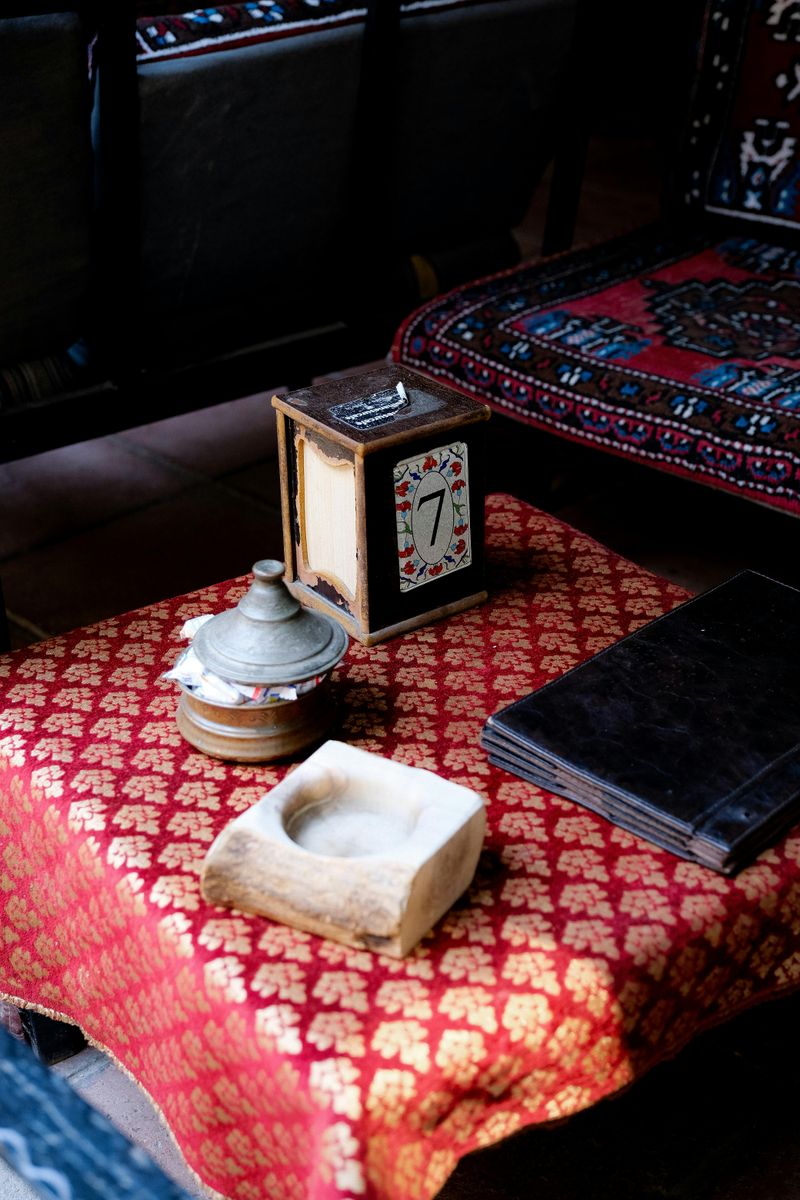
Smoking was so common that ashtrays appeared in every conceivable location throughout society.
Restaurants provided them on every table, airplanes installed them in armrests, and doctor offices kept them in waiting rooms.
Cars came with built-in dashboard ashtrays as standard equipment.
Even elevators and grocery stores accommodated smokers freely.
The concept of smoke-free environments barely existed, and non-smokers simply tolerated constant secondhand smoke.
Public health awareness has transformed smoking from socially acceptable to largely prohibited indoors.
The ubiquitous ashtray has vanished along with smoking in most public spaces.
13. Encyclopedias

Before Google, families invested hundreds of dollars in leather-bound encyclopedia sets that promised to contain all human knowledge.
These impressive collections lined bookshelves in dens and living rooms, representing educational commitment and middle-class achievement.
Students pulled out heavy volumes to research school reports, carefully reading entries and taking handwritten notes.
Door-to-door salespeople convinced parents that encyclopedias were essential for academic success.
Annual yearbook updates kept information current, though world events quickly made volumes outdated.
The internet has made these once-prized reference books completely obsolete, valuable only as nostalgic decorations or curiosities.