 MomSkoop
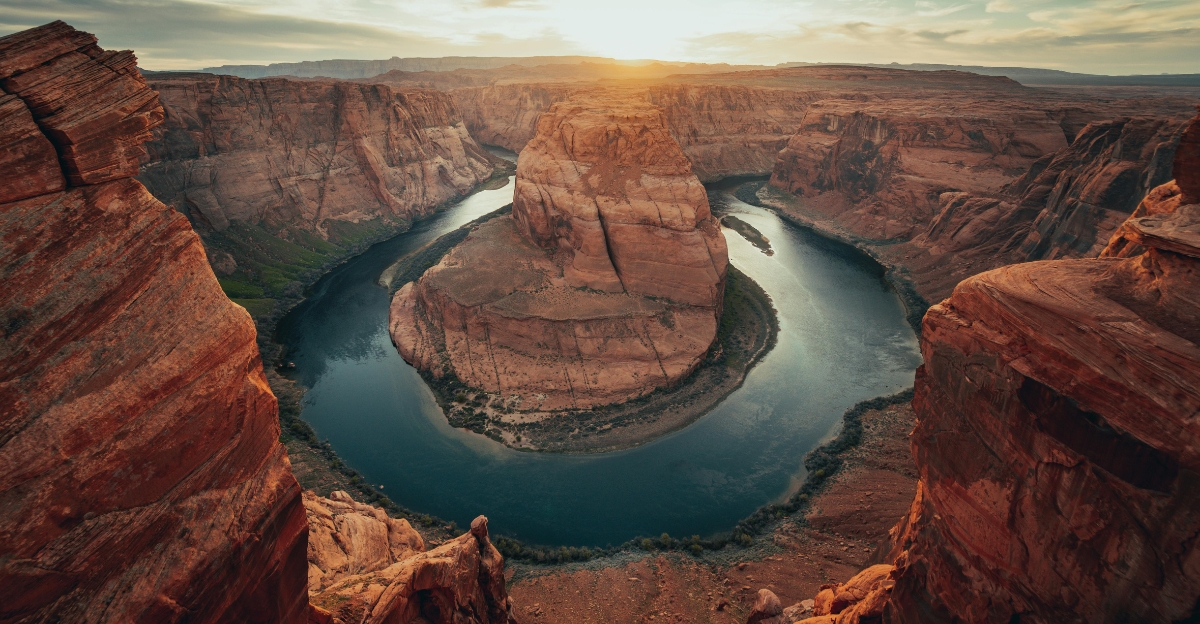
When winter arrives, many travelers pack away their hiking boots and assume national parks close for the season.
But some of America’s most stunning landscapes transform into quiet wonderlands when snow and ice take over.
From dramatic geysers steaming against snowy backdrops to red rock arches glowing under crisp winter skies, these parks offer unforgettable experiences without the summer crowds.
1. Yellowstone National Park
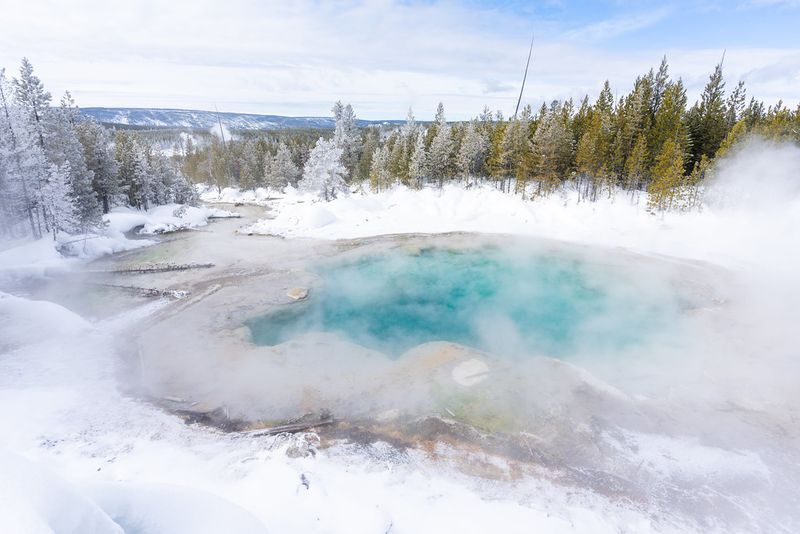
Steam rises like dragon’s breath from Old Faithful while bison trudge through deep powder, creating scenes that look straight out of a fantasy novel.
Winter transforms America’s first national park into something truly otherworldly.
The geothermal features become even more dramatic when temperatures drop below freezing.
Hot springs glow brilliant blue against white snow, and frost coats every tree branch near the steaming vents.
Wildlife watching reaches peak excitement during these cold months.
Wolves hunt elk across snowy valleys, and you might spot otters playing in partially frozen streams without battling summer crowds.
2. Yosemite National Park
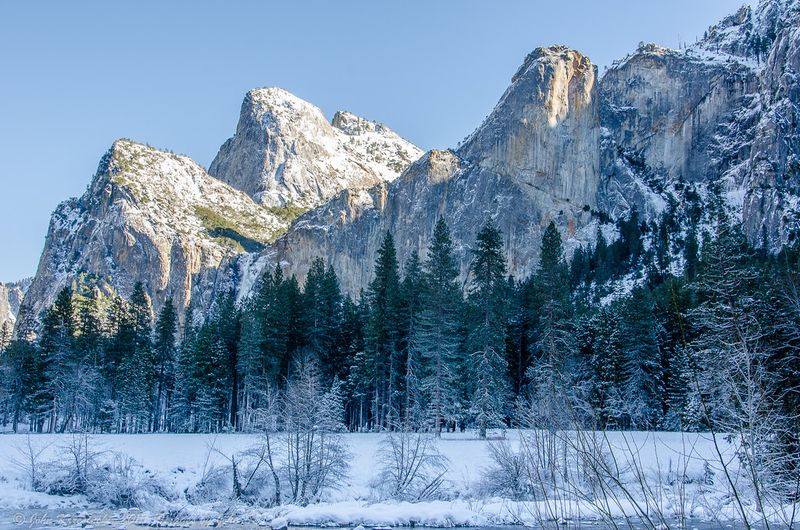
Half Dome wears a crown of fresh snow while icicles hang from cliff faces like crystal chandeliers.
California’s granite wonderland trades its green meadows for a blanket of white that makes every view feel brand new.
Waterfalls freeze into spectacular ice sculptures when temperatures plummet.
Yosemite Falls sometimes appears as a delicate frozen ribbon against the massive stone walls.
Photographers travel from around the world to capture these winter scenes.
The contrast between dark granite and bright snow creates pictures that belong in art galleries, and you’ll have popular viewpoints almost to yourself.
3. Rocky Mountain National Park
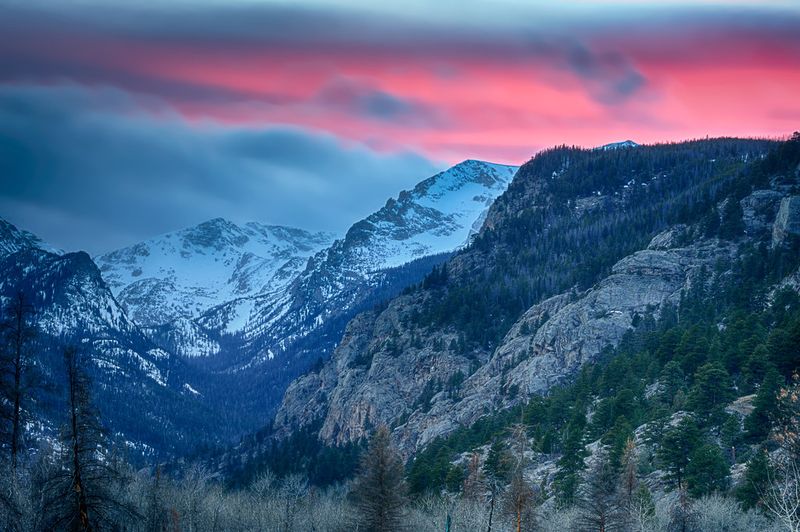
Alpine meadows disappear under blankets of powder so deep you could get lost in their beauty.
Colorado’s mountain paradise becomes a backcountry skier’s dream when winter storms roll through the high country.
Trail Ridge Road closes to cars, but that just means more space for snowshoers and cross-country skiers.
Elk gather in lower elevations where you can watch them without hiking miles into the wilderness.
The silence up here feels almost sacred during winter months.
Without summer traffic and crowds, you hear only wind whistling through pines and your own breathing in the thin mountain air.
4. Bryce Canyon National Park
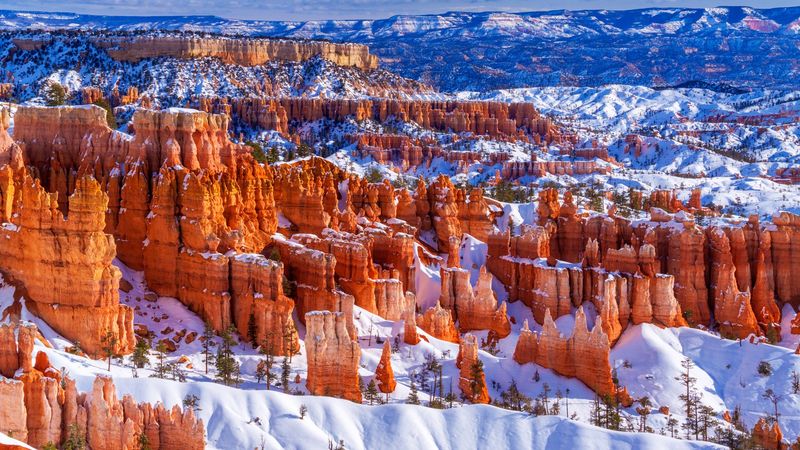
Imagine thousands of orange and red stone towers rising from a sea of white powder.
Utah’s most unusual landscape looks like someone sprinkled powdered sugar over a city of ancient rock skyscrapers.
The hoodoos seem to glow even brighter against fresh snow.
Morning light turns them pink and gold while shadows between the formations deepen to purple and blue.
Winter brings fewer than half the visitors you’d encounter in summer.
You can stand at Sunset Point or Inspiration Point and feel like you’ve discovered this alien landscape all by yourself on a quiet January morning.
5. Zion National Park
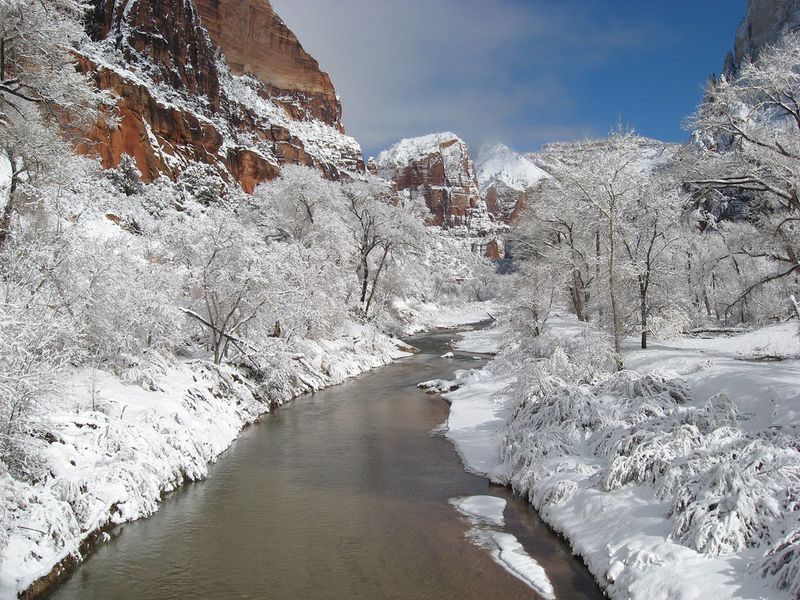
Red sandstone walls tower above the Virgin River while crisp winter air makes every breath feel refreshing.
Southern Utah’s famous canyon trades scorching heat for comfortable hiking temperatures that make those steep trails much more enjoyable.
Angels Landing and The Narrows become accessible without the risk of heatstroke.
Snow occasionally dusts the high cliffs, creating stunning contrasts against rust-colored rock.
The park stays open year-round, but winter means you’ll actually find parking at popular trailheads.
Sunrises paint the canyon walls in shades of pink and orange without dozens of other photographers crowding your shot.
6. Grand Teton National Park
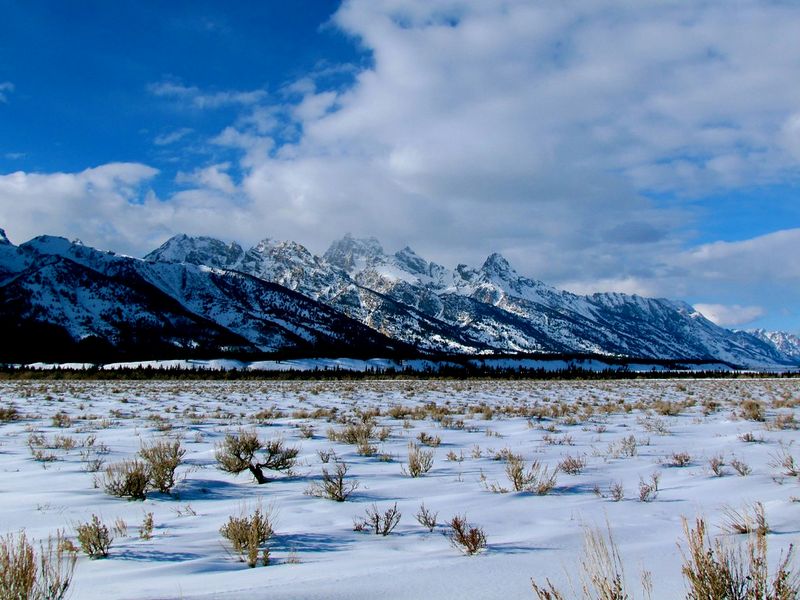
Jagged peaks pierce the Wyoming sky like the teeth of some ancient giant.
Winter light hits these mountains differently than summer sun, creating shadows and highlights that make photographers weep with joy.
Jackson Lake freezes solid enough for ice fishing, while moose browse willows along the Snake River.
The mountains reflect perfectly in patches of open water when conditions align just right.
Cross-country skiing through the valleys offers views that rival any postcard.
You might share the trail with a fox hunting mice under the snow or watch eagles soaring above the frozen landscape searching for their next meal.
7. Acadia National Park
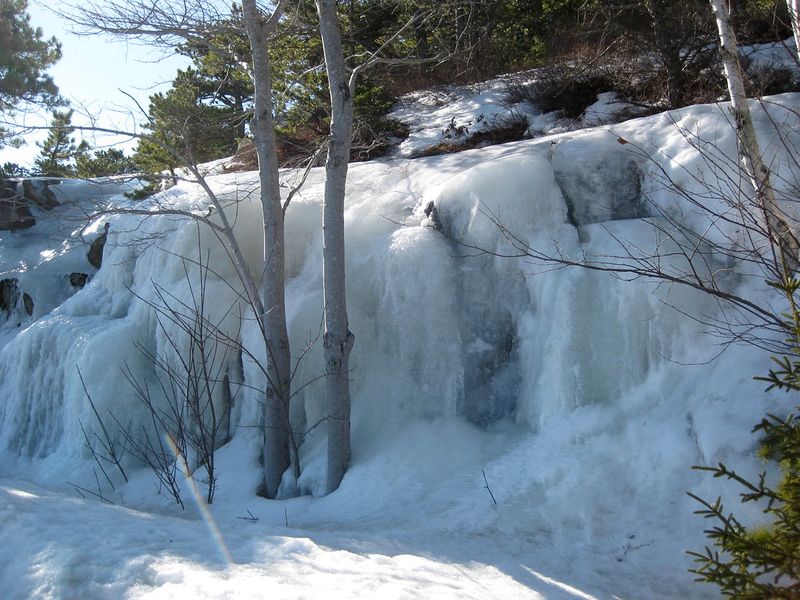
Where mountains meet the Atlantic Ocean, winter creates a coastal wonderland unlike anything else in America.
Maine’s only national park wraps itself in snow and ice while waves crash against granite shores below.
Cadillac Mountain becomes one of the quietest places on Earth during winter months.
You can still drive to the summit on clear days and watch the sunrise without competing for space with hundreds of other visitors.
The carriage roads transform into perfect cross-country skiing trails.
Historic stone bridges frame views of frozen ponds and snow-heavy spruce trees that look like they belong in a fairy tale illustration.
8. Olympic National Park
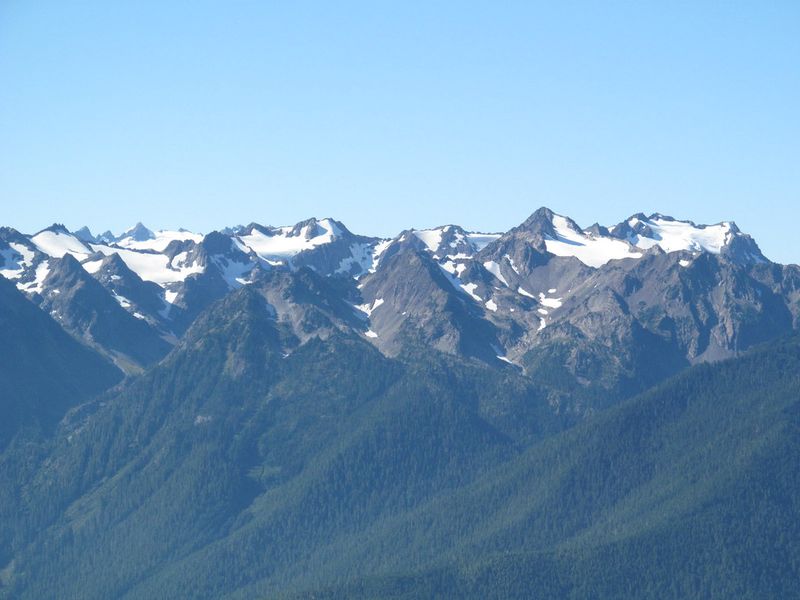
Snow blankets Hurricane Ridge while moss-draped rainforests stay green just miles below.
Washington’s most diverse park offers two completely different winter experiences depending on which direction you drive.
The alpine areas receive massive amounts of snow perfect for snowshoeing and backcountry exploration.
Meanwhile, the Hoh Rainforest continues its eternal dripping and growing, offering mild hiking when mountains become impassable.
This contrast makes Olympic unique among winter destinations.
You could build snowmen in the morning and walk among ancient cedars in the afternoon, all without leaving park boundaries or driving more than an hour.
9. Mount Rainier National Park
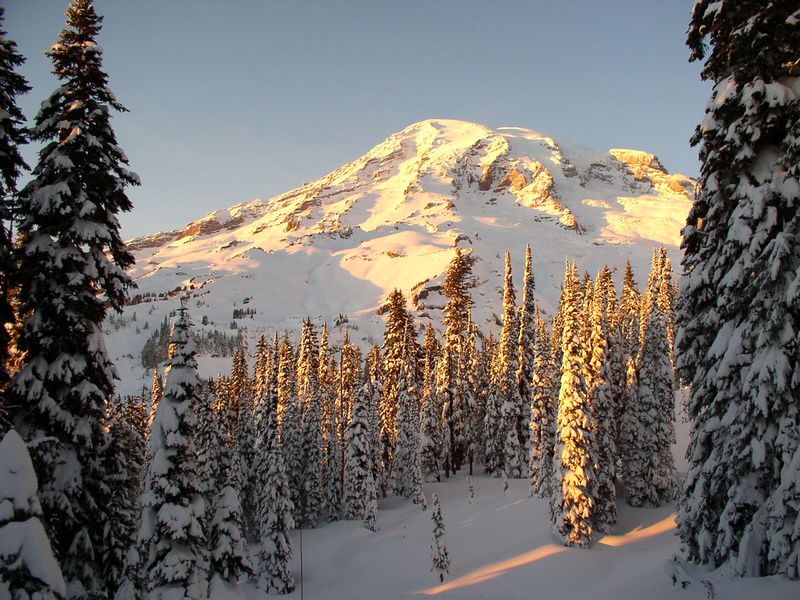
The massive volcano accumulates more snow than almost anywhere else in America.
Some years, Paradise receives over 50 feet of the white stuff, creating snowfields that last well into summer.
Winter turns this park into a playground for serious snow lovers.
Avalanche risks close many areas, but accessible zones offer world-class snowshoeing and backcountry skiing with views that justify every difficult step.
The visitor center at Paradise stays open on weekends and holidays during winter.
Standing there with hot chocolate while watching snow swirl around the mountain’s summit feels like visiting another planet that just happens to be located in Washington state.
10. Grand Canyon National Park
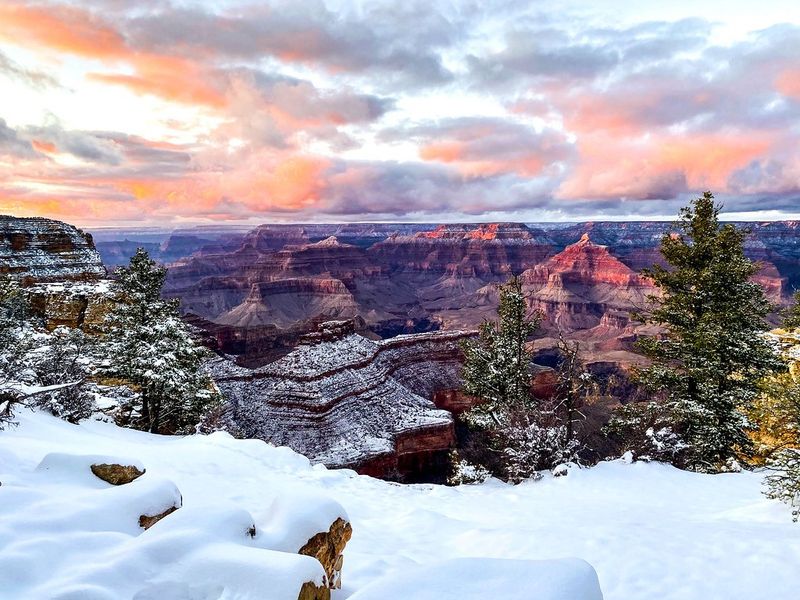
Occasional snowstorms transform Arizona’s most famous hole in the ground into something even more spectacular.
White snow outlining every ridge and layer makes the canyon’s immense depth easier to comprehend from the rim.
The South Rim stays open all year with far fewer visitors between December and February.
You can walk right up to popular viewpoints that require waiting in line during summer months.
Sunrise and sunset become even more dramatic when snow reflects pink and orange light.
The temperature swings wildly from warm afternoons to freezing nights, so dress in layers and bring extra water even though it’s winter.
11. Arches National Park
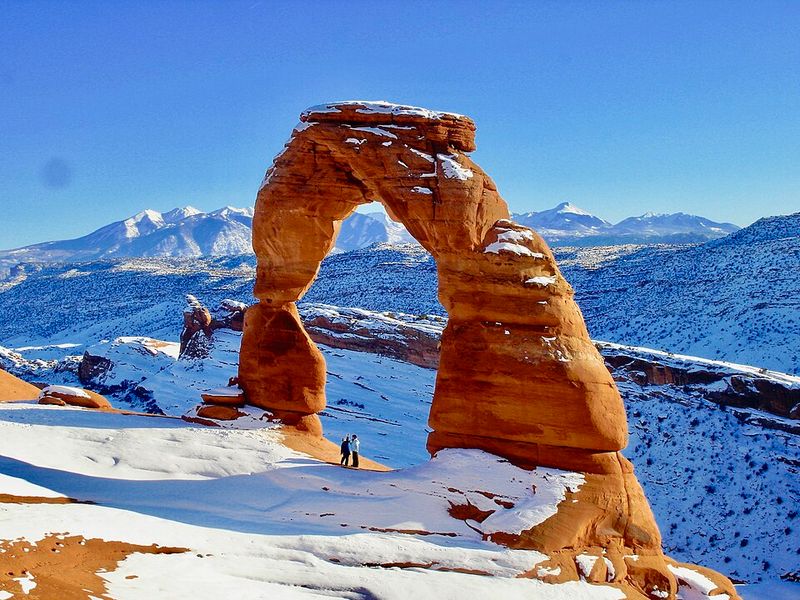
Red sandstone arches glow against impossibly blue skies while light snow dusts the slickrock.
Utah’s desert wonderland becomes even more photogenic when winter weather rolls through and leaves behind just enough white to create stunning contrasts.
Hiking feels pleasant instead of punishing during cooler months.
Delicate Arch trail becomes manageable without carrying gallons of water, and you won’t risk heatstroke climbing up that exposed rock face.
Clear winter air makes visibility perfect for photography.
Stars shine brighter at night, and you might have entire sections of the park to yourself on weekday mornings when most tourists stay home.
12. Death Valley National Park
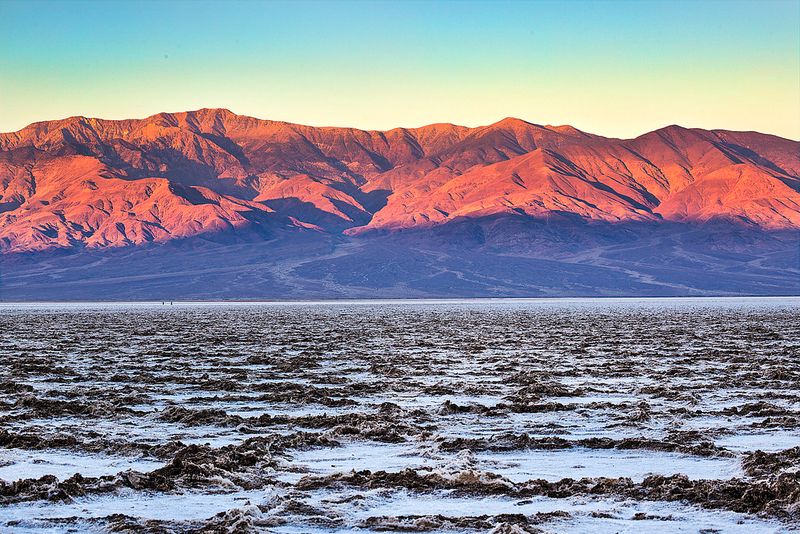
America’s hottest place becomes actually pleasant when winter arrives.
Temperatures that would kill you in July feel perfect for hiking in January, making this the ideal season to explore North America’s largest national park.
Wildflowers sometimes carpet the valley floor after winter rains.
The normally brown desert explodes with yellow, purple, and pink blooms that attract photographers from around the world.
You can hike slot canyons, climb sand dunes, and explore abandoned mines without worrying about deadly heat.
Bring layers because desert nights still get cold, but days offer comfortable conditions for adventure in this extreme landscape.
13. Big Bend National Park
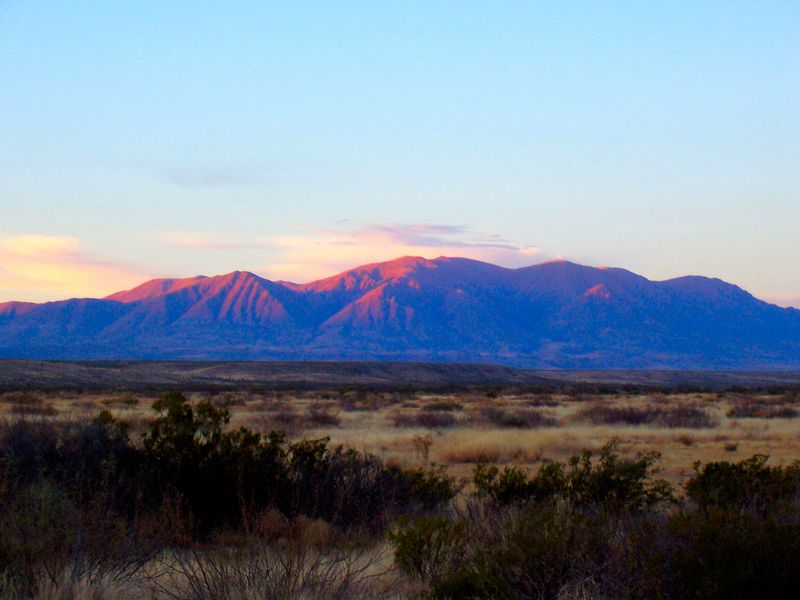
Texas’s hidden treasure sits far from major cities, keeping crowds small even during peak winter season.
The Chisos Mountains rise from the Chihuahuan Desert like a mirage, offering hiking trails that feel comfortable instead of dangerous during cooler months.
The Rio Grande flows through spectacular canyons with walls towering hundreds of feet overhead.
You can paddle through Santa Elena Canyon without overheating or hike the rim trails with perfect visibility across miles of desert.
Wildlife emerges during winter days when temperatures stay mild.
Roadrunners chase lizards, javelinas root through desert scrub, and if you’re lucky, you might spot a black bear in the mountains above the desert floor.
14. Everglades National Park
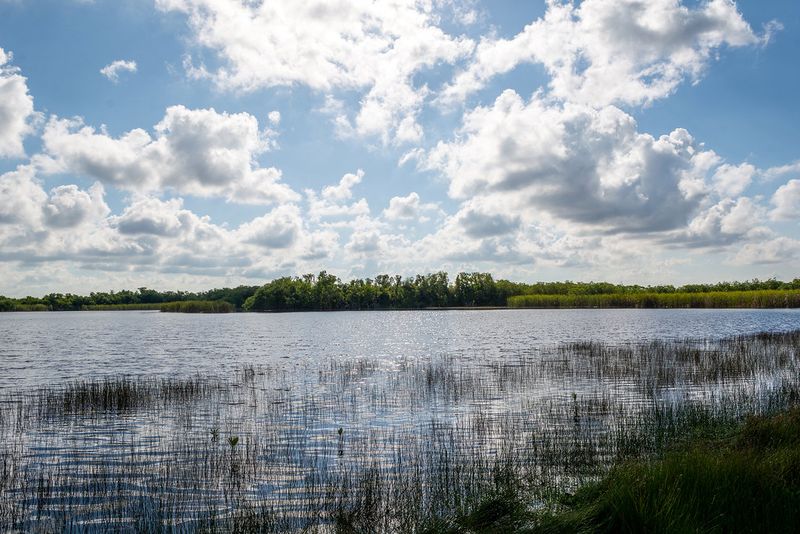
Florida’s river of grass reaches its peak during winter’s dry season.
Alligators concentrate in shrinking pools, making wildlife viewing incredibly easy, while mosquitoes mostly disappear, making hiking actually enjoyable.
Wading birds gather in huge numbers to feast on fish trapped in shallow water.
Roseate spoonbills, wood storks, and herons create scenes that make birders travel across the country to witness.
Temperatures stay comfortable for paddling through mangrove tunnels and walking boardwalk trails.
You can explore this subtropical wilderness without melting in humidity or getting devoured by insects that make summer visits nearly unbearable for most people.
15. Joshua Tree National Park
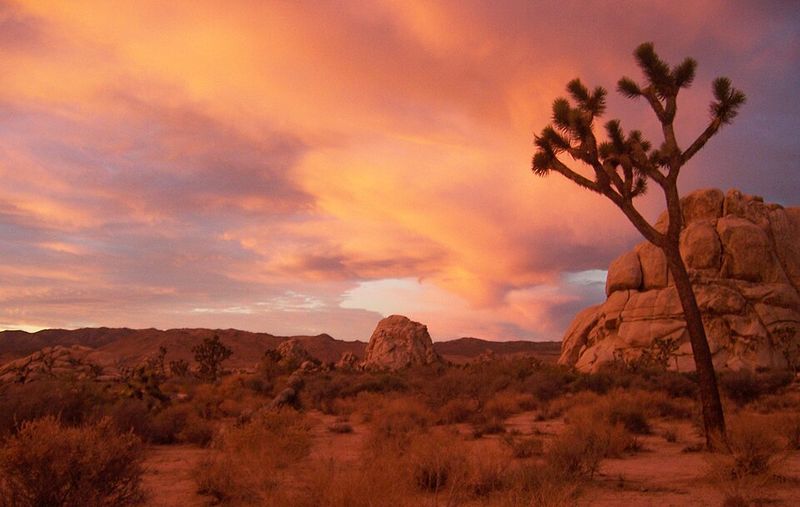
Twisted Joshua trees stretch their spiky arms toward winter skies while rock climbers tackle formations in perfect temperatures.
California’s desert playground transforms from a scorching oven into a comfortable outdoor paradise when winter arrives.
Crisp air makes the bizarre landscape look even sharper and more alien.
Sunsets paint the sky in colors that seem too vivid to be real, while the strange trees create silhouettes that photographers dream about.
Rock formations stay cool enough to touch and climb without burning your hands.
You can hike all day exploring hidden valleys and scrambling over boulders, then watch stars emerge in some of the darkest skies remaining in Southern California.