 MomSkoop

Words have power, especially when they come from a parent who truly cares. The phrases your dad used while raising you say a lot about the kind of person he was and the values he wanted to pass down.
If you heard these particular phrases growing up, chances are your dad was teaching you important lessons about empathy, respect, accountability, and love. These aren’t just words—they’re building blocks for becoming a good person.
1. I understand how you feel; that must be tough.

Validation is one of the most powerful gifts a parent can give.
When your dad acknowledged your feelings instead of dismissing them, he taught you that emotions matter.
This simple phrase showed he was willing to step into your shoes and see the world from your perspective.
Many kids grow up hearing that they’re overreacting or being too sensitive.
But dads who use empathetic language raise children who know their feelings are valid.
You learned emotional intelligence wasn’t weakness—it was strength.
Because of this, you probably find it easier to connect with others today.
You understand that listening and validating someone’s experience can mean everything.
2. I feel strongly about this, but I respect your right to disagree.

Disagreements don’t have to become battles.
A dad who said this taught you that having different opinions doesn’t mean someone is wrong or bad.
He modeled how to stand firm in your beliefs while still honoring someone else’s perspective.
This phrase built a foundation of mutual respect in your relationship.
You learned that healthy relationships allow room for different viewpoints.
Instead of forcing his opinions on you, he encouraged independent thinking.
That’s a rare gift many people never receive.
Today, you probably handle conflicts better because you saw firsthand how respect and conviction can coexist.
You know disagreement doesn’t equal disrespect.
3. Let me help you with that.

Offering help without being asked shows true attentiveness.
Your dad noticed when you were struggling and stepped in without making you feel weak or incapable.
This phrase taught you that asking for help is okay and that support is always available.
He didn’t swoop in to do everything for you, but he was there to guide you through challenges.
This balance helped you develop both confidence and humility.
You learned that independence doesn’t mean doing everything alone.
Collaboration and support are signs of wisdom, not failure.
Because of this, you probably aren’t afraid to reach out when you need assistance.
You also likely offer help to others freely.
4. I need to set a boundary here.

Boundaries aren’t punishments—they’re acts of love.
A dad who clearly communicated his limits taught you that self-respect matters.
He showed you that saying no is healthy and necessary.
Many parents either avoid setting boundaries or enforce them through anger.
But your dad did it with calm clarity.
This taught you that protecting your own well-being doesn’t make you selfish.
You learned to recognize when something crosses the line and to speak up about it.
Today, you probably have healthier relationships because you know how to set your own boundaries.
You also respect when others set theirs.
5. I made a mistake, and here’s what I’m going to do to fix it.

Admitting mistakes takes courage, especially for parents.
When your dad owned up to his errors and explained how he’d make things right, he taught you accountability.
He showed that being wrong doesn’t make you a bad person—refusing to acknowledge it does.
This phrase demonstrated that growth comes from accepting responsibility.
You learned that apologies mean nothing without action.
Fixing mistakes matters just as much as admitting them.
Because of this lesson, you probably take responsibility for your actions today.
You don’t make excuses or shift blame.
Instead, you focus on solutions and making things better.
6. I’m sorry, I know my actions had a negative impact on you.

True apologies acknowledge harm, not just intentions.
Your dad didn’t just say sorry—he recognized how his behavior affected you.
This kind of apology validates your experience and shows real understanding.
Many people apologize to make themselves feel better or to end an argument quickly.
But your dad apologized because he genuinely cared about your feelings.
He taught you that impact matters more than intent.
Even good intentions can cause hurt, and acknowledging that is crucial.
Because of this, you probably give meaningful apologies yourself.
You understand that saying sorry means recognizing the pain you caused.
7. That’s not fair to that person; we should address it.

Standing up for what’s right isn’t always easy.
When your dad pointed out unfairness and suggested taking action, he taught you integrity.
He showed that being a bystander when someone is treated poorly isn’t acceptable.
This phrase instilled a sense of justice in you from an early age.
You learned that silence can be just as harmful as the wrong action itself.
Speaking up for others, even when it’s uncomfortable, is the right thing to do.
Your dad modeled courage and compassion through these words.
Today, you probably stand up against injustice when you see it.
You advocate for those who can’t advocate for themselves.
8. I’m so proud of you for accomplishing that goal.
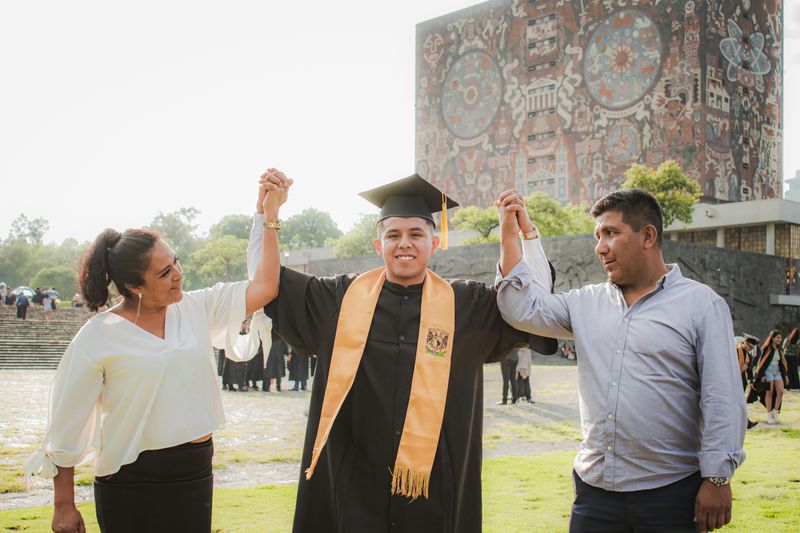
Recognition fuels motivation and builds confidence.
When your dad celebrated your accomplishments, he showed that your efforts mattered.
He didn’t just praise the outcome—he acknowledged the hard work behind it.
This taught you that success is about the journey, not just the destination.
You learned that perseverance and dedication deserve recognition.
His pride in you reinforced that you were capable of achieving great things.
This kind of encouragement builds self-esteem that lasts a lifetime.
Today, you probably set goals confidently because you know you can reach them.
You also celebrate others’ achievements with genuine enthusiasm.
9. That’s a valid point, I hadn’t considered it from that angle.

Humility and openness to learning don’t disappear with age.
Your dad showed you that even adults can learn new things and change their minds.
By acknowledging your perspective, he validated your intelligence and critical thinking.
This phrase taught you that conversations are opportunities for growth, not competitions.
You learned that being open-minded is a strength, not a weakness.
He demonstrated that admitting you hadn’t thought of something doesn’t diminish your worth.
It actually shows wisdom and maturity.
Because of this, you probably approach discussions with curiosity rather than defensiveness.
You value different viewpoints and aren’t afraid to reconsider your position.
10. I need some time to think about this before I respond.

Reacting immediately often leads to regret.
Your dad taught you that pausing to think is wise, not weak.
He showed that emotional control and thoughtful responses are signs of maturity.
Many people feel pressured to answer right away, even when they’re not ready.
But your dad modeled that taking time to process information is perfectly acceptable.
This taught you to avoid knee-jerk reactions driven by emotion.
You learned that thoughtful responses are more valuable than quick ones.
Today, you probably handle difficult situations with more patience.
You give yourself permission to pause and think before speaking or acting.
11. I love you, and I’m glad you’re in my life.

Unconditional love shouldn’t be assumed—it should be expressed.
Your dad made sure you knew you were loved and valued, not just for what you did but for who you were.
These words provided security and belonging that shaped your entire life.
Hearing this regularly reminded you that you mattered deeply to someone.
It built a foundation of self-worth that external circumstances couldn’t shake.
You learned that expressing love openly is important and shouldn’t be taken for granted.
This phrase probably made even the hardest days more bearable.
Today, you likely express your own love freely to those who matter.
You understand the power of saying what you feel.