 MomSkoop

Clutter has a sneaky way of taking over our homes, filling drawers, closets, and shelves with things we no longer need or use. Professional organizers spend their days helping people reclaim their spaces, and they’ve seen it all—from dusty collections to forgotten items shoved in the back of cabinets.
Most experts agree that letting go of certain things can instantly make your home feel cleaner, more organized, and less stressful. Here are the top items that professional organizers recommend tossing right now to create a more peaceful and functional living space.
1. Tattered Towels
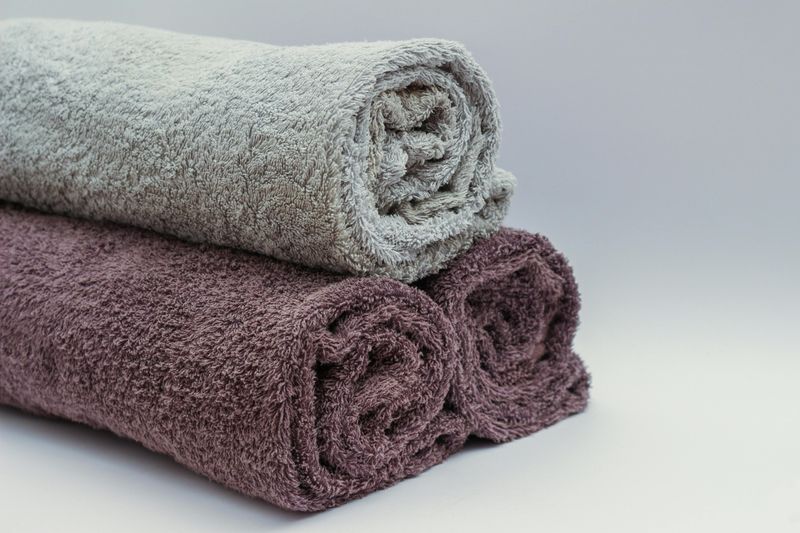
Towels with holes, frayed edges, or stubborn stains have officially served their purpose.
Professional organizers say holding onto threadbare towels only clutters your linen closet and makes it harder to find the good ones.
Many people keep old towels thinking they’ll use them for cleaning, but honestly, how many rags does one household really need?
If a towel feels scratchy, looks dingy, or smells musty even after washing, it’s time to say goodbye.
Donate gently used towels to animal shelters where they’ll be appreciated, and recycle or toss the truly worn-out ones.
Your bathroom will feel more spa-like when you only keep soft, fresh towels that actually dry you off properly.
2. Worn-Out Grilling Gadgets
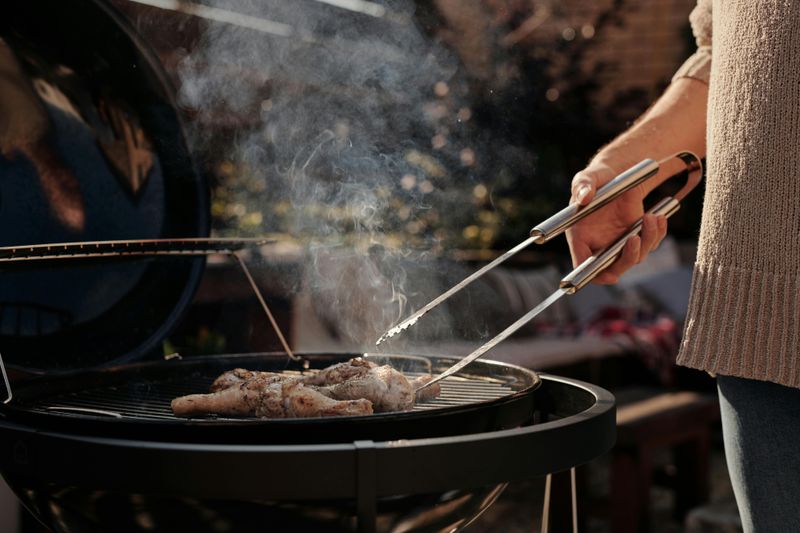
Barbecue season brings joy, but those rusty tongs and spatulas with melted handles?
Not so much.
Organizers frequently find garages and sheds stuffed with grilling tools that have seen better days—bent forks, brushes with missing bristles, and gadgets that no longer work properly.
Using damaged grilling tools can actually be unsafe, as rust particles or loose bristles might end up in your food.
Take inventory of your grilling arsenal and keep only the tools that are clean, functional, and in good condition.
Quality grilling equipment doesn’t have to be expensive, and replacing worn-out items will make your outdoor cooking experience much more enjoyable and safer for everyone.
3. Expired Cosmetics
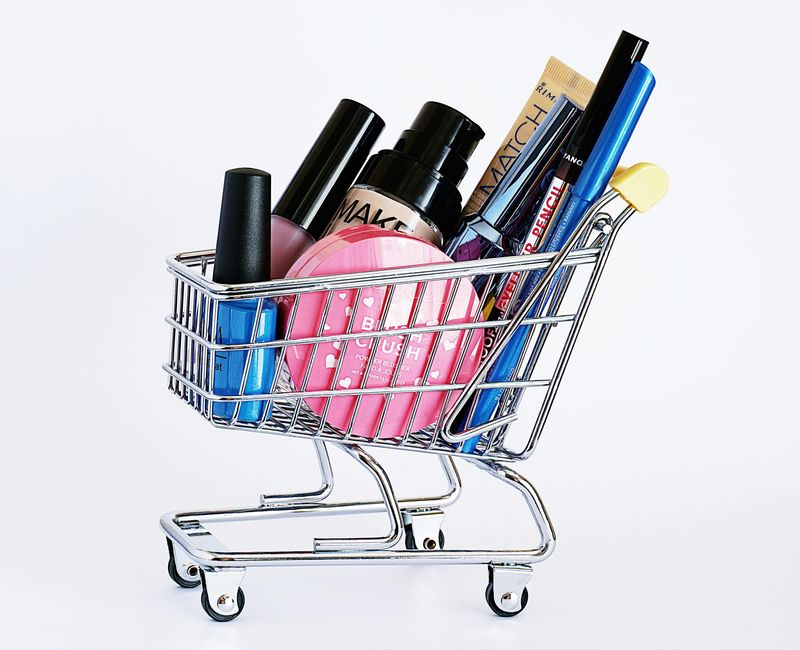
That lipstick from three years ago might hold sentimental value, but it’s also holding bacteria.
Makeup has a surprisingly short shelf life—mascara should be replaced every three months, while foundation and concealer last about a year.
Using expired cosmetics can cause skin irritation, breakouts, or even eye infections.
Professional organizers recommend checking the small jar symbol on your products, which shows how many months they’re good for after opening.
If you can’t remember when you bought something, or if it smells off or has changed texture, toss it immediately.
A streamlined makeup collection with fresh products will simplify your morning routine and keep your skin healthier, too.
4. Expired Prescriptions

Medicine cabinets often become time capsules filled with prescriptions from years past.
Keeping expired medications isn’t just cluttering your space—it’s actually dangerous.
Old prescriptions lose their effectiveness over time and can even become harmful as their chemical composition breaks down.
There’s also the risk that someone in your household might accidentally take the wrong medication.
Professional organizers suggest checking expiration dates twice a year and properly disposing of outdated medications at a pharmacy take-back program or designated drop-off location.
Never flush pills down the toilet or throw them in the trash where they could contaminate water supplies or be found by children or pets.
5. Damaged Gardening Supplies
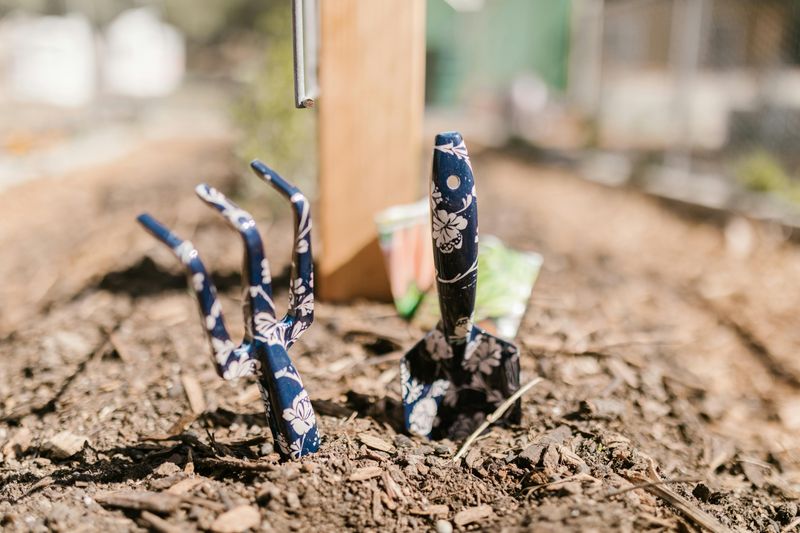
Gardening brings peace and beauty to our lives, but broken tools and cracked pots just bring frustration.
Organizers often find sheds packed with supplies that are beyond repair—shovels with broken handles, pots with large cracks, and gloves with holes in every finger.
Keeping damaged gardening equipment wastes valuable storage space and makes it harder to find the tools you actually need when planting season arrives.
Bent or broken tools also make gardening tasks more difficult and tiring than they need to be.
Sort through your supplies and recycle or dispose of anything that’s damaged beyond use.
Your gardening sessions will become more productive and enjoyable with a well-organized collection of functional tools.
6. Worthless Writing Instruments
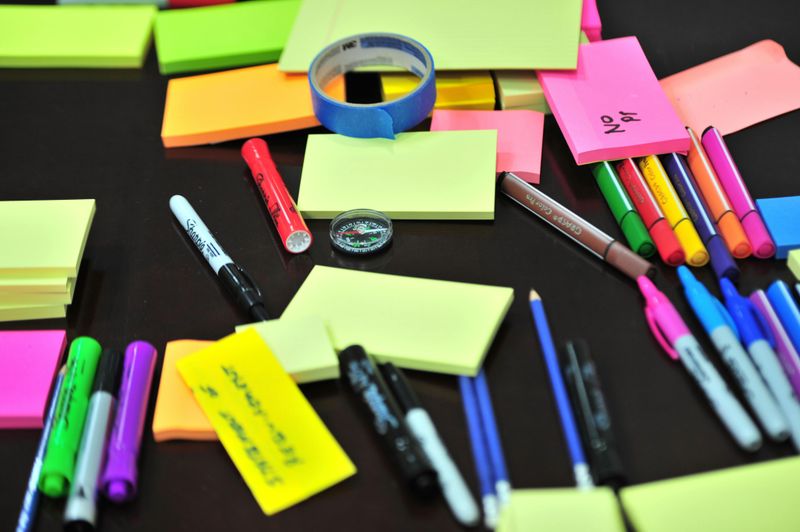
How many times have you grabbed a pen only to discover it’s completely dried out?
Junk drawers everywhere are filled with writing instruments that no longer work—pens without ink, mechanical pencils with jammed mechanisms, and markers that gave up months ago.
Professional organizers see this problem in almost every home they visit.
People hold onto these useless items out of habit, but they just create frustration when you need to write something quickly.
Spend ten minutes testing every pen and pencil in your home, and toss the ones that don’t work.
Keep a small collection of reliable writing tools in a designated spot, and you’ll never waste time hunting for one that actually writes again.
7. Dilapidated Door Wreaths

Seasonal wreaths add charm to your entryway, but only when they’re in good condition.
Organizers frequently discover boxes of holiday decorations containing wreaths that have seen better days—faded ribbons, broken ornaments, crushed artificial flowers, and frames coming apart.
Displaying a worn-out wreath actually detracts from your home’s curb appeal rather than enhancing it.
Weather exposure takes a toll on door decorations, and sometimes they simply can’t be saved.
If a wreath looks shabby or has missing pieces, it’s time to let it go.
Invest in one high-quality wreath per season instead of keeping multiple damaged ones, and store them properly to extend their lifespan and keep your home looking welcoming.
8. Old Outdoor Games and Pool Toys
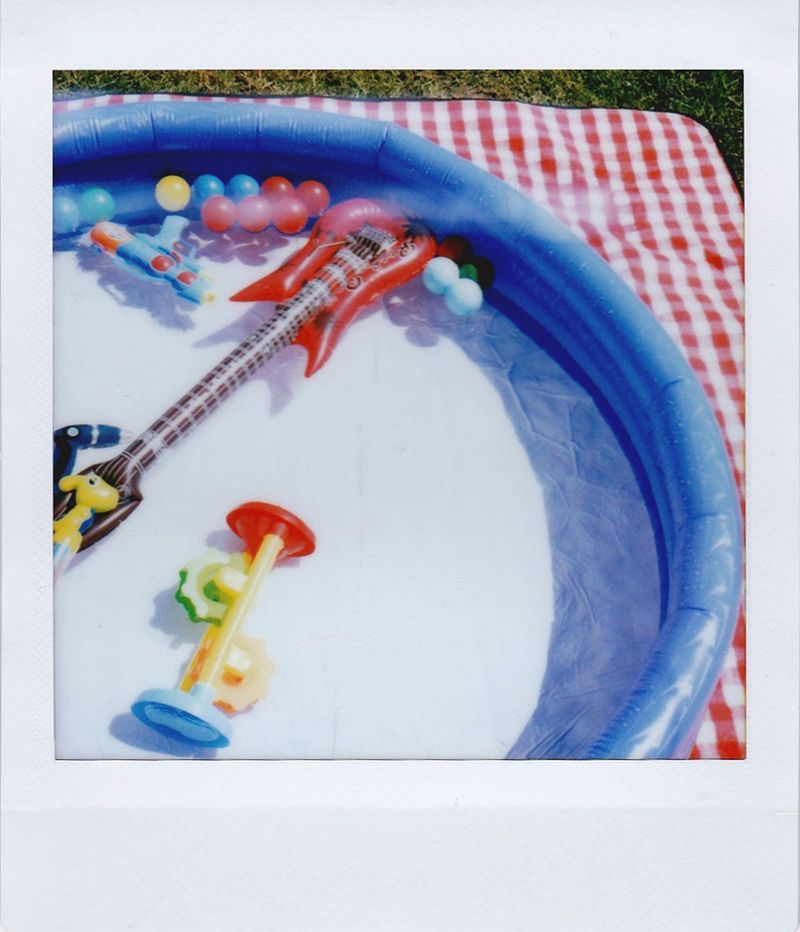
Remember that giant inflatable flamingo from two summers ago that won’t hold air anymore?
Garages and storage sheds often become graveyards for outdoor entertainment items that have lost their fun factor.
Professional organizers recommend being ruthless with pool toys that are punctured, faded, or deflated beyond repair.
Broken badminton rackets, incomplete cornhole sets, and beach balls that won’t inflate are just taking up space you could use for items you actually enjoy.
Kids outgrow toys quickly, and holding onto damaged or age-inappropriate items creates unnecessary clutter.
Keep only the outdoor games and pool toys your family currently uses and that are in working condition for a more organized and functional recreational space.
9. Extra Luggage
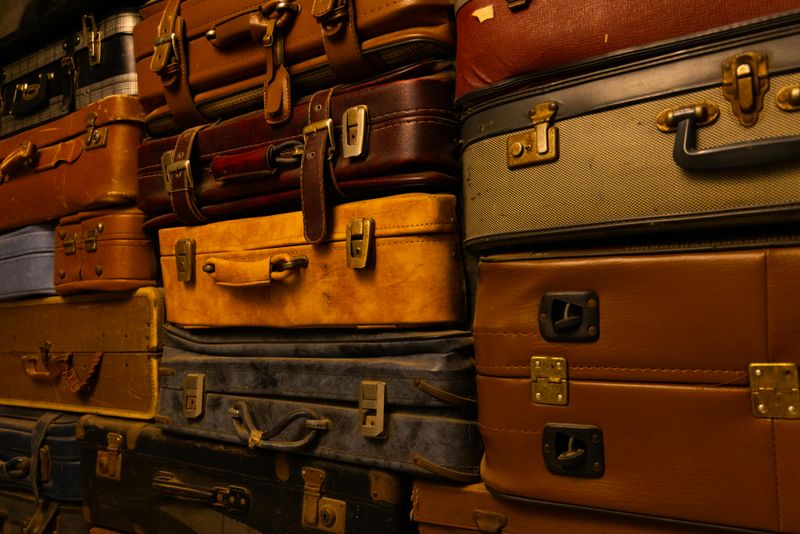
Suitcases multiply mysteriously, don’t they?
Before you know it, your closet contains bags from every trip you’ve ever taken, plus a few inherited from relatives.
Organizers point out that most families only need one or two suitcases per person, yet they’re storing five times that amount.
Luggage with broken wheels, stuck zippers, or torn fabric is essentially useless and consumes precious storage space.
Even functional bags that you never use because you prefer your newer set deserve to find a new home.
Donate gently used luggage to organizations that help people transitioning out of difficult situations—they’ll truly appreciate it.
Keep only the bags you regularly use, and suddenly your closet will have room to breathe.
10. Rusty Patio Furniture
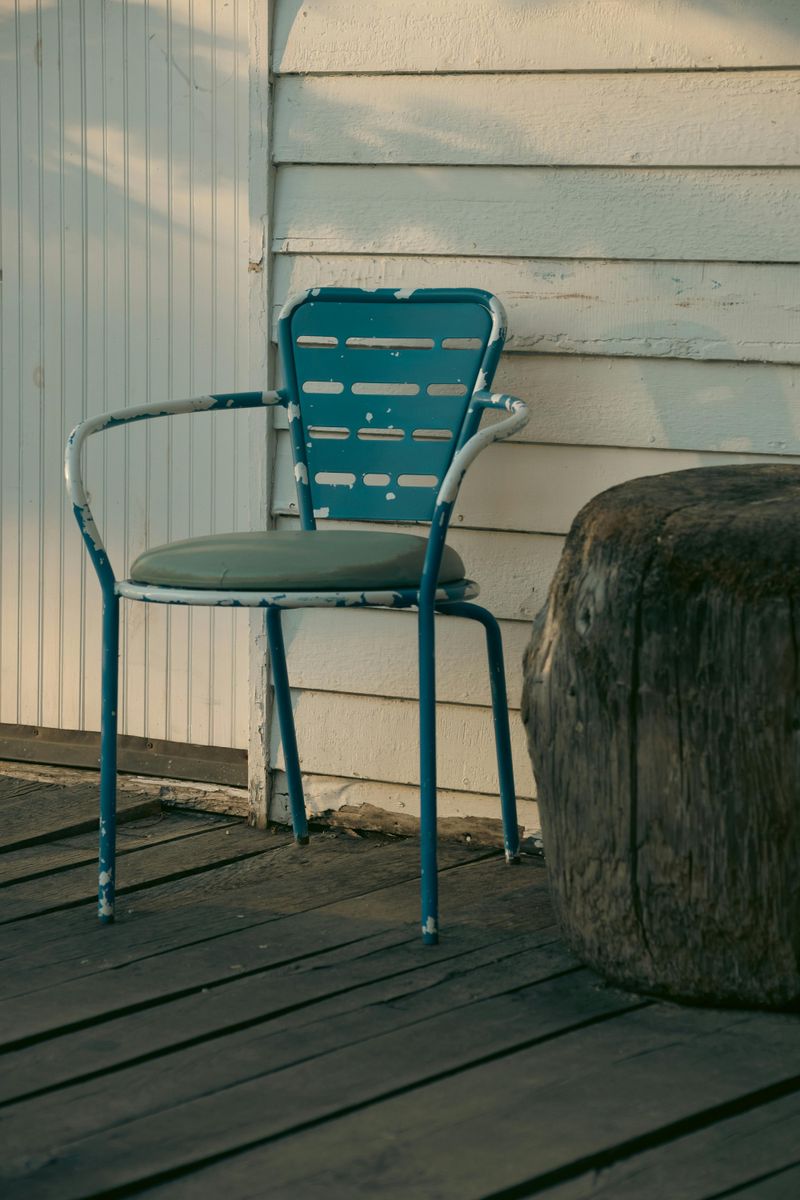
Outdoor living spaces should feel like relaxing retreats, not rust museums.
Metal patio accessories exposed to weather inevitably deteriorate, leaving you with corroded plant stands, flaking candle holders, and discolored decorative pieces.
Professional organizers notice that homeowners often overlook these items because they blend into the outdoor environment, but they’re quietly making your patio look neglected.
Rust isn’t just unsightly—it can stain surfaces and even cause injuries from sharp, flaking edges.
Evaluate your outdoor décor honestly and remove anything that’s heavily rusted or beyond restoration.
Replacing a few key pieces will dramatically improve your patio’s appearance and make it a space where you actually want to spend time enjoying the fresh air.
11. Dingy Drinkware
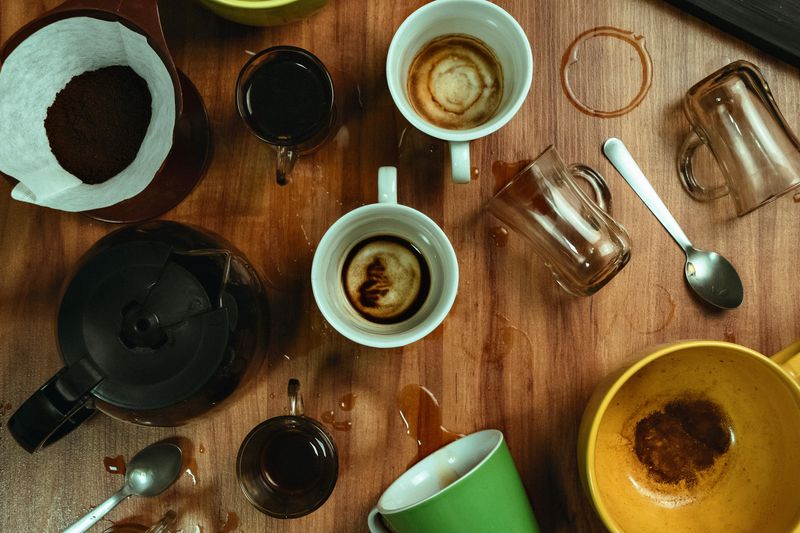
Coffee stains that won’t come out and water bottles that have turned cloudy are sending you a message.
Drinkware takes a beating with daily use, and eventually, even the most vigorous scrubbing can’t restore it to its original condition.
Organizers find cabinets overflowing with mismatched mugs, stained travel cups, and plastic containers with lingering odors no matter how many times they’re washed.
Drinking from discolored or scratched containers isn’t appealing and might even harbor bacteria in those tiny crevices.
Keep only the drinkware you genuinely enjoy using and that’s still in pristine condition.
A smaller collection of clean, attractive glasses and mugs will make your morning coffee ritual feel more special and your kitchen cabinets less chaotic.
12. Unfunctioning Storage Solutions
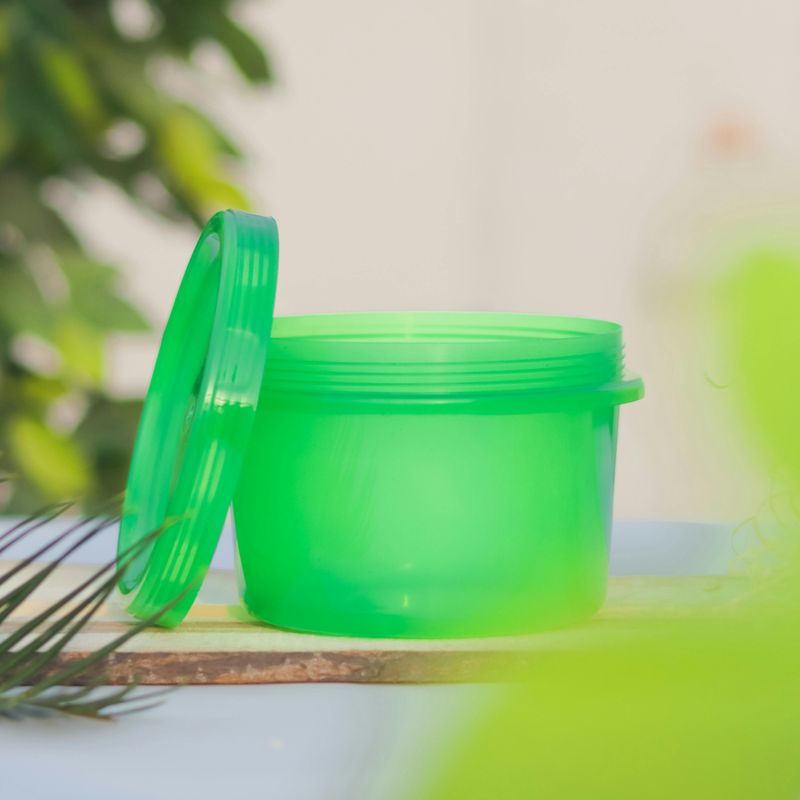
Storage containers that don’t actually store things properly have become part of the problem instead of the solution.
Professional organizers constantly encounter bins with cracked lids, baskets with broken handles, and drawer organizers that no longer fit anywhere.
People keep these items thinking they might use them someday, but damaged storage solutions create more disorganization than they solve.
Containers without matching lids are particularly useless, yet they somehow accumulate in every kitchen cabinet.
Sort through your storage items and eliminate anything that’s broken, warped, or missing essential components.
Invest in a coordinated system of quality storage solutions that actually work, and you’ll find organizing your belongings becomes infinitely easier and more sustainable long-term.
13. Tote Bag Stash
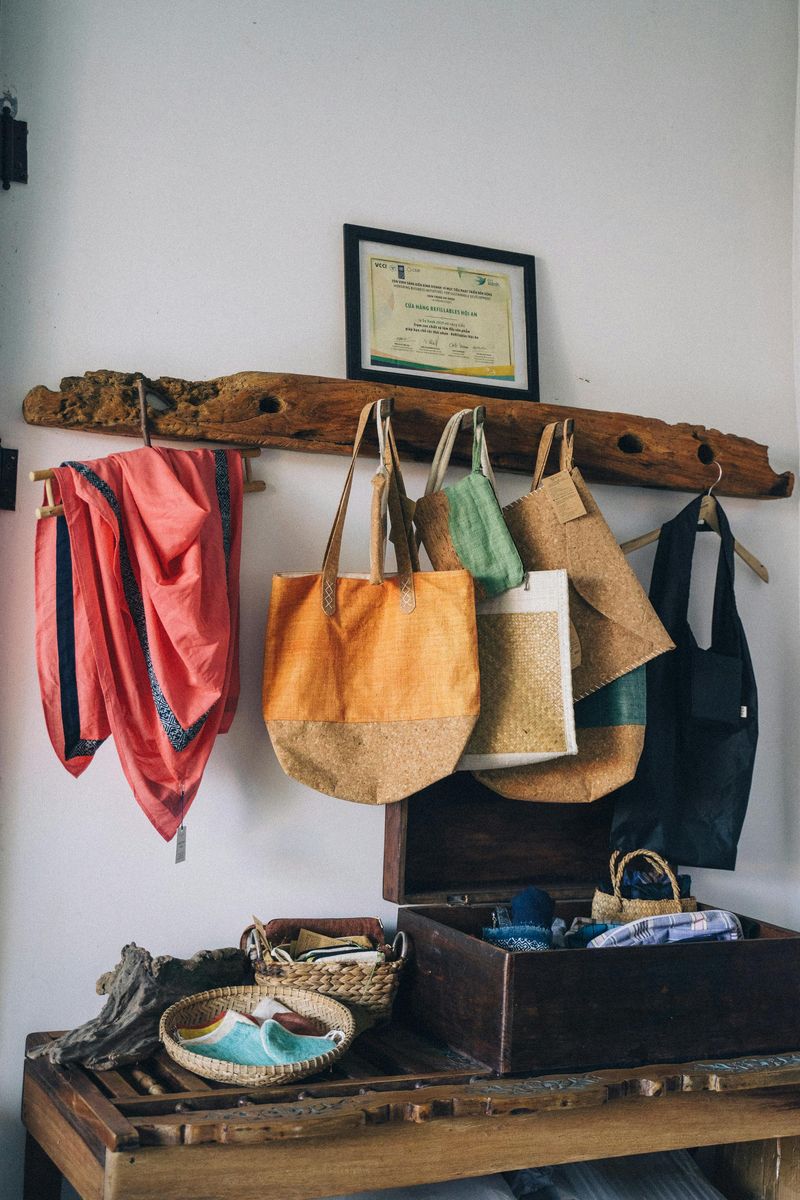
Reusable bags are environmentally friendly until you have seventy-five of them crammed into one drawer.
Everyone collects tote bags—from conferences, stores, events, and well-meaning gifts—but how many do you realistically need?
Organizers suggest keeping only enough bags for one major shopping trip, which is usually around five to ten bags maximum.
The rest are just occupying valuable space that could serve a better purpose.
Many tote bags are promotional items with logos you don’t care about or bags that are stained and worn from years of use.
Donate excess bags to food banks or community organizations that can distribute them to people who need them.
Your storage areas will thank you for the newfound breathing room.
14. Unknown Freezer Items

If you can’t identify what’s in that frost-covered container, it’s time to let it go.
Freezers become black holes where mystery items accumulate, buried under layers of ice and newer groceries.
Professional organizers recommend a complete freezer audit at least twice a year to eliminate unidentifiable foods, items with severe freezer burn, and anything past its prime.
That unmarked bag from who-knows-when isn’t going to magically become appetizing, no matter how long you keep it.
Freezer-burned food has lost its flavor and texture, making it unpleasant to eat even if it’s technically safe.
Clear out the unknowns, wipe down your freezer, and start fresh with properly labeled items and dates so you’ll actually use what you store.