 MomSkoop

Dating in the 1970s followed a very different playbook than today.
Back then, strict rules guided how men and women were supposed to act when they liked each other.
Many of these expectations now seem outdated, confusing, or even unfair compared to how we approach relationships in modern times.
1. Men Had to Make the First Move Always
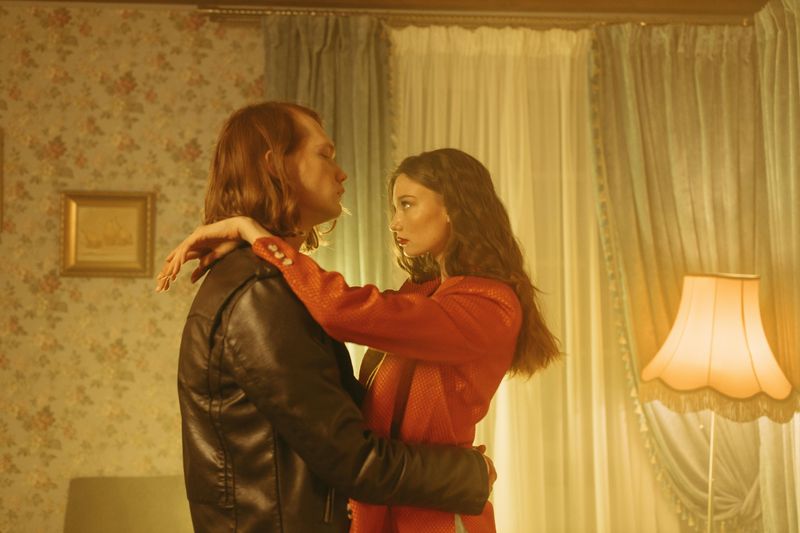
Back in the seventies, society expected guys to do all the asking out.
Women weren’t supposed to approach men they found interesting or suggest going somewhere together.
This rule put a lot of pressure on boys and took away choices from girls.
If a woman showed too much interest first, people thought she seemed desperate or forward.
Families and friends would often gossip about girls who broke this unwritten law.
The dating world felt like a game where only one team could start the play.
Today, anyone can make the first move regardless of gender.
We now understand that confidence and honesty matter more than following old-fashioned rules about who should speak up first.
2. Playing Hard to Get Was Expected

Women in the 1970s learned they should never appear too eager or available.
Dating advice columns told them to act disinterested even when they really liked someone.
This strategy supposedly made men chase harder and value them more.
Girls would pretend to be busy when asked out, even if their calendar was completely empty.
They’d wait extra days to return phone calls or act unimpressed during conversations.
Many women found this exhausting and confusing.
This game-playing created misunderstandings and wasted time for everyone involved.
Nowadays, most people appreciate honesty and direct communication instead of mixed signals.
Being genuine about your feelings helps build stronger, healthier connections from the start.
3. Never Call Him First, Just Wait

Telephone etiquette in the seventies had strict gender rules.
Women absolutely could not pick up the phone and call a man they were dating or interested in.
Instead, they had to sit by the phone hoping he would call them.
This waiting game caused lots of anxiety and frustration.
Girls would miss out on other activities just to stay near the phone in case their crush called.
Some even had their siblings answer the phone to seem less available.
The rule suggested women who called men seemed pushy or desperate for attention.
Today, texting and calling work both ways, and nobody thinks twice about who reaches out first in a relationship.
4. Men Always Paid, Splitting Was Rude

During the 1970s, the man was expected to cover every expense on a date.
Whether it was dinner, movies, or mini-golf, he would always pick up the entire check.
Women offering to pay their share was considered insulting to his masculinity.
This tradition came from times when women earned less money or didn’t work outside the home at all.
Even if a woman had her own job and income, suggesting to split the bill seemed improper and unfeminine.
Many men felt financial pressure from this expectation, especially younger guys without much money.
Modern dating allows couples to share costs fairly or take turns paying, which feels more equal and practical for everyone involved.
5. The Three-Day Waiting Rule

After a first date ended, neither person was supposed to contact the other for at least three full days.
Calling sooner made you look too interested or clingy.
This bizarre rule applied mostly to men calling women back after their evening together.
People believed this waiting period created mystery and kept the other person guessing about your feelings.
Dating guides promised this strategy would increase attraction and make the relationship more exciting.
In reality, it just created unnecessary confusion and worry.
Someone who had a great time might spend days wondering if their date felt the same way.
Today, most people text or call when they feel like it, usually thanking their date the next day if things went well.
6. Avoid Politics and Money Talk

Polite conversation during seventies dates had strict boundaries.
Discussing politics, religion, or personal finances was considered rude and inappropriate for getting to know someone.
People stuck to safe topics like weather, movies, or favorite foods instead.
This rule meant couples often married without knowing important details about each other’s values or financial situations.
Many believed controversial topics would ruin the romantic mood or lead to arguments during early dating stages.
Women especially were discouraged from having strong political opinions or asking about a man’s income or career plans.
Current dating culture encourages discussing important topics early to ensure compatibility and shared values before getting too serious emotionally.
7. Marriage Was the Only Goal

Every relationship in the 1970s was supposed to lead toward marriage eventually.
Dating just for fun or to meet new people seemed pointless and wasteful.
Parents and society pressured young people, especially women, to find a spouse quickly.
Girls often felt rushed to settle down by their early twenties or face judgment for being single too long.
Casual dating without marriage intentions was frowned upon and considered immature.
This pressure led many couples to marry before truly knowing each other well.
Career goals and personal growth took a backseat to finding a husband or wife.
Modern relationships allow people to date at their own pace, focus on themselves first, and only commit to marriage when genuinely ready.
8. Dating Multiple People Was Scandalous

Going out with more than one person at a time was considered sneaky and dishonest in the seventies.
Once you went on a single date with someone, you were expected to focus only on that relationship.
Seeing other people simultaneously seemed disrespectful and wrong.
This expectation put lots of pressure on first and second dates to determine compatibility quickly.
People worried about wasting time with the wrong person when they could miss meeting their true match.
Communities were smaller and gossip spread fast about anyone juggling multiple romantic interests.
Today, many people casually date several individuals before deciding to become exclusive with one person.
This approach helps people learn what they want in a partner without rushing into serious commitments too soon.
9. Women Couldn’t Discuss Intimacy Openly

Talking about physical affection or saying loving words too early was absolutely forbidden for women in the seventies.
Girls who brought up these topics seemed improper or too forward.
Society expected them to wait for men to initiate all romantic conversations and declarations.
Women couldn’t express their true feelings without seeming desperate or breaking social rules.
Saying “I love you” first was especially taboo and might scare a boyfriend away.
This double standard allowed men freedom to discuss feelings while women had to stay quiet and mysterious.
Many relationships suffered because one person couldn’t communicate honestly about emotions or physical boundaries.
Modern dating encourages both people to share their feelings openly and discuss comfort levels regarding affection and commitment at any time.
10. Wait Until the Third Date for Kissing

Physical affection followed a strict timeline in the 1970s.
Couples weren’t supposed to kiss until they’d been on at least three dates together.
Kissing sooner suggested someone had loose morals or didn’t respect traditional dating steps.
This rule applied especially to women, who would be judged harshly for showing affection too quickly.
Men faced less criticism but still followed the guideline to seem respectful and gentlemanly.
First dates ended with handshakes or awkward waves instead of romantic moments.
Many couples felt the timing was arbitrary and didn’t match their natural feelings for each other.
Current dating lets people decide for themselves when physical affection feels right, based on mutual comfort and attraction rather than counting dates on a calendar.
11. Formal Doorstep Pickup Was Required

Men in the seventies had to arrive at a woman’s home, walk to her front door, and meet her parents before leaving for a date.
Honking the car horn or texting to say you arrived outside would have been incredibly disrespectful and rude.
This tradition showed respect for the woman and her family.
Parents could look over the young man, ask questions about plans, and set a curfew time.
Getting picked up anywhere besides home seemed secretive and suspicious to families.
While this ritual had some safety benefits, it also felt formal and nerve-wracking for everyone involved.
Today, people often meet at the date location or get picked up wherever is convenient, though some families still appreciate traditional doorstep greetings.
12. Meeting Parents Happened Very Early

Introducing a boyfriend or girlfriend to your parents wasn’t saved for serious relationships in the 1970s.
Families expected to meet anyone you dated pretty much right away, sometimes even on the first date pickup.
This early involvement gave parents lots of influence over your dating choices.
Parents would form quick opinions about whether someone seemed suitable for their child.
Their approval or disapproval carried heavy weight in whether the relationship would continue.
Young people had less privacy and independence in their romantic lives compared to today.
Some couples felt pressured by family expectations before they even knew if they liked each other.
Modern dating usually keeps families separate until a relationship becomes serious and committed, giving couples space to figure things out first.
13. Different Standards for Men and Women
Perhaps the most unfair rule was how society judged men and women differently for the same dating behavior.
Women who dated several people or had multiple relationships faced harsh criticism and mean names.
Meanwhile, men doing the exact same things were considered normal or even admirable.
This double standard created an unequal playing field where women had to guard their reputations carefully while men faced few social consequences.
Girls worried constantly about gossip and judgment from their communities.
Boys enjoyed much more freedom to explore relationships without damaging their social standing.
These different expectations reflected broader gender inequality of the time period.
Today’s dating world still isn’t perfectly equal, but we’ve made progress toward judging everyone by the same standards regardless of gender.